Homeowners usually worry about the same things: drafty rooms, thin insulation, radiators or baseboards, no ductwork, cold winters, where the outdoor unit goes, and a higher bill. Those are fair concerns. This guide covers system types, home assessments, retrofit requirements, costs, and the questions to put to any installer before you accept a quote.
Key Takeaways
- An old house doesn't rule out a heat pump, but the job is not a simple equipment swap.
- A heat-loss calculation, not your old furnace's size, should set capacity.
- Ducted, ductless, air-to-water, geothermal, and hybrid systems each suit different homes.
- Air sealing, distribution fixes, electrical work, and commissioning shape project value as much as the outdoor unit.
How Heat Pumps Work in an Older Home
A heat pump moves heat instead of burning fuel. In winter it pulls heat from outdoor air or the ground; in summer the cycle reverses to cool. The Department of Energy describes this refrigerant cycle for air-source units.
The main types for retrofits:
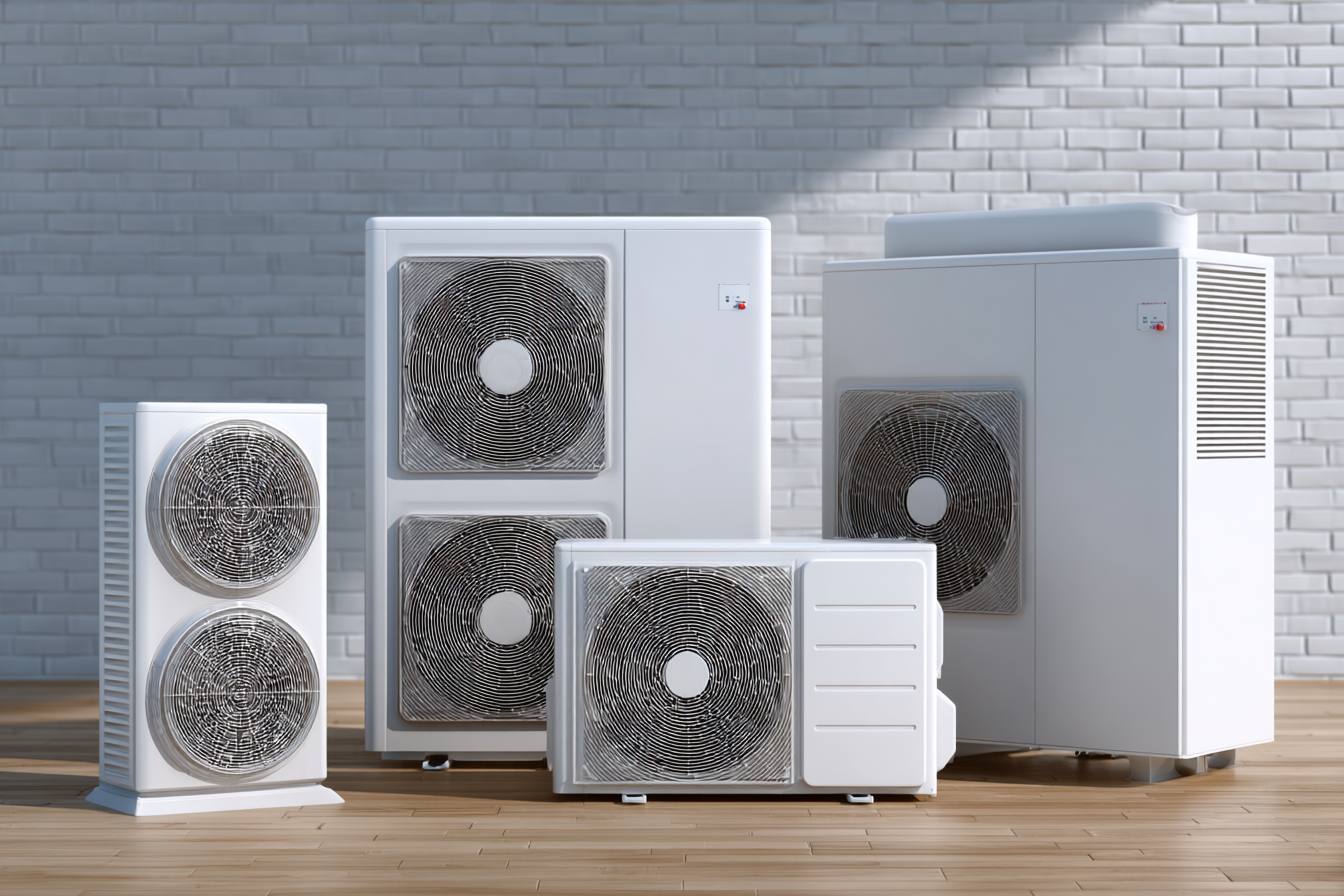
- Air-to-air (ducted or ductless): heat reaches rooms through ducts or wall and ceiling units.
- Air-to-water: heat goes into hydronic water for radiators, baseboards, or radiant floors.
- Ground-source: exchanges heat with buried loops.
Why delivery matters
A gas or oil furnace or boiler produces short bursts of very hot output. A heat pump runs longer at lower temperatures.
That difference changes how radiators, baseboards, and ducts perform, and it changes thermostat habits. Large setbacks and quick recoveries work less well; steady settings work better.
Capacity matters at your local design temperature, not on a mild day. Cold-climate models help here.
ENERGY STAR's cold-climate criteria require a COP of at least 1.75 at 5°F and capacity at 5°F of at least 70% of capacity at 47°F. Those are product benchmarks, not a promise for your house, so check the exact model and indoor/outdoor combination.
Many of these units use variable-speed compressors and demand defrost. Some homes still plan supplemental heat for the coldest hours.
A real example: NYSERDA documented a 1926 Rochester home converted from a gas furnace to a whole-house, ducted cold-climate heat pump with no fossil backup. It held indoor temperatures near target through lows of -6°F and -9°F. One case isn't a guarantee, but it shows what's possible.

What Makes an Old House Challenging—and How to Assess It
Heat loss comes first
Older homes often leak air and have thin attic or wall insulation, old windows, exposed floors, and unfinished basements. ENERGY STAR notes that air sealing and insulation can lower heating load and reduce the need for backup heat.
You don't need a deep retrofit everywhere. Evaluate the cheap, high-impact fixes first, usually the attic and air leaks. Those upgrades change the heating load, so insist on a Manual J load calculation (or an equivalent professional method). ACCA lists inputs such as insulation values, infiltration, and duct losses. It should include:
- Room-by-room loads
- Your local outdoor design temperature
- Any planned insulation upgrades
- The equipment's capacity at cold conditions
Don't assume the existing furnace or boiler is the right size. Many aren't.
Check how heat gets delivered
- Ducts: inspect size, leakage, insulation, and airflow. ENERGY STAR says typical duct systems lose 20-30% of air to leaks and poor connections.
- Radiators and baseboards: NY DPS notes that low water temperatures may require larger or additional baseboards, or hydronic air handlers.
- No ducts, no emitters: ductless zoning may be the practical route.
Infrastructure people overlook
- Electrical service and panel capacity, set by a load calculation rather than a universal amp number
- Dedicated circuits and disconnects
- Condensate drainage and refrigerant-line routing
- Indoor space, plus room for a hot-water tank with some air-to-water designs

Outdoor unit siting
NYSERDA advises raising the unit above snow level, keeping obstructions away, and shielding it from water and ice. Clearances vary by manufacturer, so follow the installation manual.
Noise rules and historic-district review are local. Scarsdale, for example, sets a 60 dBA property-line limit in its noise code, but that's one village, not a countywide rule. Check with your municipality.
Heat Pump Options for Older Houses
Ducted air-source heat pumps
If your house has forced-air ducts in decent shape, a ducted system can reuse them and deliver heating and cooling from one setup. Before connecting new equipment, inspect duct sizing, static pressure, sealing, insulation, registers, and return-air paths.
Don't borrow the old furnace's capacity or duct layout as a shortcut. A fresh load and airflow assessment comes first.
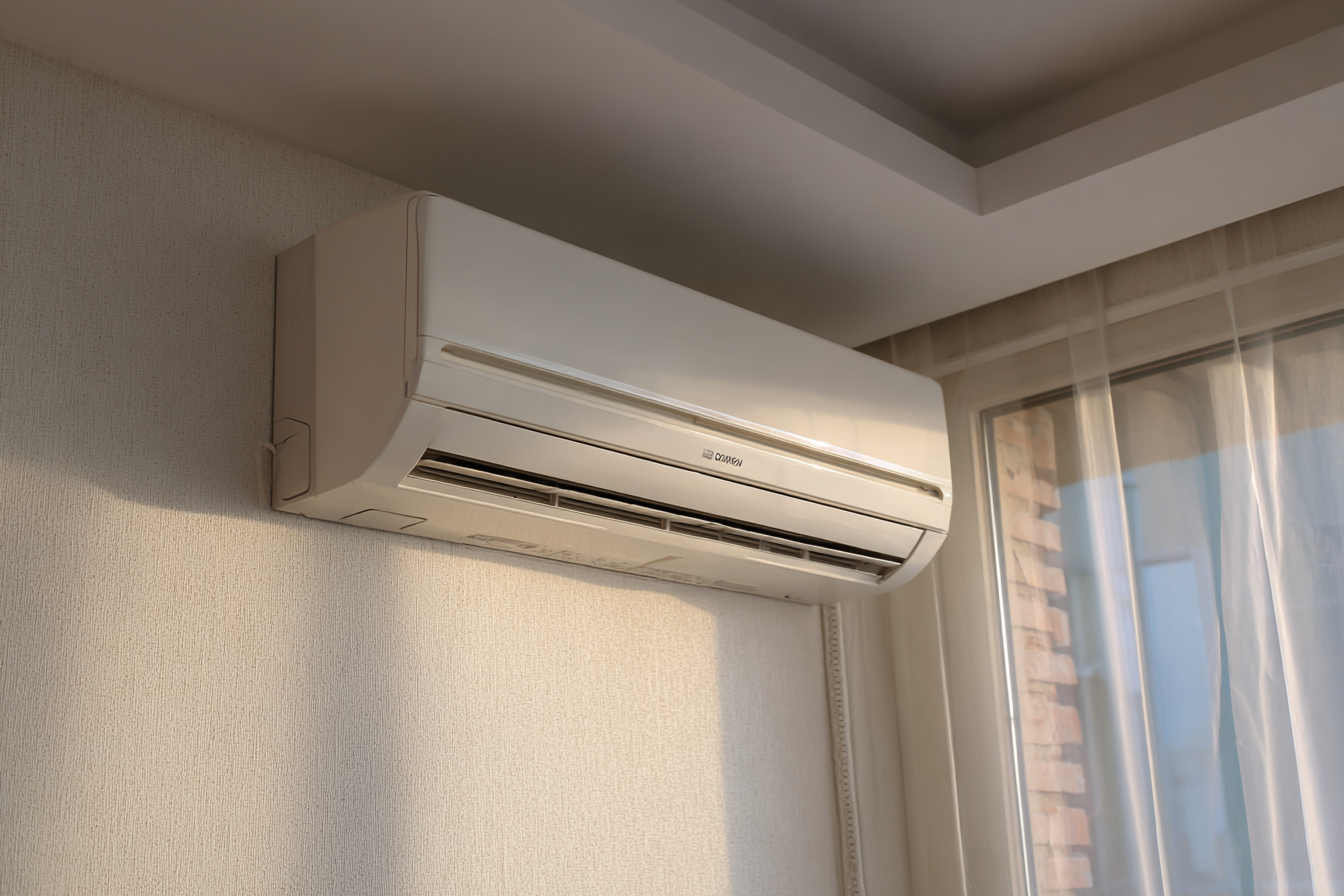
Ductless mini-splits
Ductless units suit homes without ducts, additions, small rooms, and odd floor plans. You control each zone independently, and installation usually avoids major demolition. Quality Comfort Solutions installs these for older Yonkers homes without ductwork.
Tradeoffs:
- Visible indoor units that change room appearance
- Line-set routing through finished walls
- Limited heat movement between closed-off rooms
- Multiple zones often needed for whole-house comfort
- Small-room loads below the smallest unit's minimum output (a sizing issue NYSERDA flagged in urban housing)
Air-to-water and high-temperature heat pumps
These connect to radiators or radiant floors. Compatibility depends on emitter capacity, water temperatures, controls, and piping. NY DPS's review of four Upstate New York field sites found daily average COP below published steady-state ratings, citing defrost and cycling.
High-temperature models may help radiator homes, but they typically trade away some efficiency, and availability and operating costs vary. They aren't a universal fix.
Ground-source (geothermal)
DOE describes ground-source systems as more efficient than air-source and less dependent on outdoor temperature. The catch is the site: land, drilling or loop installation, and complexity. Evaluate it as a full site and financial project. Poor insulation or a cold climate alone isn't a reason to choose it.
Hybrid and supplemental systems
A heat pump can run alongside an existing furnace or boiler, taking most of the load in milder weather while the furnace covers the coldest days. That suits homes where full conversion is impractical or where you want a phased retrofit.
Ask about control strategy, backup fuel or electric resistance use, outage planning, and whole-house coverage. Quality Comfort Solutions designs hybrid setups for older homes that need that flexibility.

Installation, Cost, and Decision Checklist
What a good process looks like
- Home and existing-equipment assessment
- Heat-loss calculation
- Distribution review (ducts, radiators, zoning)
- Electrical evaluation
- System selection and a written scope
- Permits and installation
- Startup testing with airflow or water-flow verification
- Homeowner instructions and a maintenance plan

ENERGY STAR warns that poor airflow can cut efficiency, raise bills, and shorten equipment life, so airflow and refrigerant-charge checks matter.
A licensed contractor should walk this process with you on site. Quality Comfort Solutions provides licensed and insured heat-pump installation, with free, no-obligation estimates for homeowners in Yonkers and Westchester County. Call (917) 727-4822.
What it costs
Square footage alone can't produce a reliable quote. For reference, Rewiring America's estimates put whole-home systems in 1,500-2,500 sq ft homes at $17,000-$23,000 (median $19,500) installed, and single-zone systems at $5,400-$8,500.
That data draws mainly on Massachusetts and California, so treat it as a benchmark only.
Ask bidders to itemize:
- Equipment and labor
- Electrical upgrades (NREL cites $2,000-$30,000 for service, panel, or transformer work; not typical on every job)
- Duct or radiator changes
- Insulation and air sealing
- Permits, controls, and removal of old equipment
Incentives
The federal 25C credit doesn't apply to property placed in service after December 31, 2025, per the IRS.
Local and state options still matter:
- NYS Clean Heat lists Con Edison rebates for eligible cold-climate systems, up to $10,000 for a new whole-home system through a participating contractor
- Amounts vary by utility and project, so confirm on the current program page
- A geothermal credit of 25%, capped at $10,000, exists under New York tax rules
Compare total ownership
Weigh more than sticker price:
- Service life (NYSERDA cites about 15 years for air-source units)
- Maintenance every 1-2 years
- Local electricity and fuel prices
- Cooling capability, emissions, and backup needs
Compare those totals against a new furnace or boiler, ductless, or hybrid. NREL's modeled analysis found bill savings in 95-100% of cases for homes switching from electric resistance, oil, or propane, but a much wider range for gas homes. Those are model results, not a Westchester bill comparison.

Questions to ask installers
- How did you size this system, and can I see the load calculation?
- What's its rated output at our design temperature?
- Are my ducts or radiators adequate, and what changes are needed?
- How will you verify airflow or water flow at commissioning?
- What do the warranties cover, and how do terms vary by model?
- What maintenance is needed, and what are the projected operating costs?
Frequently Asked Questions
How much does it cost to install a heat pump in a 2000 sq. ft. house?
Area alone can't set the price. Rewiring America's 2024 benchmark is $17,000-$23,000 for 1,500-2,500 sq ft homes, but heat loss, electrical work, duct changes, and incentives move it.
How long do heat pumps last in a house?
NYSERDA gives a typical air-source lifespan of 15 years. A 2023 California study estimated 23 years from limited data. Installation quality, climate, and maintenance matter.
Are heat pumps any good in old houses?
Yes, when sized from a real heat-loss calculation and installed well. Insulation, air leakage, distribution, and cold-weather output decide the result.
Can a heat pump warm a whole house?
It can if capacity, distribution, and insulation line up with your design temperature. Some homes use zoning or planned backup heat.
What is the most efficient heating system for an old house?
No single winner exists. Ground-source is generally more efficient than air-source, but site, cost, envelope, distribution, and utility rates all shift the answer.
Where should you not put a heat pump?
Avoid spots that block airflow, collect snow or water, hinder service access, or sit near bedrooms or neighbors' windows. Follow manufacturer clearances, local codes, and historic-district rules.