Heating, ventilation, and air conditioning (HVAC) systems are essential for maintaining comfort and air quality in both residential and commercial spaces. According to the U.S. Department of Energy, an efficient HVAC system can lower your energy bills by up to 30% while reducing environmental emissions. To ensure your system continues to run efficiently, regular maintenance is crucial. Proper upkeep not only extends the lifespan of your HVAC system but also helps prevent costly repairs, ensuring optimal performance year-round.
This guide will walk you through the importance of HVAC maintenance, providing actionable tips and a detailed checklist to ensure your system stays in top shape year-round.
Quick Glance
HVAC maintenance is essential for ensuring that your heating and cooling systems operate efficiently, which helps reduce energy costs and prevent unexpected breakdowns. Proper care can extend the lifespan of your system, saving you money on expensive repairs and replacements.
Key HVAC maintenance tasks include changing air filters regularly, cleaning coils and fins, checking refrigerant levels, and inspecting ductwork for leaks to ensure optimal performance and efficiency.
Commercial HVAC systems require additional attention due to their complexity and size. Businesses should schedule regular inspections at least twice a year, calibrate thermostats regularly, and maintain air quality through air purifiers or UV light systems. Proper HVAC care is essential for ensuring employee comfort and customer satisfaction.
Professional HVAC services are necessary for comprehensive inspections, allowing technicians to identify hidden issues and prevent larger, costly repairs. Professionals also handle tasks like checking electrical components, cleaning hard-to-reach areas, and ensuring that all parts function properly.
Quality Comfort Solutions offers customized HVAC maintenance plans for both residential and commercial properties. Their services include regular inspections, seasonal tune-ups, emergency repairs, and priority service during peak seasons, ensuring your system remains in top condition year-round.
Why HVAC Maintenance Is Crucial
Regular HVAC maintenance is essential to ensuring that your heating and cooling systems continue to perform efficiently, saving you money, extending their lifespan, and reducing the likelihood of unexpected breakdowns. Here’s why routine HVAC care should be a top priority:
Reduces Energy Costs
Regular maintenance ensures your system operates efficiently, reducing energy waste and lowering your utility bills. Clogged filters, dirty coils, and faulty components can force your HVAC system to work harder, leading to higher energy consumption.
Prevents Major Repairs
By conducting regular tune-ups and inspections, you can catch small problems before they escalate into costly repairs. Early detection of issues such as refrigerant leaks, motor problems, or ductwork issues can save you money and prevent system breakdowns.
Extends System Lifespan
An HVAC system that’s properly maintained can last for 15-20 years, depending on the type and usage. Routine care, such as cleaning filters and checking refrigerant levels, helps your system function at its best for longer.
The Essential HVAC Maintenance Checklist for Homeowners
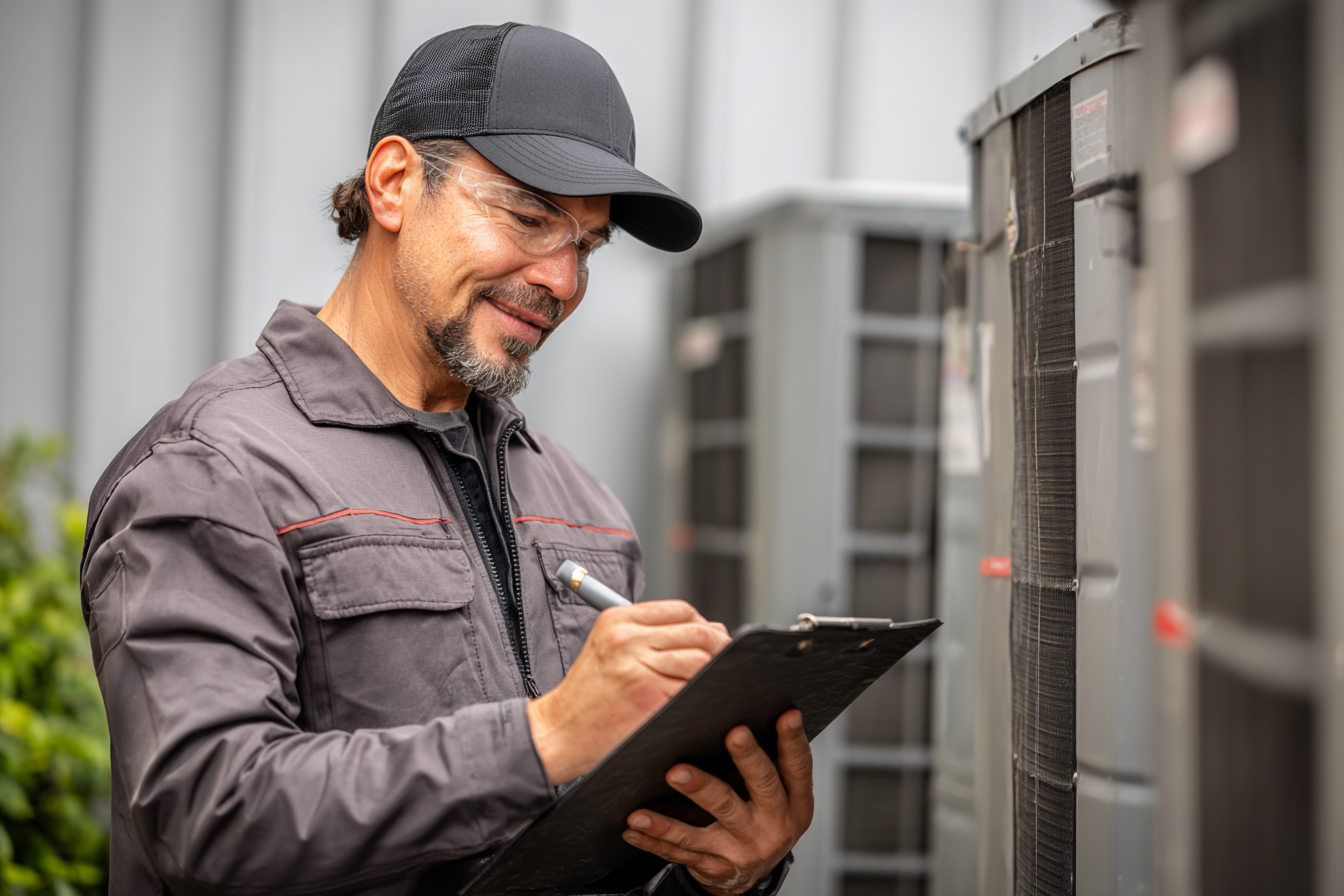
Proper HVAC maintenance is essential to ensure your home remains comfortable year-round while avoiding costly repairs. Regular maintenance helps your system run efficiently, providing consistent heating and cooling while extending the life of your equipment. Here’s a tailored checklist for homeowners to keep their HVAC system in top shape:
Change Air Filters Regularly
Air filters are a critical component of your HVAC system, as they help maintain good air quality and improve system efficiency. When filters become clogged with dust and debris, they restrict airflow, forcing the system to work harder. This results in higher energy consumption and can lead to system strain.
Tip: Change your air filters every 1-3 months. If you have pets or allergies, you might need to change them more frequently.
Clean the Coils and Fins
Over time, dirt, dust, and debris can accumulate on the coils and fins of your HVAC system. This buildup reduces efficiency by restricting airflow, making it harder for your system to maintain the desired temperature. Cleaning the coils and fins once a year helps prevent this buildup and improves airflow.
Tip: You can clean the coils with a brush or hose, but for hard-to-reach areas, it’s best to call in a professional to do a thorough job.
Inspect Ductwork for Leaks
Ductwork is responsible for distributing heated or cooled air throughout your home. Leaks in the ducts can result in wasted energy and uneven temperature distribution, causing your HVAC system to work harder to maintain comfort. Regularly inspect your ducts for leaks and have them sealed to ensure optimal airflow and efficiency. Proper duct maintenance can significantly improve your system’s performance and reduce energy waste.
Tip: Inspect your ducts for visible cracks or holes, and seal any leaks you find with duct tape or mastic sealant. Consider scheduling a professional inspection if your ducts are difficult to access.
Check the Condensate Drain
The condensate drain helps remove moisture created during the cooling process. Over time, the drain can become clogged with dirt or algae, causing water damage to your system or home. Regularly checking and clearing the drain will help maintain proper drainage and prevent water buildup.
Tip: Use a wet/dry vacuum to clear the condensate drain line, or pour a cup of vinegar down the drain to keep it free of algae and mold.
Lubricate Moving Parts
The moving parts of your HVAC system, such as the blower motor and fan, require proper lubrication to reduce friction and wear. If these components are not lubricated, it can lead to breakdowns and costly repairs.
Tip: During regular maintenance, apply lubricant to all moving parts. If you’re unsure, a professional technician can perform this task during your annual HVAC checkup.
While these maintenance tasks are crucial for keeping your HVAC system in top shape, commercial properties have slightly different needs due to the complexity and scale of their systems. Let’s explore what business owners should consider when it comes to HVAC maintenance.
HVAC Maintenance Tips for Businesses
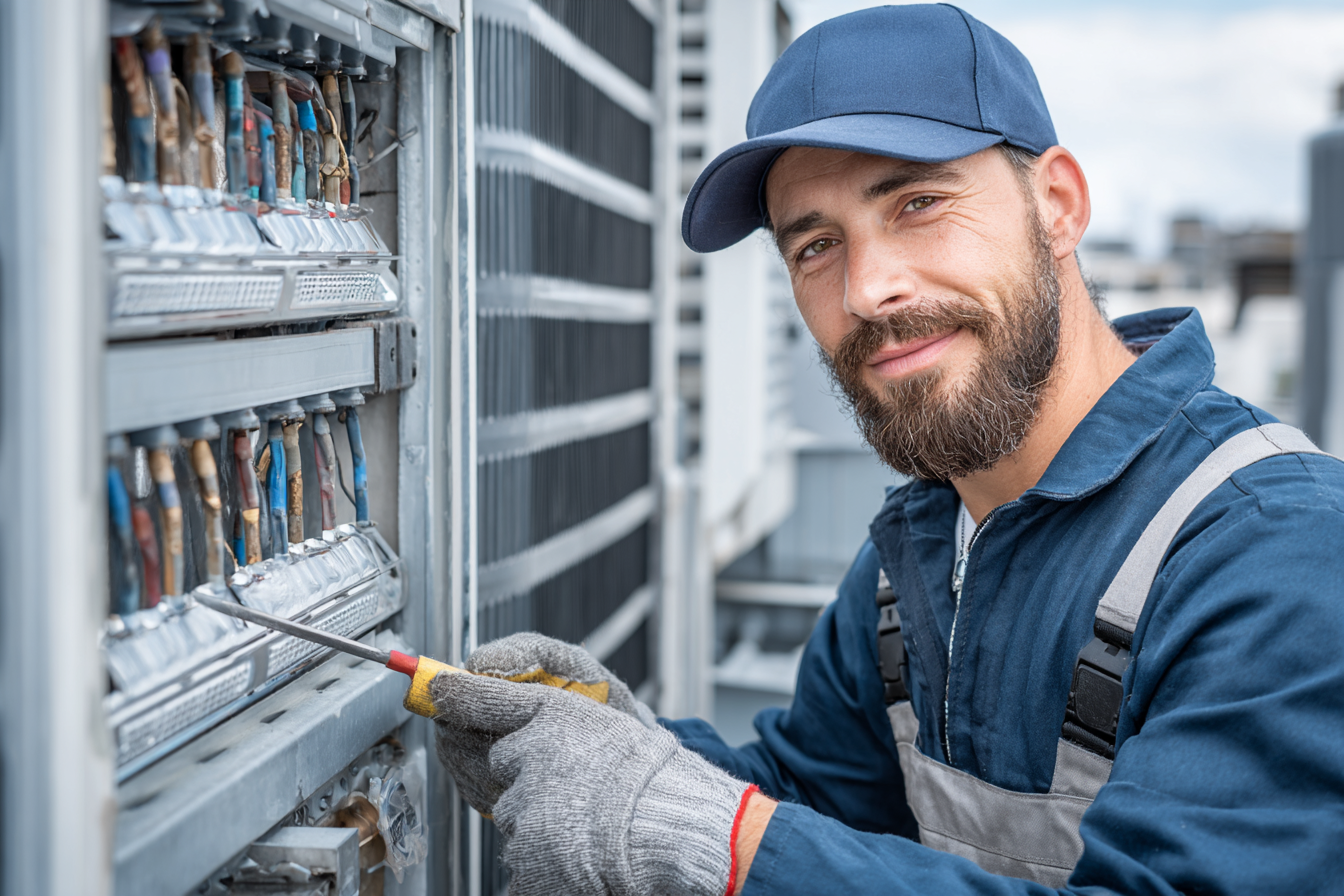
For businesses with larger or more complex HVAC systems, maintaining efficiency and compliance is essential. Regular maintenance ensures that your system runs smoothly, keeping your employees and customers comfortable while preventing costly breakdowns. Here are some key HVAC maintenance tips tailored for commercial spaces:
Schedule Regular Commercial HVAC Inspections
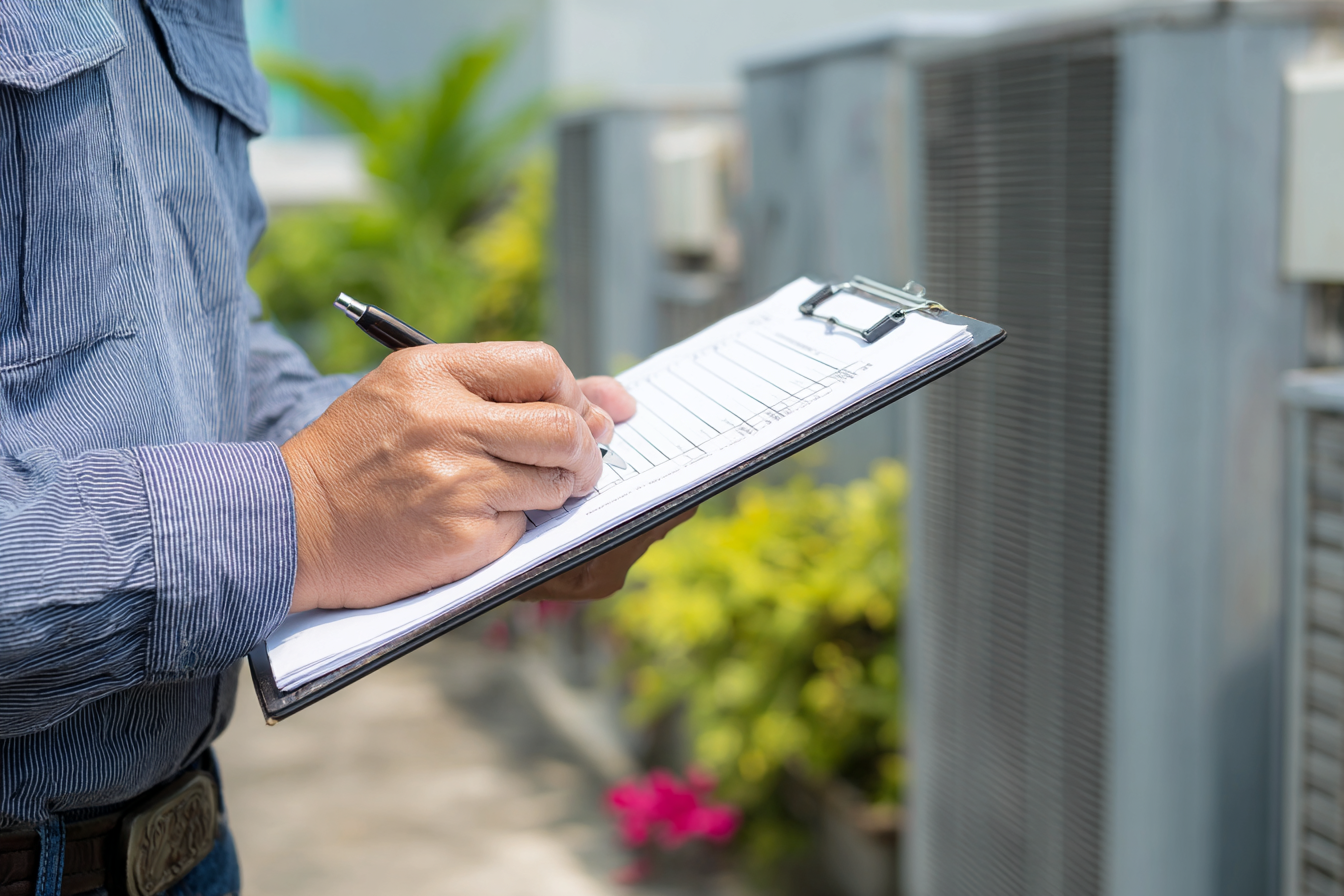
Businesses with larger HVAC systems or multiple units should have professional inspections at least twice a year. These inspections ensure that your systems are operating efficiently and meet all necessary commercial building regulations. A professional technician will check the condition of your system’s components, identify potential issues, and ensure everything is working as it should.
Tip: Regular inspections help prevent unexpected system failures and ensure your HVAC system meets any local compliance requirements.
Maintain Thermostat Calibration
In business settings, precise temperature control is vital for both employee productivity and customer satisfaction. Regularly calibrating your thermostats ensures consistent temperature settings and optimal energy efficiency. Without proper calibration, your system may overwork or underperform, resulting in wasted energy and discomfort.
Tip: For commercial spaces like offices, retail stores, and restaurants, it's essential to regularly check and calibrate thermostats to maintain the right environment while keeping energy costs down.
Prioritize Air Quality and Ventilation
Good air quality plays a significant role in both employee productivity and customer comfort, especially in commercial settings. Regularly maintaining air filters and cleaning the ductwork helps reduce the buildup of dust, allergens, and pollutants. In high-traffic areas like hospitals, restaurants, or fitness centers, installing air purifiers or UV light systems can further improve air quality.
Tip: For industries such as hospitality and healthcare, consider investing in advanced air filtration systems to ensure a clean, healthy environment for both staff and customers.
Monitor Refrigerant Levels
Refrigerant plays a critical role in your cooling system's performance. Low refrigerant levels can cause your system to run inefficiently and could result in a system failure. Regularly checking refrigerant levels as part of your maintenance routine helps avoid performance issues.
Tip: If you notice that your cooling system isn’t performing as well as it should, it might be a sign that the refrigerant levels need to be checked or refilled.
Check Insulation
Proper insulation is vital to keeping conditioned air inside your business and preventing it from escaping. Over time, insulation may degrade or become damaged, reducing your system's efficiency.
Tip: Check insulation around ducts, pipes, and equipment to ensure it's intact. If necessary, replace or add additional insulation to improve efficiency and lower energy costs.
While DIY maintenance is important, professional services are often needed to ensure your system is running at peak performance. Here's what to expect from a professional HVAC service.
Why Do You Need Professional HVAC Maintenance Services
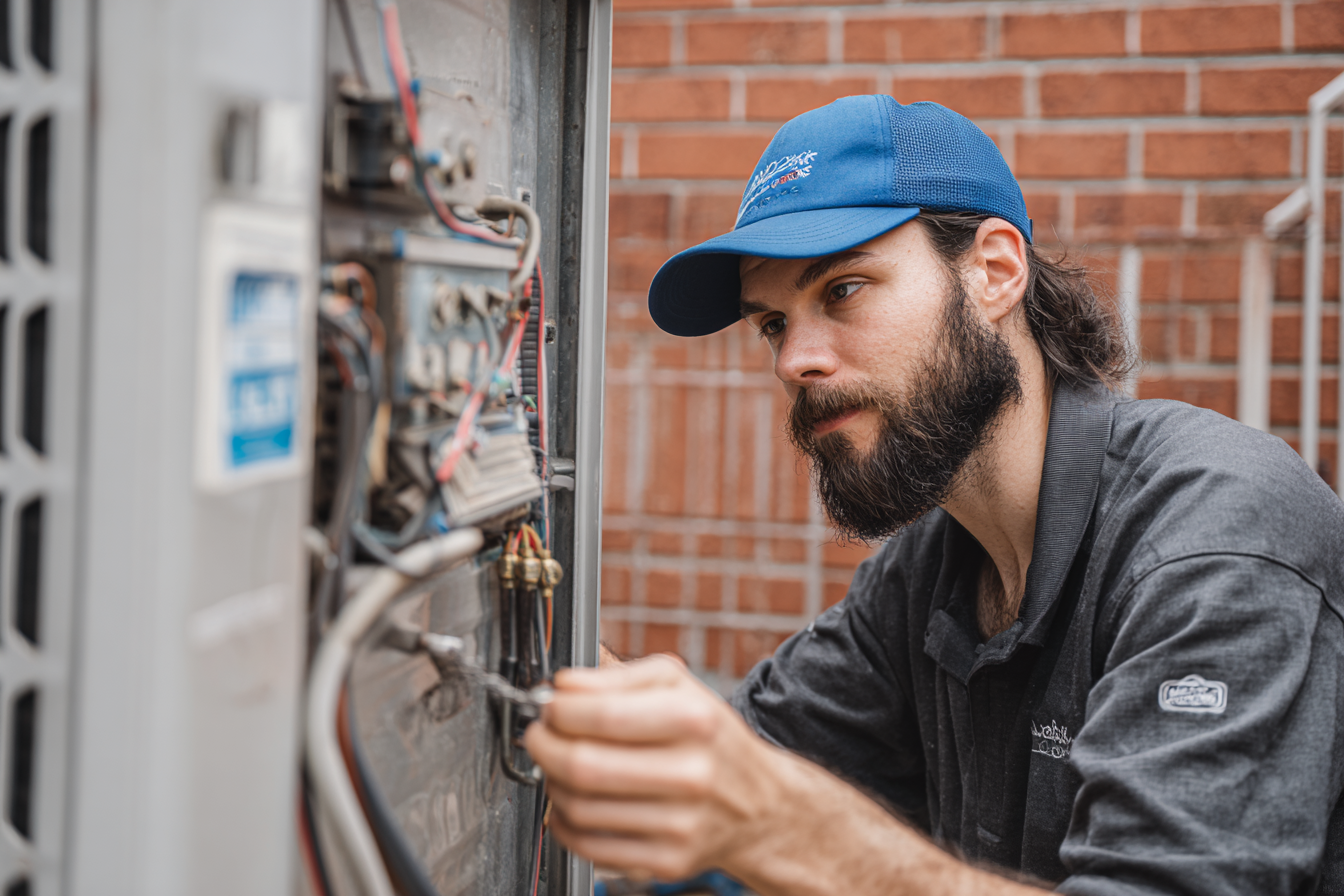
While you can handle some basic HVAC maintenance tasks yourself, professional HVAC services provide the expertise and thoroughness needed to keep your system running efficiently.
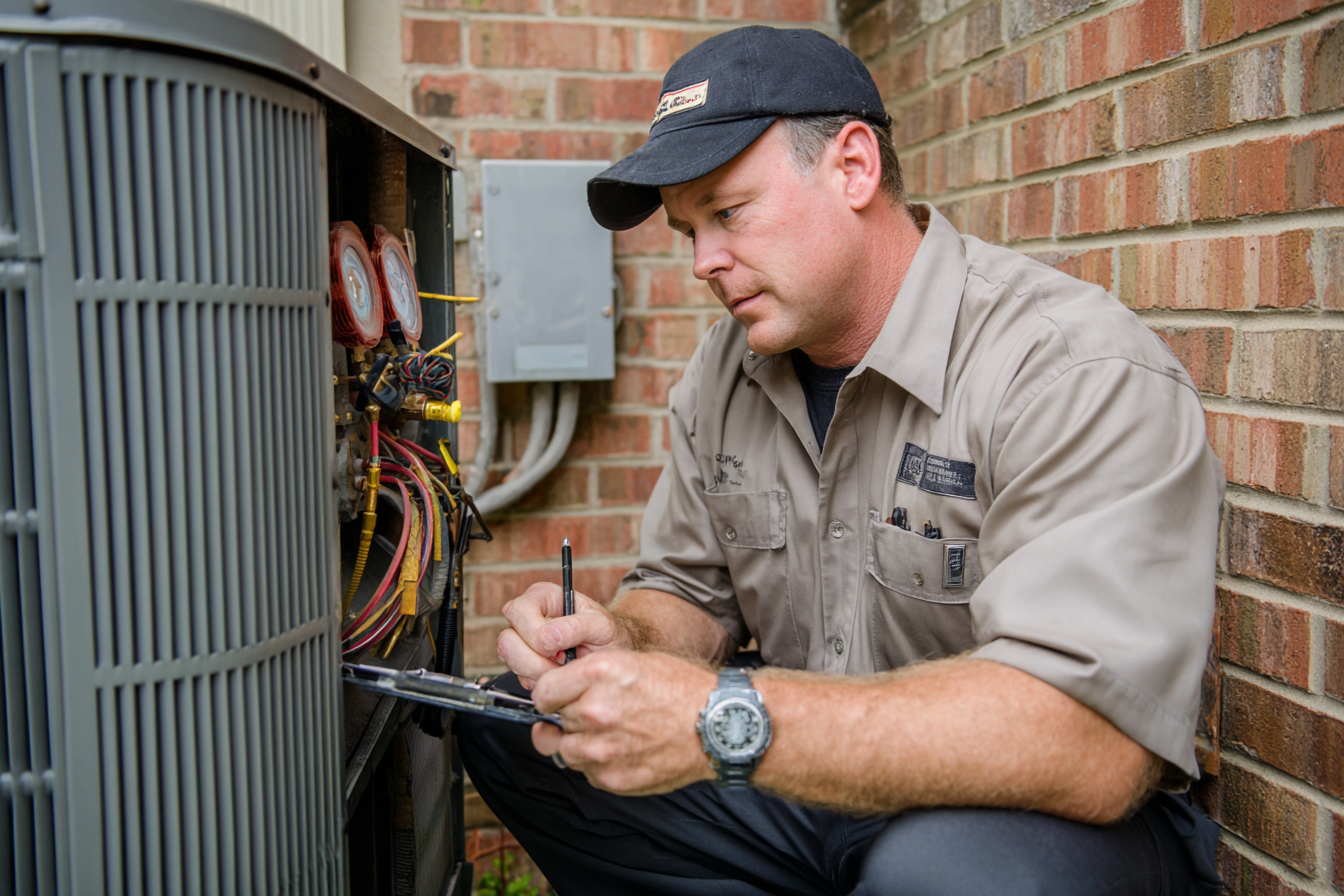
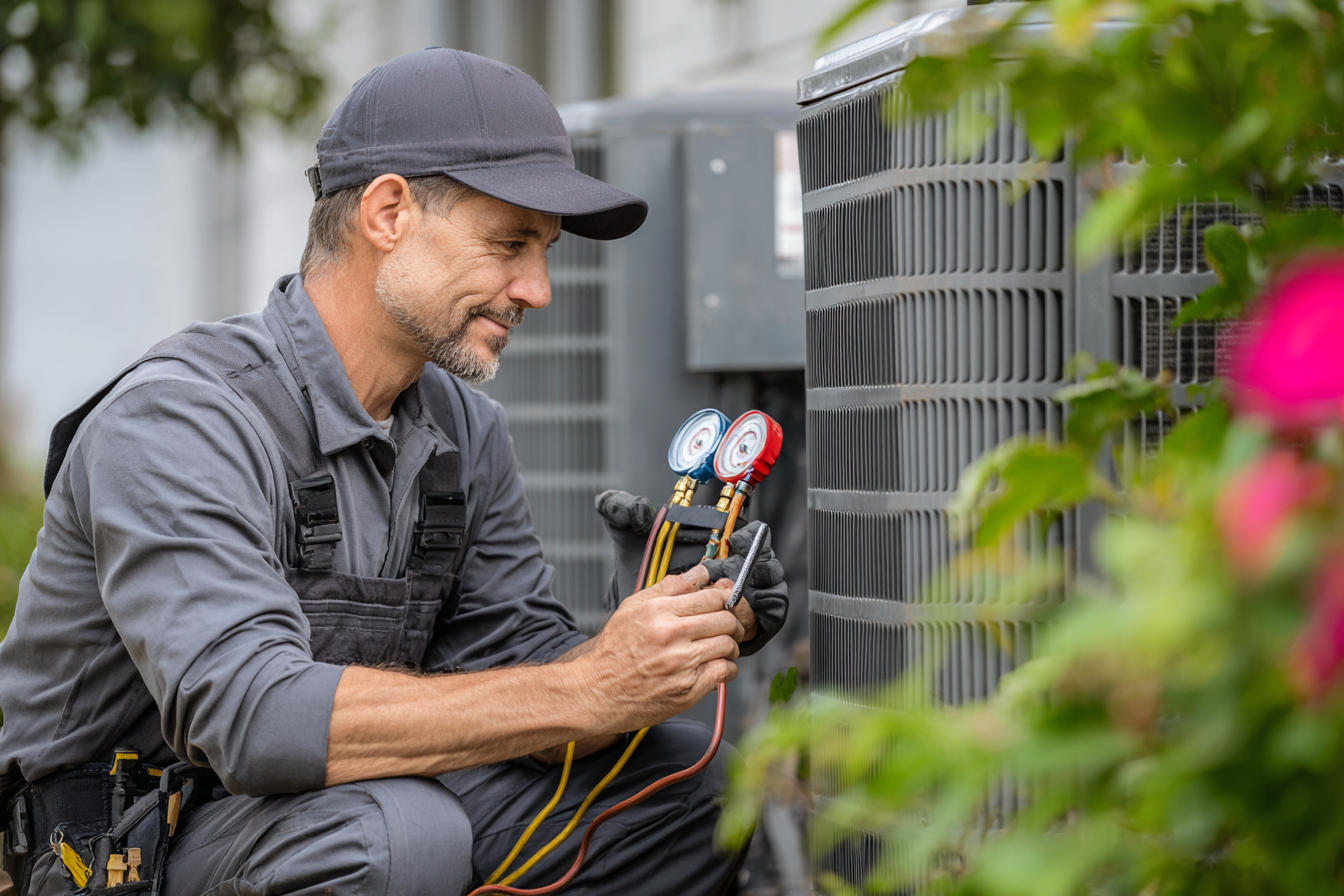
Professional HVAC technicians are trained to identify potential issues that may not be visible during routine inspections. Their expertise allows them to detect minor problems before they become major, costly repairs. From checking refrigerant levels to inspecting electrical components, professionals can perform comprehensive maintenance checks to ensure your system operates smoothly and efficiently.
Here are the benefits:
Early detection of hidden issues
Specialized knowledge for complex systems
Safe and thorough system checks
Improved system performance and energy efficiency
When to Call for Emergency Repairs
While regular maintenance can help prevent issues, emergencies can still arise. If you experience any of the following, it's time to call a professional:
Sudden System Failure: If your HVAC system stops working unexpectedly, it could be due to a serious problem. Contact a professional technician immediately to diagnose and fix the issue.
Strange Noises or Odors: Unusual sounds like grinding, squealing, or banging, or unfamiliar smells, could indicate a malfunctioning part or system. Call a technician to inspect and resolve the issue.
Inconsistent Airflow or Temperature: If certain rooms aren’t getting enough heat or cool air, or the temperature is inconsistent, your HVAC system may need professional attention to diagnose the problem.
Understanding the importance of professional HVAC services and knowing when to call a technician can save you from costly repairs and discomfort.
Why Choose Quality Comfort Solutions for Your HVAC Maintenance Needs
Quality Comfort Solutions provides expert HVAC maintenance services in Yonkers and Westchester County, NY, including regular inspections, seasonal tune-ups, and priority service during peak seasons, ensuring that the HVAC system operates smoothly when it’s needed the most.
The team at Quality Comfort Solutions is licensed, insured, and dedicated to optimizing the efficiency of HVAC systems year-round. Whether it’s a routine seasonal tune-up or emergency repairs, the experienced and knowledgeable technicians are committed to keeping systems in top condition.
Maintenance & Repair Services
Keep your HVAC systems running smoothly with professional maintenance and fast, reliable repairs. From seasonal checkups to emergency fixes, we handle all your system needs, ensuring your comfort never gets interrupted.
Custom Installations
Upgrade your home or business comfort with professional HVAC installations. We specialize in installing boilers, furnaces, heat pumps, ductless systems, and central air systems, all customized to fit your unique space and efficiency needs.
Residential & Light Commercial Services
We serve both residential and light commercial properties with expert heating and cooling solutions. Free estimates are included with all of our services, so you can make informed decisions about your HVAC system.
Conclusion
Routine HVAC maintenance is essential for keeping your system running efficiently, extending its lifespan, and avoiding expensive repairs. By following the tips and checklist in this guide, you can ensure that your heating and cooling systems continue to provide reliable comfort year-round. Whether you need DIY tips or professional assistance, Quality Comfort Solutions is here to help with expert HVAC services in Yonkers and Westchester County.
Contact Quality Comfort Solutions today for a free estimate on HVAC maintenance services and ensure your system stays in peak condition all year long!
FAQs
What does HVAC maintenance include?
HVAC maintenance typically includes tasks such as changing air filters, cleaning coils, checking refrigerant levels, inspecting ducts for leaks, and ensuring the system’s overall efficiency.
How often should HVAC maintenance be performed?
It’s recommended to have HVAC maintenance performed twice a year: once in the spring for your cooling system and once in the fall for your heating system.
Can I perform HVAC maintenance myself?
Some basic tasks, like changing air filters and cleaning vents, can be done by homeowners. However, for more complex inspections and services, it’s best to hire a professional.
What are the signs that my HVAC system needs maintenance?
Common signs include inconsistent temperatures, strange noises, higher energy bills, and poor airflow. If you notice any of these, it’s time to schedule a maintenance visit.
How long does an HVAC system last?
On average, an HVAC system can last 15–20 years with proper maintenance. Regular servicing helps extend its lifespan and ensures it operates efficiently.