Heating and cooling account for nearly half of the average home’s energy use, so choosing the right HVAC system makes a major difference in cost and comfort.
With multiple system types and efficiency ratings available, knowing where to start can feel overwhelming.
This guide explains how to choose heating and air conditioning system configurations based on the size of your home, fuel type, and local climate demands, helping you make a smart, long-lasting investment.
Before we dive in
The right HVAC system depends on your home’s size, layout, insulation, and ductwork.
Local climate in Westchester demands both strong heating and humidity-controlled cooling.
Efficiency ratings (SEER2, AFUE, HSPF2) heavily influence monthly utility costs
Installation quality, thermostat placement, and proper sizing are just as important as the equipment.
Avoid mismatched components and outdated ductwork; they undermine system performance.
A professional system assessment ensures comfort, efficiency, and long-term reliability.
Understand Your Home’s Needs First

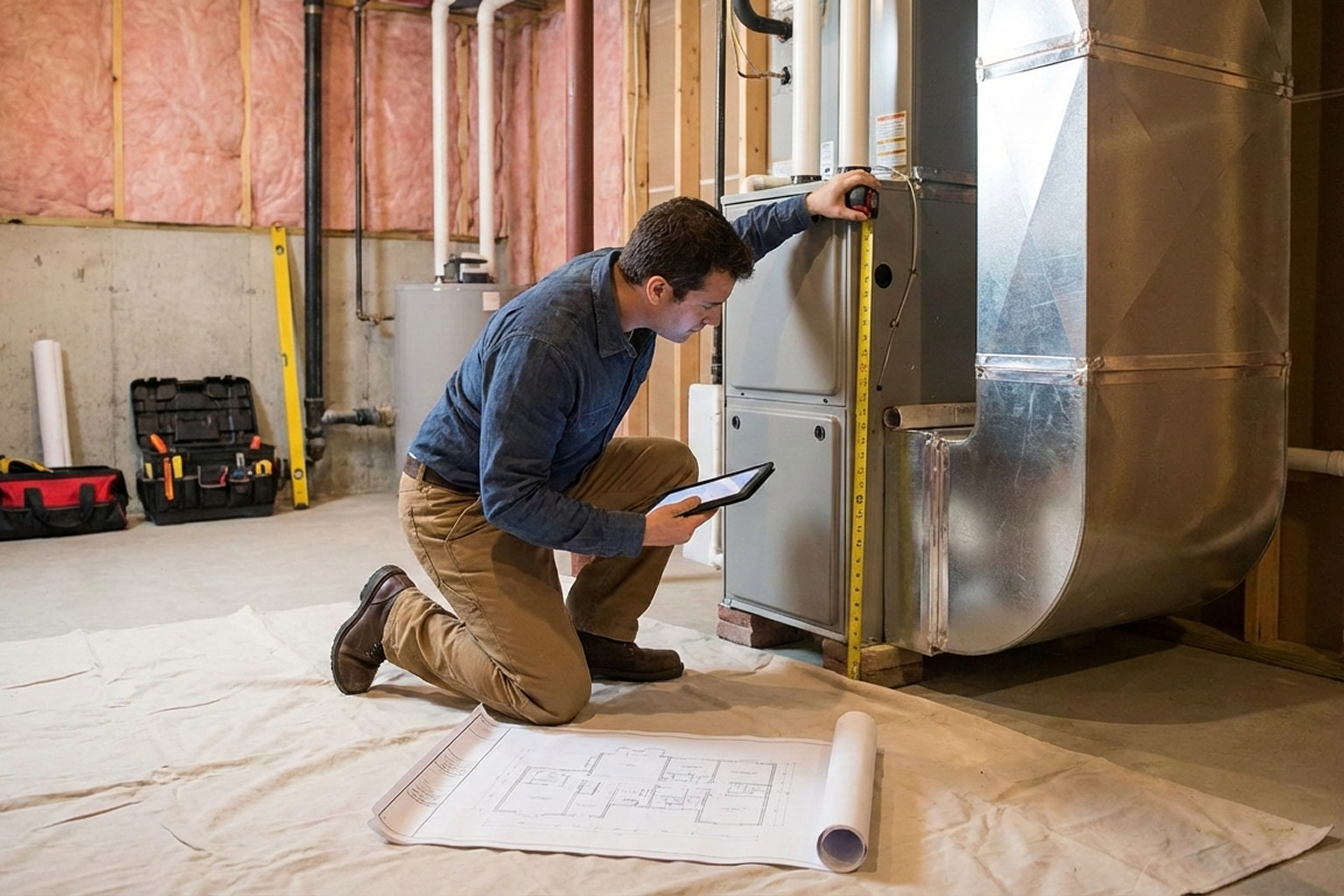
Before comparing system types or prices, the first step in choosing heating and air conditioning system options is evaluating what your home actually requires. Every home performs differently, and factors like layout, age, and insulation levels determine how hard your HVAC system must work.
Below are the core elements that influence the right choice for a home in Westchester County or Yonkers, NY:
1. Home Size and Layout
The amount of living space influences system capacity and comfort distribution.
Larger homes or multi-level layouts may need multiple zones or a higher-capacity system to maintain even temperatures throughout the home.
Older homes with smaller, closed-off rooms may require strategic airflow planning for consistent heating and cooling.
2. Insulation and Air Sealing
How well your home retains conditioned air affects energy demand.
Poor insulation forces the system to run longer, which raises utility costs and accelerates component wear.
Improving insulation or sealing air leaks allows for a more efficient, properly-sized system.
3. Existing Ductwork Condition
Current ductwork plays a major role in how your system performs.
Damaged or leaky ducts can waste up to 20–40% of conditioned air, reducing comfort and efficiency.
Homes without ducts, common in older neighborhoods, may be better suited for ductless systems that deliver room-by-room comfort.
4. Local Climate Conditions
Your HVAC must be able to handle the region’s weather extremes.
Westchester County winters require reliable, high-capacity heating, not just basic backup heat.
Summer humidity demands a cooling system that controls moisture effectively to prevent discomfort.
5. Long-Term Energy Efficiency Goals
A system should provide both comfort and cost-effectiveness.
Higher-efficiency equipment typically has a higher upfront cost but lowers monthly energy bills.
Options like smart thermostats and zoning significantly improve comfort control and overall savings.
The more accurately your home’s needs are identified, the more confidently you can invest in a heating and cooling system that performs well, lasts longer, and keeps costs manageable.
Types of Air Conditioners for Homes in Westchester County

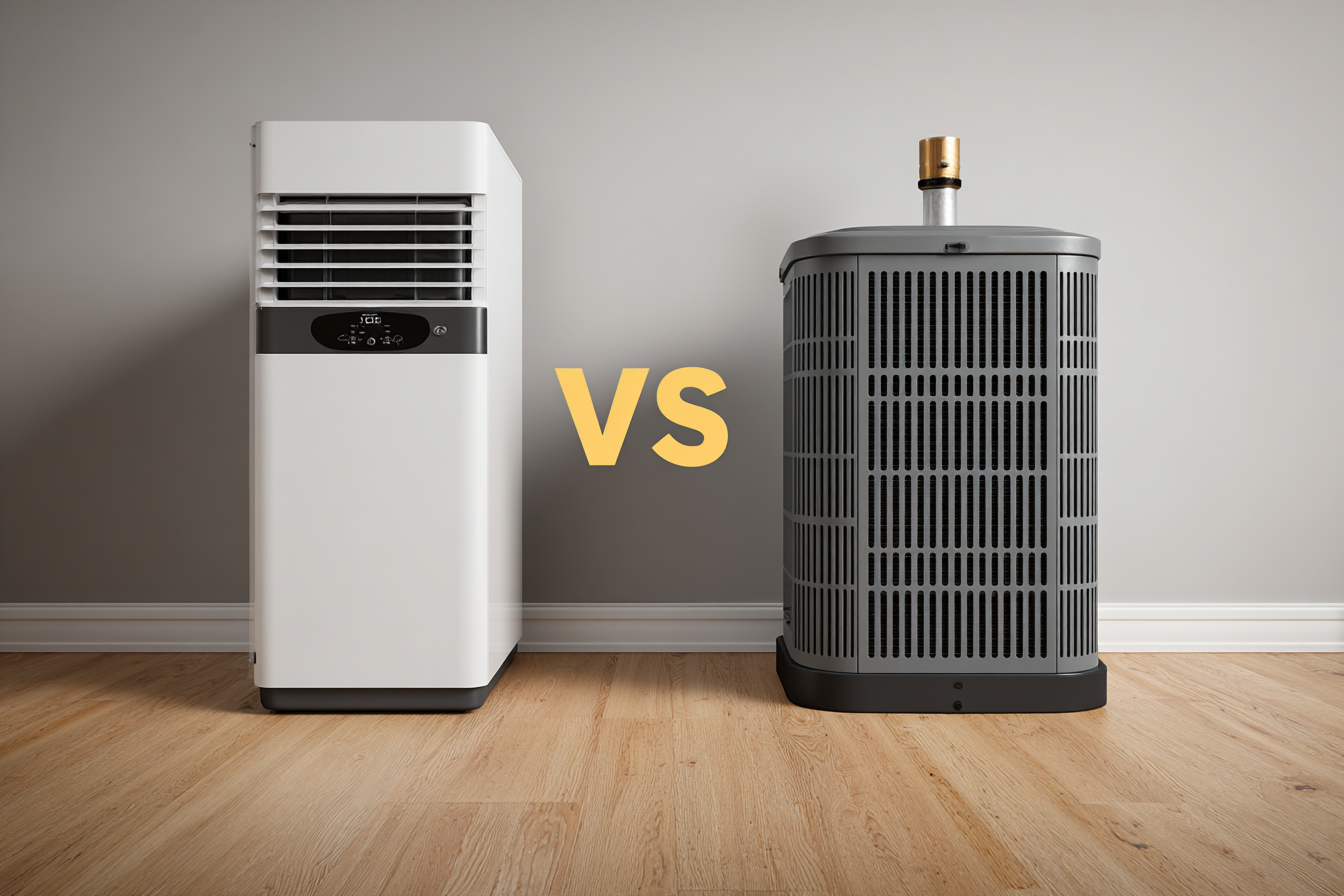
When deciding how to choose heating and air conditioning system options, it helps to understand the different types of air conditioners available and which ones make the most sense for New York homes. Factors like ductwork condition, home age, indoor air quality needs, and layout determine whether one system will work better than another.
Below are the most commonly installed AC systems for homes in Yonkers and across Westchester County:
AC Type | Best Fit For | Notes on Use | Most Common In |
Central Air Conditioning | Homes with existing ductwork | Great for whole-home, even cooling | Single-family homes in Yonkers, Scarsdale, and White Plains |
Ductless Mini-Splits | Older homes without ducts, additions, and room-specific comfort | Offers independent temperature zones | Pre-war buildings in Yonkers, Mount Vernon, and Tarrytown |
Air-Source Heat Pumps | Homes wanting one system for both heating and cooling | Efficient year-round; handles humidity well | Well-insulated homes across Westchester County |
Window / Wall Units | Apartments, rentals, small spaces | Affordable for spot cooling or temporary needs | Urban apartments near downtown Yonkers |
Hybrid (Dual-Fuel) Systems | Homes needing powerful winter heat + efficient cooling | Automatically switches between fuel types for savings | Larger suburbs and multi-level homes |
Make the right choice for year-round comfort. Contact Quality Comfort Solutions today for expert HVAC recommendations you can trust.
Efficiency and Its Effect on Your Wallet
When you choose a more efficient air conditioning or heating system, it uses less energy to maintain comfort, which means lower utility bills and long-term savings.
When you’re deciding which system to install, one of the easiest metrics to consider is efficiency. In the U.S., HVAC efficiency is often measured by a rating called Seasonal Energy Efficiency Ratio (SEER).
Getting to Know the SEER Rating
What is SEER?: SEER represents the ratio of total cooling output of an air conditioner over a typical cooling season to the total amount of energy it consumes during that time. In other words, it shows how much cooling you get for each unit of electricity used.
Why higher SEER means better efficiency: The higher the SEER rating, the more efficiently the unit performs: it cools more while using less energy.
How standards have changed over time: In past decades, many AC units had SEER ratings in the range of 6–10. Today, due to U.S. regulatory standards, all new air conditioning units must have a minimum SEER rating of 14.
Is a Higher SEER Rating Always the Best Choice?
Choosing a high-SEER unit offers clear advantages, but it’s not always the perfect solution for every home. Before deciding to spend more up front for maximum efficiency, consider these factors:
Pros of High-SEER Units:
Lower electricity bills and energy consumption, especially if the AC runs frequently during hot, humid summers.
Better long-term savings: over 10–15 years, energy savings can outweigh the higher initial cost.
More advanced comfort and modulation features: many high-SEER units offer variable-speed compressors or smart controls, resulting in consistent temperatures, quieter operation, and reduced component wear.
Potential Tradeoffs / Considerations:
Higher upfront cost, the most efficient units can cost significantly more at installation.
Proper sizing is critical: a high-SEER system that is oversized or incorrectly installed may still underperform or waste energy.
The efficiency benefit is more pronounced in regions with long cooling seasons; in areas with mild summers or shorter cooling periods, the payback period may be more extended.
What to Do Instead of Just Chasing SEER
Rather than selecting a system solely based on its SEER number:
Consult with an HVAC professional to ensure proper sizing and installation. A well-matched system often saves more energy than an oversized high-SEER unit.
Balance initial cost vs long-term savings: consider your home’s size, insulation, local electricity rates, and how often you run the AC.
Evaluate additional features (zoning, smart thermostats, airflow design) that improve comfort and may enhance efficiency even in moderate climates.
A Few More Key Factors to Consider Before Buying
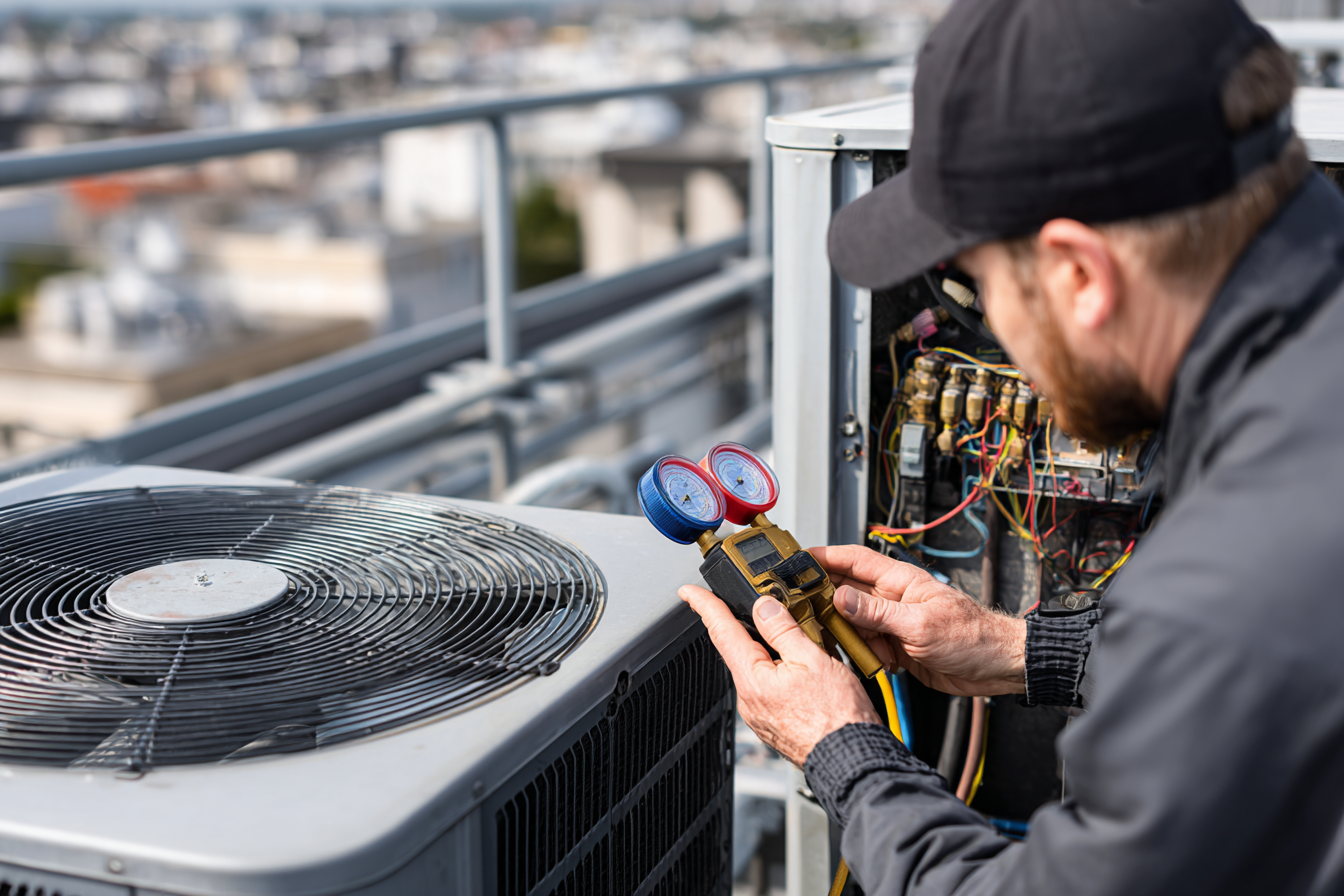
Once you understand your home’s needs and the main HVAC system types, the next step is evaluating how to choose heating and air conditioning system features that will impact comfort and operating costs over the long term.
Here are the most important factors to review before making a decision:
1. Fuel Type and Operating Cost
Utility rates and fuel availability influence long-term savings.
Gas furnaces are common in colder climates and offer intense, reliable heat
Heat pumps and electric systems reduce fuel dependency and may deliver year-round savings
Hybrid (dual-fuel) systems optimize fuel use automatically based on outdoor weather
2. Indoor Air Quality (IAQ) Requirements
Cleaner air equals better comfort and health, especially in older homes.
Features like humidification, dehumidification, advanced filtration, and ventilation help keep the air balanced and healthier.
Homeowners with allergies or asthma should prioritize high-MERV filters and cleaner airflow designs.
3. Smart Controls and Comfort Technology
Modern HVAC systems offer automation and better temperature precision.
Smart thermostats allow remote temperature control and personalized scheduling.
Variable-speed blowers and compressors ensure quieter operation and smoother airflow.
Zoning helps avoid heating/cooling rooms that don’t need it
4. Maintenance, Lifespan & Warranty
Future reliability matters just as much as first-day performance.
Check warranty coverage for parts, compressors, and labor
Ensure accessible installation for technicians to perform seasonal maintenance
Reliable systems reduce emergency repairs and extend equipment lifespan
Working through each factor with a trusted HVAC professional like Quality Comfort Solutions ensures you make a confident decision that will pay off in every season.
Common Mistakes You Can’t Afford to Ignore
Choosing a heating and cooling system isn’t just about picking a brand; several avoidable mistakes can lead to higher bills, constant repairs, and uneven comfort. Here are the issues homeowners most often regret after installation.
Common Mistakes You Can’t Afford to Ignore
Even with the right HVAC system type in mind, installation and configuration choices can make or break comfort and efficiency. These issues are often missed until problems arise later, and by then they’re costly to fix.
Not Planning for Humidity Control: If your system can’t remove moisture effectively, summers in Westchester feel sticky and uncomfortable, and mold issues can result.
Overlooking Electrical & Panel Requirements: Newer heat pumps and high-efficiency systems may require electrical upgrades; skipping this leads to tripped breakers and unsafe performance.
Pairing New Equipment With Outdated Components: Replacing only the AC or only the furnace can create a mismatched system that never reaches peak efficiency.
Poor Thermostat Placement: Thermostats installed near vents, kitchens, or windows read incorrect temperatures, causing constant cycling and uneven comfort.
Ignoring Noise Levels and Outdoor Placement: An improperly positioned outdoor unit can be disruptive and struggle to release heat, reducing performance and lifespan.
Not Reviewing Warranty Coverage and Installer Credentials: A great system with a poor installation can void warranties and lead to long-term reliability issues.
How Quality Comfort Solutions Helps You Choose the Right HVAC System
With so many heating and air conditioning options available today, choosing the right system can feel overwhelming. That’s where Quality Comfort Solutions makes the difference.
We help homeowners across Yonkers and Westchester County confidently select systems that fit their home, climate needs, and long-term budget.
Here’s what sets our approach apart:
In-Home Comfort Assessment: We evaluate your home’s insulation, ductwork, and layout to ensure the system you choose delivers even comfort throughout every room.
Customized System Matching: Whether you need a furnace + AC setup, a heat pump, or a ductless system, we recommend solutions built for New York’s climate, not generic one-size-fits-all models.
Expert Installation for Peak Performance: Proper installation is the key to efficiency and longevity. Our trained technicians ensure correct sizing, airflow balance, and thermostat setup from day one.
Local Support You Can Count On: We’re right here in your community, offering maintenance services that help keep your HVAC system running smoothly for years to come.
If you’re planning an upgrade or replacing an outdated unit, we’ll make sure you invest wisely and stay comfortable year-round.
Final Words
When you take the time to evaluate your home’s needs, understand system options, and avoid common selection mistakes, you set yourself up for years of reliable temperature control. Your home, your comfort, and your energy costs deserve a solution that’s tailored, not guessed.
If you’re upgrading or installing new HVAC equipment, Quality Comfort Solutions can help you compare the best options for homes in Yonkers and Westchester County. We’ll guide you through the decision, handle installation with precision, and support you long after the system is in place. Book your Call now!
Frequently Asked Questions (FAQs)
1. How do I know what size HVAC system my home needs?
A professional should perform a Manual J load calculation, which considers square footage, insulation, windows, and building design. Guessing leads to oversized or undersized equipment.
2. Are heat pumps efficient enough for New York weather?
Yes, cold-climate heat pumps are designed to perform well even in freezing conditions while also reducing energy costs throughout the year.
3. How long does a new HVAC system usually last in Westchester County?
On average 12–20 years, depending on maintenance, usage, and whether the installation was properly sized and configured.
4. Do ductless mini-splits work for whole-home solutions?
Absolutely. Multi-zone mini-split systems can efficiently heat and cool entire homes, especially where installing ducts isn’t ideal.
5. What’s the biggest mistake homeowners make when choosing a new system?
Focusing only on price or the equipment itself, ignoring ductwork, sizing, and installation quality leads to long-term efficiency and comfort issues.