Choosing the right furnace is one of the most important decisions for home heating. Furnaces are essential for maintaining comfort in cold weather, but the choice you make affects upfront costs, monthly energy bills, safety, maintenance, and even environmental impact.
In the broader heating equipment landscape, traditional combustion furnaces are still widely used. Gas furnaces accounted for about 45.1% of the U.S. residential heating equipment market in 2024.
However, rapid electrification is reshaping the industry as well. Electric heat pumps have outpaced gas furnace sales in 2025 by about 25% in the first half of the year.
In this guide, you’ll learn how these two types of systems work, what their strengths and weaknesses are, and which might be the best fit for your home based on budget, climate, and long‑term goals.
Key Points:
Gas furnaces heat faster and cost less to operate, especially in cold climates, but have higher installation and maintenance needs.
Electric furnaces are cheaper to install, safer, and require less maintenance, but operating costs can be higher with expensive electricity.
Electric units are nearly 100% efficient at the point of use, while modern gas furnaces reach up to ~95–98% AFUE efficiency.
Gas systems involve combustion and CO risks; electric systems avoid this but depend entirely on electricity and may heat more slowly.
Climate, fuel availability, upfront cost, and long-term energy prices should guide whether gas or electric heating suits your home.
How Furnaces Work: Electric vs Gas
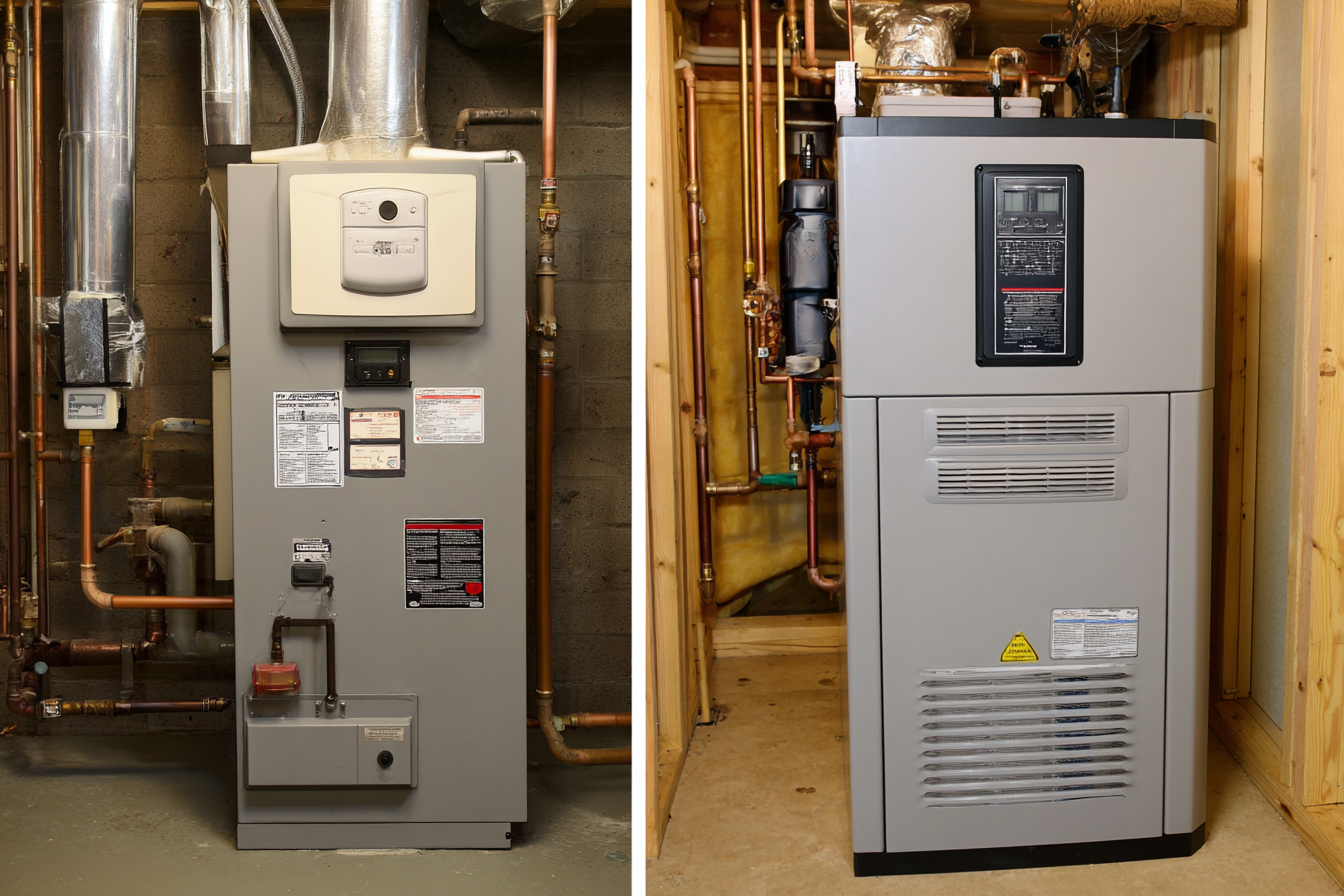
Understanding how each type of furnace works lays the groundwork for comparing their advantages and downsides. While both systems heat your home by warming air and distributing it through ductwork, the way they create that heat is quite different.
What Is an Electric Furnace?
An electric furnace produces heat using electrical resistance. When the thermostat signals for heat, electricity flows through metal heating elements (similar to the coils in large electric space heaters).
As electricity passes through these coils, they heat up rapidly due to resistance. A blower fan then forces cooler indoor air over these heated elements, warming it before pushing it throughout your home via ductwork.
Key characteristics of electric furnaces:
No combustion is involved as they don’t burn fuel or produce exhaust gases.
Simpler design with fewer moving parts and no need for a gas line or flue.
Point‑of‑use efficiency is high because nearly all electricity is converted into heat.
Electric furnaces are often quieter and easier to install, making them attractive in homes without existing natural gas infrastructure.
What Is a Gas Furnace?
A gas furnace generates heat by burning natural gas or propane. When the thermostat calls for warmth, a gas valve opens and the burner ignites the fuel in a combustion chamber. The hot combustion gases flow through a heat exchanger, transferring heat to the air circulating around it. A blower fan then distributes this warmed air through the home’s ductwork.
Key traits of gas furnaces:
They use combustion, so they require a gas supply line and a venting system (flue) to safely remove exhaust gases like carbon dioxide and water vapor.
The combustion process produces higher‑temperature air, making gas systems especially effective in very cold climates.
Because of the combustion and exhaust, gas furnaces need proper ventilation and safety controls to prevent hazards such as carbon monoxide buildup.
How Heat Distribution Works in Both Systems
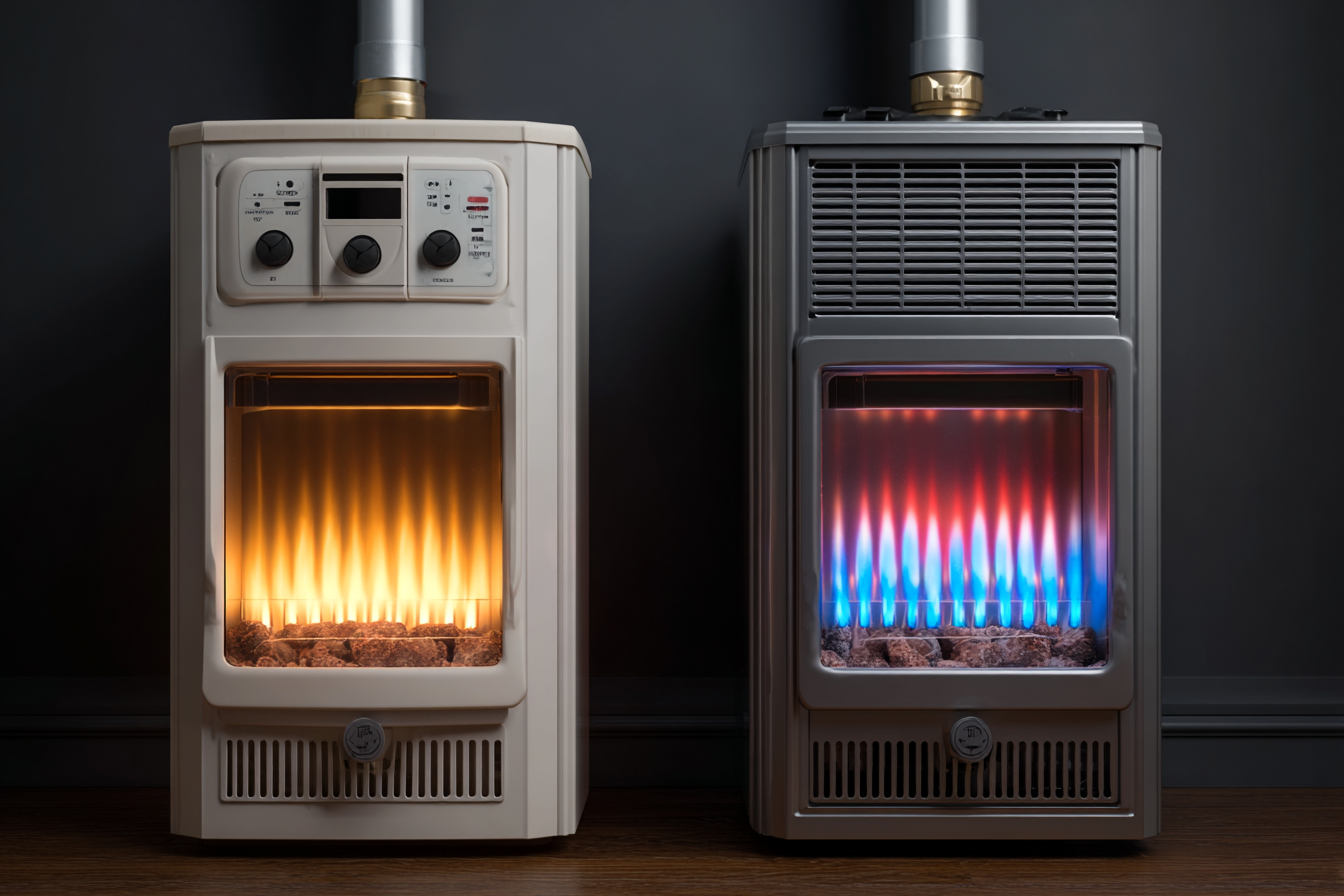
Although they use different energy sources and heat generation methods, both types of furnaces rely on the same basic airflow principle:
A thermostat detects a temperature drop and signals the furnace to start.
The furnace heats air (either via electric coils or gas combustion).
A blower motor pushes the warmed air into the home’s duct system.
Cooler return air is pulled back to the furnace for reheating and recirculation.
Despite these shared mechanisms, the source of heat and the complexity of system components create significant differences in cost, maintenance needs, and suitability for different climates.
Electric vs. Gas Furnace: Key Differences
Before diving into the detailed pros and cons of electric vs gas furnaces, it’s helpful to see how they stack up at a glance. This quick comparison highlights the most important distinctions that influence cost, performance, safety, and suitability for different homes and climates.
Feature / Factor | Electric Furnace | Gas Furnace |
|---|---|---|
How It Heats | Uses electrical resistance to generate heat (no combustion) | Burns natural gas or propane to heat air via combustion |
Installation Complexity | Simpler & cheaper, no gas line or venting required | More complex & costly, needs gas line, venting, and safety equipment |
Upfront Cost | Lower, cheaper equipment and installation | Higher, more parts, and professional labor are required |
Operating Cost | Higher, electricity usually costs more than gas | Lower, natural gasis often cheaper, reducing heating bills |
Energy Efficiency | Nearly 100% efficiency at the point of use | Up to ~95–98% AFUE for high‑efficiency models |
Heat Output & Speed | Slower warm‑up; lower output temperature | Faster & stronger heating, great in cold climates |
Lifespan | Longer, fewer parts wear out; up to ~30 years | Shorter, typically 15–20 years |
Maintenance Needs | Lower, simpler system, fewer moving parts | Higher, yearly professional inspections are recommended |
Safety | Very safe, no combustion, no carbon monoxide risk | Potential safety risks, combustion requires ventilation, and CO detectors |
Environmental Impact | Clean at point of use (no on‑site emissions) | Emits CO₂ due to gas combustion; the impact depends on the fuel source |
Pros of Gas Furnaces
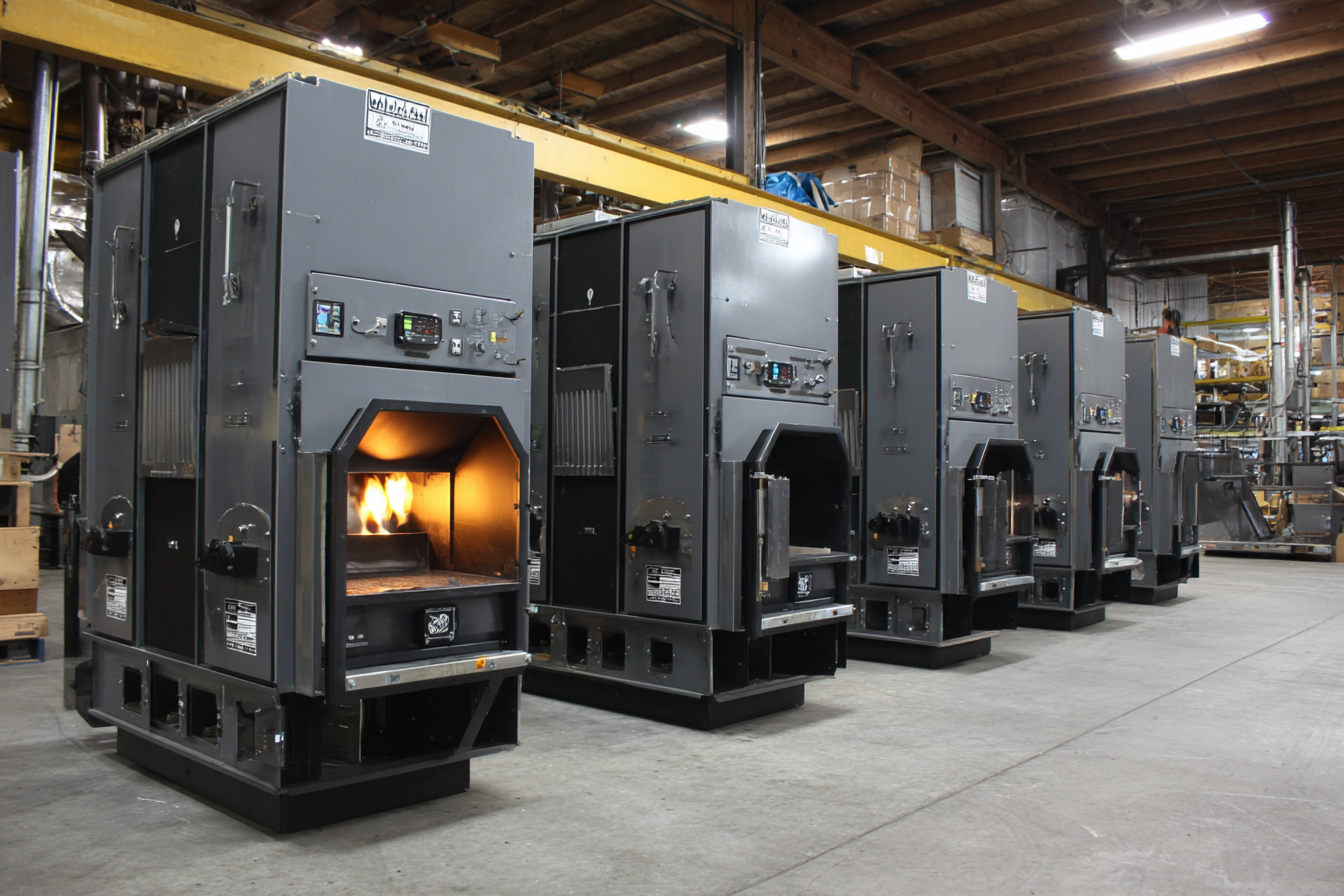
Gas furnaces have several advantages that make them a popular choice in many homes, especially in colder climates or areas with lower natural gas prices. Here are the key benefits:
1. Lower Operating Costs
Because natural gas fuel is often cheaper than electricity, gas furnaces can cost less to operate on a monthly basis. This can lead to meaningful savings on heating bills over time, particularly in regions where gas rates remain competitive.
2. Fast and Powerful Heating
Gas furnaces heat air more quickly than electric units because combustion produces higher heat output. This means your home reaches comfortable temperatures faster, an advantage on cold mornings or during sudden temperature drops.
3. Effective in Very Cold Climates
Gas furnaces are well‑suited for regions with extreme winter weather. Their higher heat output and fast response make them effective at maintaining warmth even when temperatures are very low, a challenge for electric systems.
4. High Fuel Efficiency (Modern Models)
Many modern gas furnaces offer High Annual Fuel Utilization Efficiency (AFUE) ratings, with top models approaching 95–99% efficiency, meaning most of the fuel’s energy is converted directly into heat.
5. Widely Available Fuel Source
Natural gas infrastructure is widely available in many urban and suburban areas, making gas furnaces a practical choice for homeowners connected to municipal gas lines.
Cons of Gas Furnaces
While gas furnaces offer strong performance and often lower operating costs, they also come with several notable drawbacks that homeowners should weigh before choosing this heating option.
1. Higher Installation and Upfront Costs
Gas furnaces generally cost more to install than electric units because they require a natural gas supply line, proper venting systems, and safety inspections. If your home doesn’t already have a gas line, this can add significantly to the upfront investment.
2. Safety and Combustion Risks
Because gas furnaces rely on combustion to generate heat, there is a potential risk of Carbon Monoxide (CO) leaks if the system is not installed or maintained properly. Carbon monoxide is a colorless, odorless gas that can be dangerous or even fatal, making proper ventilation and CO detectors essential.
3. More Frequent Professional Maintenance Required
Gas furnaces have more moving parts and combustion components than electric systems. This means they typically need regular professional maintenance, including inspections of burners, heat exchangers, and gas connections, to ensure safe and efficient operation.
4. Shorter Lifespan Compared to Electric Units
On average, gas furnaces have a shorter service life than electric furnaces. Most last about 15–20 years, whereas electric models can often last 20–30 years or more due to fewer mechanical stresses and no combustion process.
5. Dependence on Gas Availability
Gas furnaces are not suitable for every home. If natural gas infrastructure is not available in your area, installing a gas furnace may require costly infrastructure upgrades or alternative fuel arrangements like propane storage.
Pros of Electric Furnaces
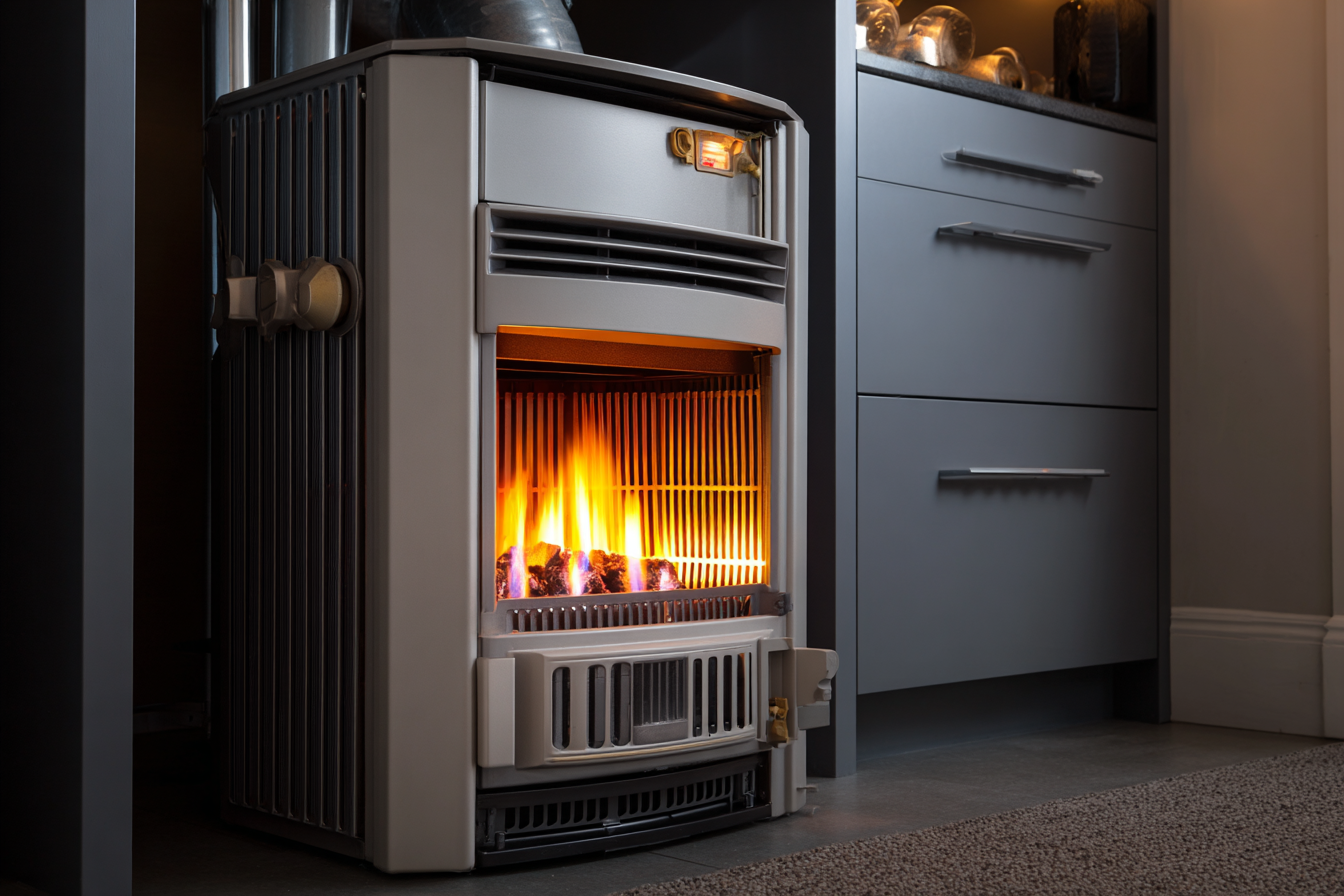
Electric furnaces offer several compelling advantages that make them a strong choice for many homes, especially where simplicity, safety, low maintenance, and installation cost are priorities. Here are the key benefits:
1. Lower Upfront Cost and Easy Installation
Electric furnaces are generally less expensive to purchase and install because they don’t need a gas line, venting system, or combustion safety equipment. This simplicity reduces labor and material costs, making electric units a budget‑friendly option initially.
2. Safer Operation (No Combustion Risks)
Because electric furnaces don’t rely on burning fuel, they eliminate the risk of carbon monoxide poisoning or gas leaks. With no open flames or combustion byproducts, electric systems are inherently safer, giving homeowners peace of mind.
3. Minimal Maintenance Requirements
Electric furnaces have fewer moving parts and no burners or heat exchangers, so they typically require less frequent or complex maintenance compared to gas furnaces. This can translate to lower long‑term upkeep costs and easier DIY check‑ups.
4. Longer Lifespan
Due to their simpler design and lack of combustion processes, electric furnaces often last longer, frequently 20–30 years, than gas counterparts, which usually average 15–20 years.
5. Clean, Quiet Operation
Electric units produce no onsite emissions and operate more quietly because they lack combustion noises and heavy mechanical components. This can improve indoor air quality and enhance overall comfort.
Cons of Electric Furnaces
Electric furnaces come with several drawbacks that homeowners should consider before choosing them over gas models. While they offer simple installation and safe operation, these disadvantages can affect long‑term cost, comfort, and reliability, especially in colder climates.
1. Higher Operating Costs
One of the most common downsides of electric furnaces is that they can be more expensive to run than gas systems. Electricity typically costs more per unit of energy than natural gas, which means homeowners may see higher monthly heating bills, particularly in regions with high electricity rates.
2. Slower Heating Response
Electric furnaces may take longer to raise indoor temperatures to your desired comfort level compared with gas furnaces. Because electric coils heat air less intensely than combustion burners, homes can feel cooler for longer periods during startup or very cold weather.
3. Less Effective in Extreme Cold
In regions with very cold winters, electric furnaces may struggle to produce as much heat as gas furnaces. They often have to run longer and work harder, which can result in reduced comfort and higher energy use in frigid conditions.
4. Dependence on Electricity
Electric furnaces rely entirely on electrical power. During a power outage, they won’t operate at all, leaving your home without heat unless you have a backup generator or alternative system in place. This can be a serious issue in winter storms or areas with unstable grid supply.
5. Higher Demand on Electrical Load
Electric heating systems draw substantial electricity, which can strain home electrical systems. In some cases, you might need to upgrade your electrical panel or service to safely support an electric furnace, which can add to installation complexity and cost.
Furnace Performance by Region & Climate
When comparing electric vs gas furnaces, climate and regional energy costs are among the most important factors shaping real‑world performance and homeowner satisfaction. What works well in a mild climate may not be the best solution for a severe winter environment.
1. Cold Climates — Gas Furnace Advantage
In areas that experience long, harsh winters and temperatures far below freezing, gas furnaces generally perform better because they:
Produce higher‑temperature air quickly. Gas combustion can heat duct air to 120–140°F, compared to ~100–115°F for electric furnaces. This delivers heat faster and helps the home recover more quickly when temperatures drop.
Maintain reliable output even when outdoor temperatures plunge, providing consistent comfort with less run time.
Often yield lower overall operating costs where natural gas prices are lower than electricity.
Because of these traits, gas furnaces are typically recommended for northern U.S. states, mountainous regions, and other cold climates with high heating energy demand.
2. Mild Climates — Electric Furnaces Are Viable
In regions with moderate temperatures and shorter heating seasons (e.g., southern states or coastal areas), electric furnaces often work just as well because:
They provide enough heat for milder winters without excessive run times.
Their higher point‑of‑use efficiency (nearly 100%) can be advantageous if paired with lower electricity rates or renewable energy sources.
The lack of gas infrastructure isn’t a drawback since heating demand isn’t extreme.
In these climates, homeowners may prioritize lower upfront installation costs and safety over the raw heating power of gas furnaces.
Electric vs Gas Furnaces: Environmental Impact & Efficiency
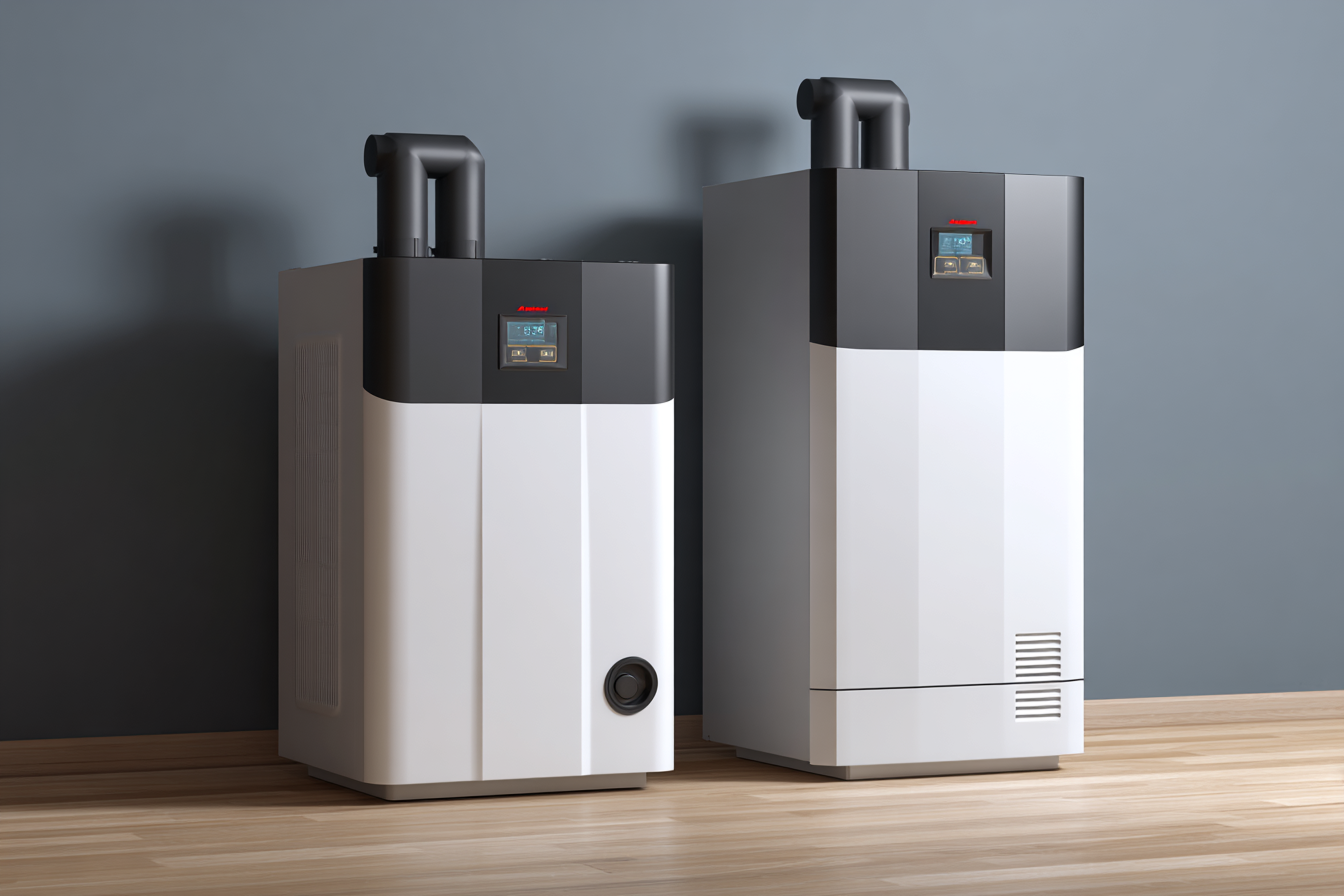
When comparing electric and gas furnaces, it’s important to look beyond just cost and performance. Environmental impact and efficiency are increasingly key considerations for many homeowners. These factors affect carbon emissions, energy use, and how “green” your heating system really is.
Efficiency Ratings Explained
Electric Furnaces
Electric furnaces convert nearly 100 % of the electricity they consume into heat. There’s no combustion or exhaust losses. This means their AFUE rating is essentially 100 % at the point of use.
While perfect at converting electricity to heat, this doesn’t automatically translate into overall energy system efficiency because electricity generation and transmission can involve energy losses before it reaches your home.
Gas Furnaces
Gas furnaces are measured by AFUE, which indicates the percentage of fuel energy converted into heat. Modern high‑efficiency gas furnaces often reach 90 – 98 % AFUE.
Some heat is lost through the flue during combustion, even in the most efficient models.
Key Efficiency Insight: On paper, electric furnaces are mechanically more efficient at turning energy into heat, but evaluating real–world efficiency requires considering how electricity is generated, whether it comes from renewables or fossil fuels.
Carbon Emissions and Environmental Impact
Gas Furnace Emissions
Gas furnaces burn fossil fuels on-site, producing Carbon Dioxide (CO₂) and, sometimes, other combustion byproducts.
Even high‑efficiency models still emit greenhouse gases because combustion is part of how they produce heat.
Electric Furnace Emissions
Electric furnaces produce no on‑site emissions. They don’t burn fuel inside the home.
However, the real environmental impact depends on your local electricity mix. Electricity generated from renewable sources (e.g., wind, solar, hydro) results in much lower overall emissions than electricity generated by coal- or gas-fired power plants.
For example, an electric furnace powered by a mostly renewable grid may have a significantly lower carbon footprint than a gas furnace. In contrast, if the grid relies heavily on fossil fuels, the overall emissions could be higher even with 100 % efficiency at the point of use.
How Electricity Source Changes the Game
The environmental advantage of an electric furnace hinges on the electricity generation mix:
Clean grids (e.g., high wind/solar) → Electric furnaces become significantly greener than gas furnaces.
Fossil‑heavy grids → Electric furnaces may still shift emissions upstream to power plants, so total emissions could rival or exceed those of efficient gas furnaces.
Unlike electric resistance furnaces, heat pumps (not the focus of this guide but worth noting) can offer even greater environmental benefits in many regions because they move heat rather than generate it, providing 2–4 units of heat per unit of electricity used and often further lowering emissions.
Electric vs Gas Furnace: When to Choose Which?
Choosing the right furnace isn’t a one‑size‑fits‑all decision. It’s about matching the system to your home’s needs, climate, fuel access, budget, and long‑term goals. Below are practical scenarios where one type may clearly outperform the other:
Choose a Gas Furnace If:
You live in a cold climate: Gas furnaces deliver high heat output and faster heating performance, making them better suited for areas with long, harsh winters where your system runs often.
Natural gas is readily available: If your home already has a gas hookup, a gas furnace may be more convenient and cost‑effective because you avoid the expense of gas line installation.
Lower long‑term operating costs are a priority: In many regions, natural gas is cheaper than electricity per unit of heat, so you’ll likely pay less on monthly bills with a gas furnace.
You have a large home or need faster heat recovery: Gas systems produce hotter air and heat spaces more aggressively, ideal for larger homes or homes with greater heat loss.
Best for: Cold climates, large homes, existing gas access, and lower fuel costs.
Choose an Electric Furnace If:
You don’t have access to natural gas: Electric furnaces are ideal when gas infrastructure isn’t available, as long as your electrical panel can support the load.
A safer and simpler system is a priority: Electric models don’t burn fuel, so there’s no combustion, carbon monoxide risk, or exhaust venting to worry about.
Lower upfront and maintenance costs matter: Electric furnaces are typically cheaper to install and require less routine servicing than gas systems because they have fewer moving parts.
You live in a mild climate: If winters are moderate and heat demand isn’t extreme, electric furnaces can provide consistent comfort without the high operating burden gas systems bring.
You want a long‑lasting system: Electric furnaces tend to have fewer components that wear out quickly, often resulting in a longer lifespan with basic upkeep.
Best for: Homes without gas access, mild climates, homeowners who value safety, simplicity, and lower installation costs.
Quality Comfort Solutions: Trusted Professional Support
When it comes to furnace installation, heating repairs, or HVAC maintenance, you want a team that combines expertise with dependable service. Quality Comfort Solutions is a licensed and insured HVAC contractor serving Westchester County, NY, offering a full range of heating and cooling solutions tailored to your home’s needs.
Quality Comfort Solutions provides:
Expert furnace services: installation, repair, and seasonal maintenance to keep your heating system running reliably throughout winter.
Comprehensive HVAC solutions: including heat pumps, ductless systems, boilers, and central air services.
Prompt service & 24/7 support: dependable technicians ready for emergency or scheduled work.
Ready to improve your home comfort? Contact Quality Comfort Solutions today for a free estimate, routine maintenance, or furnace upgrade.
Conclusion
Whether you choose an electric furnace for its safety, simplicity, and low maintenance or a gas furnace for powerful heating and potential fuel cost savings, understanding your home’s needs is key.
Proper installation and service can make all the difference in efficiency and comfort. For expert furnace installation, repair, maintenance, and HVAC solutions tailored to your home, trust the licensed professionals at Quality Comfort Solutions, offering comprehensive heating services, free estimates, and 24/7 support in Westchester County.
Schedule your service today and stay comfortable year-round.
FAQs
1. Is it worth changing from gas to electric heating?
It can be worth it if electric systems provide cost savings and lower emissions, depending on your energy prices and heat technology. In some cases, such as efficient reverse-cycle systems, households save money annually and gain heating and cooling benefits. Evaluate local electricity vs gas costs before deciding.
2. Are electric furnaces better?
Electric furnaces are simpler, safer, and cheaper to install, with fewer maintenance needs, but they often cost more to operate over the long term than gas furnaces in areas where electricity is high.
3. What is the healthiest form of heating a house?
Radiant heating (e.g., electric underfloor) is often considered healthier than forced-air because it doesn’t circulate dust or allergens through ducts and provides even warmth.
4. What size electric furnace for a 2000 sq ft house?
A 2,000 sq ft home typically needs a furnace in the 3–4 ton range (~15–18 kW) or roughly equivalent capacity matched to insulation and climate.
5. What is the average lifespan of an electric furnace?
Electric furnaces generally last around 15–30 years, often longer than gas units due to fewer moving parts and a simpler design.