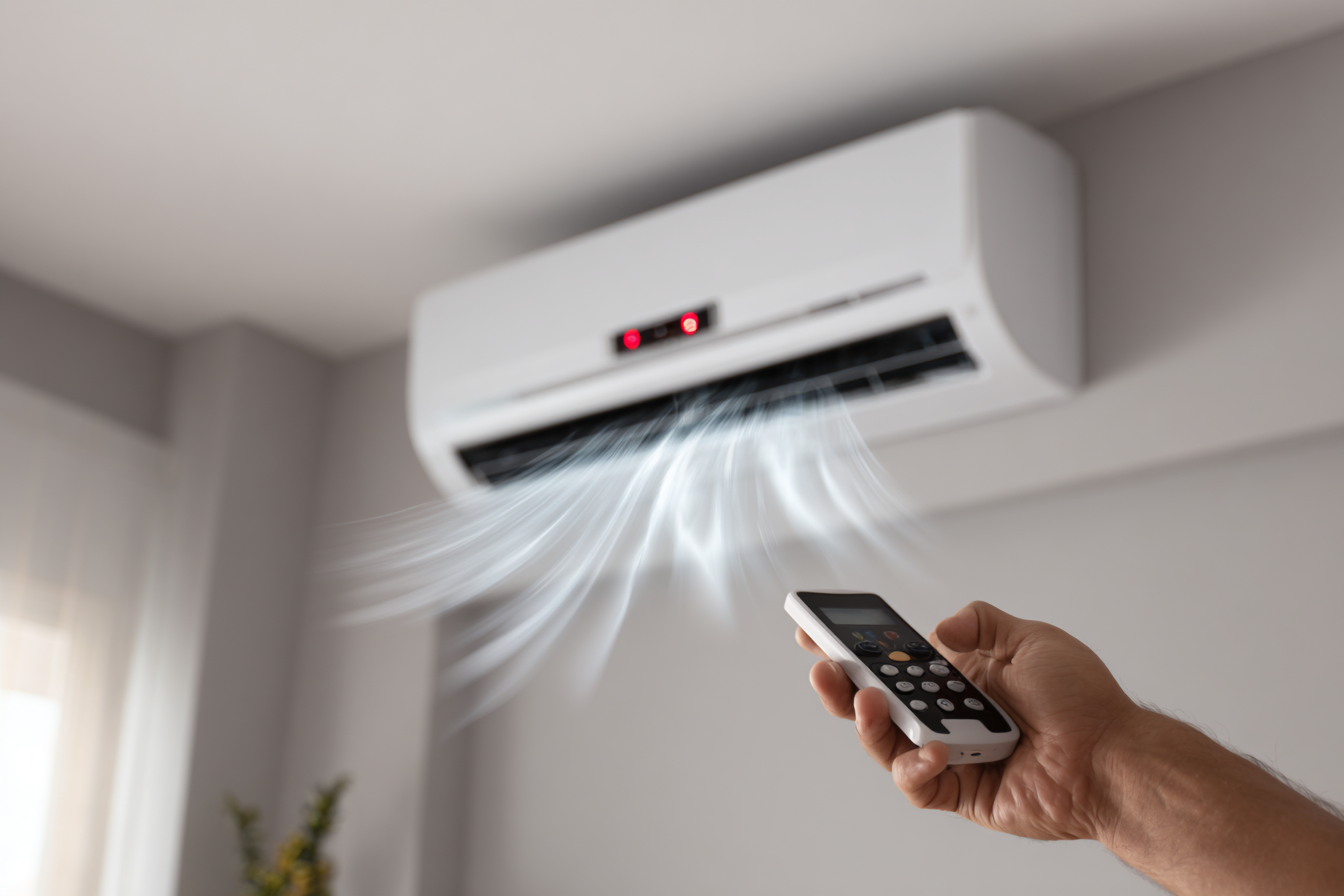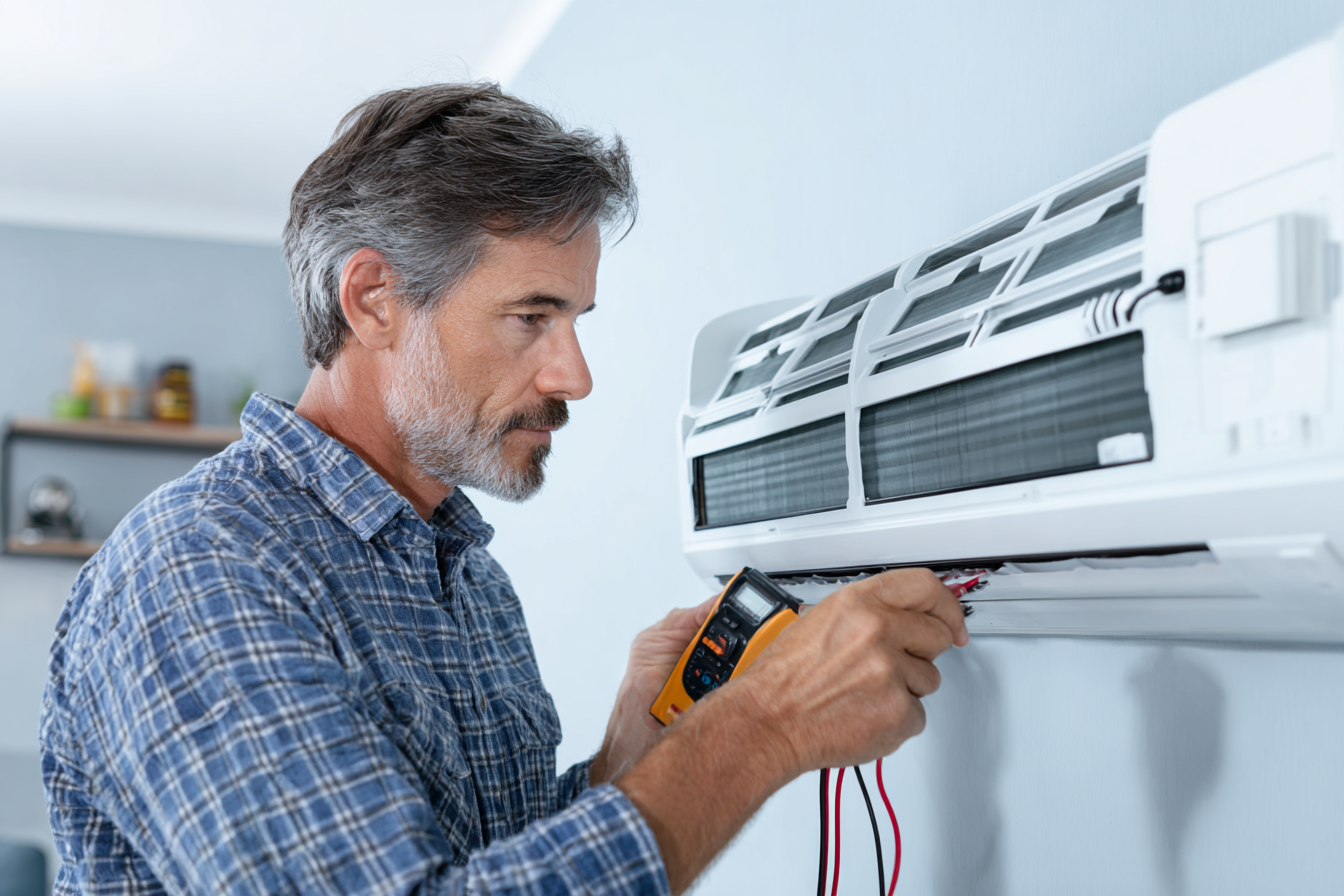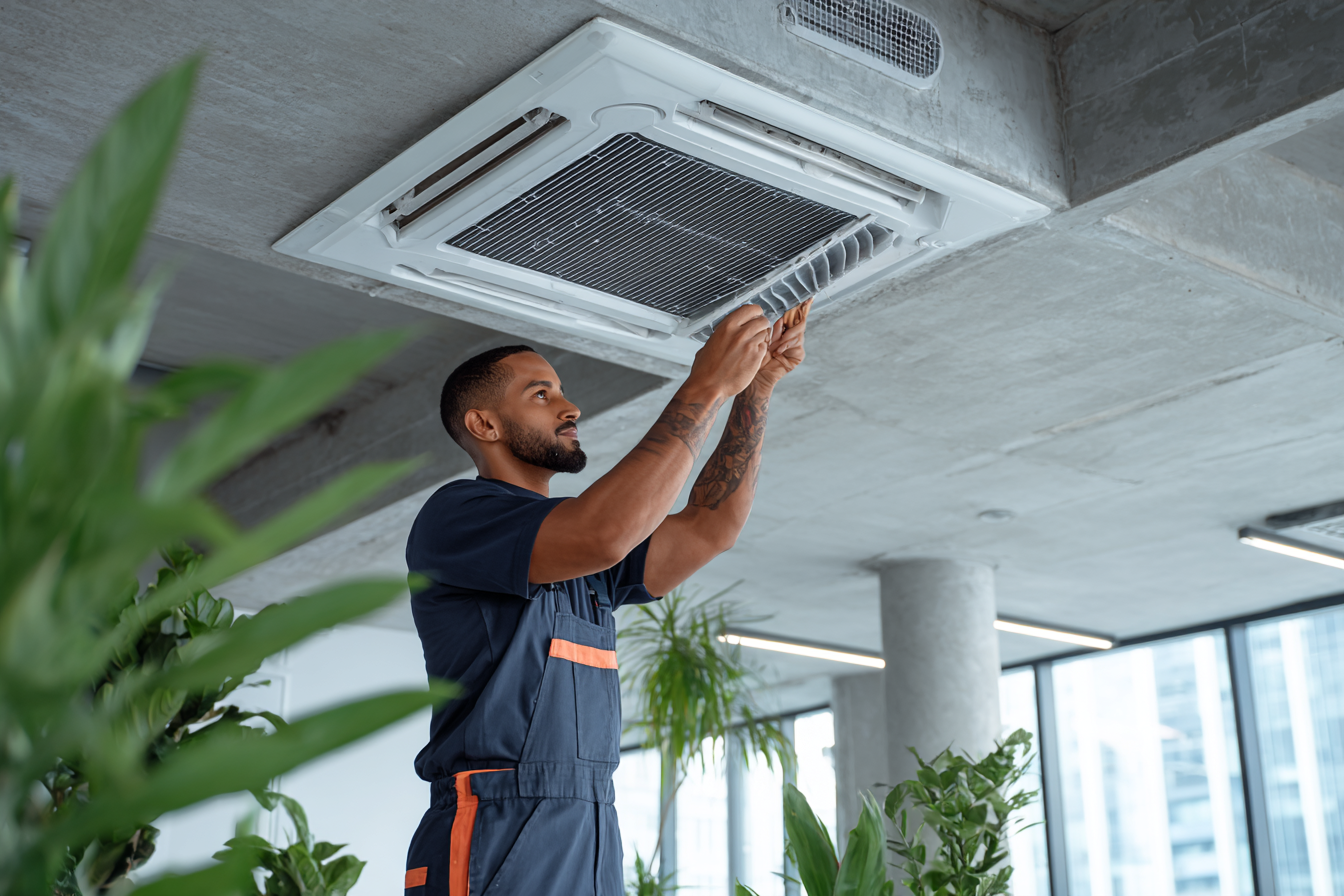
When the summer heat arrives, your air conditioner becomes the one appliance you cannot live without. But AC units rarely fail without warning. Long before the system stops cooling, it gives clear signals, changes in airflow, strange noises, unexpected humidity, that something inside isn’t working as it should.
Understanding the early signs your air conditioning needs repair can help you avoid mid-season breakdowns, prevent expensive component damage, and keep your home comfortable when you need it most.
Before we dive in
Warm air, weak airflow, unusual noises, odours, and rising energy bills are the most common symptoms of system trouble.
Ignoring small issues can lead to major repairs, including compressor failure, the costliest part to replace.
Routine maintenance and early diagnostics significantly improve energy efficiency and extend system lifespan.
Some symptoms require immediate attention, such as burning smells, breaker trips, ice buildup, or total airflow loss.
Quality Comfort Solutions provides expert diagnostics, repairs, and installations to keep your AC running safely and efficiently.
Why Early AC Repair Matters
Small AC issues rarely stay small. According to the U.S. Department of Energy, cooling systems with neglected problems can consume 20–30% more energy, and most compressor failures can be traced back to unresolved minor faults that were left untreated for too long.
Early repair not only protects your comfort, but it also protects the most expensive components inside your system. Here’s why addressing issues early makes a measurable difference:
Prevents Costly Component Damage: Minor issues with airflow, refrigerant levels, or electrical parts often escalate into compressor or motor failures.
Improves Energy Efficiency: A struggling system runs longer and harder, increasing monthly utility bills.
Extends System Lifespan: Fixing problems early reduces wear on core components and delays full system replacement.
Reduces the Risk of Emergency Breakdowns: Early attention minimizes the chance of losing cooling during peak heat.
Keeps Comfort Consistent: An efficient system maintains steady temperatures and better humidity control.
10 Major Signs Your Air Conditioning Needs Repair
These are the symptoms homeowners notice most often before their AC stops working altogether. Each one tells you something important about what’s happening inside the system.
1. Warm Air Instead of Cool Air
If the AC is running but the air feels warm or barely cool, it’s a sign of a failing cooling cycle.
Possible causes:
Low refrigerant
Compressor malfunction
Frozen evaporator coil
Blocked airflow
Warm air is one of the clearest signs your air conditioning needs repair.
2. Weak Airflow or Poor Air Circulation
If air barely moves through your vents, or certain rooms stay warm, your system is struggling to produce consistent airflow.
Common reasons:
Duct leaks
Blower motor issues
Dirty filters
Blocked evaporator coil
Weak airflow forces your AC to run longer, which increases energy usage and wear.
3. Strange or Loud Noises
Air conditioners should operate quietly. New or unusual noises always indicate a problem.
Examples:
Grinding → motor failure
Banging → loose or broken parts
Buzzing → electrical issues
Clicking → failing relay or control
Ignoring noises can lead to sudden system failure.
4. High Indoor Humidity
Your AC should remove moisture while it cools. If your home feels muggy, the system isn’t dehumidifying properly.
Causes may include:
Oversized AC
Dirty coils
Failing compressor
Refrigerant problems
Humidity imbalance reduces comfort and can lead to mold.
5. Bad or Unusual Odors
If you notice any unfamiliar smells from your vents, it’s a clear indication that the system needs attention.
Types of odors:
Musty → mold or moisture buildup
Chemical → refrigerant leak
Burning → electrical problem
Persistent or strong odors require immediate inspection.
6. Short Cycling (Frequent On/Off)
Frequent cycling prevents your AC from running long enough to complete a full cooling cycle.
Likely causes:
Thermostat malfunction
Electrical issues
Oversized or undersized system
Blocked airflow
Short cycling shortens system life and wastes energy.
7. Water Leaks or Ice Formation
Moisture near your indoor unit or ice on the coils is a sign of underlying issues.
Causes include:
Blocked drain line
Frozen evaporator coil
Low refrigerant
Poor airflow
If ignored, ice buildup can damage the compressor.
8. Rising Energy Bills with No Change in Usage
A sudden increase in your electric bill is often an early hint of AC trouble.
Usually caused by:
Hidden refrigerant leaks
Dirty components
Worn mechanical parts
Ductwork issues
Higher energy use usually appears before a breakdown.
9. AC Runs Constantly but Never Cools Properly
If the system runs for long periods but never reaches the set temperature, cooling efficiency is compromised.
Likely causes:
Refrigerant loss
Dirty condenser
Compressor decline
Airflow restrictions
Constant operation causes overheating and accelerates wear.
10. Thermostat Problems
Your thermostat controls every part of the system. When it malfunctions, the AC cannot regulate temperature correctly.
Signs include:
Incorrect temperature readings
Delayed system response
The system is running at the wrong times
Sometimes the thermostat needs repair; sometimes it signals a deeper AC issue.
If your system is showing early warning signs, Quality Comfort Solutions can pinpoint the issue quickly and restore proper cooling.
How to Prevent Future AC Problems?
Most AC breakdowns can be avoided with simple, consistent upkeep. A well-maintained system runs more efficiently, lasts longer, and performs better during peak heat.
Here are the key habits that make the biggest difference:
Replace Air Filters Regularly: Clean filters prevent airflow restrictions, which reduces strain on the blower motor and improves cooling performance.
Keep the Outdoor Unit Clear: Removing leaves, dirt, and debris ensures proper heat release and prevents the system from overheating.
Schedule Annual Professional Maintenance: Seasonal tune-ups catch refrigerant leaks, electrical issues, and early signs of component wear.
Clean Coils and Check Drain Lines: Dirty coils reduce heat transfer, while clogged drains cause water leaks and mold buildup.
Monitor Energy Bills and Cooling Behavior: Sudden changes often indicate hidden problems like refrigerant loss or failing parts.
Avoid Blocking Vents or Registers: Ensures proper airflow throughout the home and prevents pressure imbalances that stress the system.
Address Unusual Sounds or Smells Quickly: Early attention prevents small issues from escalating into system-wide failures.
Serious Warning Signs You Should Never Ignore
Certain AC issues move beyond inconvenience and signal that the system is entering a failure or safety-risk zone. These symptoms don’t just affect comfort; they can indicate electrical hazards, mechanical breakdowns, or conditions that may permanently damage your equipment. When these appear, turning the system off and calling for professional service is the safest option.
Here are the warning signs that require immediate attention:
Electrical Smells or Burning Odors: Suggest overheating components or wiring issues that can become hazardous if ignored.
Breaker Tripping Repeatedly: Indicates the system is drawing unsafe levels of power, often due to failing motors or electrical faults.
Ice Forming Rapidly on Coils or Lines: Points to a severe imbalance in temperature or pressure that can cause internal damage if the system keeps running.
Harsh Grinding or Metallic Sounds: Usually linked to mechanical failure inside motors or the compressor, signaling that parts are wearing out or breaking.
Total Loss of Airflow: Often a sign of a blower failure or serious internal blockage, which prevents the system from operating safely.
This revised section now fits seamlessly into the blog without repeating earlier content, keeping the flow clean and the value clear.
Why Choose Quality Comfort Solutions for Your HVAC Inspection Needs
A reliable AC starts with a thorough, accurate inspection. Quality Comfort Solutions focuses on diagnosing the real cause of system problems so you can make informed decisions about repair, maintenance, or upgrades.
Maintenance & repair services: We keep cooling systems running efficiently with seasonal tune-ups, targeted repairs, and fast troubleshooting to prevent unexpected breakdowns.
Professional installations: When replacement or upgrades are needed, we install central air, heat pumps, ductless systems, and more, ensuring proper sizing and optimal performance.
Residential & light commercial support: We serve homeowners and small businesses with dependable HVAC solutions and offer free estimates to help you choose the right path forward.
Clear, diagnostic-first approach: Every inspection is rooted in data and system performance no unnecessary repairs.
Final Thoughts
Your air conditioner rarely fails without sending signals first. When you understand these early warning signs, you can prevent major repairs, protect your system’s lifespan, and maintain consistent comfort throughout the season. Addressing problems early is always more cost-effective than waiting for a full breakdown.
If your AC has been making noises, cooling unevenly, or showing any of the symptoms in this guide, it’s the right time to take action.
Schedule Your AC Inspection Today with Quality Comfort Solutions. Don’t wait for a peak-season emergency. Contact us for a free estimate and get a clear, accurate assessment of what your system needs to run efficiently again.
Frequently Asked Questions (FAQs)
1. What is the most common sign that my AC needs repair?
One of the earliest and most common signs is warm or weak airflow coming from the vents. If the system is running but not cooling effectively, it’s time to schedule an inspection.
2. Why is my AC making unusual noises?
Sounds like buzzing, grinding, or banging usually point to mechanical or electrical issues inside the system. These noises should be addressed quickly to prevent further damage.
3. What causes water to leak from my AC?
A clogged drain line, frozen evaporator coil, or poor airflow cause most leaks. A technician should check any visible moisture around the unit.
4. Are rising energy bills a sign of AC trouble?
Yes. If your energy usage hasn’t changed but your bill has increased, the AC is likely working harder due to an underlying issue such as dirty coils, worn components, or low refrigerant.
5. When should I repair my AC vs. replace it?
Repairs make sense for newer systems with isolated issues. Replacement is usually recommended for units over 12–15 years old, systems with frequent breakdowns, or when repair costs approach half the price of a new installation.