Installing a heat pump is one of the smartest upgrades homeowners can make for year-round comfort, lower energy bills, and improved efficiency. In recent years, adoption has surged. Heat pumps outsold gas furnaces in the U.S. for the first time in 2024, with about 32% more units shipped than traditional gas heating systems.
This growing popularity has real-world implications for installation timing. Heat pump installations have increased steadily through 2024, creating higher demand for HVAC contractors and longer scheduling lead times during peak heating and cooling seasons. Homeowners who wait until extreme weather hits may face limited contractor availability, higher labor costs, and rushed installations.
For homeowners in Yonkers and Westchester County, where winters can be severe and summers increasingly humid, timing matters just as much as system selection. The best time of year to install a heat pump can significantly impact costs, installer availability, system performance, and how smoothly your home transitions between heating and cooling seasons.
In this guide, we’ll break down the best and worst seasons to install a heat pump, explain how seasonal demand affects pricing and scheduling, and outline what local homeowners should consider when planning an installation.
At a Glance:
Spring and fall are the optimal seasons for heat pump installation, offering mild weather, better installer availability, and cost savings.
Peak winter and summer demand increases lead times, labor costs, and scheduling challenges, making emergency installations more expensive and stressful.
Proper home preparation, insulation, ductwork, and electrical readiness reduce installation delays, improve efficiency, and can lower overall system costs.
Local factors in Yonkers and Westchester County, including cold winters, humid summers, and incentive programs, influence the best installation timing.
Planning maximizes comfort and savings, ensures accurate system sizing, enables thorough testing, and helps homeowners access seasonal rebates or promotions.
Why Timing Matters for Heat Pump Installation?
Choosing the right time of year to install a heat pump affects costs, contractor availability, installation quality, and your ability to take advantage of incentives. Here’s how timing plays a role:
Installer Availability & Seasonal Demand
Heat pump installation demand fluctuates throughout the year. During peak heating or cooling seasons, installers get booked quickly, leading to longer wait times and potential price premiums.
Winter demand: Cold months like January and February often spike as traditional furnaces fail. Homeowners may face 8–16 week wait times and rush fees.
Off-peak months: From May through September, lead times typically shorten to 1–3 weeks, giving homeowners more flexibility and often better pricing.
The HVAC sector is also experiencing a skilled technician shortage, which intensifies scheduling challenges during peak seasons.
Weather & Installation Quality
Outdoor temperatures and ground conditions directly impact installation ease:
Cold, wet, or frozen ground can slow installation, complicate trenching, and increase labor time.
Milder shoulder seasons, like spring and early fall, allow for easier setup and thorough system testing.
Quality installation is critical, as proper setup affects long-term performance and energy efficiency.
Seasonal Cost Differences
Timing influences pricing more than many homeowners realize:
Peak seasons (midwinter for heat, midsummer for cooling) often involve higher labor premiums and limited scheduling flexibility.
Off-peak seasons provide more bargaining room, promotional deals, and seasonal discounts from manufacturers or installers looking to fill calendar slots.
Heat pump installation timing directly affects availability, pricing, installation quality, and incentive eligibility.
Seasonal Windows Explained
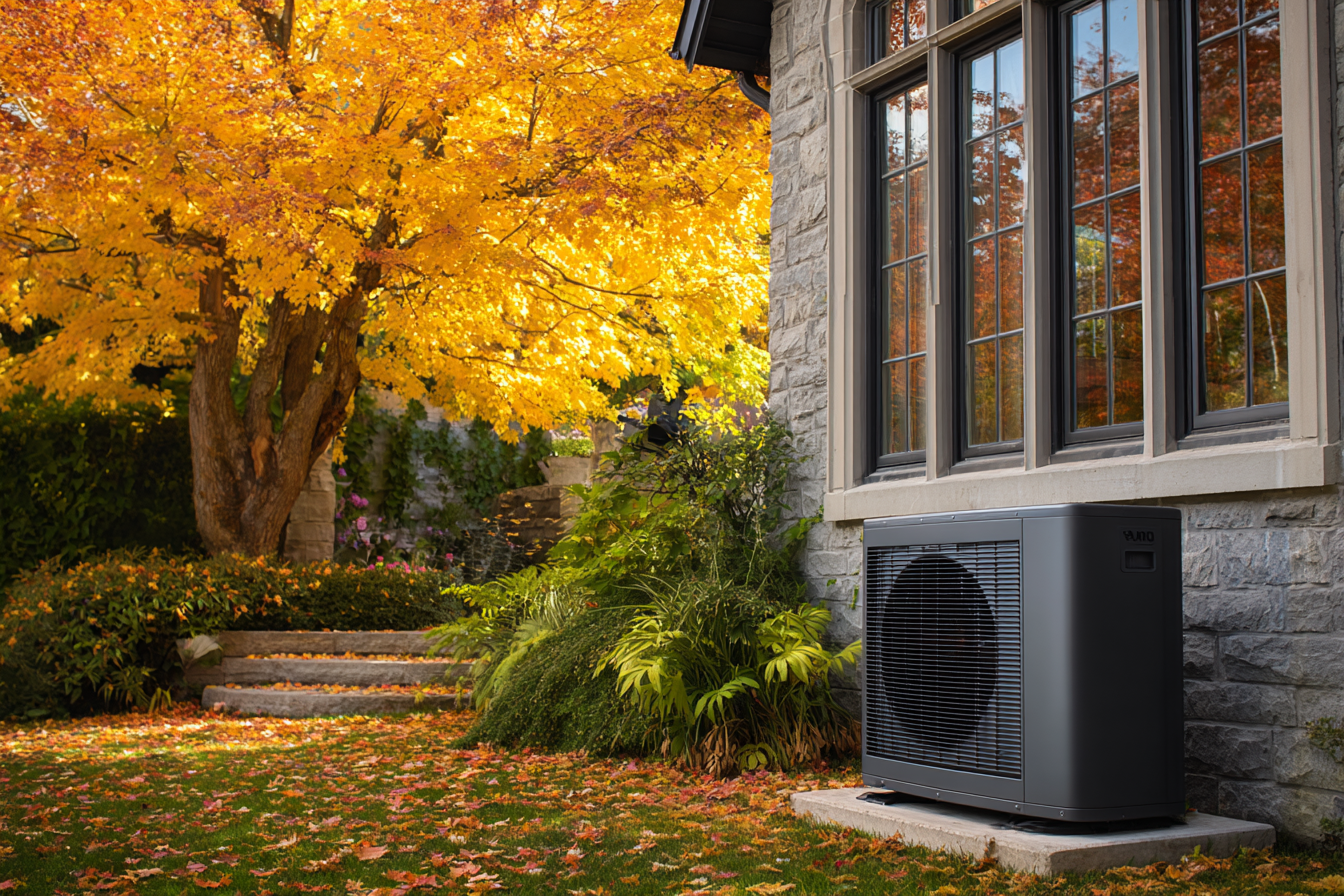
Understanding how each season affects heat pump installation helps homeowners choose the most cost-effective and stress-free window. Below is a clear breakdown of what to expect throughout the year and how each season impacts scheduling, pricing, and performance.
Spring (March–May)
Spring is one of the most recommended seasons for heat pump installation.
Why spring works well:
Mild temperatures make installation easier and safer for technicians
Installers are generally less busy compared to peak summer and winter
Allows time to test the cooling mode before hot weather arrives
Greater chance of seasonal promotions and rebates
Best for: Planned upgrades, replacing aging systems, and homeowners looking to avoid peak-season pricing
Summer (June–August)
Summer installations are common but not always ideal.
Pros:
Excellent outdoor working conditions
Immediate relief if your existing AC system has failed
Works well when coordinated with home renovations or additions
Cons:
High demand for AC repairs can limit installer availability
Longer scheduling lead times in July and August
Potential for higher labor costs during peak cooling demand
Best for: Emergency replacements or homes without functional cooling
Fall (September–November)
Fall is often considered the best overall time of year to install a heat pump.
Why fall stands out:
Comfortable temperatures for both installation and testing
Install before the winter heating rush
Installers often have better availability
Opportunity to test both heating and cooling modes
End-of-year incentives and promotions may still apply
Best for: Homeowners planning ahead for winter comfort and long-term efficiency
Winter (December–February)
Winter is generally the least recommended season for non-emergency installations.
Challenges include:
Cold temperatures complicate outdoor work and system startup
High demand for heating repairs leads to longer wait times
Risk of being without heat during installation
Frozen ground can delay or increase labor costs
Best for: Emergency replacements when an existing heating system fails
Regional and Climate Considerations
While general seasonal advice applies nationwide, the best time of year to install a heat pump can vary based on local climate patterns.
How does New York Weather Impacts Installation Timing?
The New York metro area experiences wide temperature swings:
Hot, humid summers
Cold winters with occasional extreme cold snaps
Short but valuable shoulder seasons in spring and fall
These conditions make spring and fall installations particularly advantageous, as they allow homeowners to prepare for temperature extremes without the urgency or logistical challenges of peak seasons.
Early cold snaps in late November or December can quickly overwhelm installer schedules. Homeowners who wait until winter often face longer delays, higher costs, and rushed decisions. Planning installation during milder months avoids these issues entirely.
Local Expertise Matters
Local HVAC professionals familiar with Westchester County permitting, older housing stock, and cold-climate requirements can help homeowners avoid costly sizing or compliance issues. This ensures your heat pump is installed efficiently, meets local codes, and performs optimally throughout the year.
Why Shoulder Seasons Work Best in Cold Climates
In regions like Westchester County, shoulder seasons offer two key benefits:
Balanced system testing: Installers can verify both heating and cooling modes without stressing the system.
Better performance calibration: Heat pumps can be fine-tuned before facing sub-freezing temperatures or peak summer humidity.
This ensures your system operates efficiently when you need it most.
Preparing Your Home Before Installation
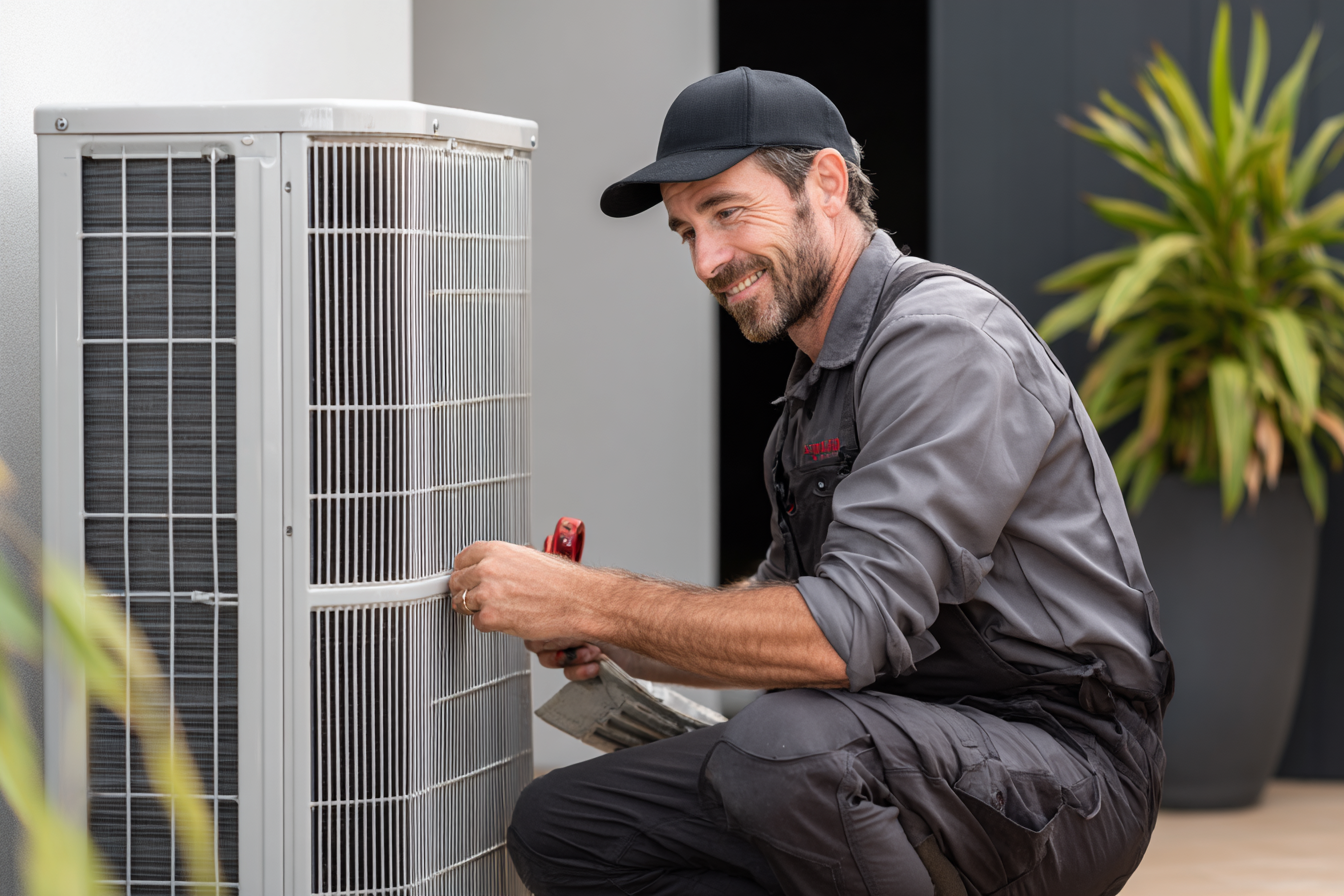
Proper preparation plays a major role in how successful and cost-effective your heat pump installation will be. Planning ahead, especially during the best seasons to install a heat pump, helps avoid delays, unexpected costs, and performance issues down the line.
Why Planning Ahead Matters
Heat pumps work best in homes that are energy-efficient and properly sized for the system. Installing without preparation can lead to:
Reduced efficiency
Higher energy bills
Uneven heating or cooling
By preparing your home ahead of installation, ideally during spring or fall, you give contractors time to address potential issues without seasonal pressure.
Insulation and Air Sealing
Before installing a heat pump, evaluate:
Attic and wall insulation levels
Air leaks around doors, windows, and duct connections
Improving insulation and sealing reduces heat loss in winter and heat gain in summer, allowing your heat pump to operate more efficiently and potentially enabling a smaller, less expensive system.
Ductwork and Distribution Systems
For ducted heat pumps, existing ductwork should be:
Properly sealed
Insulated where needed
Sized correctly for airflow
Homes in Yonkers and Westchester County, especially older properties, often have duct systems that benefit from upgrades. Shoulder seasons provide the time and flexibility to complete this work without rushing.
Electrical System Readiness
Many heat pumps require:
Adequate electrical capacity
Panel upgrades or dedicated circuits
Scheduling electrical work ahead of peak HVAC seasons helps avoid coordination delays between contractors and ensures the installation stays on track.
Aligning Installation With Renovation Schedules
If you’re planning:
Home additions
Basement finishing
Energy-efficiency upgrades
Coordinating these projects with your heat pump installation can reduce costs and ensure optimal system placement.
System Sizing and Load Calculations
One of the most critical preparation steps is performing a proper load calculation. This ensures:
The system is not oversized or undersized
Comfort is consistent throughout the home
Energy use stays efficient year-round
Mild-weather installations allow technicians to take the time needed to get this right.
How Preparation Can Lower Installation Costs
Taking the time to prepare your home before installation can save money upfront and prevent expensive surprises later:
Smaller system sizing: Improved insulation and air sealing can reduce the size and cost of the heat pump needed.
Fewer change orders: Pre-installation prep identifies potential issues before work begins, avoiding costly on-the-spot modifications.
Faster installation time: Contractors can work efficiently without delays from unaddressed electrical, ductwork, or insulation issues.
Proper preparation not only maximizes comfort and efficiency but also helps homeowners in Yonkers and Westchester County get the most value from their investment.
When to Avoid Installing a Heat Pump
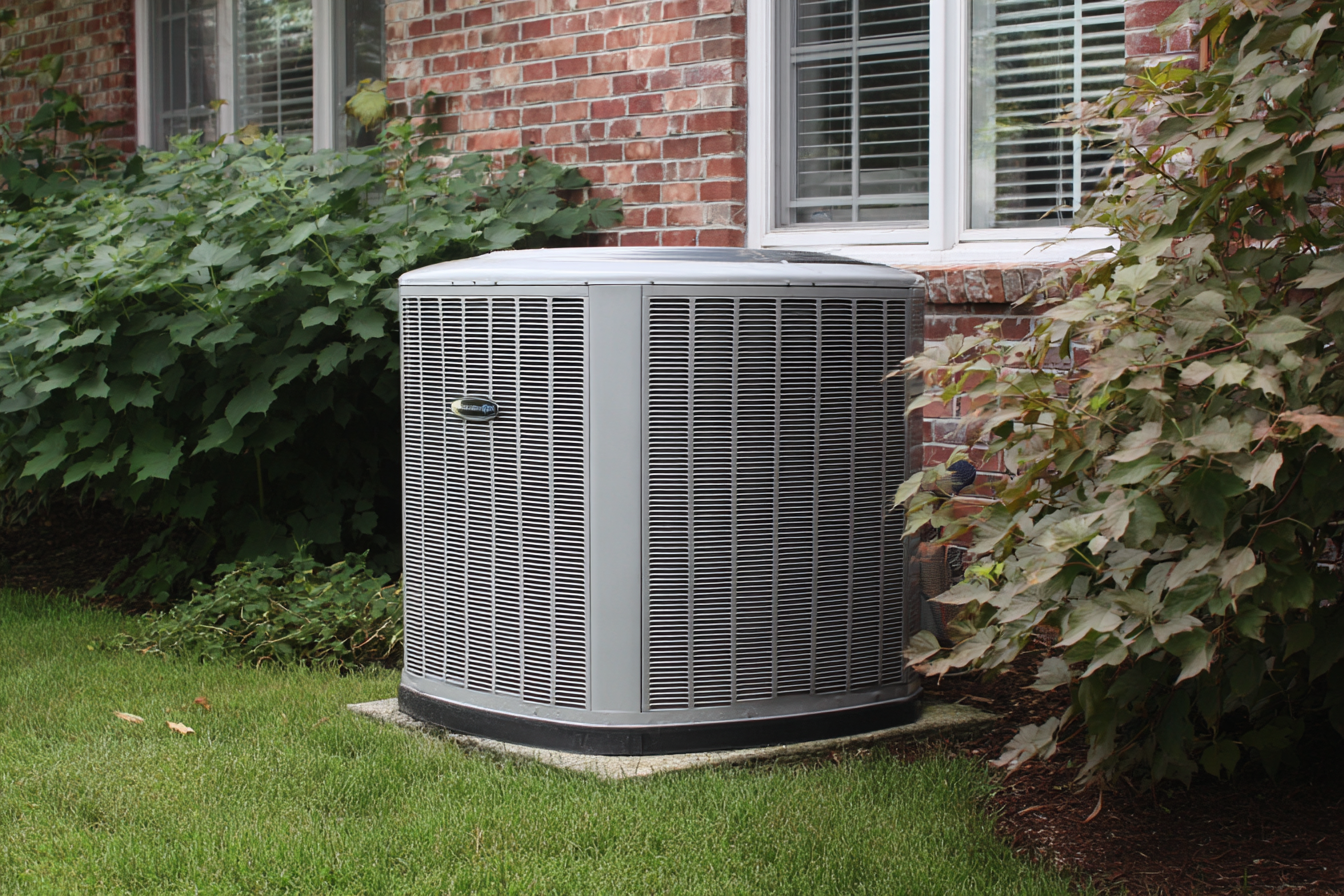
While heat pumps can technically be installed year-round, certain situations and seasons can make installation more expensive, more stressful, or less efficient. Knowing when to avoid installation helps homeowners plan smarter and reduce unnecessary risk.
Extreme Heat or Cold Conditions
Installing a heat pump during weather extremes can complicate the process:
Severe winter cold: Delays outdoor work, limits system testing, and increases the risk of being without heat
Extreme summer heat: Adds pressure on installers already managing high emergency demand
In both cases, installation may take longer and offer fewer opportunities for proper system calibration.
Peak Utility Demand Periods
During peak heating or cooling seasons:
HVAC companies prioritize emergency repairs
Utility grids are under a heavier load
Scheduling becomes less flexible
This can result in longer wait times, limited appointment windows, and higher labor costs, especially during regional heat waves or cold snaps.
When Your Current System Is Still Performing Well
If your existing heating or cooling system:
Operates efficiently
Meets your comfort needs
Has no major repair issues
There’s often no urgent need to install a heat pump during peak demand periods. Waiting for a shoulder season can provide better pricing, more installer availability, and a smoother experience.
Last-Minute Decisions Without Preparation
Avoid installing a heat pump when:
Insulation or ductwork issues haven’t been addressed
Electrical upgrades are still needed
System sizing hasn’t been properly evaluated
Rushed installations can lead to performance problems that could have been avoided with better timing.
Quality Comfort Solutions: Your Local Westchester Heat Pump Experts
Quality Comfort Solutions is a licensed, insured HVAC provider serving Yonkers and all of Westchester County with expert heating and cooling services. From seasonal maintenance and emergency repairs to full system installations, including heat pumps, furnaces, boilers, ductless systems, and central air, their experienced technicians deliver tailored comfort solutions with integrity and precision.
Homeowners trust Quality Comfort Solutions for:
Free, no‑obligation consultations and estimates
Reliable installation and repair by licensed professionals
Quick response and dependable service throughout Westchester County
Personalized comfort planning that considers older homes, local climate needs, and efficiency goals
With strong 5‑star reviews for professional service, honest pricing, and exceptional workmanship, they’re a trusted local choice for heat pump installations and year‑round HVAC care.
Conclusion
Choosing the best time of year to install a heat pump can make a meaningful difference in your overall experience, from upfront costs and installer availability to long-term comfort and energy savings. While heat pumps can be installed year-round, the evidence is clear. Spring and fall offer the most advantages for homeowners who plan ahead.
For homeowners, timing is especially important due to cold winters, humid summers, and high regional energy costs. Planning installation before peak demand ensures your heat pump is fully optimized and ready to perform when temperatures become extreme.
Schedule your heat pump installation during the best season and avoid peak pricing, long wait times, and rushed installs.
Quality Comfort Solutions offers:
Licensed and insured technicians
Deep local experience in Westchester County homes
Free consultation and no-obligation quote
Contact us today to secure your preferred installation window and ensure your home stays comfortable year-round.
FAQs:
1. What is the best temperature to set a heat pump in the winter?
Set your heat pump to 65–68°F for comfort and efficiency. Lower temperatures save energy, while higher settings ensure warmth, balancing performance and electricity costs effectively.
2. How many days to install a heat pump?
A standard heat pump installation typically takes 1–3 days, depending on system complexity, ductwork modifications, electrical upgrades, and weather conditions. Larger homes or custom setups may take longer.
3. How cold is too cold for a heat pump?
Most modern cold-climate heat pumps operate efficiently down to -5°F to -15°F, but performance declines in extreme cold, often requiring supplemental heating to maintain indoor comfort.
4. Is it okay for a heat pump to run continuously?
Yes, heat pumps are designed to run continuously if needed, cycling automatically to maintain the set temperature efficiently without causing damage or excessive wear.
5. What is the lifespan of a heat pump?
A well-maintained heat pump typically lasts 12–20 years. Lifespan depends on usage, climate, maintenance, and installation quality, with regular servicing extending operational efficiency and durability.
6. How warm does a heat pump make your house in winter?
A heat pump can maintain indoor temperatures around 65–72°F, depending on insulation, outdoor temperature, system size, and settings, providing consistent warmth even in cold climates.