Heating and cooling account for the largest portion of energy consumption in most homes, typically making up 43% of your utility bill. By ensuring proper maintenance of your HVAC system, along with upgrades like better insulation, air sealing, and optimized thermostat settings, you can reduce your energy usage for heating and cooling by 20% to 50%.
This guide will walk you through the importance of regular HVAC inspections, offering expert tips and a comprehensive checklist to keep your system running smoothly and efficiently throughout the year.
Let’s get started.
Key Takeaways
HVAC inspections are essential for maintaining the efficiency, safety, and longevity of your system. Regular inspections can reduce energy costs, extend equipment life, and prevent costly repairs.
Key inspection tasks include checking air filters, coils, refrigerant levels, electrical connections, ducts, and safety controls to ensure your system operates efficiently and safely.
Ideal timing for HVAC inspections is in the spring (before cooling season) and fall (before heating season). For older systems or after repairs, inspections should be scheduled more frequently.
DIY checks like changing filters and cleaning vents can improve system performance, but hiring a professional technician ensures a thorough, safe inspection with diagnostics and comprehensive testing.
Quality Comfort Solutions offers expert HVAC inspection services in Yonkers and Westchester County, including maintenance, repairs, custom installations, and seasonal plans to keep your system running smoothly all year long.
What Is an HVAC Inspection?
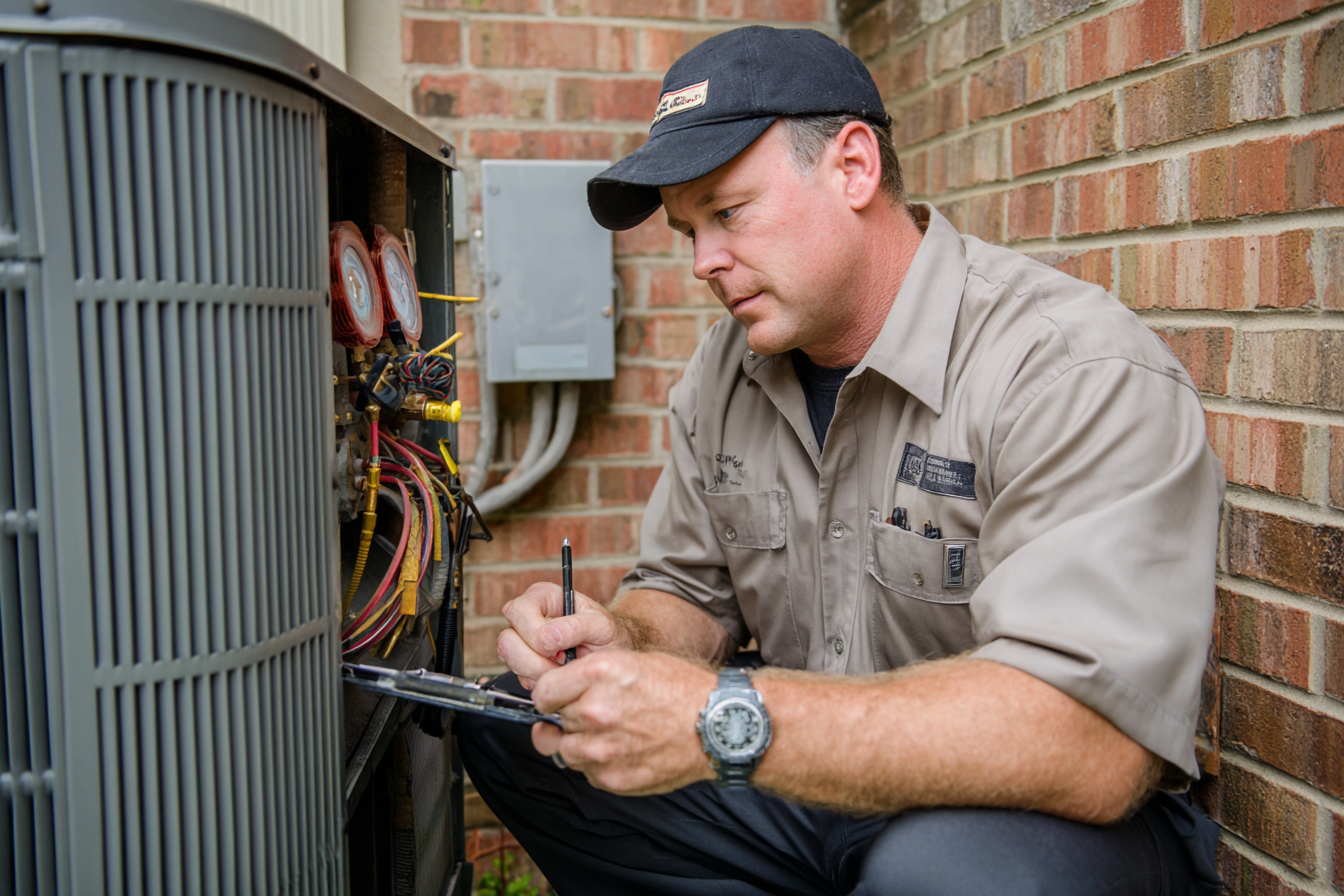
An HVAC inspection is a comprehensive evaluation of your heating, ventilation, and air conditioning systems, conducted by a professional technician. The primary purpose of the inspection is to assess the overall health and efficiency of your system, identify any potential issues, and ensure that everything is functioning optimally. Regular inspections help improve the performance of your HVAC system, reduce energy consumption, and prevent unexpected breakdowns or costly repairs.
During an inspection, technicians check key components such as filters, coils, refrigerant levels, and ductwork. They also inspect the electrical system, test the system’s overall performance, and ensure that the system meets safety and efficiency standards. A thorough HVAC inspection helps ensure that your system operates at peak efficiency, providing reliable comfort while keeping energy costs low.
Now that you understand what an HVAC inspection is and its purpose, let's explore the benefits of regular HVAC inspections and why they're so important for both homeowners and businesses.
Benefits of Regular HVAC Inspections
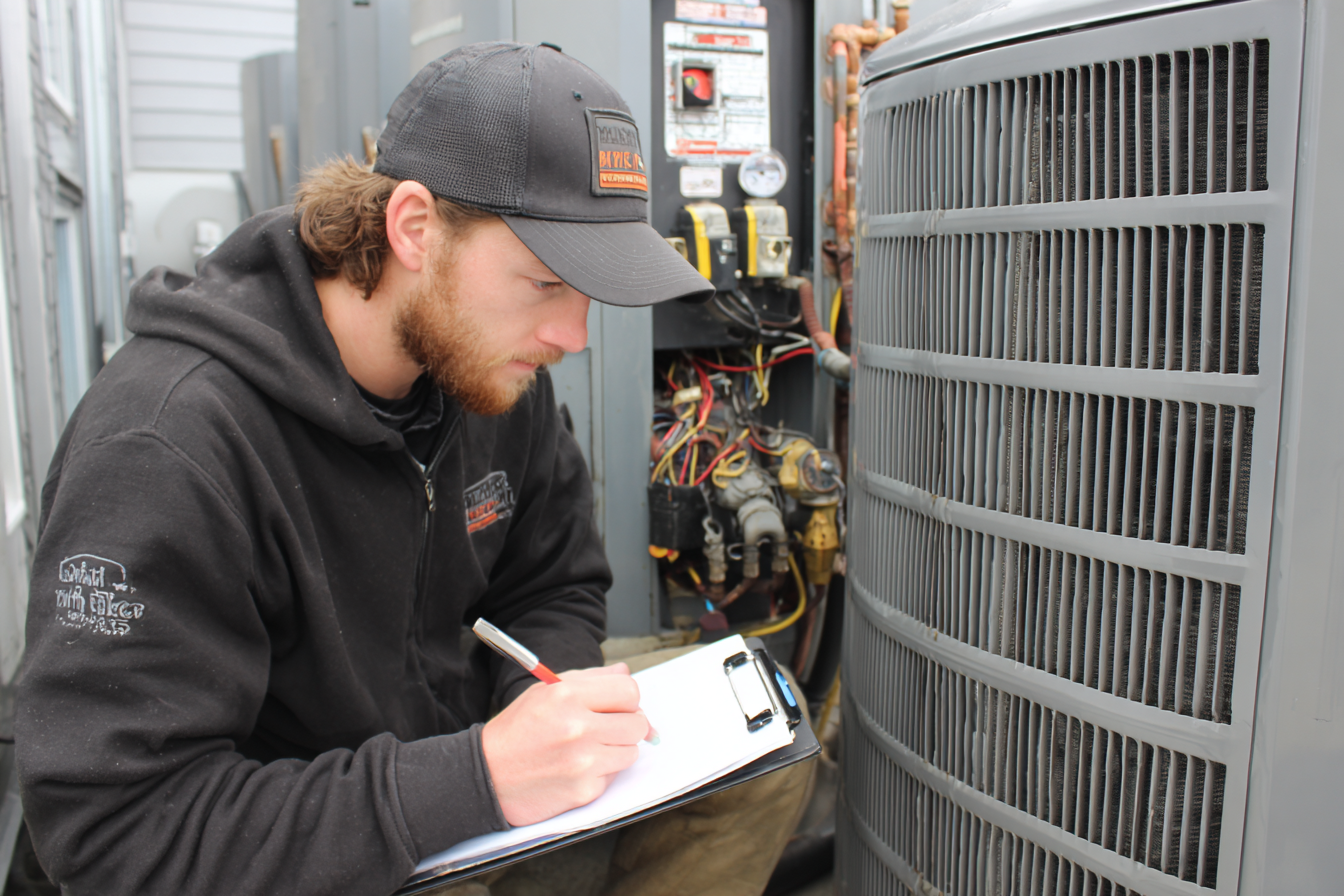
Regular HVAC inspections offer several key advantages for both efficiency and comfort:
Improved Energy Efficiency & Lower Utility Bills
Routine inspections help maintain your HVAC system’s efficiency, ensuring it operates at its best. Fixing issues like clogged filters or low refrigerant levels reduces energy consumption, leading to lower utility bills and improved energy efficiency.
Extended Equipment Lifespan & Fewer Emergencies
By addressing small issues early, regular inspections help extend the lifespan of your HVAC system. Well-maintained systems last longer and experience fewer breakdowns, reducing the likelihood of costly emergency repairs.
Better Indoor Air Quality & Comfort
A properly maintained system improves indoor air quality by reducing dust, allergens, and pollutants. Regular inspections also ensure your system provides consistent comfort, keeping your home or business at the ideal temperature year-round.
With the benefits of inspections clear, let’s now look at the ideal times to schedule an HVAC inspection to maximize its effectiveness.
When to Schedule an HVAC Inspection
Scheduling regular HVAC inspections is crucial for ensuring your system operates efficiently, safely, and without unexpected breakdowns. The timing of your inspections plays a key role in maintaining your system’s performance throughout the year.
Ideal Timing
The best times to schedule an HVAC inspection are typically in spring and fall. These transitional seasons offer a perfect opportunity to have your system checked before the demands of extreme temperatures—whether cooling in the summer or heating in the winter.
Spring: Before you switch on your air conditioning for the summer, a spring inspection ensures your cooling system is ready to handle the heat. The technician can clean the coils, check refrigerant levels, and inspect the air filters, helping you avoid system malfunctions during peak cooling season.
Fall: Before the colder months arrive, a fall inspection ensures your heating system is in top condition. The technician will check the furnace, clean components, and ensure everything is ready to keep you warm and comfortable throughout winter.
Scheduling your inspection during these off-peak seasons ensures that your HVAC system is prepared to run efficiently when you need it most.
Special Cases
In addition to regular seasonal inspections, there are other important times to schedule an HVAC inspection:
Older Systems: If your HVAC system is more than 10 years old, it’s especially important to schedule inspections regularly to catch any potential problems early. Older systems are more prone to wear and tear, which can lead to breakdowns and higher repair costs. Regular inspections can help prolong their lifespan and ensure they operate efficiently.
After Repair or Installation: If you've recently had repairs or a new HVAC system installed, scheduling an inspection shortly after completion ensures that the system is working properly and that all components are functioning correctly. It’s also a good time to make sure any repairs or installations were done properly and meet safety standards.
Before Selling or Buying: If you're selling or buying a home or commercial property, it's a good idea to schedule an HVAC inspection. A pre-sale inspection can provide buyers with confidence that the system is in good condition, while a post-purchase inspection can help new owners understand the system’s health and future maintenance needs.
By timing your HVAC inspection around these key moments, you can ensure that your system operates smoothly and efficiently, saving money and preventing inconvenient breakdowns. Once you have the timing in mind, let’s dive into the detailed checklist of an HVAC inspection so you’ll know exactly what to expect.
What Happens During an HVAC Inspection: A Detailed Checklist
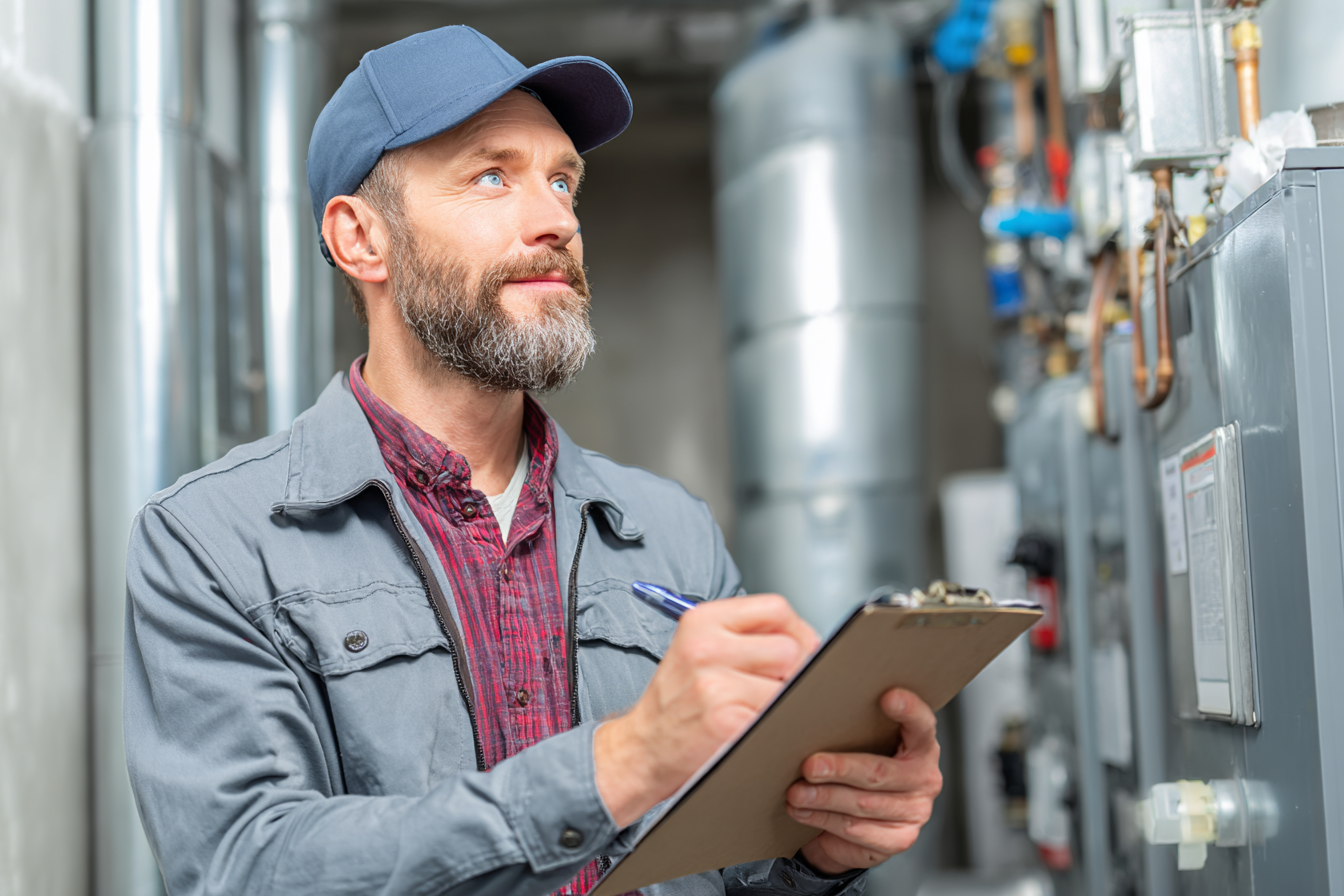
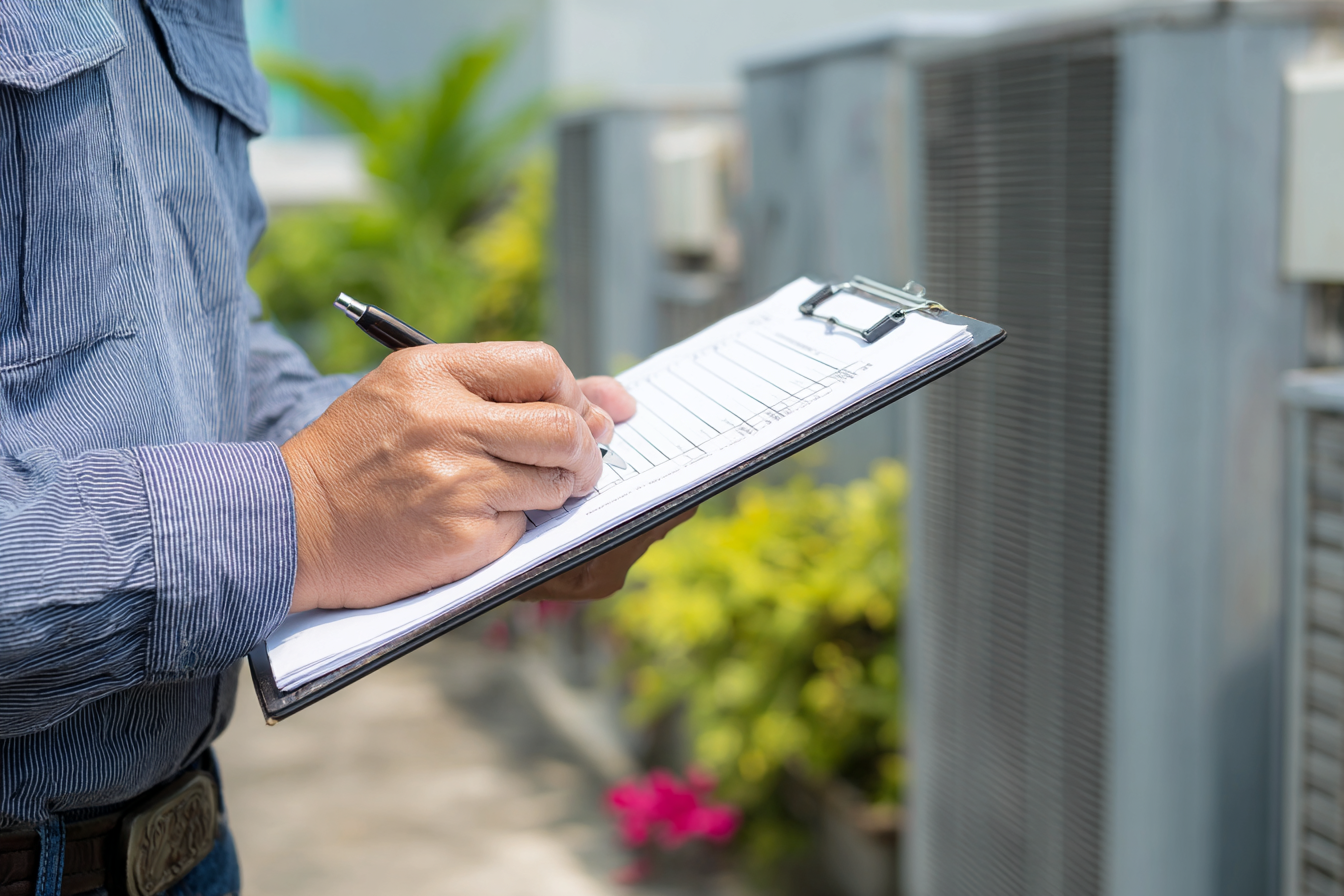
An HVAC inspection is a thorough process conducted by a professional technician to ensure your system is operating efficiently, safely, and in compliance with all necessary standards. Here’s a detailed checklist of what to expect during an inspection, covering both the indoor and outdoor components of your HVAC system:
Indoor System Checks
During an HVAC inspection, technicians begin with a thorough indoor system check to ensure all internal components are functioning properly. These checks include:
Air Filters: Inspecting and replacing air filters to ensure clean airflow and proper filtration.
Blower/Fan: Checking the blower and fan motor for any signs of wear, ensuring they run smoothly without obstruction.
Coils and Condensate Pan: Cleaning the evaporator and condenser coils to remove dirt and debris, and checking the condensate pan for any clogs or water buildup.
Thermostat Calibration: Ensuring the thermostat is calibrated accurately to maintain consistent temperature control and efficiency.
Safety Controls: Verifying safety controls like the high-temperature limit switch and the system’s emergency shut-off function to ensure safe operation.
Outdoor System & Cooling/Heating Unit Checks
The technician will then inspect the outdoor components of your HVAC system. This includes:
Condenser/Heat-Pump Unit: Inspecting the condenser or heat pump for any debris, damage, or wear, and ensuring it is free of obstructions to allow for proper airflow.
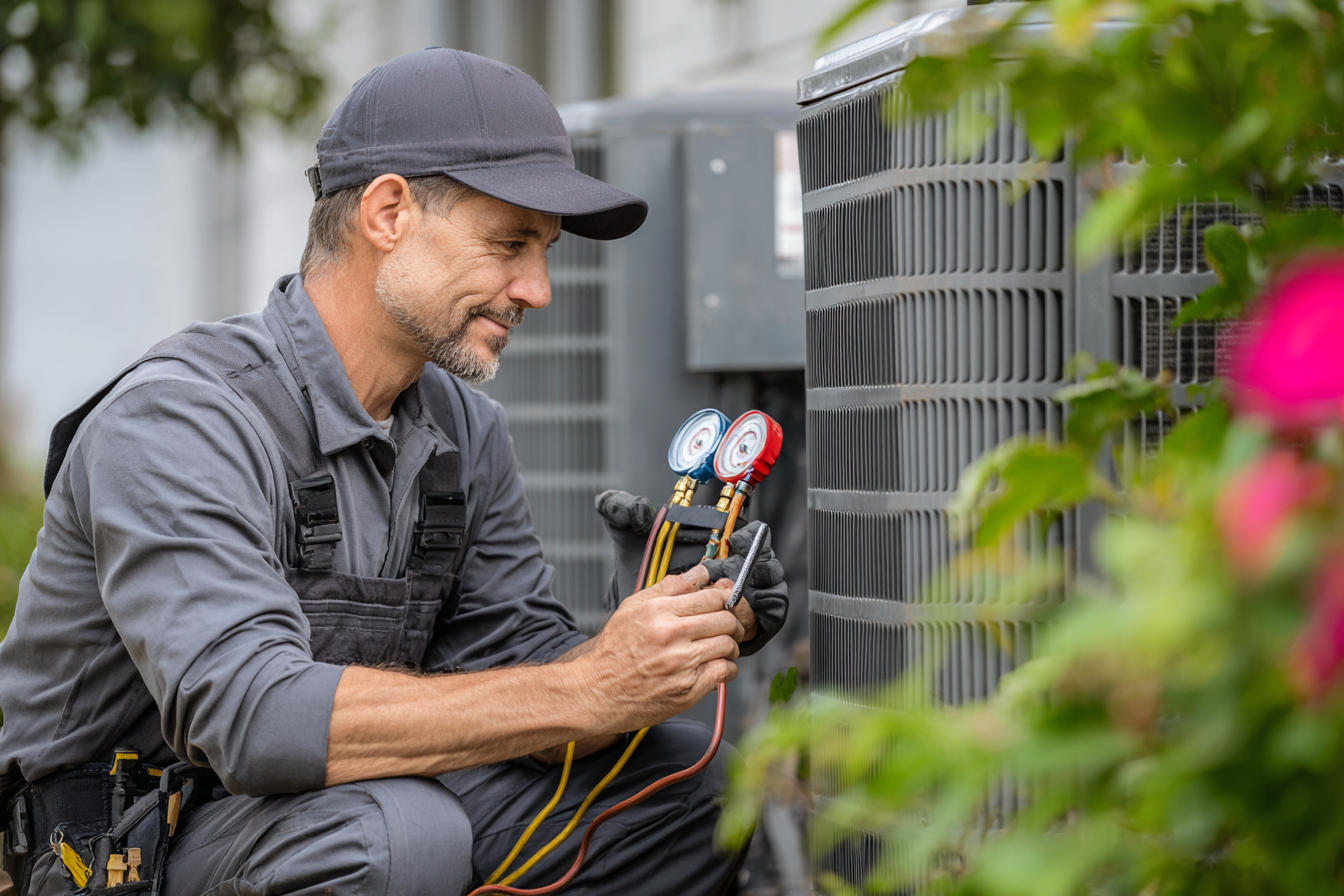
Refrigerant Levels/Pressure: Checking refrigerant levels and pressure to ensure they are within the manufacturer’s specifications. Low refrigerant levels can indicate leaks or other issues.
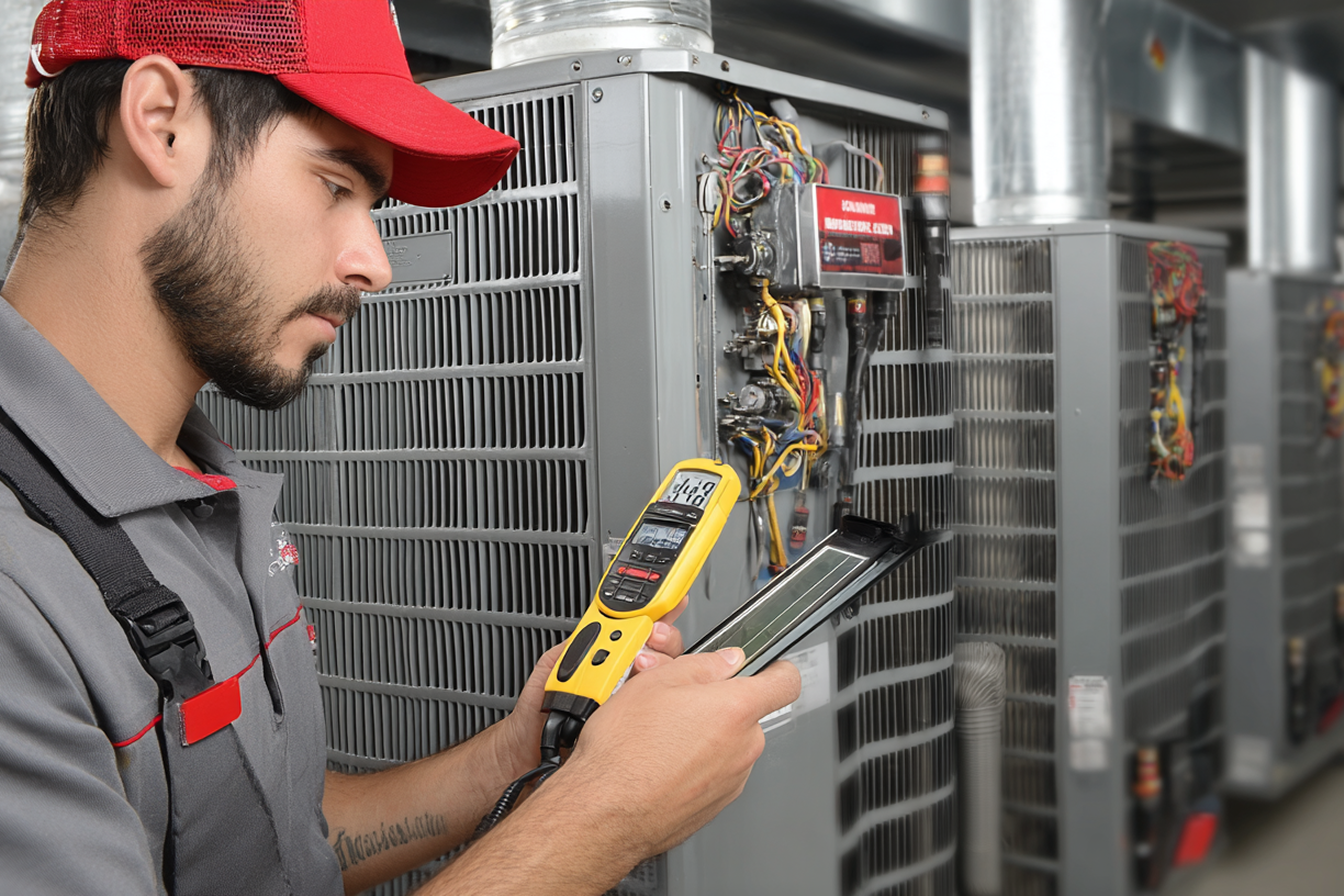
Electrical Connections: Verifying all electrical components, including connections, capacitors, and wires, to ensure they are secure and in good condition.
Drain Lines: Inspecting the drainage system to ensure it is functioning correctly and free of blockages, which could cause water damage or inefficiency.
Outdoor Fan: Checking the outdoor fan’s performance to ensure it is operating correctly without excessive noise or vibration.
Airflow, Ductwork & Ventilation Inspection
Proper airflow and ventilation are crucial for maintaining an efficient HVAC system. During the inspection, the technician will:
Duct Leaks: Inspecting the ductwork for leaks or cracks that can lead to energy loss and uneven heating or cooling.
Vent Balance: Ensuring all vents are properly balanced to provide even air distribution throughout the property.
Return/Supply Flow Check: Verifying that the return and supply air flows are balanced and unobstructed, ensuring consistent airflow and system efficiency.
Insulation Checks: Checking the insulation around ducts to prevent energy loss and ensure optimal performance.
Safety & Performance Tests
The technician will conduct a series of safety and performance tests to ensure the system is operating safely and efficiently:
Gas Lines/Combustion Safety (for furnaces): Inspecting gas lines and the combustion system for any leaks or safety concerns, ensuring the system operates without risk of carbon monoxide exposure.
CO Detection: For systems that burn fuel, checking carbon monoxide (CO) detection to ensure there are no dangerous emissions.
Wiring Checks: Verifying that all wiring is in good condition, properly connected, and free of damage to prevent electrical hazards.
System Startup Test: Testing the HVAC system’s startup cycle to ensure all components are functioning properly when the system is powered on.
An HVAC inspection covers several crucial tasks to ensure your system is running smoothly. After understanding the checklist, it is important to weigh the options between DIY checks and professional service. Let’s explore the differences between them.
DIY vs. Professional Inspection: What You Should Expect
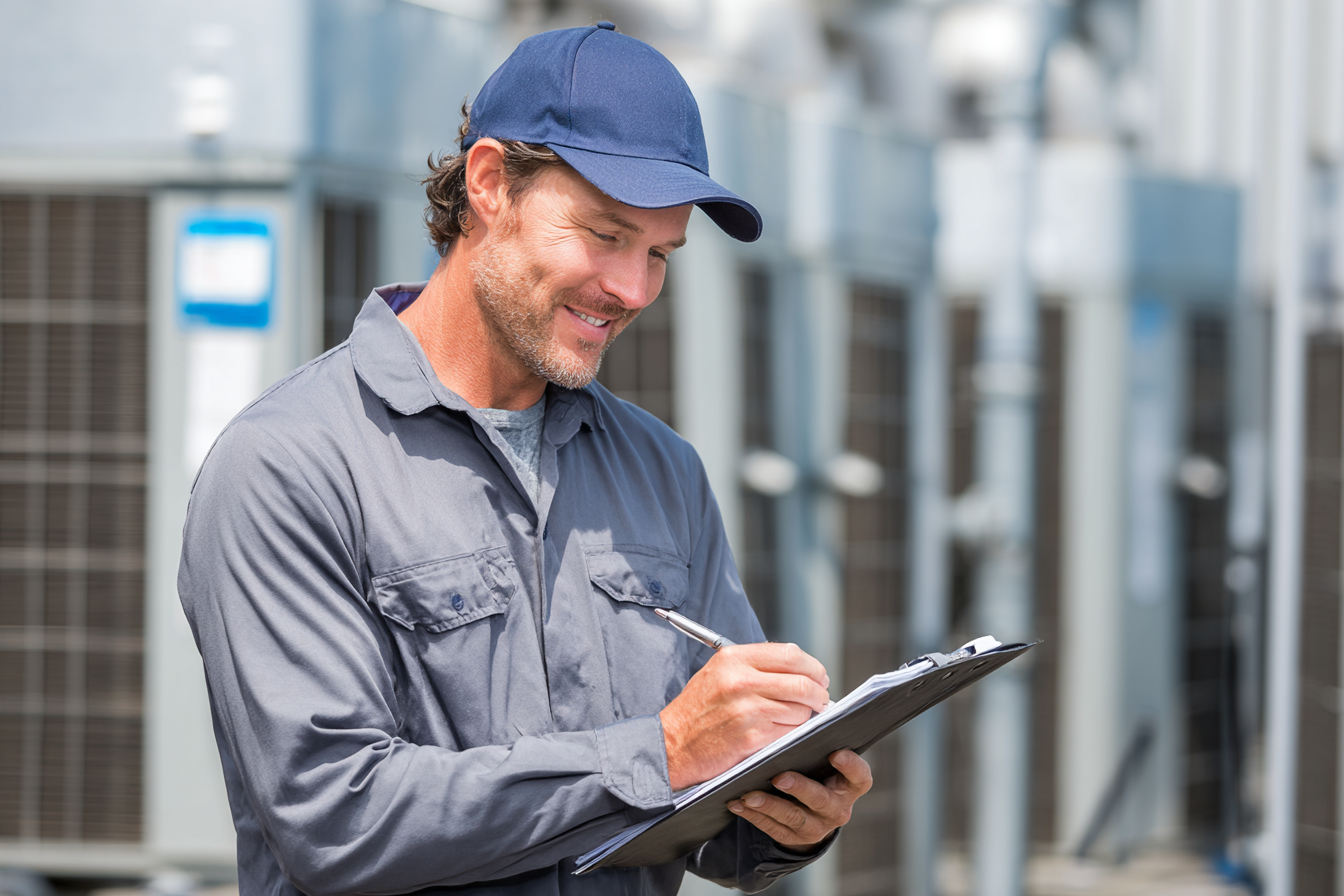
While regular HVAC maintenance is essential for system performance, not all inspection tasks should be done yourself. Here’s a breakdown of what you can handle on your own and when it’s best to call in a professional technician.
Simple Checks You Can Do Yourself
While some HVAC maintenance tasks require professional expertise, there are a few simple checks you can do yourself to keep your system running smoothly:
Change air filters: Clogged filters restrict airflow and reduce efficiency. Changing them every 1-3 months helps maintain airflow.
Clean vents: Dust and debris can accumulate in vents, reducing airflow. Regularly vacuuming or dusting vents can keep them clear.
Check the thermostat: Ensure your thermostat is set correctly and that it’s responding to temperature changes.
Inspect the outdoor unit: Keep the area around the outdoor unit free from leaves, debris, or any obstructions that may block airflow.
These simple tasks can help improve system performance and reduce energy use, but they only cover the basics.
Why Hiring a Professional Matters
While DIY maintenance can help maintain your system, hiring a professional HVAC technician ensures a thorough inspection. Professionals have the expertise to perform detailed checks that go beyond what homeowners can do on their own, including:
Thoroughness: Technicians can inspect internal components, electrical systems, and refrigerant levels—areas that require specialized tools and knowledge.
Safety: Gas lines, electrical connections, and combustion systems require expert handling to ensure safety. Incorrect handling could lead to dangerous situations like carbon monoxide leaks or electrical hazards.
Diagnostics: Professionals can identify underlying issues before they become serious problems. They can also run diagnostic tests to ensure your system is operating efficiently and in compliance with safety standards.
By hiring a professional, you are ensuring that your HVAC system is not only performing optimally but is also safe to operate.
With a clearer understanding of what to expect from both DIY and professional inspections, let's explore how Quality Comfort Solutions can help you maintain your HVAC system.
Why Choose Quality Comfort Solutions for Your HVAC Inspection Needs
When it comes to ensuring your HVAC system runs smoothly, choosing the right inspection service is crucial. Quality Comfort Solutions provides expert HVAC inspection services in Yonkers, NY, and Westchester County, NY, helping you make informed decisions about your system's health and efficiency.
Our services include:
Maintenance & Repair Services: Keep your heating systems running at their best with our expert maintenance and repair services. We handle everything, from seasonal tune-ups to emergency repairs, ensuring your systems stay efficient and reliable.
Custom installations: Enhance your comfort with our professional installations. Whether it's a boiler, furnace, heat pump, ductless system, or central air system, we specialize in delivering precision installations that fit your space and optimize performance.
Residential & Light Commercial Services: We proudly serve both residential and light commercial properties with expert heating and cooling solutions. Free estimates are included, so you can make an informed decision about your system’s needs.
Conclusion
Regular HVAC inspections are vital for maintaining the efficiency, safety, and comfort of your home or business. By scheduling inspections at least twice a year—ideally in spring and fall—you can prevent unexpected breakdowns, ensure optimal performance, and reduce energy costs. Don’t wait until the peak seasons hit; having your HVAC system inspected before the weather changes helps you stay prepared for heating and cooling demands, keeping your system running smoothly year-round.
Schedule your HVAC inspection today with Quality Comfort Solutions. Our expert technicians will provide a comprehensive inspection, ensuring your system is operating at its best. Contact us for a free estimate and enjoy peace of mind knowing your HVAC system is in top condition.
FAQs
How often should I get my HVAC system inspected?
It’s recommended to have your HVAC system inspected twice a year—once before the heating season and once before the cooling season.
What does an HVAC inspection include?
An HVAC inspection includes checking key components such as air filters, coils, refrigerant levels, ductwork, safety controls, and the overall performance of your system.
Can I perform an HVAC inspection myself?
While some basic maintenance tasks like changing air filters can be done yourself, a full HVAC inspection should be conducted by a professional technician to ensure safety and thoroughness.
How long does a typical HVAC inspection take?
A typical HVAC inspection takes 1-2 hours, depending on the size and complexity of the system being inspected.
How much does an HVAC inspection cost?
The cost of an HVAC inspection can vary, but it typically ranges from $75 to $150, depending on your location and the services included.