Drive link : https://drive.google.com/drive/folders/1FC53Hx6VJqWGQE0k71BaNr1IpXaNfWrs?usp=sharing
PK: How to determine size of heating and air conditioning system
Meta Description: Learn how to determine size of heating and air conditioning system for your home using load calculations, BTUs, and expert tips to avoid costly sizing mistakes.
Choosing the right HVAC system size for your home isn’t about buying the most powerful unit. Nearly 50% of a home’s energy use goes toward heating and cooling, which means system size plays a crucial role in comfort, energy bills, and long-term costs. An incorrectly sized system can lead to uneven temperatures, higher energy usage, and faster equipment wear.
Proper HVAC sizing directly affects energy consumption, system performance, indoor air quality, and maintenance needs. An appropriately sized system will run efficiently, maintain stable temperatures, reduce component wear, and ultimately contribute to a more predictable, lower-cost operation.
This guide walks you through the key concepts, factors, and methods for determining the right HVAC system size for your home.
At a Glance:
HVAC system size refers to the heating and cooling capacity required to meet your home’s thermal demands under normal and peak conditions.
Correct system sizing ensures consistent comfort, better humidity control, lower energy usage, and reduced wear on HVAC components.
Home size, layout, insulation quality, window placement, climate, occupancy, and ductwork design all influence the required HVAC capacity.
Use methods like Manual J load calculations with software tools to validate sizing against basic square-footage estimates.
A step-by-step sizing process and awareness of common mistakes help prevent over- or undersized systems and ensure reliable long-term performance.
What Does “HVAC System Size” Really Mean?
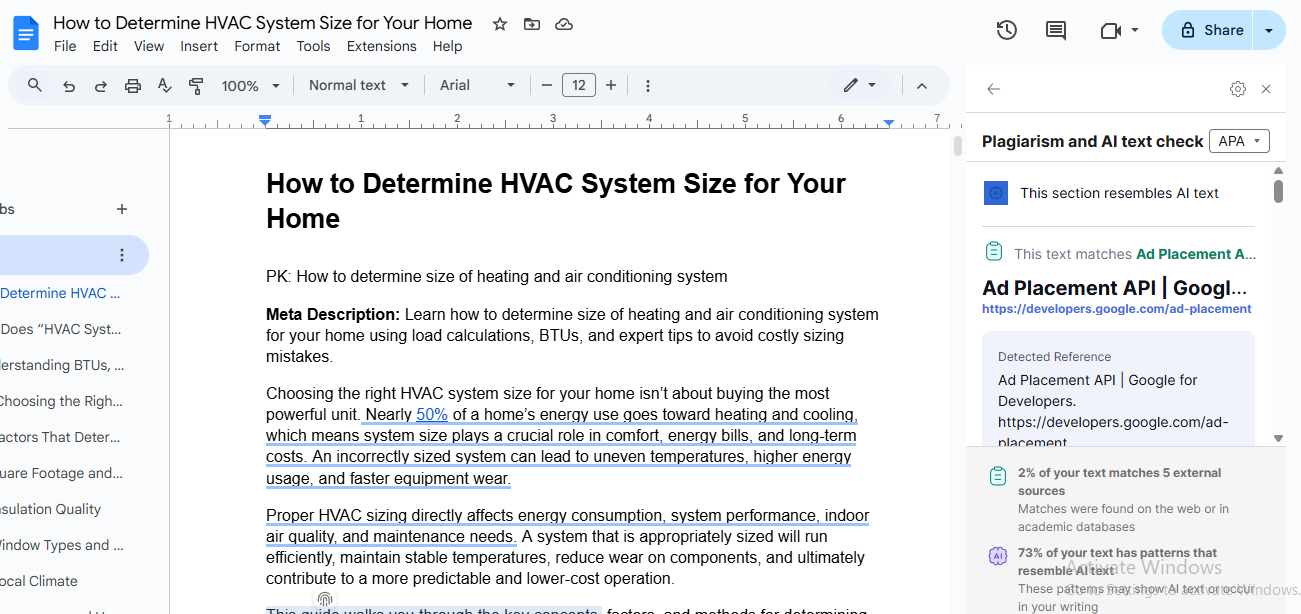
Determining HVAC system size isn’t about choosing a number on a product spec sheet. It’s referred to as the capacity of the heating and cooling equipment, the amount of thermal energy it can add or remove from your home in a given time.
It’s about how much heat the system can handle relative to what your home requires under typical and peak conditions. Sizing is measured in units that relate directly to thermal throughput and performance capabilities.
Understanding BTUs, Tons, and Capacity Ratings
HVAC sizing terminology can feel technical, but each metric plays a specific role in matching a system to your home’s heating and cooling demand.
Here’s a clear breakdown of specific terms used:
BTUs (British Thermal Units)
BTU is the amount of energy needed to raise or lower the temperature of one pound of water by one degree Fahrenheit. In HVAC terms, BTU/hour measures the rate of heating or cooling a system can provide.
Higher BTU ratings mean more capacity. Correct BTU sizing is essential to match the system to your home’s exact requirements.
Tons (Cooling Capacity):
In HVAC, “tons” refer to cooling capacity rather than physical weight. One ton equals 12,000 BTUs per hour of cooling. For example, a 3-ton system can remove approximately 36,000 BTUs of heat every hour.
Residential central air conditioners typically range from 1.5 to 5 tons, depending on home size and cooling requirements.
Capacity Ratings and Efficiency:
Capacity ratings often include efficiency metrics like SEER (cooling) and AFUE (heating). These numbers help you predict energy usage and operational costs, allowing you to choose a system that balances performance with affordability.
However, efficiency should complement proper sizing, not replace load calculations.
Understanding these terms helps you evaluate recommendations more confidently and avoid over- or undersizing.
If you’re unsure about your home’s tonnage needs, a professional assessment from Quality Comfort Solutions can help verify the right size without guesswork.
Why is choosing the Right HVAC Size is Crucial for Your Home?
Selecting the correct HVAC system size impacts comfort, costs, and long-term performance. Here’s why it matters:
Energy Efficiency: A system that is too large cycles on and off frequently, using more electricity while failing to maintain consistent temperatures. Conversely, an undersized unit runs constantly, raising energy use and utility bills.
Equipment Lifespan: Oversized units experience short cycling, while undersized units work overtime to meet demand. Both scenarios accelerate wear and tear, potentially shortening the system’s lifespan and increasing repair frequency.
Temperature Consistency: A correctly sized HVAC unit maintains even temperatures throughout the home. Oversized systems may create hot and cold spots, while undersized systems struggle to reach desired comfort levels across all rooms.
Humidity Control: Proper system sizing helps regulate indoor humidity effectively. Oversized air conditioners cool the air quickly but may not run long enough to remove excess moisture, leading to a damp, uncomfortable environment.
Indoor Air Quality: When undersized systems run continuously, they reduce air filtration efficiency, allowing dust, allergens, and pollutants to circulate more freely.
Maintenance Requirements: Systems running too frequently or cycling too often need more inspections, repairs, and component replacements, increasing overall maintenance costs.
Choosing the right HVAC size keeps your home comfortable year-round while controlling energy use, maintenance, and operational issues.
Key Factors That Determine HVAC System Size for a Home
Determining the right HVAC size requires analyzing multiple factors. Each home is unique, so a system that works for one may not suit another.
Key factors include:
Square Footage and Layout: Larger homes or multi-story layouts require systems with higher capacity. Open floor plans distribute air differently than segmented spaces, affecting temperature balance.
Insulation Quality: Well-insulated homes retain heat in winter and cool air in summer. Older or poorly insulated homes need larger units to compensate for energy loss.
Window Types and Placement: Windows affect solar gain and heat loss. Single-pane windows or large south-facing windows increase the cooling load, while high-quality windows reduce it.
Local Climate: The seasonal temperature ranges and humidity levels in Yonkers and Westchester County influence heating and cooling needs. Systems suited for mild climates may struggle in colder winters or hotter summers.
Occupancy and Usage Patterns: More occupants generate additional heat and moisture, impacting HVAC performance. Similarly, homes with frequent appliance usage may require adjustments to the system size.
Ductwork Design: Properly sized ducts deliver consistent airflow and reduce energy waste; undersized or leaky ducts may require adjustments in system capacity.
If you want to ensure all these factors are evaluated correctly, Quality Comfort Solutions can help perform a full home assessment for accurate sizing.
Methods Used for Determining HVAC System Size for Your Home

Professional HVAC contractors use several methods to calculate the correct system size. You should understand these approaches to ensure accurate results.
Manual J Load Calculation
This is the most accurate and widely accepted method for determining HVAC size in residential settings. It calculates how much heating or cooling a home truly needs by accounting for the home’s unique characteristics, rather than relying on rough estimates.
Detailed heat and cooling evaluation: Considers insulation, windows, doors, ceiling height, occupancy, and local climate.
Industry standard: Recognized by building codes, manufacturers, and energy programs as the authoritative sizing approach.
Reduces guesswork: Helps you avoid common issues like oversized cycling or undersized systems that can’t meet demand.
Manual J creates a load profile that reflects the actual heating and cooling energy your home needs, helping you confidently select the right-sized system.
Square Footage Rule‑of‑Thumb Estimates
This method uses general sizing guidelines based on the area of your home. It’s simple but limited because it doesn’t consider many factors that impact real load requirements.
Quick reference: Estimates BTUs or tons based on square footage (e.g., ~20 BTU per sq ft).
Fast sanity check: Useful for rough comparisons but not precise sizing.
Doesn’t account for details: Ignores insulation quality, window orientation, air leakage, and climate differences.
Rule‑of‑thumb estimates are best used as a starting point, not as the sole basis for system selection.
Software‑Assisted Load Calculation Tools
Modern HVAC design tools and calculators use software to simulate load conditions based on specific home inputs. These tools often follow Manual J logic and can provide more accurate sizing estimates than simple formulas.
Data‑driven inputs: Users enter details like square footage, insulation level, window count, and occupancy.
Faster results: Software can produce load estimates quickly, with options to export or compare results.
More precise than rules of thumb: Better reflects real conditions, especially when following Manual J principles.
These tools can support professional sizing decisions or help you check estimates before consulting a contractor.
Applying these methods helps your system deliver stable comfort, protect components, and lower operating costs.
Step-by-Step Process to Calculate HVAC System Size for Your Home
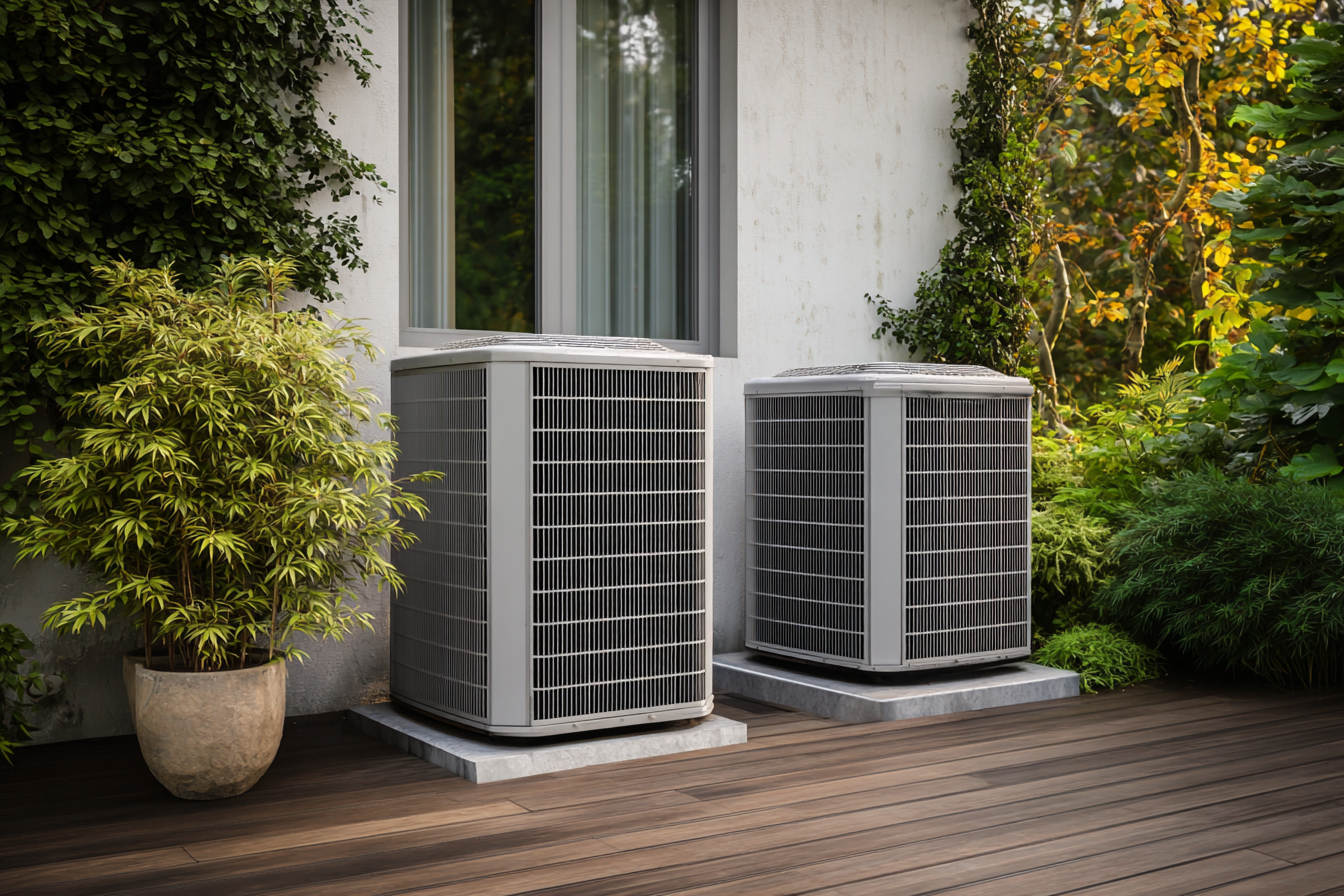
Determining the correct HVAC system size involves a systematic approach that accounts for your home’s unique characteristics. Breaking the process into clear steps makes it easier to follow while ensuring nothing important is overlooked.
Here’s the process you can follow:
1. Gather Home Specifications
Before you start any calculations, collect all relevant information about your home’s structure and features. Reliable data forms the base for precise HVAC sizing.
Key Details to Collect:
Floor Area and Layout: Measure the square footage of each room, the ceiling height, and the total living space.
Construction Materials: Identify insulation type, wall and roof materials, and window specifications.
Occupancy and Appliances: Note how many people regularly live in the home and how many heat-producing appliances are in use.
This step helps you account for every factor affecting heating and cooling loads before moving on to calculations.
2. Estimate Heat Gains and Losses
The next step is determining how much heating or cooling your home requires by calculating heat gain and heat loss throughout the space.
Areas to Evaluate:
External Heat Gain/Loss: Consider sunlight through windows, walls, and roof insulation.
Internal Heat Gain: Account for body heat, electronics, lighting, and appliances.
Seasonal Variation: Include differences in summer cooling needs versus winter heating requirements.
Accurately estimate these loads to prevent the system from being oversized or undersized, maintaining comfort and improving performance.
3. Perform a Load Calculation
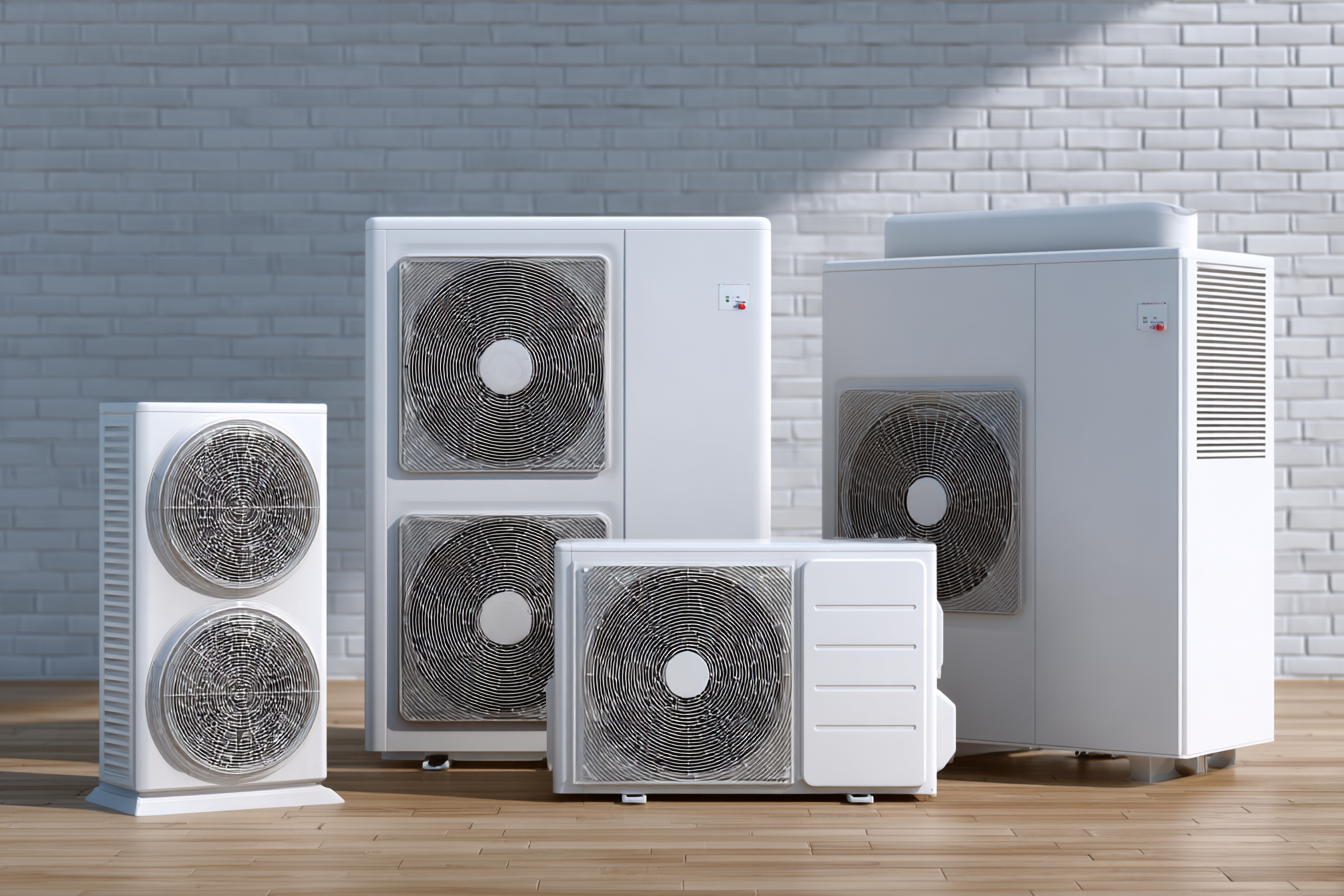
Use professional methods like a Manual J calculation to quantify your home’s heating and cooling requirements. This step translates all the data into precise system capacity numbers.
Calculation Considerations:
Cooling Load (BTU/hour): Amount of heat the system must remove to keep indoor temperatures comfortable.
Heating Load (BTU/hour): Amount of heat needed to maintain warmth during cold conditions.
Room-by-Room Analysis: Determines if different areas require zoning or additional airflow adjustments.
A thorough load calculation provides a reliable target capacity for both heating and cooling equipment.
4. Convert Load to Equipment Capacity
Once you have the load in BTUs, convert it into the equipment specifications your HVAC contractor will use to select the right system.
Key Conversion Factors:
Tons for Cooling: Divide the total cooling BTU by 12,000 to find the tonnage.
Heating Output: Match the heating BTU to the appropriate furnace or heat pump rating.
Efficiency Adjustments: Factor in the system’s efficiency rating (SEER for cooling, AFUE for heating) to determine the actual capacity needed.
Proper alignment helps your HVAC unit run at the intended load without short cycling or overworking.
5. Evaluate Ductwork and Air Distribution
Even a perfectly sized unit can underperform if airflow isn’t properly managed. Ducts play a critical role in delivering conditioned air efficiently.
Key Considerations:
Duct Size and Layout: Confirm that ducts are sized to support the required airflow for each room.
Airflow Balancing: Use dampers or zoning to adjust airflow and avoid hot or cold spots.
Condition and Sealing: Inspect ducts for leaks or blockages that could reduce effective system capacity.
Proper duct evaluation ensures the HVAC system operates as intended and delivers comfort evenly throughout the home.
6. Final Adjustment and Professional Review
Before making a purchase, review the calculations with a licensed HVAC professional. This step confirms your assumptions and makes sure the system fits your home’s needs.
What to Review:
Verify Room-Level Loads: Ensure each room receives adequate heating or cooling.
Check Equipment Ratings: Confirm the selected model meets the required BTU/tonnage.
Consider Future Changes: Account for renovations, additions, or upgrades that might affect load.
A professional review provides confidence that the system size is accurate, reducing the risk of inefficiency or premature wear.
Following this structured approach reduces guesswork, protects your investment, and helps your system deliver the best performance.
Common HVAC Sizing Mistakes to Avoid
Even small errors in HVAC system sizing can have noticeable impacts. Watch for these common mistakes:
Oversizing the System: Leads to short cycles, poor humidity control, and increased component wear.
Undersizing the System: Causes continuous operation, uneven temperatures, and excessive energy use.
Ignoring Insulation and Window Orientation: Overlooks factors that significantly affect heating and cooling needs.
Overlooking Distribution Systems: Duct quality and layout affect how effectively the system delivers air; ignoring this leads to poor performance even with correct sizing.
Relying Solely on Square Footage: A simple estimate does not account for climate, layout, or internal heat sources.
Skipping Professional Assessment: DIY sizing often results in mismatched capacity, increasing repair costs and reducing system lifespan.
Avoiding these mistakes helps maintain comfort, reduce repair costs, and extend the life of your HVAC equipment.
How Quality Comfort Solutions Helps You Choose the Right HVAC System Size?
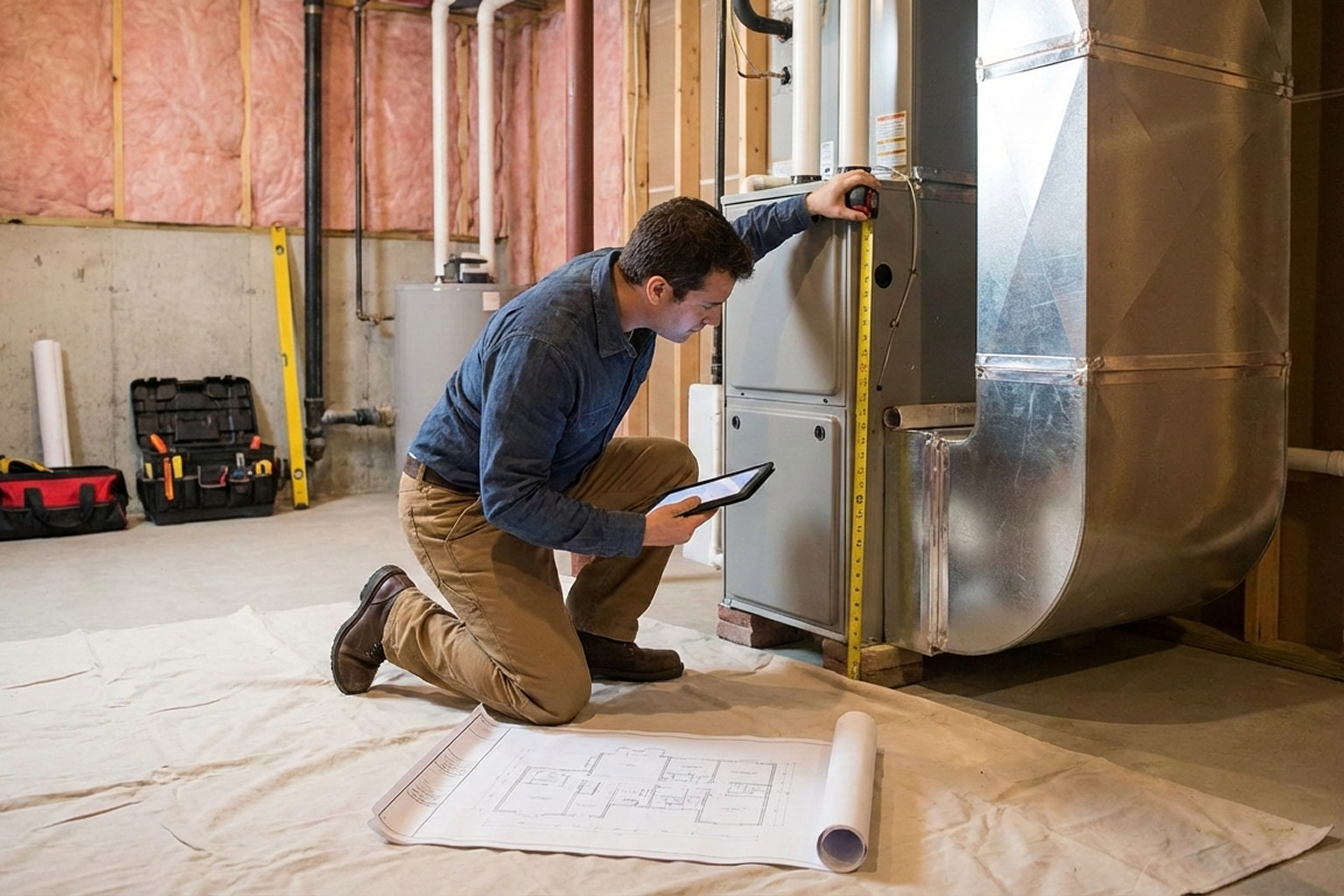
At Quality Comfort Solutions, we combine local expertise with professional assessment to ensure your HVAC system is sized accurately for your home.
Here’s how we can assist you:
Accurate Load Calculations: We perform precise Manual J calculations to determine the exact heating and cooling needs of your home, factoring in size, layout, and insulation.
Customized Recommendations: Every home is unique; we evaluate windows, ceiling height, and occupancy patterns to suggest a system that fits your specific requirements.
Licensed and Certified Technicians: Our team brings years of expertise, ensuring every installation is done correctly, safely, and in compliance with industry standards.
Energy and Cost Considerations: We recommend systems that balance performance with predictable energy use, helping you avoid overspending on oversized or inefficient units.
Ongoing Maintenance Support: Beyond installation, we provide seasonal inspections and tune-ups to maintain performance, reduce breakdowns, and extend system life.
24/7 Customer Assistance: Our team is available for questions or support at any time, providing peace of mind that your home will stay comfortable year-round.
By using a professional approach, we help homeowners avoid common sizing mistakes and ensure that every system installed delivers reliable comfort and energy-conscious performance.
Conclusion
Selecting the right HVAC system size is more than just a technical choice; it directly affects comfort, efficiency, and cost. Homeowners should evaluate square footage, insulation, windows, local climate, and occupancy before making decisions. Proper sizing reduces downtime, minimizes energy waste, and extends the life of your system.
Professional guidance is essential. Working with a licensed HVAC contractor, like Quality Comfort Solutions, ensures your system is tailored to your home’s unique needs. Our team helps you navigate calculations, select the right unit, and maintain it for years of reliable performance.
Contact us for a free estimate to ensure your home receives the comfort and efficiency it deserves.
FAQs
How do I calculate the required BTU capacity for my HVAC system?
Estimate BTUs by multiplying your home’s square footage by 20–30 BTUs per square foot. Adjust for climate, insulation quality, ceiling height, window size, and sun exposure. For accuracy, a detailed load calculation is recommended.
How do insulation levels and window types impact HVAC sizing calculations?
Better insulation and energy-efficient windows reduce heat gain and loss, lowering required BTUs. Poor insulation or single-pane windows increase the workload, requiring a larger HVAC system to maintain consistent indoor temperatures year-round.
Should I account for ceiling height and the number of floors when sizing my HVAC system?
Yes, higher ceilings increase air volume, raising BTU needs. Multiple floors affect airflow and temperature distribution, often requiring zoning or higher capacity. Ignoring these factors can lead to uneven cooling, heating inefficiency, and comfort issues.
What is the Manual J load calculation, and do I need a professional for it?
Manual J is a standardized method that calculates heating and cooling loads based on home size, layout, insulation, windows, climate, and occupancy. While online tools exist, a professional ensures precise sizing and avoids costly over- or undersizing.
How does my home's square footage affect HVAC sizing?
Square footage is the starting point for HVAC sizing because larger spaces require more energy to heat or cool. However, it must be combined with insulation quality, layout, ceiling height, and climate for an accurate BTU requirement.