Your Heating, Ventilation, and Air Conditioning (HVAC) system plays a critical role in keeping your home comfortable throughout the year, whether it’s cooling in the summer or heating in the winter.
The global HVAC system market is expected to reach $407.77 billion by 2030, highlighting how important these systems are to modern homes.
Because heating and cooling systems are a major investment, understanding how long HVAC systems last helps homeowners plan ahead, avoid surprise failures, reduce energy costs, and make smarter maintenance decisions.
When we talk about HVAC lifespan, we’re referring to the average number of years a system can operate reliably before replacement becomes more cost-effective than continued repairs. Maintenance includes routine tasks like air filter changes, professional inspections, seasonal tune-ups, and timely repairs that keep the system running efficiently.
This guide breaks down the average lifespan of different HVAC systems, the key factors that affect longevity, proven maintenance practices that extend system life, and more.
Core Takeaways:
Most HVAC systems last 10–20 years, depending on system type, climate conditions, usage frequency, installation quality, and regular professional maintenance.
Consistent maintenance, including filter changes and seasonal tune-ups, significantly extends HVAC lifespan, improves efficiency, and reduces unexpected breakdowns and repair costs.
Warning signs like rising energy bills, frequent repairs, uneven temperatures, and unusual noises often indicate an aging HVAC system nearing replacement.
Replacing HVAC systems becomes smarter when repair costs exceed 50–60% of replacement value and efficiency declines with age.
Proactive inspections, maintenance planning, and timely upgrades help homeowners avoid emergencies, lower energy costs, and maximize long-term HVAC system value.
Typical Lifespan of HVAC Systems
The lifespan of an HVAC system depends largely on the type of equipment installed, how often it runs, and how well it’s maintained over the years. While no system lasts forever, most modern HVAC units are designed to operate reliably for a decade or more under normal residential conditions.
Below are the average lifespan ranges for common HVAC systems:
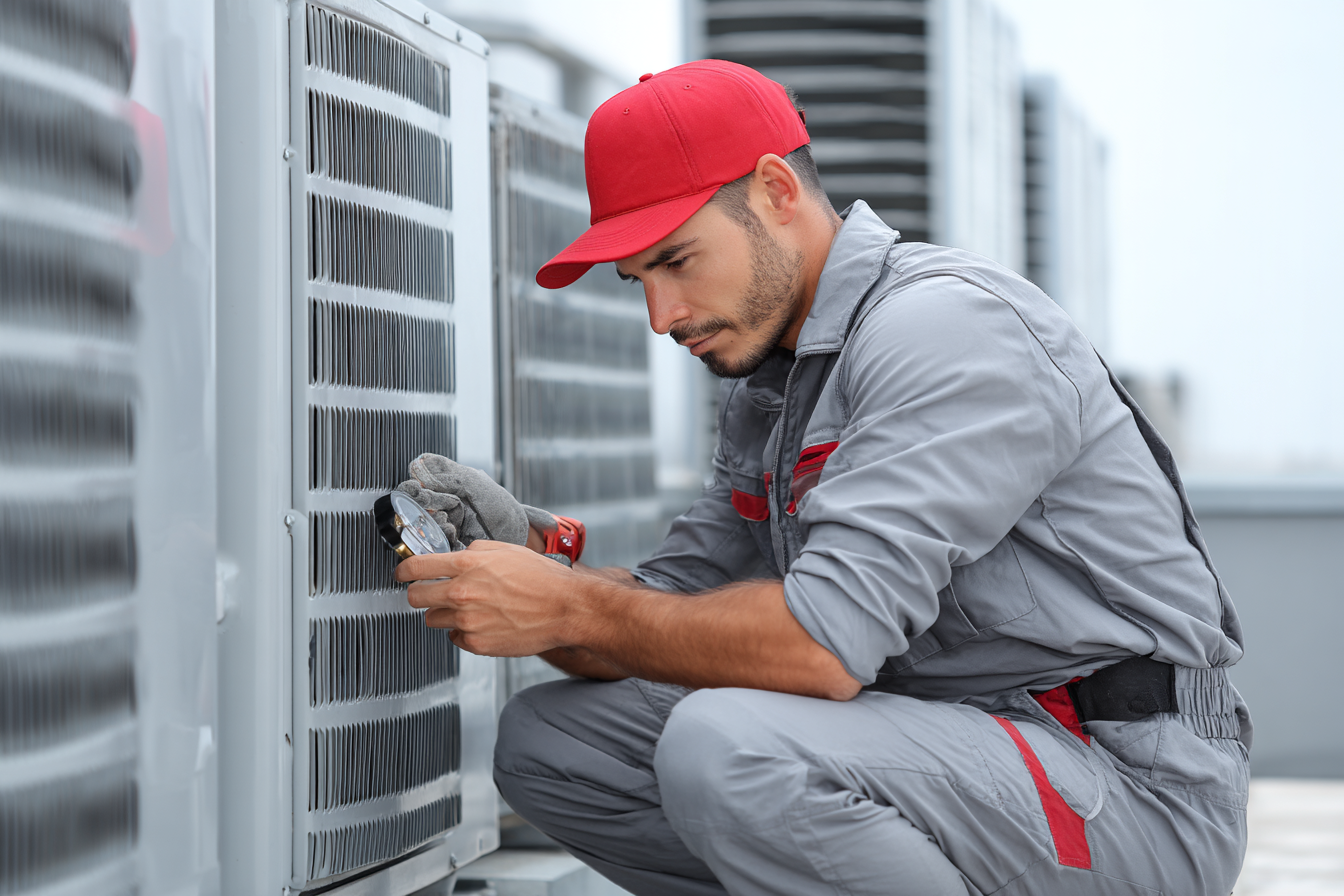
Central air conditioners: Most central AC systems last 10 to 15 years. With consistent maintenance and proper installation, some units can exceed 17 years.
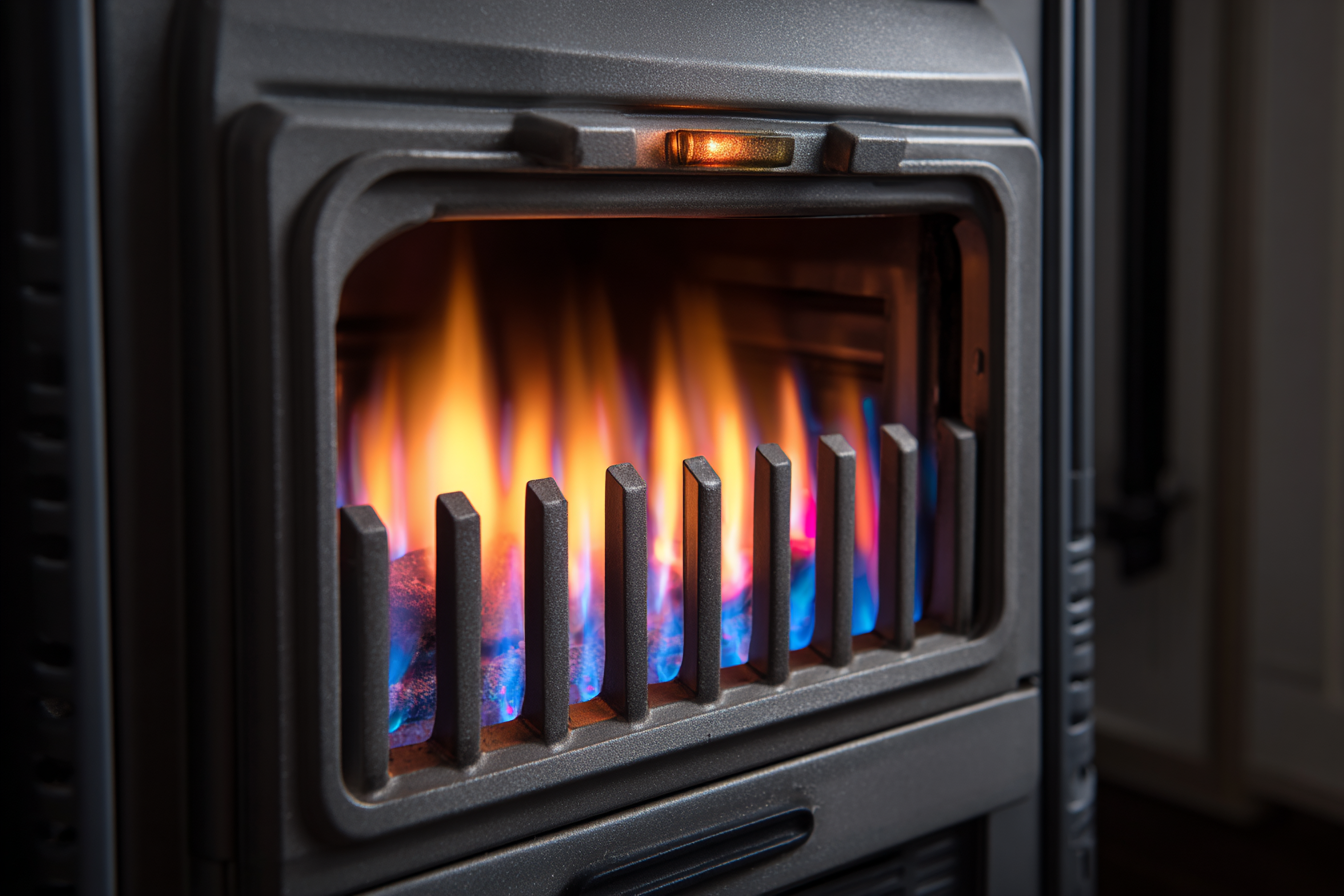
Furnaces (gas or electric): Furnaces typically last 15 to 20 years, with gas furnaces often reaching the higher end of that range when serviced annually.
Heat pumps: Because heat pumps provide both heating and cooling, they tend to wear faster, averaging 10 to 15 years of service.
Boilers: Boilers are known for durability, often lasting 15 to 30 years or more, particularly older cast-iron models.
Ductless mini-split systems: Mini-splits generally last 15 to 20 years, depending on usage and maintenance.
It’s important to note that these are averages. Homes in areas like Westchester County may experience slightly shorter lifespans due to heavy seasonal use, especially during prolonged winter heating and summer cooling periods.
Factors That Influence HVAC Lifespan
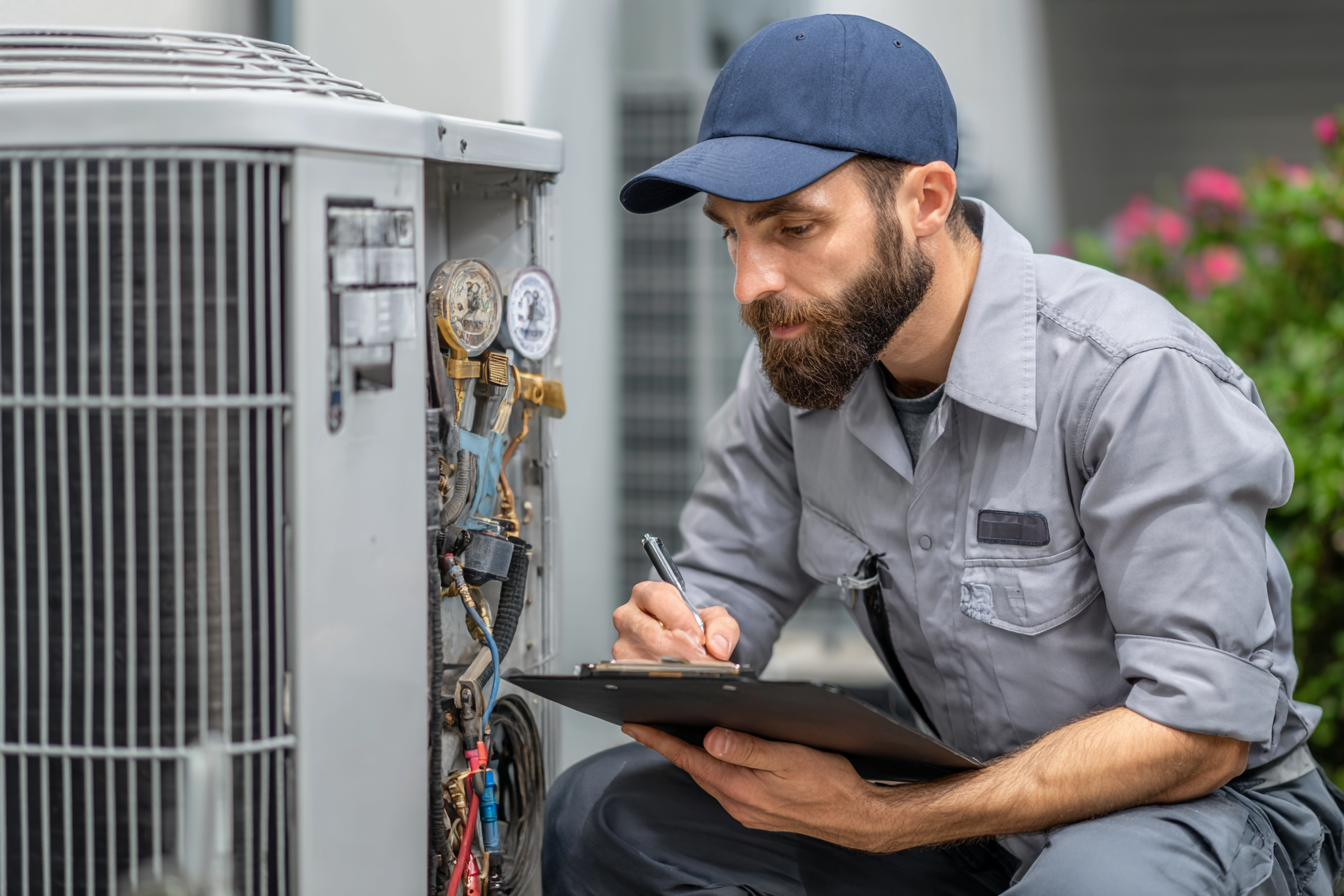
While HVAC systems are built to last, several key factors determine whether a system reaches the high end of its expected lifespan, or fails years earlier than it should. Understanding these influences helps homeowners take proactive steps to protect their investment.
Maintenance Habits
Regular maintenance is one of the most important contributors to HVAC longevity. Systems that receive routine care experience less strain on critical components like motors, compressors, and heat exchangers.
Consistent maintenance helps by:
Reducing friction and wear on moving parts
Preventing dust and debris buildup
Identifying small issues before they cause major failures
Homeowners who skip maintenance often face more frequent breakdowns and shorter system life.
Quality of Installation
Even high-quality HVAC equipment can fail prematurely if it’s not installed correctly. Improper sizing, poor airflow design, or incorrect refrigerant levels force the system to work harder than intended.
Professional installation ensures:
The system is correctly sized for your home
Airflow is balanced and efficient
Components operate within safe performance limits
Working with an experienced local HVAC contractor significantly reduces the risk of early system failure.
Brand & Component Quality
The quality of the equipment itself also matters. Higher-end systems often use:
More durable compressors
Longer-lasting heat exchangers
Advanced internal controls
While budget systems may cost less upfront, they often require repairs sooner and may not last as long as premium models when used heavily.
Maintenance Practices That Maximize HVAC Lifespan
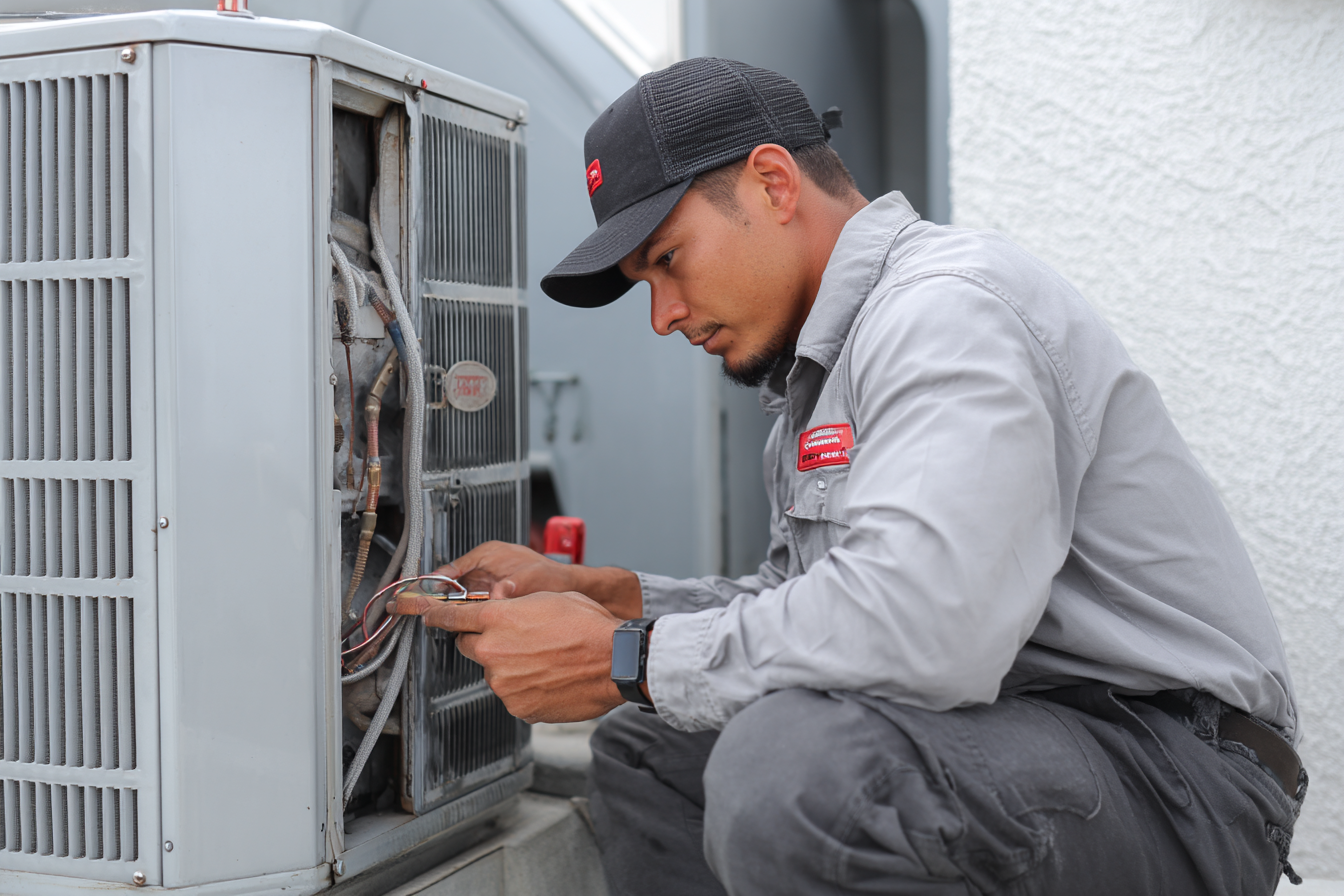
Routine maintenance is the most effective way to extend the life of your HVAC system. Small, preventive actions reduce system strain, improve efficiency, and help avoid costly breakdowns, especially in homes with heavy seasonal HVAC use.
Regular Filter Replacement
Air filters play a critical role in protecting your HVAC system. When filters become clogged with dust and debris, airflow is restricted, forcing the system to work harder to maintain comfort.
Replacing filters regularly:
Improves airflow and indoor air quality
Reduces strain on blowers and motors
Helps prevent overheating and system shutdowns
Most homeowners should replace filters every one to three months, depending on usage, pets, and allergy concerns.
Seasonal Professional Tune-Ups
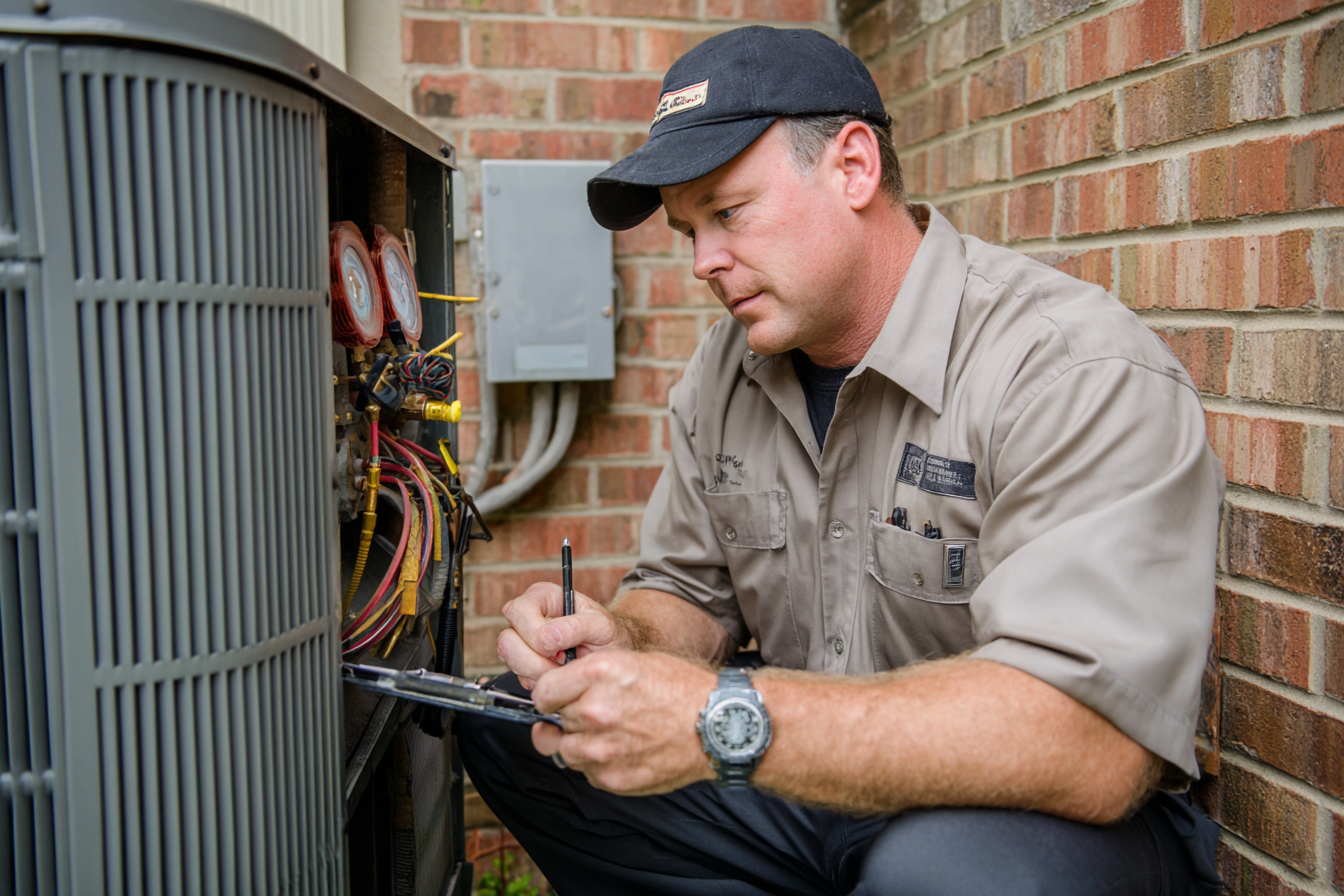
Professional HVAC tune-ups are essential for catching hidden issues early. During a seasonal maintenance visit, a technician typically:
Cleans coils and burners
Checks electrical connections
Measures refrigerant levels
Test safety and performance controls
Annual tune-ups, ideally before winter and summer, help systems run efficiently and extend overall equipment life.
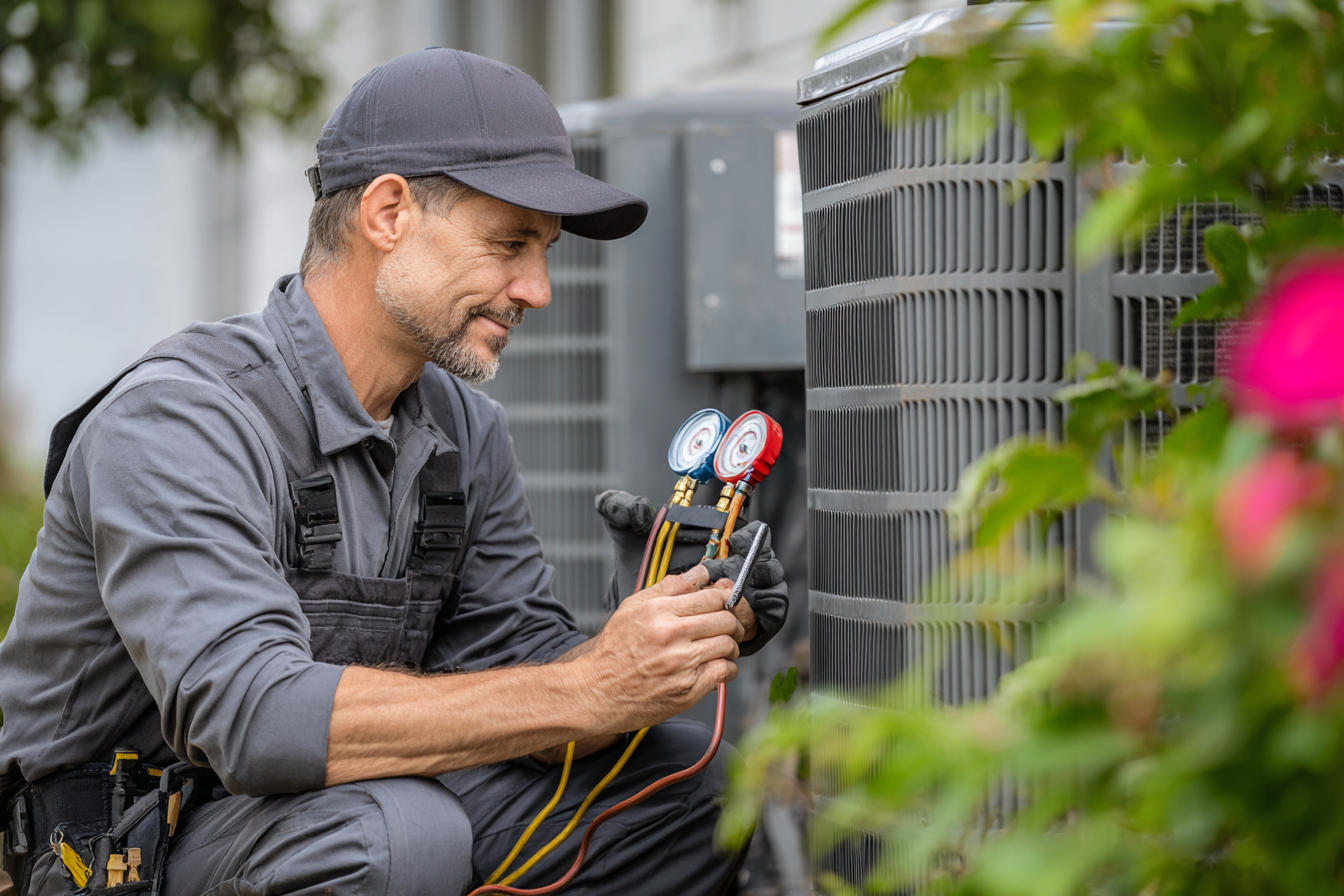
Keeping Outdoor Units Clear
Outdoor HVAC units require adequate airflow to function properly. Leaves, dirt, snow, and overgrown vegetation can block airflow and cause the system to overheat.
Homeowners should:
Remove debris around the unit regularly
Keep plants trimmed at least two feet away
Clear snow and ice buildup during winter
Simple upkeep can prevent unnecessary wear on outdoor components.
Monitoring Performance Issues
Paying attention to small changes in system performance can prevent major failures. Early warning signs include:
Longer run times
Reduced airflow
Uneven temperatures between rooms
Addressing these issues promptly helps avoid cascading damage and extends system lifespan.
Common Signs Your HVAC System Is Nearing the End of Its Life
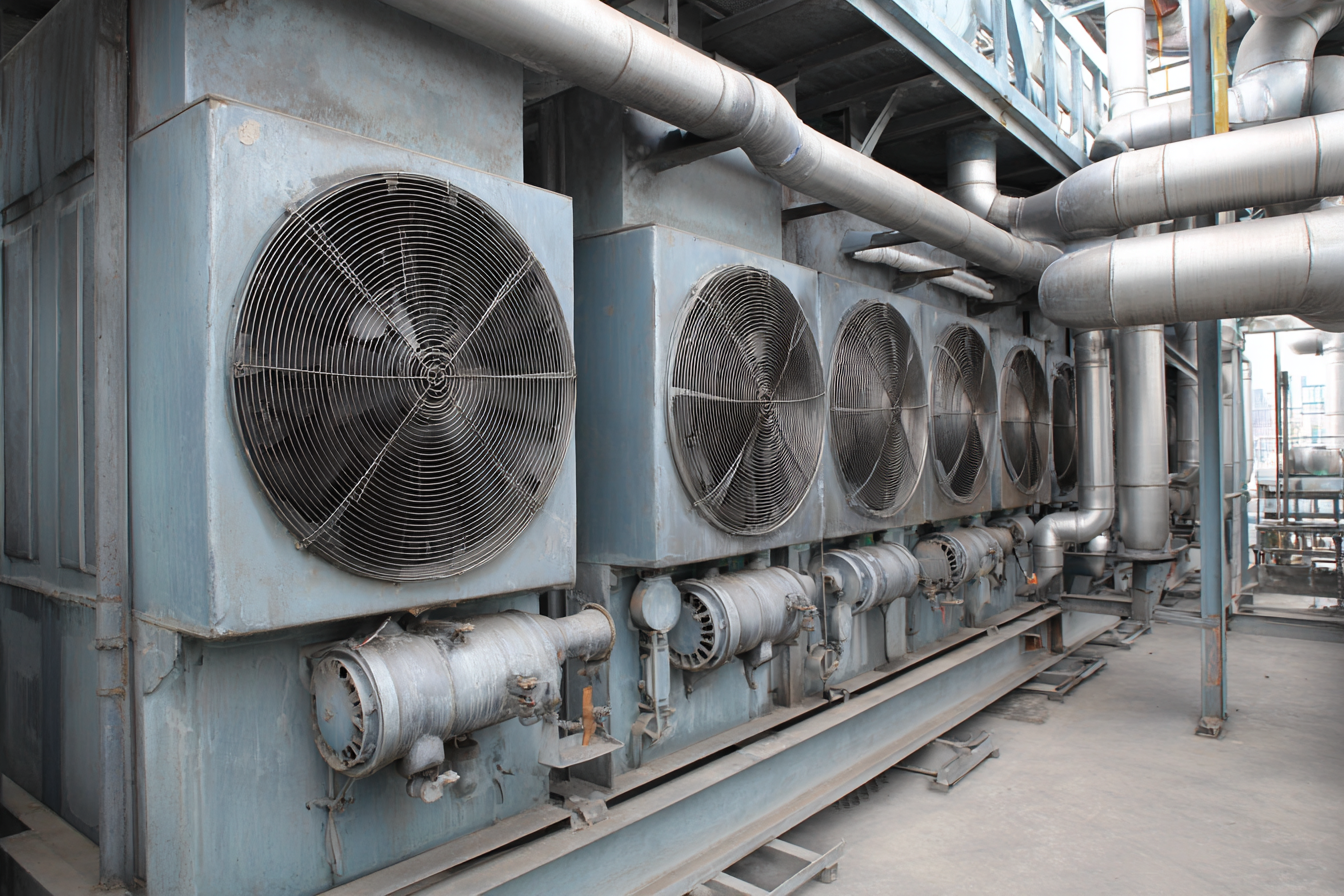
HVAC systems rarely fail without warning. As equipment ages, performance declines, and problems become more frequent. Recognizing the signs early can help homeowners avoid sudden breakdowns and plan for replacement before emergencies occur.
Common indicators your HVAC system may be reaching the end of its lifespan include:
Rising energy bills: Older systems lose efficiency over time, causing higher heating and cooling costs even when usage stays the same.
Frequent breakdowns: If repairs are becoming routine, it’s often a sign that multiple components are wearing out simultaneously.
Inconsistent comfort: Uneven temperatures, weak airflow, or rooms that never feel comfortable may indicate internal system wear.
Unusual noises or odors: Grinding, banging, rattling, or burning smells can signal serious mechanical or electrical issues.
Major repairs occurring repeatedly: Replacing large components like compressors, motors, or heat exchangers more than once is often a sign that replacement is near.
When these issues appear in systems that are already 10–15 years old, continued repairs may no longer be the most cost-effective option.
Maintenance vs Replacement: When to Decide
As HVAC systems age, homeowners often face the question of whether to keep repairing their equipment or invest in a replacement. Making the right decision depends on system age, repair costs, efficiency, and overall performance.
Repair Costs vs System Age Rule
If a repair costs more than 50–60% of the price of a new system and the equipment is already near or beyond its expected lifespan, replacement is usually the smarter long-term choice.
Older systems tend to experience:
Multiple component failures in a short period
Higher labor and parts costs
Decreasing reliability
In these cases, continued maintenance often becomes more expensive than upgrading to a newer, more reliable system.
Efficiency & Technology Advancements
Modern HVAC systems are significantly more efficient than models installed even 10–15 years ago. Newer equipment offers:
Higher Seasonal Energy Efficiency Ratio (SEER) and Annual Fuel Utilization Efficiency (AFUF) efficiency ratings
Better humidity and temperature control
Compatibility with smart thermostats
Quieter operation and improved comfort
For homeowners in Yonkers and Westchester County, upgrading can lead to noticeable energy savings and more consistent comfort throughout the year.
Lifespan Differences by HVAC Component
An HVAC system is made up of several major components, and each one ages at a different rate. Understanding which parts wear out first helps homeowners anticipate repairs and better plan for full system replacement.
Outdoor condenser units: These components are exposed to weather, temperature extremes, and debris year-round. As a result, they often experience more wear and may fail sooner than indoor equipment.
Indoor air handlers: Air handlers are typically protected from the elements and may last longer, especially when filters are replaced regularly, and airflow is properly maintained.
Compressors: Found in air conditioners and heat pumps, compressors are among the most expensive components to replace. Once a compressor fails in an older system, replacement is often more economical than repair.
Heat exchangers: In furnaces, the heat exchangers endure constant heating and cooling cycles. Cracks or corrosion can pose safety risks and often signal the end of the furnace’s useful life.
Ductwork: While not part of the HVAC unit itself, ductwork usually lasts 15–20 years. Leaks, poor insulation, or damaged ducts can reduce system efficiency and shorten equipment lifespan.
Even a newer HVAC system can underperform if aging or damaged ductwork isn’t addressed alongside equipment maintenance.
Tips for Homeowners to Get the Most Years Out of Your System
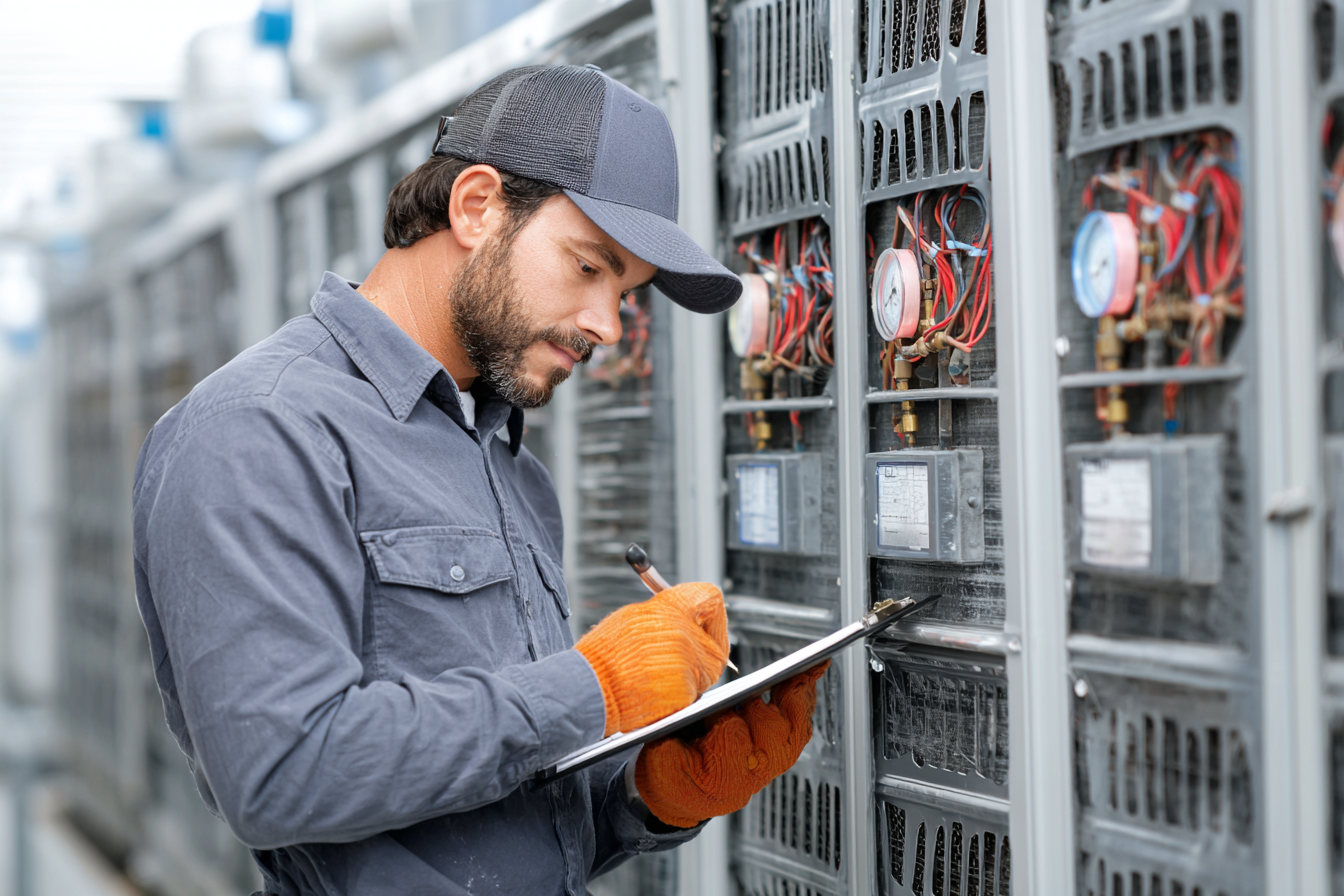
Getting the maximum lifespan out of your HVAC system doesn’t require complex effort; just consistency and proactive care. Small steps taken early can prevent major repairs and help your system operate efficiently for years longer.
Homeowners can extend HVAC system life by:
Creating a maintenance schedule for filter changes, inspections, and tune-ups
Scheduling professional service annually to catch issues before they escalate
Keeping detailed maintenance records, which help track system health and support warranty claims
Addressing minor issues promptly, rather than waiting for complete failures
Planning for replacement in advance, avoiding emergency installations during peak seasons
For homeowners in Yonkers and Westchester County, planning ahead is especially valuable. Scheduling maintenance or replacement before extreme weather hits ensures uninterrupted comfort and better long-term value.
Quality Comfort Solutions: Reliable HVAC Maintenance, Repair, and Installation
For homeowners in Yonkers and Westchester County looking to protect their HVAC investment, Quality Comfort Solutions is a trusted, locally owned HVAC contractor providing comprehensive heating and cooling services. From seasonal tune-ups and emergency repairs to complete system installations, their licensed and insured team brings years of experience to every project with prompt, dependable service.
Quality Comfort Solutions specializes in:
HVAC maintenance and seasonal tune-ups to improve efficiency and extend system life
Repair services for furnaces, boilers, heat pumps, and air conditioners
Full installations of central air systems, ductless mini-splits, and high-efficiency equipment
24/7 emergency support to keep your home comfortable year-round
Free estimates and honest service tailored to your system needs and budget
With strong online reviews and a reputation for reliable workmanship, Quality Comfort Solutions helps homeowners reduce breakdowns, improve energy efficiency, and make smart decisions about system repair versus replacement. Book a call today.
Conclusion
Most HVAC systems last between 10 and 20 years, depending on the type of equipment, how often it’s used, and, most importantly, how well it’s maintained. Regular filter changes, professional tune-ups, and early problem detection can significantly extend system lifespan while keeping energy costs under control.
For homeowners in Yonkers and Westchester County, proactive HVAC care is essential due to long winters, humid summers, and high seasonal demand. Waiting until a system fails often leads to emergency repairs or rushed replacements that could have been avoided with proper planning.
If you’re unsure how much life your HVAC system has left, a professional inspection can provide clarity. Quality Comfort Solutions offers expert maintenance, repair, and replacement services to help you stay comfortable year-round.
Schedule a professional HVAC inspection today and protect your home, your comfort, and your investment.
FAQs:
1. How often do HVAC systems need to be replaced?
Most HVAC systems need replacement every 10–20 years, depending on system type, usage, climate conditions, and how consistently the equipment has been professionally maintained.
2. Is 20 years old for HVAC?
Yes. At 20 years old, most HVAC systems are beyond their expected lifespan, often less efficient, and more prone to breakdowns, making replacement a smart consideration.
3. How to know if HVAC needs to be replaced?
Frequent repairs, rising energy bills, uneven temperatures, unusual noises, poor airflow, and declining efficiency are strong indicators your HVAC system may need replacement soon.
4. Should I replace my 25 year old HVAC?
Yes. A 25-year-old HVAC system is well past its lifespan, inefficient by modern standards, and more likely to fail unexpectedly, making proactive replacement the safer, cost-effective choice.
5. Should I replace HVAC before it fails?
Yes. Replacing an HVAC system before failure prevents emergency breakdowns, reduces downtime, allows better system selection, and often costs less than rushed replacements during peak seasons.
6. How long does it take to replace an HVAC system?
Most HVAC replacements take one to three days, depending on system type, ductwork condition, home size, and whether additional upgrades or modifications are required.