Drive link : https://drive.google.com/drive/folders/1QG4SVGiO2iclwGtNP1WqdqgHvZqzISrb?usp=sharing
PK: signs that your HVAC system needs repair
Meta Description: Learn the common signs that your HVAC system needs repair, including weak airflow, strange smells, and short cycling, to protect comfort and energy costs.
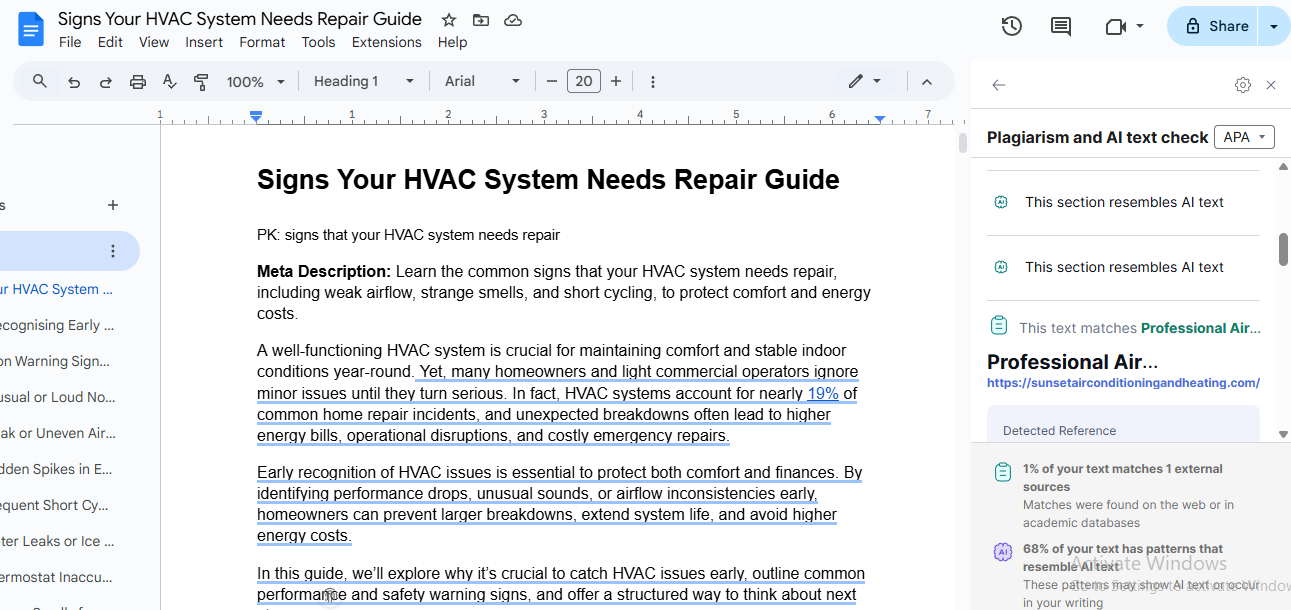
A well-functioning HVAC system is crucial for maintaining comfort and stable indoor conditions year-round. Yet, many homeowners and light commercial operators ignore minor issues until they turn serious. In fact, HVAC systems account for nearly 19% of common home repair incidents, and unexpected breakdowns often lead to higher energy bills, operational disruptions, and costly emergency repairs.
Early recognition of HVAC issues is essential to protect both comfort and finances. By identifying performance drops, unusual sounds, or airflow inconsistencies early, homeowners can prevent larger breakdowns, extend system life, and avoid higher energy costs.
In this guide, we’ll explore why it’s crucial to catch HVAC issues early, outline common performance and safety warning signs, and offer a structured way to think about next steps.
Key Takeaways:
Early HVAC warning signs impact comfort, safety, energy efficiency, and overall system lifespan.
Common repair indicators include unusual noises, weak or uneven airflow, rising energy bills, leaks, odors, short cycling, and temperature control issues.
Preventive steps like regular maintenance, filter replacement, energy monitoring, and duct inspections reduce breakdown risks.
Timely diagnosis, proper repairs, and professional support help restore performance and prevent recurring HVAC problems.
Why Recognizing Early HVAC Warning Signs Matters?
Early detection of HVAC issues can save time, reduce costs, and protect comfort and safety. Understanding warning signs ensures small problems don’t escalate into major system failures.
Key benefits of recognizing issues early include:
Protects System Lifespan: Addressing minor faults promptly lowers wear on components and extends the overall life of your HVAC system.
Reduces Downtime: Catching problems early prevents unexpected breakdowns that disrupt comfort and operations.
Controls Energy Costs: A well-maintained system consumes less energy, lowering utility bills and preventing hidden inefficiencies.
Maintains Consistent Comfort: Identifying airflow, temperature, or performance issues early keeps indoor environments stable and comfortable.
Supports Safety: Detecting issues like refrigerant leaks, electrical faults, or water pooling early reduces safety risks in your home or facility.
Minimises Repair Costs: Early intervention often requires simpler fixes, avoiding more extensive repairs or full system replacements.
Recognizing these signs lets homeowners and facility managers make informed decisions, keep equipment uptime high, and maintain reliable indoor climate control.
Common Warning Signs Your HVAC System Needs Repair
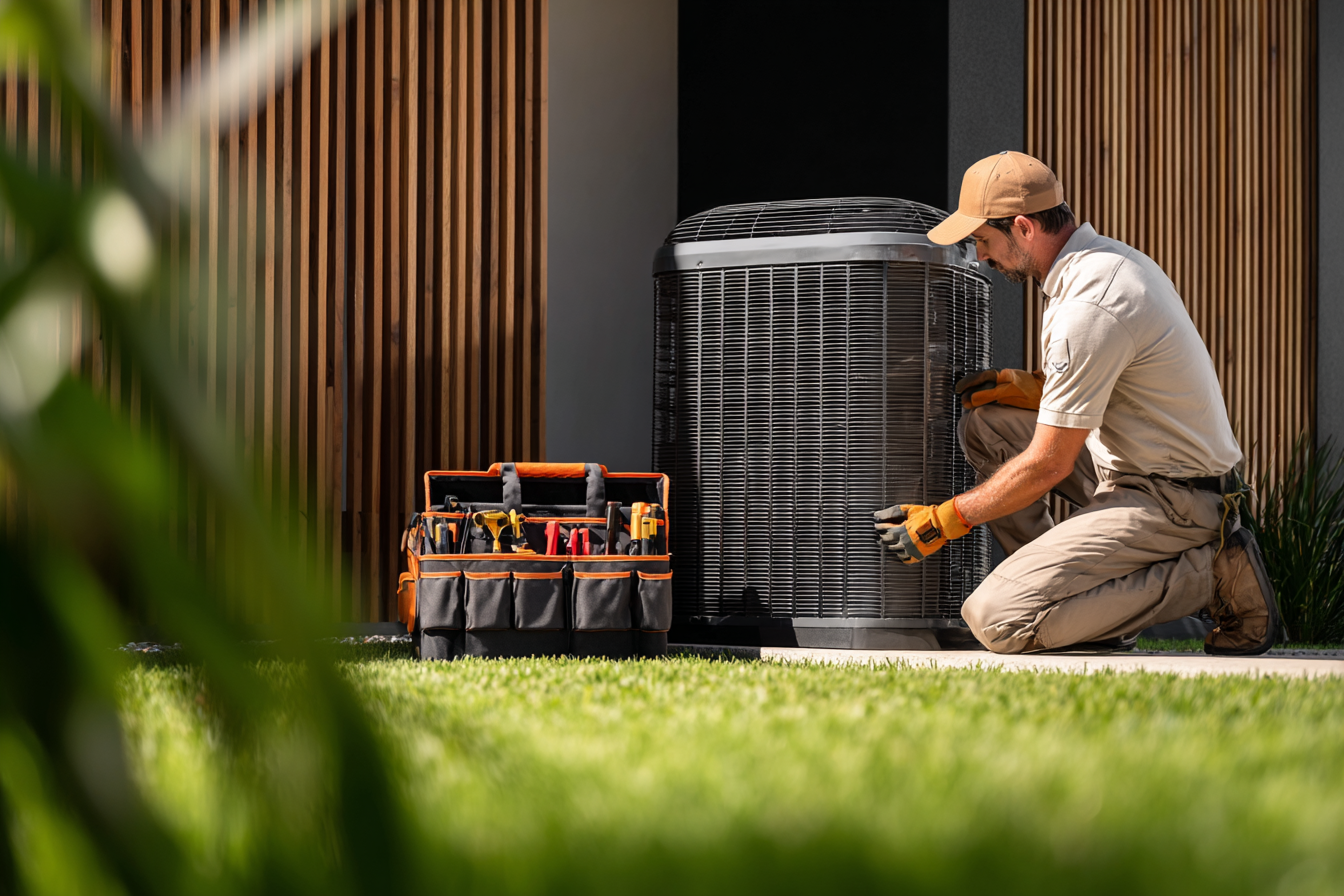
Understanding the signs of HVAC malfunction lets you act quickly and make informed decisions. Below are the most frequent warning signs to watch for:
1. Unusual or Loud Noises from the System
Unusual noises are one of the most common signs. When an HVAC system runs properly, it should operate smoothly and quietly.
Listen for:
Grinding or Squealing: Signals worn bearings or belts.
Banging or Thumping: Indicates loose components or fan imbalance.
Hissing or Whistling: Often points to leaks in refrigerant lines or ducts.
These noises often come with increased vibration, higher energy use, and faster wear. For example, a failing blower motor bearing can draw more electricity while delivering less airflow, raising costs and threatening system uptime.
2. Weak or Uneven Airflow from Vents
Airflow problems show performance issues. If vents deliver noticeably less air than expected, or some areas are warmer or cooler than others, your HVAC system isn’t distributing air properly.
Common causes include:
Clogged Filters: Restrict airflow and reduce system performance.
Duct Leaks or Blockages: Cause uneven temperature distribution.
Blower or Fan Issues: Lower airflow output in affected zones.
Damper Problems: Can prevent balanced airflow throughout the space.
Reduced or uneven airflow makes the system run longer without reaching target temperatures. This increases runtime without improving comfort, a clear sign that the system is underperforming.
3. Sudden Spikes in Energy Bills
Energy usage should be somewhat predictable with consistent occupancy and thermostat settings. If bills spike without operational changes, the HVAC system may not be performing well.
Common reasons include:
Compressor Issues: Lower efficiency drives up energy consumption.
Refrigerant Leaks: Force the system to work harder to maintain temperatures.
Dirty Coils or Filters: Reduce heat exchange efficiency.
Component Wear: Aging parts increase energy draw for the same output.
A spike in energy use is often the first measurable sign of declining system performance. It shows a system working harder for the same comfort result, driving up cost per unit of cooling or heating.
4. Frequent Short Cycling
Short cycling occurs when the system turns on and off more often than normal. Instead of completing full heating or cooling phases, the unit stops early.
This can happen because of:
Thermostat Faults: Poor feedback causes repeated starts/stops.
Low Refrigerant: Insufficient pressure triggers system shutdown.
Improper Sizing: Oversized units cycle too quickly.
Dirty Components: Sensors or switches trigger early cutoffs.
Short cycling increases component wear, raises energy use, and often damages the compressor, one of the costliest parts to replace.
5. Water Leaks or Ice Buildup
Visible water around an HVAC unit, from interior components, drain lines, or outdoor units, isn’t normal.
Leaks can come from:
Blocked Drain Lines: Prevent proper condensate flow.
Pump Failures: Condensate cannot be removed efficiently.
Refrigerant Issues: Ice forms on coils, causing meltwater.
Seal or Corrosion Problems: Structural leaks in equipment.
Ice buildup on evaporator coils is another sign that moisture isn’t being handled properly. Both issues can damage equipment and surrounding structures if not fixed promptly.
6. Thermostat Inaccuracy or Faults
A thermostat that doesn’t reflect actual indoor temperatures can force the HVAC system to operate inefficiently or incorrectly. Faults include:
Temperature Mismatch: Readings differ from actual conditions.
Slow Response: Delays system reaction to setpoint changes.
Erratic Behavior: Unstable temperature control.
Sometimes the problem is the thermostat itself; other times it’s a symptom of sensors or control circuitry within the HVAC. Either way, inaccurate feedback leads to poor temperature regulation, increased runtime, and higher bills.
7. Strange Smells from Vents or Equipment
Unusual smells are not just a comfort issue; they can signal safety-critical problems.
Musty Odors: Indicate mold or moisture in ducts.
Burning Smells: Suggest overheating wiring or electrical faults.
Chemical or Sweet Scents: Possible refrigerant leaks affecting performance.
Odors often relate to air quality risks and potential safety hazards. Address these immediately to protect occupants and equipment.
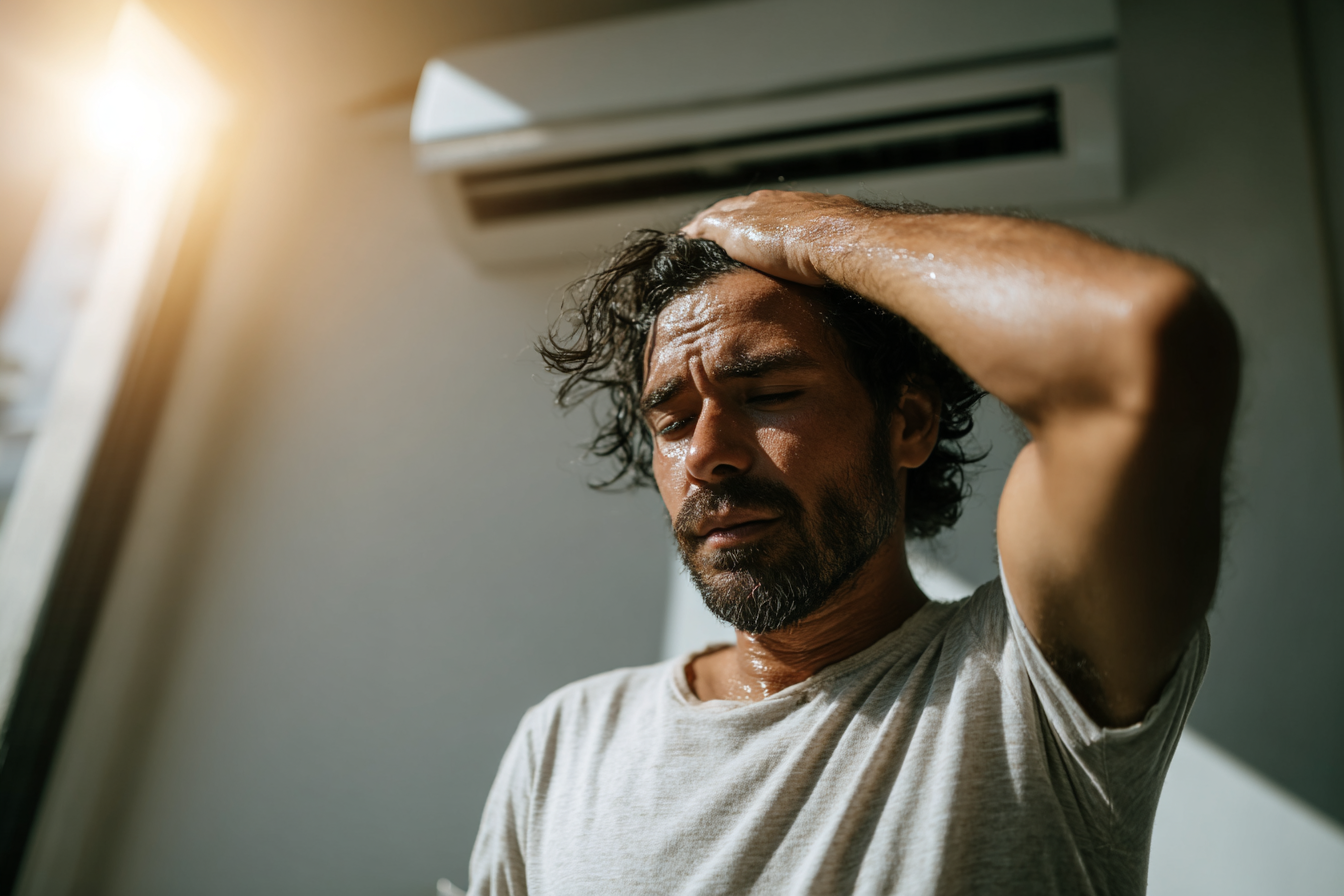
8. System Struggles to Maintain Set Temperatures
If the HVAC runs constantly but never reaches the setpoint, or overshoots and undershoots, performance is compromised.
Causes include:
Sensor or Control Issues: Faulty readings misguide the system.
Duct Leaks: Loss of conditioned air reduces temperature control.
Worn Components: Reduced capacity limits output.
Refrigerant Imbalance: Incorrect levels impair cooling or heating.
This symptom delays comfort and may indicate declining system capacity.
How to Prevent Future HVAC Problems?
Detecting signs early is key, but prevention helps reduce the frequency and severity of issues. Here’s how to approach it in a structured way that supports uptime, comfort, and operating cost control.
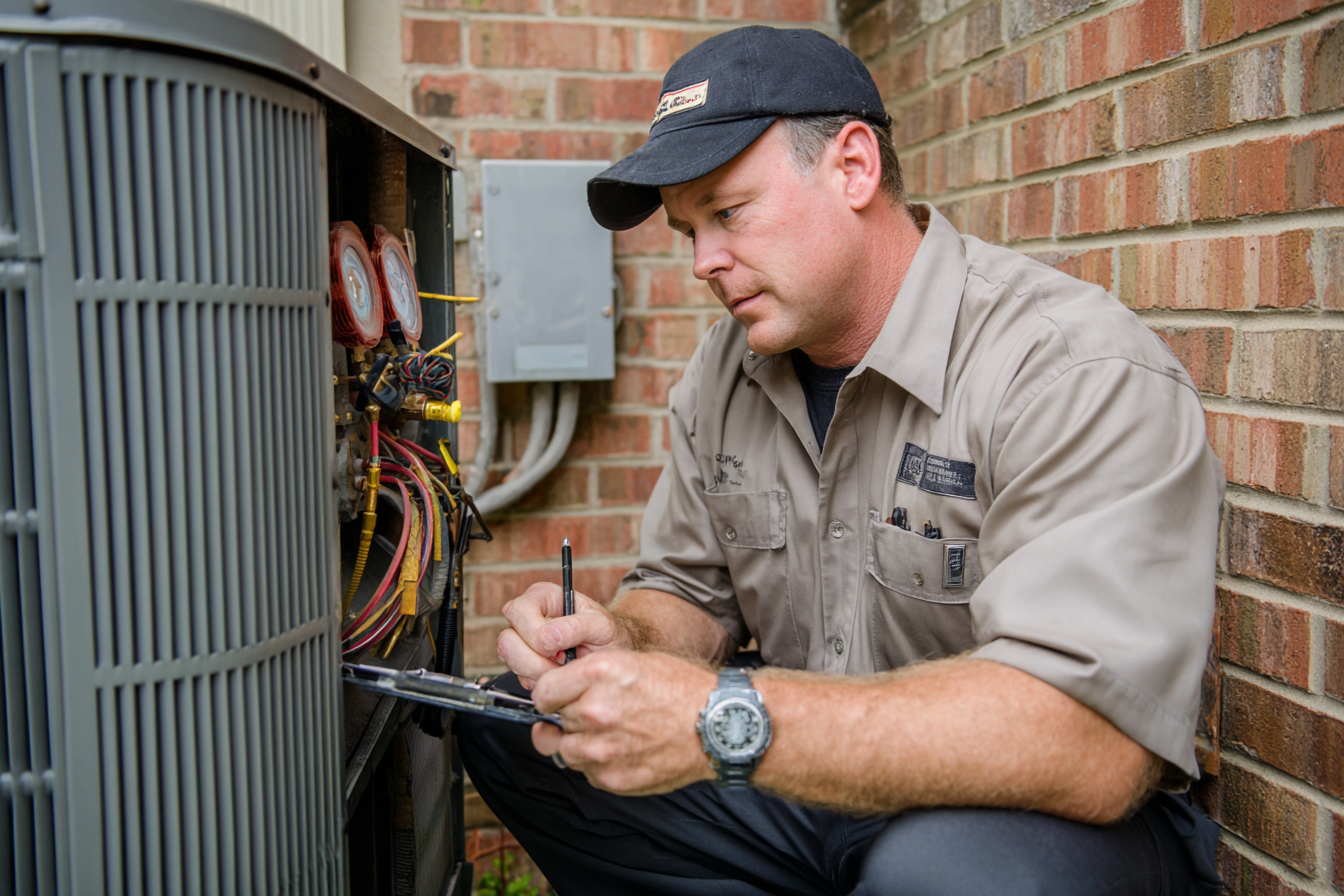
Regular Maintenance: Scheduling seasonal inspections and tune-ups lets technicians clean and calibrate filters, coils, and moving parts to keep them functioning properly. Maintenance visits also identify minor issues before they escalate.
Maintain Filters and Air Quality: Replacing air filters on schedule keeps airflow steady, lowers strain on the system, and enhances indoor air quality. Neglecting filters can decrease efficiency and wear down system components.
Monitor Energy Usage Trends: Monitoring monthly energy consumption can reveal early signs of inefficiency. Sudden spikes may indicate hidden leaks, failing components, or calibration issues that require professional attention.
Check Thermostat Calibration: Using a programmable or smart thermostat helps keep temperatures steady, lowering system load and preventing unnecessary cycling. Proper calibration ensures accurate temperature control throughout the home.
Inspect Ductwork and Vents: Regular inspections can uncover leaks, blockages, or damage that disrupt airflow. Timely ductwork care helps maintain even temperature distribution and protects system components.
Address Minor Repairs Promptly: Even small issues, like a loose belt or a refrigerant adjustment, should be resolved quickly. Timely repairs help avoid emergency service calls and extend system lifespan.
Consistent preventive care improves equipment uptime, reduces emergency repairs, and maintains operational efficiency, which is especially critical in commercial or multi-zone residential environments.
How Quality Comfort Solutions Helps Diagnose and Repair HVAC Issues?
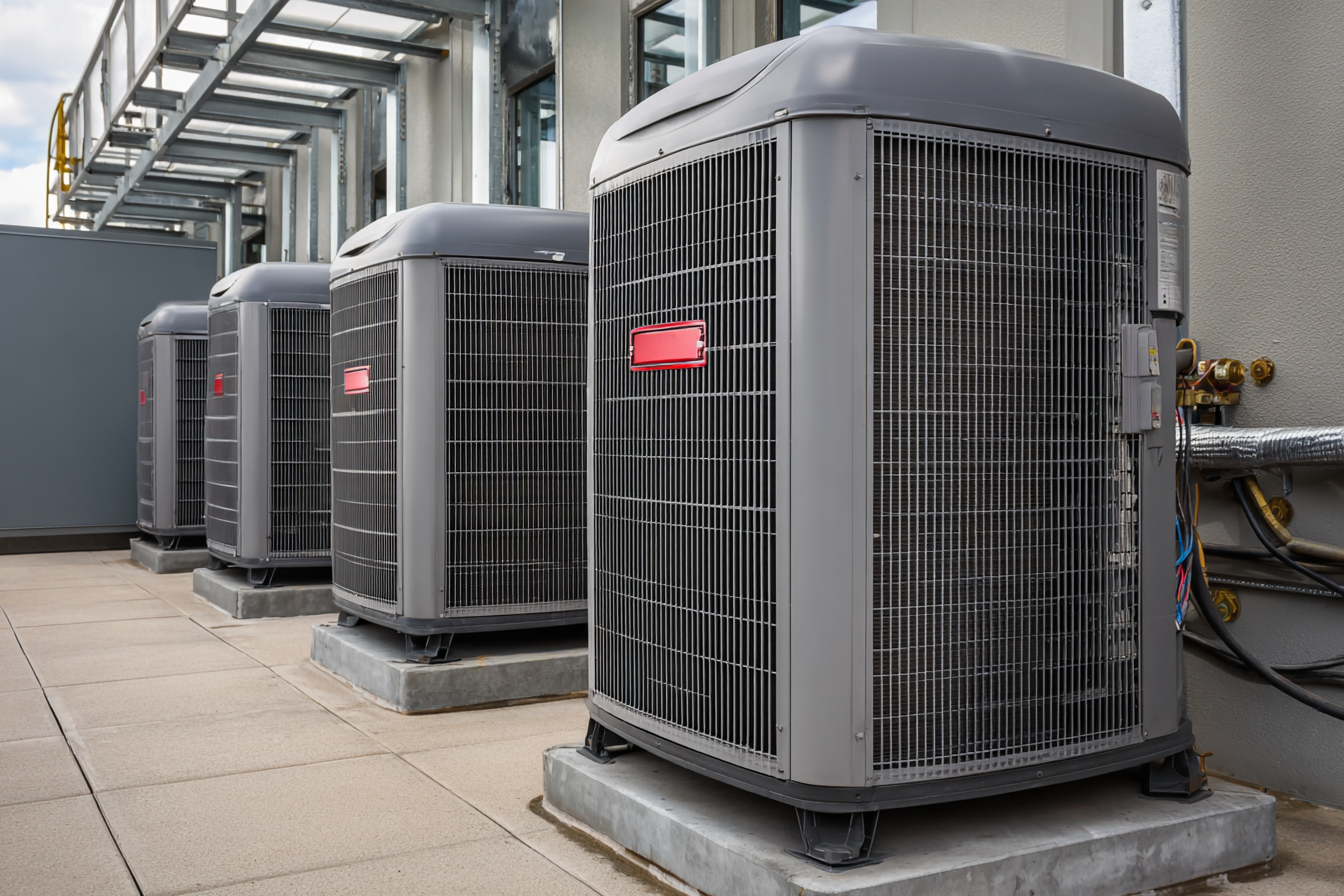
Homeowners in Westchester County can rely on Quality Comfort Solutions for expert diagnosis and repair of HVAC problems. Their licensed and insured technicians bring years of experience to every service call, providing accurate assessments and practical solutions for both heating and cooling systems.
Here’s how we can help you:
24/7 Support: Access to professional assistance any time comfort issues arise, minimizing downtime and maintaining home comfort.
Comprehensive Repairs: From heat pumps and central air systems to ductless units and thermostats, they handle a full range of HVAC repair needs.
Preventive Recommendations: Beyond repairs, technicians provide guidance on preventive maintenance, helping homeowners avoid future problems.
Local Expertise: Serving Yonkers and Westchester County, the team understands local climate challenges and system requirements, tailoring solutions for maximum effectiveness.
Working with a local, certified team ensures that HVAC issues are diagnosed quickly, repairs are done correctly, and long-term system health is supported.
Conclusion
HVAC systems often show early performance and safety signs before full failure. Performance drops, unusual noises, airflow issues, strange odors, rising energy costs, and safety concerns are all indicators that action is required. Recognizing these issues early protects comfort, controls energy costs, and minimizes the risk of unexpected breakdowns.
Preventive maintenance and regular inspections reduce long‑term operating costs and extend system life. When issues appear, working with professionals like Quality Comfort Solutions offers licensed, certified, and responsive HVAC services for homeowners across Yonkers and Westchester County. Their team ensures that issues are diagnosed accurately, repaired efficiently, and managed to prevent recurrence.
Contact us for a free estimate to schedule an inspection for repair and keep your home comfortable, safe, and energy-efficient.
FAQs
How can I tell if my HVAC unit is short-cycling?
Short cycling occurs when your HVAC turns on and off frequently without completing a full cooling or heating cycle. Signs include uneven temperatures, increased wear on the system, higher energy bills, and unusual noises. Persistent short cycling usually indicates an underlying mechanical or thermostat issue.
Why is my energy bill suddenly higher despite normal usage?
A sudden rise in energy bills can result from dirty filters, blocked vents, refrigerant issues, or a malfunctioning thermostat. Inefficient operation or short cycling can also spike energy use even if your daily habits remain unchanged. Professional inspection can pinpoint the exact cause.
How do I know if my HVAC filters need immediate replacement?
Filters require immediate replacement if they appear visibly dirty, clogged, or discoloured, or if airflow is weak. Signs include increased dust, unusual odors, or frequent system cycling. Regular inspection every 1–3 months ensures optimal system performance and indoor air quality.
What indicates a refrigerant leak in my HVAC system?
A refrigerant leak is suggested by poor cooling performance, ice buildup on coils, hissing sounds, or higher humidity levels indoors. Frequent system cycling or sudden pressure drops also indicate leakage. Only a licensed technician can safely locate and repair refrigerant leaks.
When is constant moisture or water leaks around my unit a repair red flag?
Persistent water pooling or condensation near your HVAC signals drainage issues, clogged condensate lines, or a failing coil. Ignoring it can lead to corrosion, mold growth, and system damage. Any repeated moisture should be inspected promptly to prevent costly repairs.