Wondering why one homeowner pays far more than another for the same cooling system? For most people, the real stress isn't choosing central air; it's understanding the price before committing.
The cost of installing a central air conditioning system depends on far more than just the unit itself. Home size, ductwork condition, installation complexity, and local requirements all play a role, which is why online estimates often feel confusing or incomplete.
This guide breaks down the actual costs of central air installation in 2026, including clear numbers, practical factors, and cost drivers, so you can evaluate estimates with confidence before moving forward.
Key Takeaways
Central AC installation costs vary based on home size, system efficiency, and ductwork condition.
Average costs range from $4,000 to $15,000+, depending on home type and system specifications.
Factors such as electrical upgrades, ductwork, and installation complexity directly affect the final price.
To save, consider off-peak installation, keep existing ducts, and explore rebates or financing options.
Always request multiple quotes and ensure clear, detailed estimates to avoid hidden costs.
Average Cost of Installing a Central Air Conditioning System in 2026
In 2026, the average cost of installing a central air conditioning system typically falls within a broad yet predictable range, depending on home size, system capacity, and the scope of installation.
Typical Cost Range (Installation Included)
Low-end: $3,800 – $5,000
Smaller homes, existing ductwork, standard-efficiency unit
Mid-range: $5,500 – $7,500
Most single-family homes with moderate installation work
High-end: $8,500 – $12,000+
Larger homes, high-efficiency systems, duct, or electrical upgrades
Cost by Home Size (Approximate)
1,200–1,500 sq ft home: $4,000 to $7,500
1,800–2,300 sq ft home: $6,500 to $11,000
2,500+ sq ft home: $9,000 to $15,000+
These ranges assume standard installation conditions. Homes without ductwork or with older electrical systems can exceed these figures.
What This Average Usually Includes
Central AC unit (properly sized)
Indoor and outdoor installation labor
Refrigerant lines and connections
System startup and testing
Basic thermostat setup
What’s Not Always Included
New ductwork or major duct repairs
Electrical panel upgrades
Smart or zoning thermostats
Permit fees (varies by location)
Why Averages Can Be Misleading
Two homes with the same square footage can see very different prices due to:
Duct layout and condition
Accessibility of installation areas
Local labor and permit costs
Efficiency level of the chosen system
That's why understanding what drives the cost matters more than focusing on a single average.
What Factors Affect the Cost of Installing Central AC?
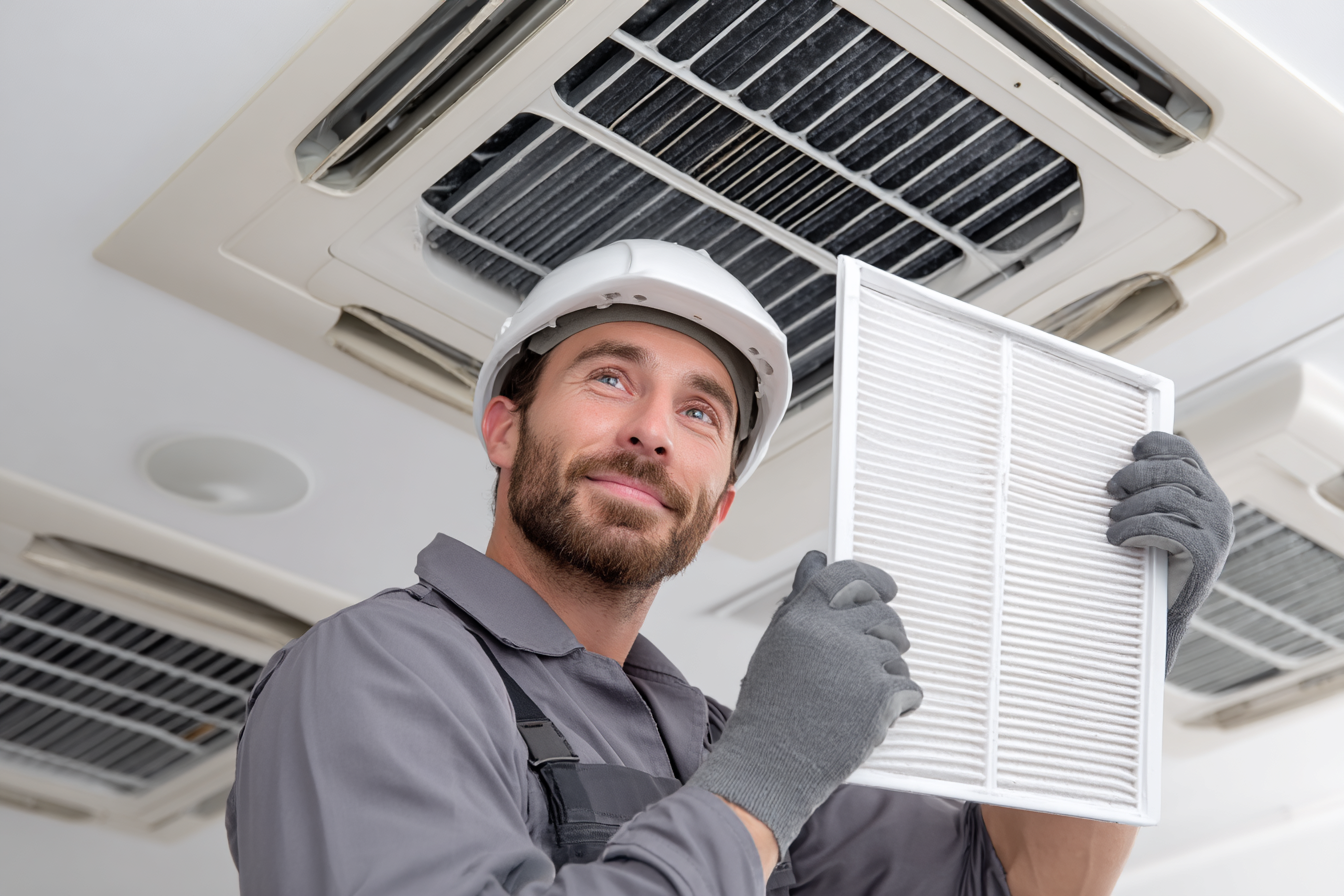
A single factor rarely drives the cost of installing central AC. Pricing changes based on how your home is built, the system required, and the amount of work needed to install it properly.
Below are the key variables that influence the final cost.
Home Size and Cooling Capacity
Central air systems are sized by cooling capacity, not just square footage.
Larger homes require higher-capacity units
Oversized systems increase upfront cost and energy use
Undersized systems struggle to cool consistently
Correct sizing is critical for both cost control and long-term performance.
Existing Ductwork Condition
Ductwork can significantly impact installation cost.
Homes with existing, usable ducts usually stay within average price ranges
Damaged, undersized, or leaking ducts may need repair or replacement
Homes without ductwork face higher costs due to full duct installation
Duct upgrades often add several thousand dollars to the project.
System Efficiency Rating
Efficiency directly affects upfront pricing.
Standard-efficiency systems cost less to install
High-efficiency units cost more due to advanced components
Higher efficiency may reduce monthly energy bills over time
Efficiency upgrades increase initial cost but change long-term operating expenses.
Installation Complexity
Some homes require more labor than others.
Older homes may need structural or airflow adjustments
Limited attic, crawlspace, or outdoor access increases labor time
Multi-story homes often require additional zoning or airflow balancing
More labor hours generally mean higher installation costs.
Electrical and Compatibility Upgrades
Central AC systems require adequate electrical capacity.
Older electrical panels may need upgrades
New disconnects, breakers, or wiring may be required
Thermostat compatibility can affect final pricing
Electrical work is often a hidden cost homeowners don’t anticipate.
Local Labor and Permit Requirements
Pricing varies by location.
Labor rates differ by region
Permits and inspections may be required
Licensed installation ensures code compliance and warranty validity
Local regulations can add both cost and timeline considerations.
Equipment Brand and System Type
Not all systems are priced the same.
Premium brands often cost more upfront
Heat-pump-ready systems may carry higher pricing
Warranty coverage and part availability vary by manufacturer
Brand choice affects both initial investment and long-term service costs.
Understanding these factors helps explain why two installation quotes can look very different for homes of similar size.
Cost Breakdown: Where Your Money Actually Goes
When you receive a central AC installation quote, the total cost is usually split across several components. Understanding this breakdown helps you spot gaps, compare estimates accurately, and avoid surprises later.
Cost Component | What It Covers | Impact on Total Cost |
Central AC Unit | Outdoor condenser and indoor evaporator coil sized for your home | 40–50% of the total cost |
Installation Labor | Removing old equipment, installing new components, refrigerant line connections, system setup, and testing | Varies based on complexity |
Ductwork (If Needed) | Duct repairs, sealing, resizing, or full duct installation for homes without existing ducts | One of the largest cost variables |
Electrical Work | Disconnects, breakers, wiring upgrades, panel modifications, thermostat wiring | Moderate to high, depending on home age |
Refrigerant & Materials | Refrigerant charging, copper line sets, insulation, drain lines, and mounting pads | Typically itemized separately |
Permits & Inspections | Local permits, code compliance checks, and final inspection approvals | Varies by location |
Startup & Commissioning | System testing, airflow balancing, temperature verification, and warranty registration | Usually included but essential |
A transparent cost breakdown makes it easier to understand what you're paying for and to identify estimates that may be missing critical components.
Central Air Installation Cost by Home Type
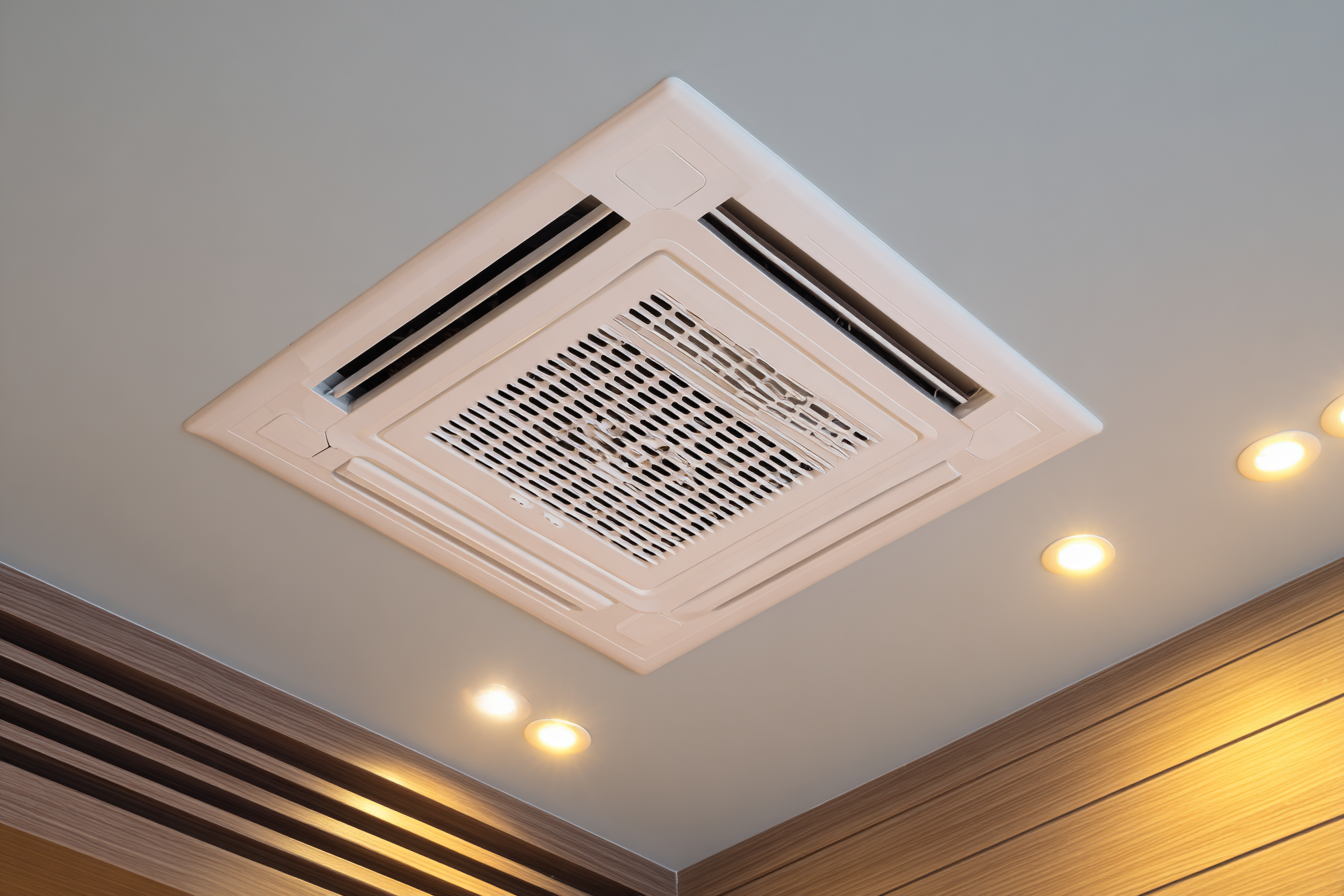
The type of home you have plays a major role in determining installation cost. Layout, age, duct access, and structural design all affect labor time, material needs, and system configuration.
Single-Family Homes
Single-family homes are the most straightforward for central AC installation.
Usually have accessible attics, basements, or crawlspaces
Existing ductwork is often present or easier to modify
System sizing is more predictable
Typical cost range: $5,000 to $10,000 installed, depending on home size and system efficiency.
Older Homes
Older homes often require additional preparation before installation.
Ductwork may be undersized, leaking, or nonexistent
Electrical panels may need upgrades to support the system
Structural limitations can increase labor time
Typical cost range: $7,000 to $13,000+ installed, especially if duct or electrical upgrades are needed.
Homes Without Existing Ductwork
These installations are more involved.
The full duct system must be designed and installed
Wall, ceiling, or soffit work may be required
Installation time is significantly longer
Typical cost range: $8,500 to $15,000+ installed, depending on home layout and duct design.
Multi-Story Homes
Multi-level homes introduce airflow and zoning challenges.
Longer duct runs increase material and labor costs
Zoning or balancing may be required for even cooling
Upper floors often need additional airflow support
Typical cost range: $7,500 to $14,000 installed, depending on system configuration.
Condos and Townhomes
Shared structures create additional considerations.
Limited space for outdoor units
HOA approval or building restrictions
Noise and placement requirements
Typical cost range: $4,500 to $9,000 installed, subject to building regulations.
Understanding how home type affects installation cost helps explain pricing differences between similar-sized homes.
New Installation vs Replacement: Cost Differences
The cost difference between a new central AC installation and replacing an existing system comes down to infrastructure. Installing central air for the first time requires building the supporting systems, while replacement focuses mainly on swapping equipment.
Aspect | New Central AC Installation | Central AC Replacement |
Typical Cost Range | $6,500 – $15,000+ installed | $4,000 – $9,000 installed |
Existing Ductwork | Often requires full duct installation or major modifications | Ductwork usually reused with minor repairs |
Electrical Work | Panel upgrades or new wiring may be required | The electrical setup is typically already compatible |
Installation Time | Longer due to duct, electrical, and structural work | Shorter and more predictable |
Labor Intensity | High, varies by home layout and age | Moderate |
System Sizing Changes | Designed from scratch based on the home layout | Often similar size unless the home layout has changed |
Permit Complexity | More inspections and approvals | Fewer permit requirements |
Overall Cost Predictability | Lower due to more variables | Higher with fewer unknowns |
Understanding these differences helps set realistic expectations before reviewing estimates.
How to Reduce the Cost of Installing Central AC?
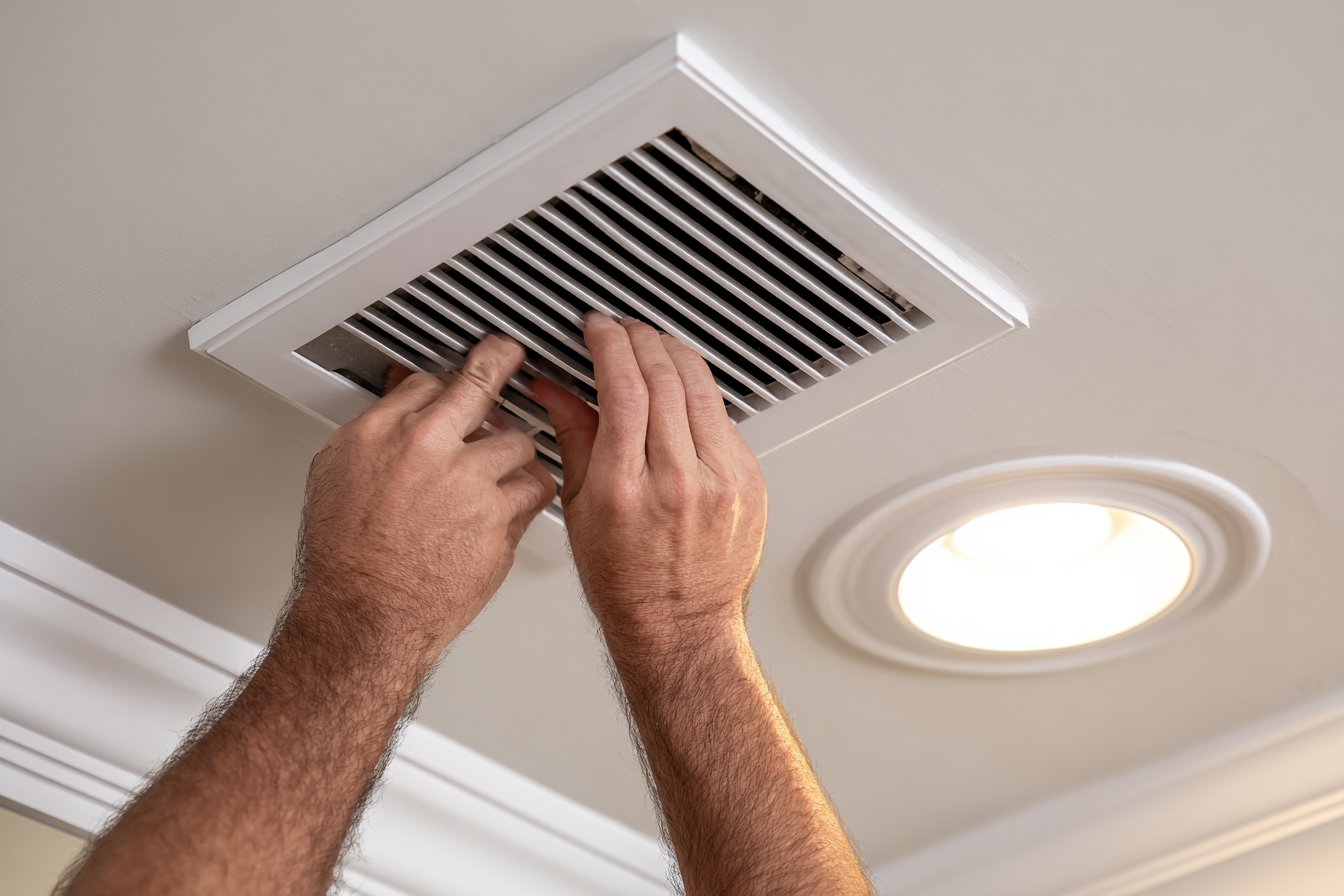
While central AC installation involves many factors that affect cost, there are several strategies you can use to keep expenses manageable without sacrificing comfort or system performance.
Here are some practical strategies to help you save on your central AC installation:
Choose the Right-Sized System: Avoid overpaying for a system that's too large or too small for your space.
Schedule Installation During Off-Peak Seasons: Installation costs can be lower when demand is at its lowest.
Keep Existing Ductwork: Save by using your home's existing ducts if they're in good condition.
Take Advantage of Rebates and Tax Credits: Look for available incentives that can reduce your upfront costs.
Compare Multiple Estimates: Get quotes from at least three contractors to find the best price.
Consider Financing or Payment Plans: Spread the cost over time with manageable payment options.
By implementing these strategies, you can keep your central AC installation costs within budget without compromising on quality.
Looking for ways to make your central AC installation more affordable? At Quality Comfort Solutions, we offer personalized solutions, including free estimates and financing options, to help you stay within budget while ensuring top-quality installation.
Signs You’re Paying Too Much (or Too Little)
Understanding the right price for a central AC installation is crucial to avoiding overpaying or settling for a subpar system.
Here’s how to tell if a quote is too high, too low, or just right.
Red Flags of Overpriced Quotes
Be cautious if you notice any of the following:
Significantly high estimates: If one quote is much higher than the others (without a clear justification), it may be inflated.
Unjustified upselling: Watch for contractors pushing unnecessary upgrades, like extra features or premium brands, without explaining why it's a good fit for your home.
Vague estimates: A quote that doesn't clearly break down costs for equipment, labor, and additional services may signal hidden fees.
No detailed labor or material costs: Contractors should give clear, itemized costs for each component. If these aren't provided, it could be a sign of overcharging.
Signs of Underpricing
While a low price might seem appealing, it could lead to long-term costs or a poor experience:
Low-cost quotes that don't match industry standards: If a quote seems unusually low compared to others, it might be an attempt to lure you in with an unrealistic deal, leading to corners being cut during installation or on cheaper, less efficient equipment.
Lack of warranties or guarantees: If a contractor offers little or no warranty on their work or equipment, it may indicate they're using low-quality materials.
Unlicensed or uninsured contractors: If the price is low because the contractor isn't properly licensed or insured, you could be at risk for shoddy work and unexpected repairs.
What's the Right Price?
A reasonable installation price should:
Be within a competitive range based on the size of your home and the system's efficiency.
Break down the costs for equipment, labor, and additional services like permits or inspections.
Include warranties on both labor and materials to ensure long-term peace of mind
Comparing quotes from several reputable contractors is the best way to get a sense of what's fair.
Recognizing whether a quote is too high or too low helps you avoid making a costly mistake.
What to Ask Before Hiring a Central AC Installer?

Before you hire an installer, it's crucial to ask the right questions to ensure you're getting quality service at a fair price.
Here are the key questions to ask:
Are You Licensed and Insured?
Verify that the contractor is licensed to operate in your area and insured for both liability and workers’ compensation. This protects you in case of accidents or issues during installation.
Can You Provide Written Estimates?
Always request detailed, written estimates that break down the costs for equipment, labor, ductwork (if needed), and permits. A clear estimate ensures no hidden fees.
What’s the Warranty Coverage?
Ask about both equipment and labor warranties. Reliable contractors offer warranties for the system and installation work, ensuring you’re covered if something goes wrong.
Do You Have Experience with Homes Like Mine?
Ensure the installer has experience working with homes of your size and type. If your home requires custom ductwork or unique installation considerations, their past experience will be crucial.
How Do You Handle Permits and Inspections?
Find out if the contractor handles local permits and inspections or if you’ll need to take care of them. Some areas require permits, and failing to get the proper inspections could lead to fines or issues down the line.
Can You Provide References or Reviews?
Ask for references from recent clients or check online reviews to ensure the contractor has a reputation for quality work and customer satisfaction.
What Is the Installation Timeline?
Ask how long the installation will take and whether it will disrupt your daily life. A good contractor should give you a clear timeline and keep you updated on progress.
What Types of Systems Do You Recommend?
Discuss which types of systems (e.g., standard vs. high-efficiency units) are best suited for your home’s size and your budget. The installer should help you choose a system based on both performance and long-term energy savings.
Asking these questions ensures you're hiring a reliable contractor who will do the job right. Let's discuss how to get an accurate installation cost estimate for your home.
Getting an Accurate Installation Cost for Your Home
Getting an accurate installation cost is essential to making an informed decision about your central air conditioning system. While online estimates provide a rough idea, the true cost can only be determined after an in-home evaluation, where factors like home layout, ductwork, and system specifications are assessed.
At Quality Comfort Solutions, we provide precise, no-obligation estimates based on a thorough inspection of your home. Our experienced team ensures that every detail is considered, from system sizing to any required upgrades, so you can be confident that you're receiving the best value for your investment.
We offer:
Custom system recommendations based on your budget, home size, and efficiency goals
Detailed, transparent estimates that break down costs for equipment, labor, ductwork, and any other necessary components
Flexible financing options to fit your budget and make your installation more affordable
Expert guidance throughout the process, from selecting the right system to final installation and setup
By choosing Quality Comfort Solutions, you ensure an accurate, fair, and professional approach to installing your new central air conditioning system.
Contact us today for a reliable, hassle-free experience and to schedule your consultation.
FAQs
What is the lifespan of a central air conditioning system?
A central air conditioning system typically lasts between 15 and 20 years with proper maintenance. Regular servicing can extend its lifespan, while neglect can lead to premature failure.
Can I install central air conditioning in a house without ductwork?
Yes, it's possible to install central air in a home without existing ducts by opting for ductless systems or installing new ductwork, though it will increase the overall cost and installation time.
How do I know if my home needs a new air conditioning system?
If your current AC system is more than 10-15 years old, needs frequent repairs, or is inefficient, it might be time for a replacement. An energy audit can help determine if a new system would be more cost-effective.
Is it better to install central air or use window units?
Central air is more energy-efficient and provides consistent cooling for the entire home, making it a better long-term investment compared to window units, which cool specific rooms.
Can I install central air during winter?
Yes, central air can be installed during the winter months, though costs may be lower in the off-season when HVAC demand is lower, and scheduling may be more flexible.