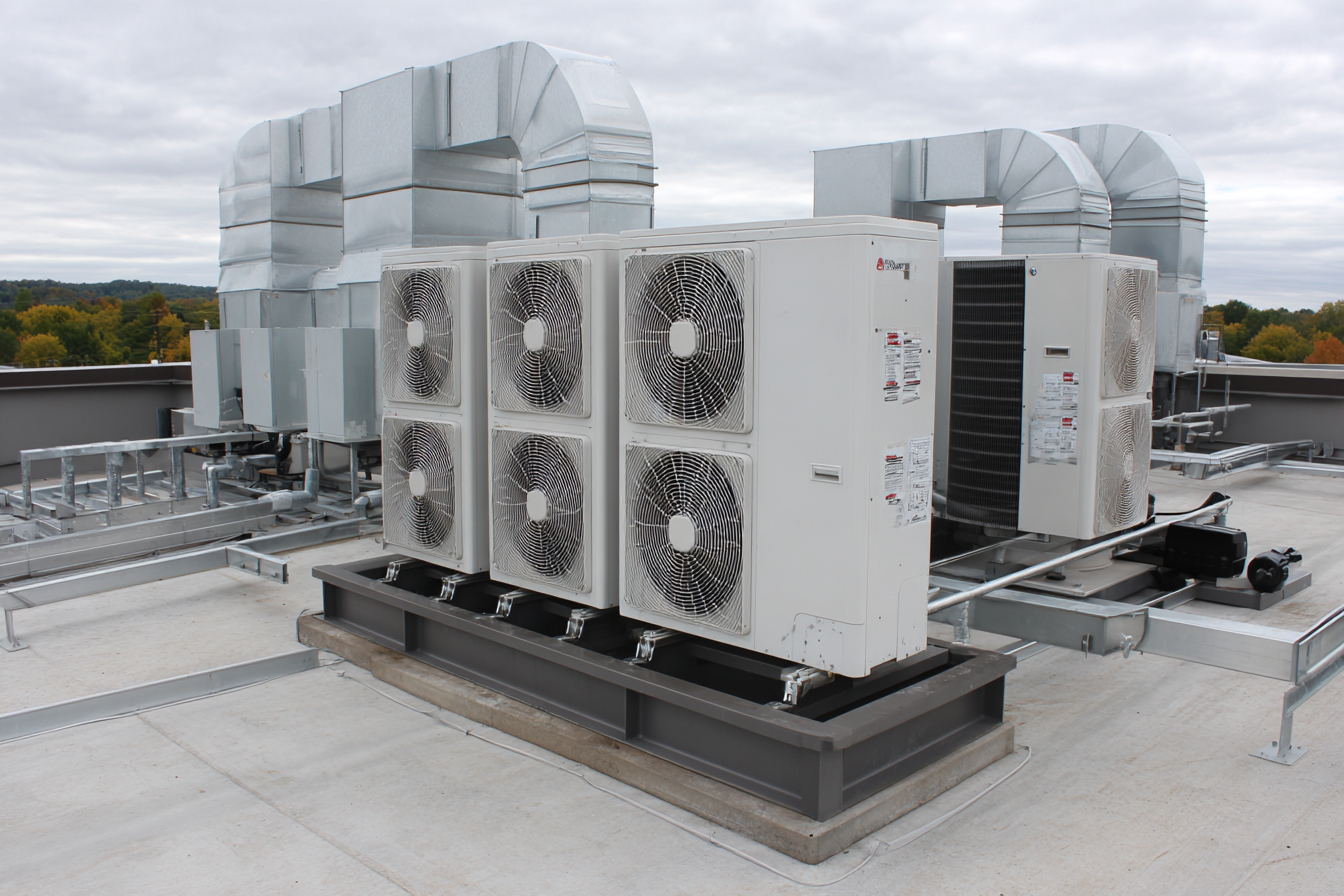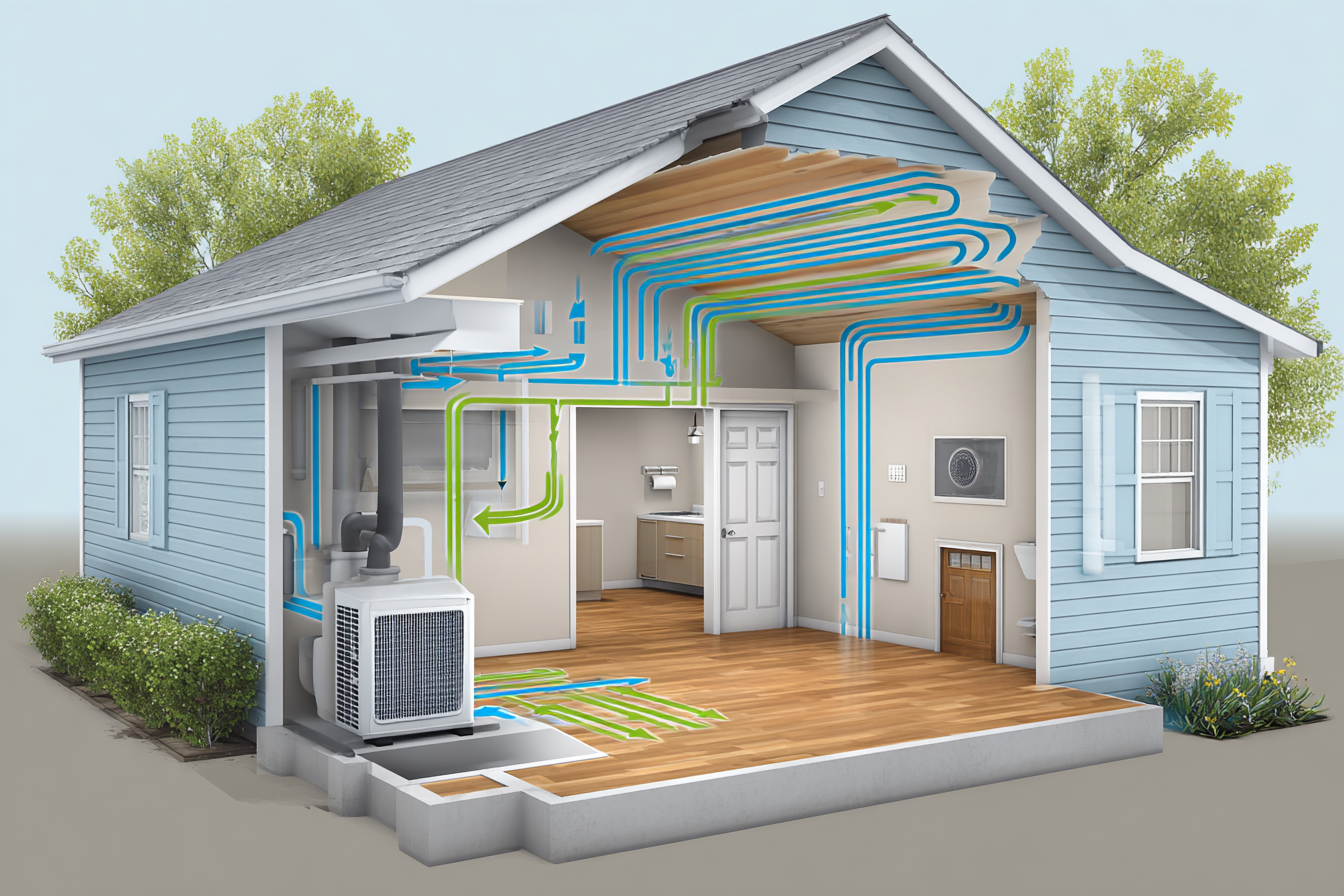
Rising energy bills are a major concern for homeowners and businesses alike. With the cost of utilities climbing, finding ways to reduce energy consumption without compromising comfort is more important than ever.
Energy-efficient HVAC systems offer a smart solution to this problem. By investing in the right system, you can cut down on operational costs and minimize your environmental impact.
In this article, you'll discover how energy-efficient HVAC systems work, the benefits they offer, and how to choose, install, and maintain the right system for your home or business in 2026. Read on to find out how you can save on energy costs and improve your comfort.
Overview
Energy-efficient HVAC systems use technologies like inverter compressors and variable-speed motors to reduce energy waste and lower operating costs.
Efficiency is measured using SEER (cooling), HSPF (heat pumps), EER (hot climates), and AFUE (furnaces); higher ratings mean lower energy use.
Systems like ductless mini-split heat pumps, high-AFUE furnaces, and geothermal heat pumps deliver the highest performance in different conditions.
Building factors such as insulation quality, duct leakage, and correct system sizing directly affect real-world efficiency.
Proper installation, sealed ductwork, and routine maintenance ensure systems operate at peak efficiency over the long term.
What Are Energy-Efficient HVAC Systems?
Energy-efficient HVAC systems are designed to provide optimal comfort while minimizing energy consumption. These systems are engineered with advanced technologies that reduce energy waste, making them a smart choice for homeowners and businesses.
HVAC systems include several components working together to manage temperature and air quality, such as:
Heating: Systems like furnaces, boilers, and heat pumps that provide warmth.
Ventilation: Includes air circulation components such as fans and ducts to ensure fresh air and regulate humidity.
Air Conditioning: Cooling systems like central AC units, ductless mini-splits, and heat pumps that control indoor temperature during warmer months.
Air Filtration: Systems like air purifiers and humidifiers that enhance air quality.
Key features of energy-efficient HVAC systems include:
Variable Speed Motors: Adjust the system's speed in response to demand, improving efficiency.
Energy-Efficient Compressors: Use less power to cool or heat air while maintaining consistent temperature levels.
Smart Thermostats: Automatically adjust the temperature based on your preferences and schedule, ensuring energy isn't wasted.
Advanced Insulation: Reduces heat loss or gain, improving overall system performance.
In 2026, many models are equipped with smart technology and zoning systems, allowing for even greater control over energy use in both homes and businesses.
Next, let’s look at measuring energy efficiency in HVAC systems.
Measuring Energy Efficiency in HVAC Systems
Before choosing a system, you need to understand how HVAC efficiency is measured. These ratings act like performance scorecards, helping you compare systems objectively.
Key HVAC Efficiency Metrics:
Rating | Used For | What It Measures | Efficient Range |
SEER (Seasonal Energy Efficiency Ratio) | Air conditioners & heat pumps | Cooling output over a season vs energy used | 16–22+ |
EER (Energy Efficiency Ratio) | Hot climates | Efficiency at a fixed high outdoor temp | 12–13+ |
HSPF (Heating Seasonal Performance Factor) | Heat pumps | Heating efficiency over winter | 8.5–10+ |
AFUE (Annual Fuel Utilization Efficiency) | Furnaces | % of fuel converted to heat | 90–98% |
Why these matter
Higher ratings = less energy waste
Directly impact utility bills
Required for rebates and ENERGY STAR eligibility
With a clear understanding of how efficiency is measured, the next step is identifying which system type delivers the highest performance.
What Is the Most Energy Efficient HVAC System?
The most energy-efficient HVAC system varies based on climate conditions, building size, insulation levels, and load requirements. However, certain systems consistently achieve the highest performance ratings across applications.
Top Performers by Application:
Highest overall operating efficiency
Ductless mini-split heat pumps:
Eliminate duct losses, use inverter-driven compressors, and commonly achieve SEER 20–25+Cold-climate heating efficiency
High-AFUE condensing furnaces (95–98%):
Capture additional heat from exhaust gases through secondary heat exchangersLarge-home balanced efficiency
High-SEER central heat pump systems:
Provide whole-home distribution with variable-speed air handlers for controlled airflowMaximum long-term efficiency
Geothermal heat pumps:
Utilize stable ground temperatures for heat exchange, resulting in the lowest energy consumption per BTU delivered
Now that system performance benchmarks are clear, let's look at the factors that affect HVAC energy efficiency.
Factors That Affect HVAC Energy Efficiency
Even the most advanced energy-efficient HVAC systems can underperform if key building and environmental factors are not aligned.
Home or Building Size & Layout: Larger spaces or multi-level layouts require proper airflow design and zoning to prevent uneven heating and cooling loads.
Insulation Quality: Poor insulation increases heat loss in winter and heat gain in summer, forcing the HVAC system to run longer cycles.
Ductwork Condition: Leaky or uninsulated ducts can waste 20-30% of conditioned air before it reaches rooms, reducing overall system efficiency.
Climate Zone: Systems must match regional temperature ranges; heat pumps perform best in moderate climates, while high-AFUE furnaces suit colder areas.
System Sizing Accuracy: Oversized units short-cycle, while undersized systems run continuously, both scenarios increase energy use and wear.
With these influencing factors in mind, the next step is reviewing the specific energy-efficient HVAC system options designed for residential applications.
Types of Energy-Efficient HVAC Systems for Homes

When it comes to energy-efficient HVAC systems for homes, there are several options, each designed to meet different needs based on your home’s size, layout, and climate.
Here are the most efficient systems for homeowners in 2026:
Ductless Mini-Split Systems
Perfect for homes without ductwork: Ideal for older homes, room additions, or spaces where adding ducts would be difficult or expensive.
Energy savings: These systems use inverter-driven compressors that adjust to demand, providing efficient heating and cooling.
Zoning: Allows for individual room control, which reduces energy waste by heating or cooling only the areas in use.
Efficiency Rating: Can achieve SEER ratings of 22 or higher.
Geothermal Heat Pumps
Highly energy-efficient: Use the stable temperature of the earth to heat and cool your home, drastically reducing energy consumption.
Low operating costs: Geothermal systems can save up to 70% in energy bills compared to traditional systems.
Longevity: These systems can last 25+ years with minimal maintenance, making them a solid long-term investment.
Best for larger properties: Works well in homes with ample land for installing underground loops.
Air Source Heat Pumps
Dual functionality: Provides both heating and cooling by transferring heat between the home and the outside air.
Highly efficient in moderate climates: Ideal for areas where winter temperatures don't fall too low.
Modern features: Newer models have advanced defrosting systems and variable-speed compressors, improving energy use in colder conditions.
Efficiency Rating: Can achieve up to 20 SEER for cooling and 10 HSPF for heating.
High-Efficiency Furnaces
Advanced combustion technology: High-efficiency furnaces use condensing technology to extract additional heat from exhaust gases, achieving efficiency ratings of 95% or higher.
Reduced energy use: These systems waste less heat, and newer models have improved blower motors that use less energy.
Quiet operation: Equipped with variable-speed blowers, these furnaces provide consistent warmth with less noise.
Best for colder climates: Offers reliable heating even in extreme temperatures.
Now that you know the best energy-efficient HVAC systems for homes, let's explore the options designed to meet the unique needs of businesses looking to reduce energy consumption while maintaining comfort.
Types of Energy Efficient HVAC Systems for Businesses

Businesses require HVAC systems that balance efficiency, scalability, and control. The right system can reduce energy costs significantly while improving employee comfort and productivity.
Here are some of the most energy-efficient HVAC options for businesses in 2026:
Variable Refrigerant Flow (VRF) Systems
Ideal for large commercial spaces: VRF systems can efficiently heat or cool large buildings by adjusting refrigerant flow based on demand.
Zone-based control: Allows precise temperature control in different zones, making it perfect for multi-floor offices, hotels, and large retail spaces.
Energy savings: VRF systems use up to 30% less energy than traditional HVAC systems due to their ability to adapt to varying load demands.
Quiet operation: These systems are designed to be quieter than traditional systems, minimizing disruption in workspaces.
Rooftop Units (RTUs)
Packaged for commercial use: These self-contained units are ideal for businesses with limited space or multiple rooftop locations.
High energy efficiency: Newer RTUs come with modulating compressors and economizer systems, which optimize outdoor air use, increasing efficiency during cooling seasons.
Easy installation and maintenance: Designed for easy servicing and replacement, making them a popular choice for retail stores and small businesses.
Energy savings: Can save up to 25% on energy bills compared to traditional HVAC systems.
Ductless Mini-Split Systems
Flexible for smaller spaces: Ideal for small offices, server rooms, and conference areas that need precise control.
Energy-efficient operation: As with residential use, these systems provide zoned cooling and heating, allowing businesses to control temperatures in specific areas.
No ductwork needed: Reduces energy loss associated with traditional duct systems, especially in buildings with difficult layouts.
Low maintenance: These systems require minimal upkeep, reducing downtime for businesses.
Heat Recovery Ventilation (HRV) Systems
Energy-saving air circulation: HRV systems exchange stale indoor air with fresh outdoor air, recovering heat from outgoing air to warm incoming air.
Improves air quality: Reduces the need for mechanical heating while ensuring proper ventilation and improved indoor air quality.
Ideal for office buildings: Great for spaces where ventilation is a concern but where energy savings are just as important.
Energy savings: Can reduce heating and cooling costs by up to 50%.
These energy-efficient HVAC systems are designed to meet the complex needs of businesses, ensuring cost savings, comfort, and sustainability.
Now that you know the best systems for businesses, let's move on to choosing the right energy-efficient system for your specific needs.
How to Choose the Right Energy Efficient HVAC System?
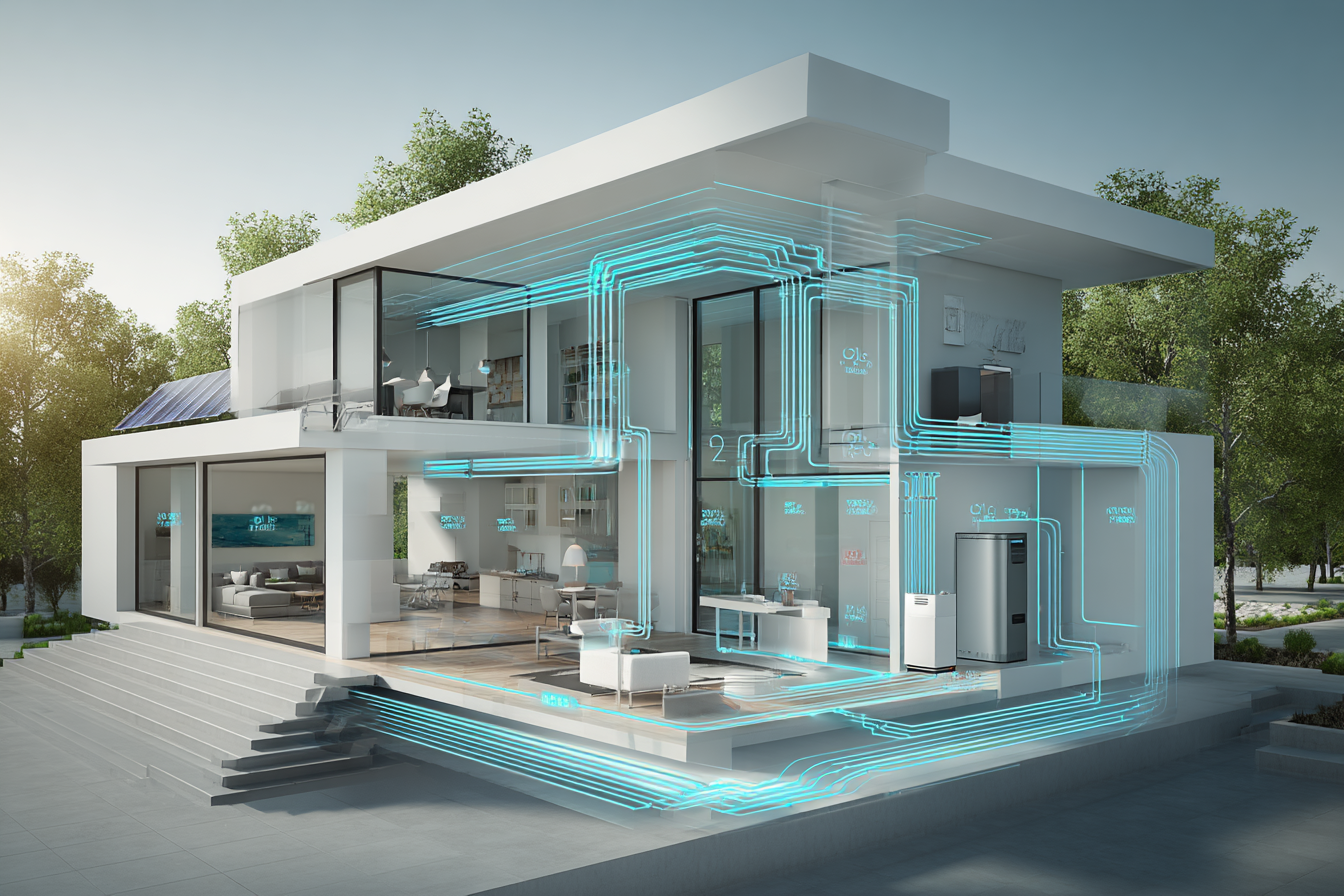
Choosing the right energy-efficient HVAC system depends on several factors, including the size of your space, climate, and specific needs.
Follow this checklist to ensure you make the best choice:
Assess Your Space Requirements
Determine the square footage of the area to be heated or cooled.
Consider the number of zones or rooms that need individual temperature control.
For businesses, evaluate traffic and occupancy patterns to choose the most efficient system.
Understand Your Climate
In colder climates, focus on high-efficiency heating systems like furnaces or heat pumps.
In warmer climates, prioritize cooling efficiency with systems like air conditioners or ductless mini-splits.
Consider hybrid systems if you face both cold winters and hot summers.
Energy Efficiency Ratings
Check the SEER (Seasonal Energy Efficiency Ratio) for cooling efficiency, higher SEER ratings mean greater efficiency.
For heating, look for HSPF (Heating Seasonal Performance Factor) ratings to gauge heat pump efficiency.
Ensure your system has a high ENERGY STAR® rating for optimal performance.
Consider Long-Term Savings
Evaluate operating costs: Energy-efficient systems can reduce bills by up to 30%, but initial installation may have a higher upfront cost.
Factor in rebates and tax incentives available for energy-efficient systems, which can offset the installation cost.
Think about maintenance costs: High-efficiency systems typically require less maintenance and have a longer lifespan.
Select the Right System Type
Ductless mini-splits: Ideal for homes or businesses without existing ductwork.
Heat pumps: Great for both heating and cooling in mild to moderate climates.
Geothermal systems: Best for larger properties with available land and a high initial budget.
Central HVAC systems: Suitable for larger homes or businesses that need uniform heating and cooling.
Choose a Reliable HVAC Contractor
Ensure the contractor is licensed, insured, and has experience with installing energy-efficient systems.
Get multiple quotes to compare pricing and installation options.
Ask for references or reviews from previous customers to gauge the contractor’s reliability.
Think About Smart Integration
Consider systems that are compatible with smart thermostats and building management systems to optimize energy use.
Look for systems that provide remote control and data tracking to monitor performance and energy consumption.
For personalized guidance, we at Quality Comfort Solutions are here to assess your unique needs and recommend the most efficient HVAC system personalized specifically to your home or business.
Now that you've got a clear roadmap for choosing the right system, let’s look at how to install and maintain your energy-efficient HVAC system to keep it running at peak efficiency.
Installation and Maintenance Tips for Maximizing Efficiency
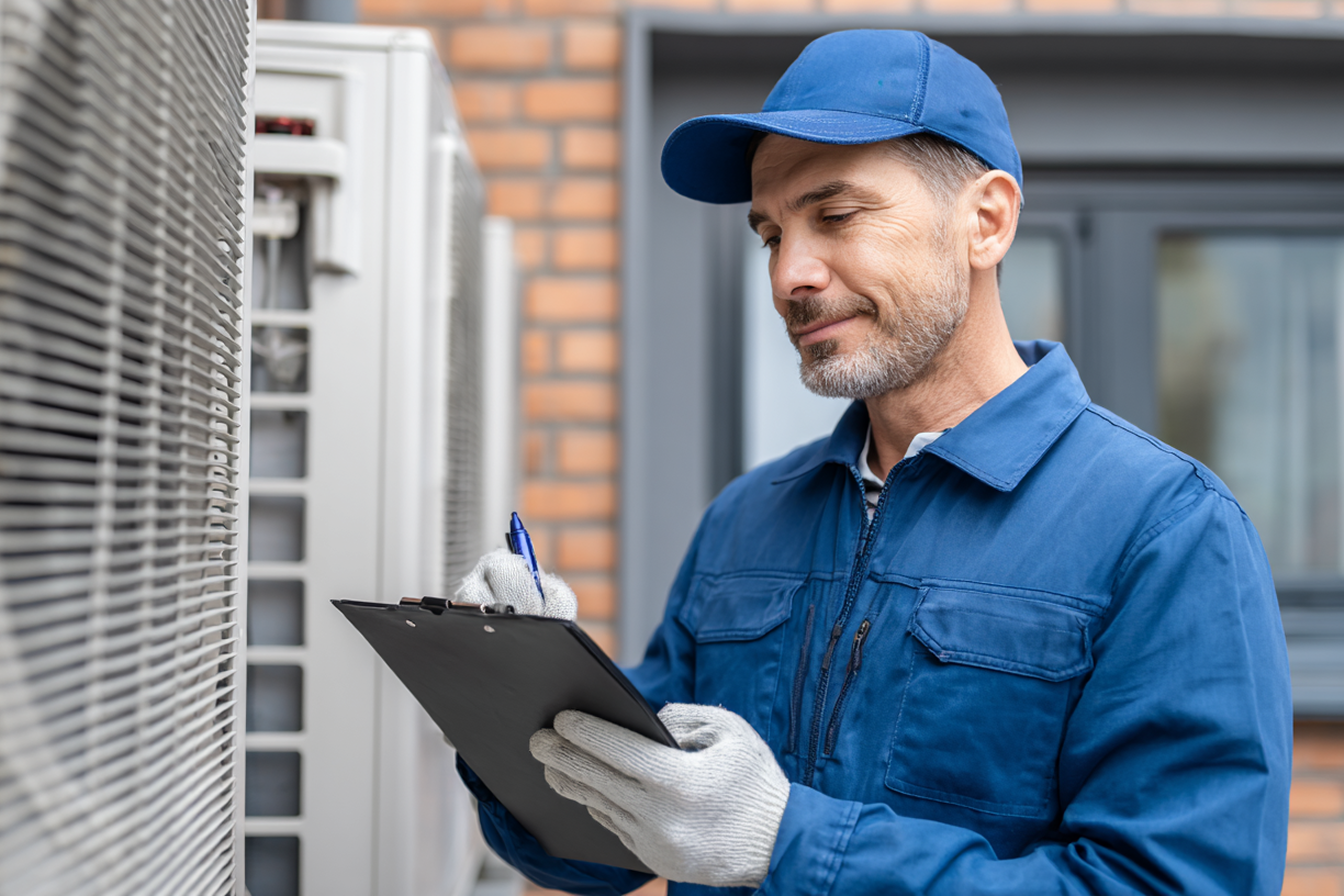
Proper installation and ongoing maintenance are crucial to ensuring your energy-efficient HVAC system operates at peak performance.
Follow these expert tips to maximize efficiency and extend the lifespan of your system:
Proper Installation
Hire a Certified Technician: Ensure the system is installed by a licensed HVAC professional to prevent efficiency loss.
Correct Sizing: A system that’s too large or too small can lead to energy waste and frequent breakdowns. Ensure proper sizing for your space.
Seal Ducts: Leaky ducts can lead to 30% energy loss. Ensure ducts are sealed and insulated properly.
Regular Maintenance
Change Filters: Replace or clean filters every 1-3 months to ensure proper airflow and prevent overworking the system.
Clean Coils and Fans: Accumulated dust can reduce efficiency. Have evaporator and condenser coils cleaned annually.
Check Refrigerant Levels: Low refrigerant can cause inefficiency. Have a professional inspect levels regularly.
Smart System Use
Programmable Thermostats: Set to adjust temperatures during off-peak hours, saving up to 10-12% on energy bills.
Zoning: Use zoning systems to heat or cool only occupied areas, avoiding unnecessary energy use.
Seasonal Inspections
Pre-Season Check-Up: Schedule a tune-up before peak cooling or heating months to ensure optimal performance.
Clear Drains: Clogged condensate lines can cause system damage. Ensure they are clear and draining properly.
These maintenance practices will help your system operate efficiently, saving energy and extending its lifespan.
Next, let’s move into how Quality Comfort Solutions can support a smooth upgrade and help you plan your next steps.
Why Quality Comfort Solutions is Your Go-To for Energy Efficient HVAC Systems
Quality Comfort Solutions has been proudly serving Yonkers, and Westchester County, NY, for years, offering expert guidance on energy-efficient HVAC systems.
Our focus on customer satisfaction, reliable service, and advanced technology ensures that every system we install is tailored to meet your specific needs.
Why Quality Comfort Solutions is the Ideal Choice:
Expert Knowledge: We have a deep understanding of the latest energy-efficient HVAC technologies and how they best fit into the unique needs of homes and businesses.
Certified Professionals: Our technicians are licensed, insured, and highly trained to install and maintain top-rated HVAC systems.
Personalized Solutions: We offer customized recommendations based on your specific needs, helping you select the most cost-effective system without compromising comfort.
Ongoing Support: We provide comprehensive maintenance services to ensure your system stays efficient and reliable for years.
Energy Savings Focus: We specialize in systems that prioritize energy conservation, helping you reduce utility bills and minimize environmental impact.
With Quality Comfort Solutions, you can count on expert installation and ongoing support for a system that maximizes both comfort and savings.
Contact us today to learn how we can help you upgrade to a more energy-efficient system and start saving on energy costs.
FAQs
Are high-efficiency HVAC systems worth the extra upfront cost?
While high-efficiency systems may have a higher initial cost, they typically pay off through lower energy bills over time. This makes them a good long-term investment, especially when paired with smart thermostats and regular maintenance.
Can a heat pump outperform a traditional furnace or air conditioner?
Yes, heat pumps are known for their superior efficiency because they transfer heat rather than generate it. They can provide up to 300-400% efficiency, making them more cost-effective in milder climates compared to conventional furnaces or AC units.
Does adding insulation improve HVAC energy efficiency?
Absolutely! Proper insulation helps keep the desired temperature inside, reducing the burden on your HVAC system. This means it doesn't need to work as hard, leading to lower energy consumption and reduced wear.
Is SEER the only important efficiency rating when choosing a system?
No, while SEER is crucial for cooling efficiency, other ratings like HSPF (Heating Seasonal Performance Factor) for heat pumps and AFUE (Annual Fuel Utilization Efficiency) for furnaces also play a significant role in determining overall efficiency.
Do smaller HVAC systems always cost less to run?
Not necessarily. A system that's too small for your space will run constantly and struggle to maintain temperature, leading to higher energy consumption. It's essential to choose the right size to ensure optimal efficiency.