A new HVAC system is a major upgrade for any home, and most homeowners want a clear understanding of what the process involves. The biggest challenge is knowing how to choose equipment that truly fits the home and delivers consistent comfort year-round.
With so many variables, such as sizing, design, installation quality, and long-term care, it’s easy to feel unsure about the right path forward. This guide gives you a straightforward overview of each stage so you can move ahead with confidence and avoid unnecessary setbacks.
Key Takeaways
A new HVAC system performs well only when homeowners choose the right type of equipment and confirm proper system sizing through Manual J calculations.
Efficiency ratings, features, and total lifetime costs matter more than the lowest upfront price.
Rebates, incentives, and financing can reduce initial costs, but homeowners should always verify current local programs.
Correct installation requires licensed work, proper permits, and a full start-up and testing process to confirm airflow, refrigerant levels, and safe operation.
Quality Comfort Solutions offers licensed installations, system evaluations, and free estimates for homes in Yonkers and Westchester County.
Decide if You Need to Repair, Replace, or Upgrade
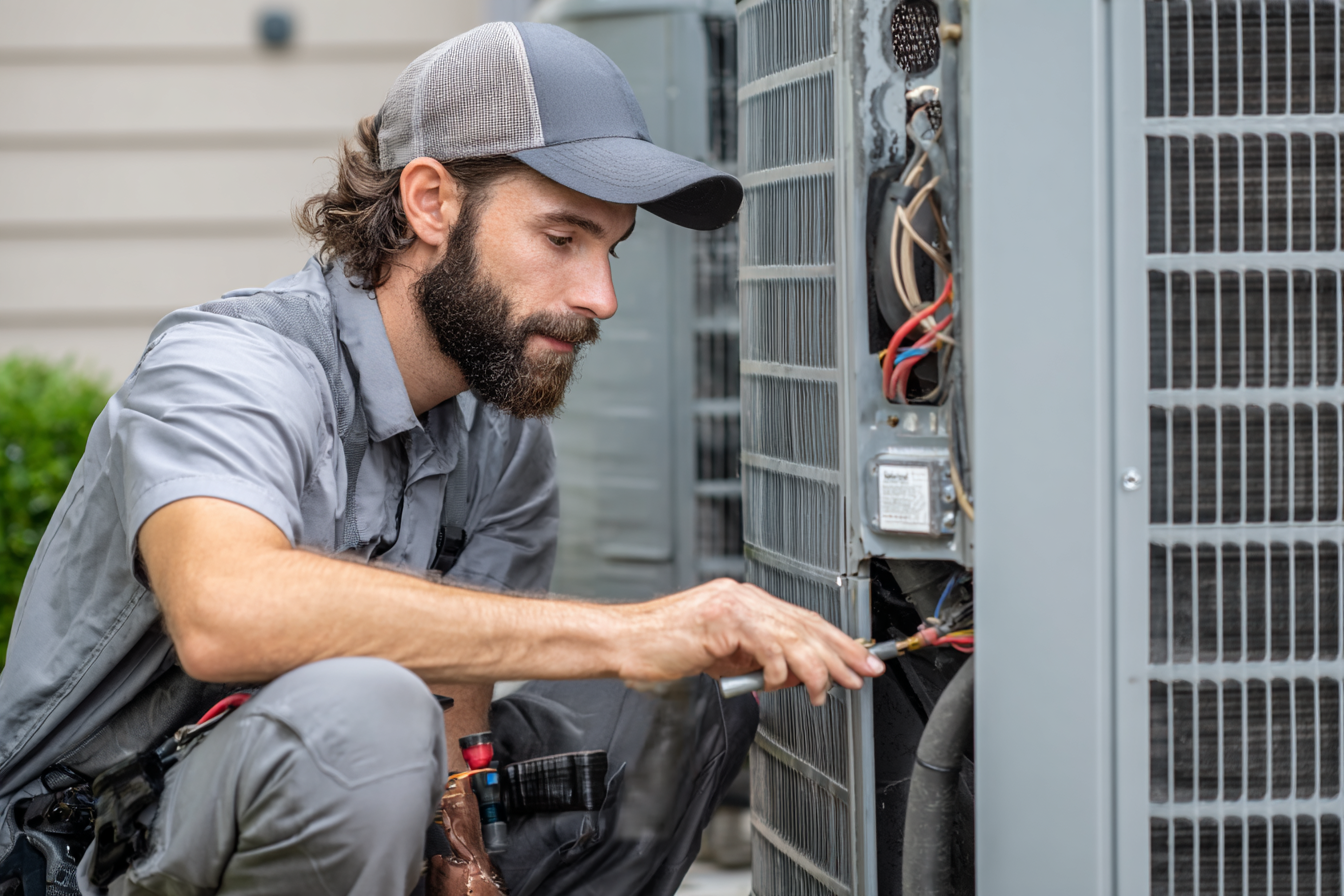
Before choosing a new HVAC system, it helps to confirm the best path forward. Some issues are simple and can be handled with a repair, while others point to system decline or the need for an upgrade that supports better comfort.
When Repair Makes Sense
A repair is usually enough when the problem is isolated and doesn’t signal deeper wear. Common examples include:
A clogged filter or blocked airflow
Loose electrical connections
A thermostat that needs recalibration
A single worn component, such as a capacitor or motor
These issues don’t normally affect the full lifespan of the system.
When Replacement Is the Better Long-Term Choice
Certain patterns tell you the equipment is reaching the end of its useful life. Key signs include:
Frequent breakdowns
Noticeable noise during operation
Uneven temperatures across rooms
Sudden jumps in utility bills
Longer run times with weaker heating or cooling
These conditions often indicate declining efficiency or outdated components.
When an Upgrade Becomes Worth Considering
An upgrade can improve comfort and reduce ongoing costs even if the current system still runs. Homeowners often benefit from improved airflow, quieter performance, and features that support more stable temperatures throughout the home.
Signs Homeowners Should Watch For
Short cycling
Unusual odors during operation
Hot and cold spots
A system approaching or past its expected lifespan
If you’re unsure which direction makes sense for your home, you can request a free system evaluation from Quality Comfort Solutions for guidance based on your home’s actual conditions.
Choose the Right Type of HVAC System for Your Home
Selecting the right setup is one of the most important steps in planning a new HVAC system. Each option works differently, and the best fit depends on your home’s layout, existing equipment, and comfort expectations.
HVAC System Type | Description | Key Benefits |
Gas Furnace + Central AC | Common choice for homes with existing ductwork | - Strong heating output for cold seasons - Reliable cooling when paired with central AC - Often preferred in colder climates |
Electric Furnace | Suitable for homes without natural gas access | - Lower upfront cost - Simple design with fewer components - Best for small homes or moderate heating needs |
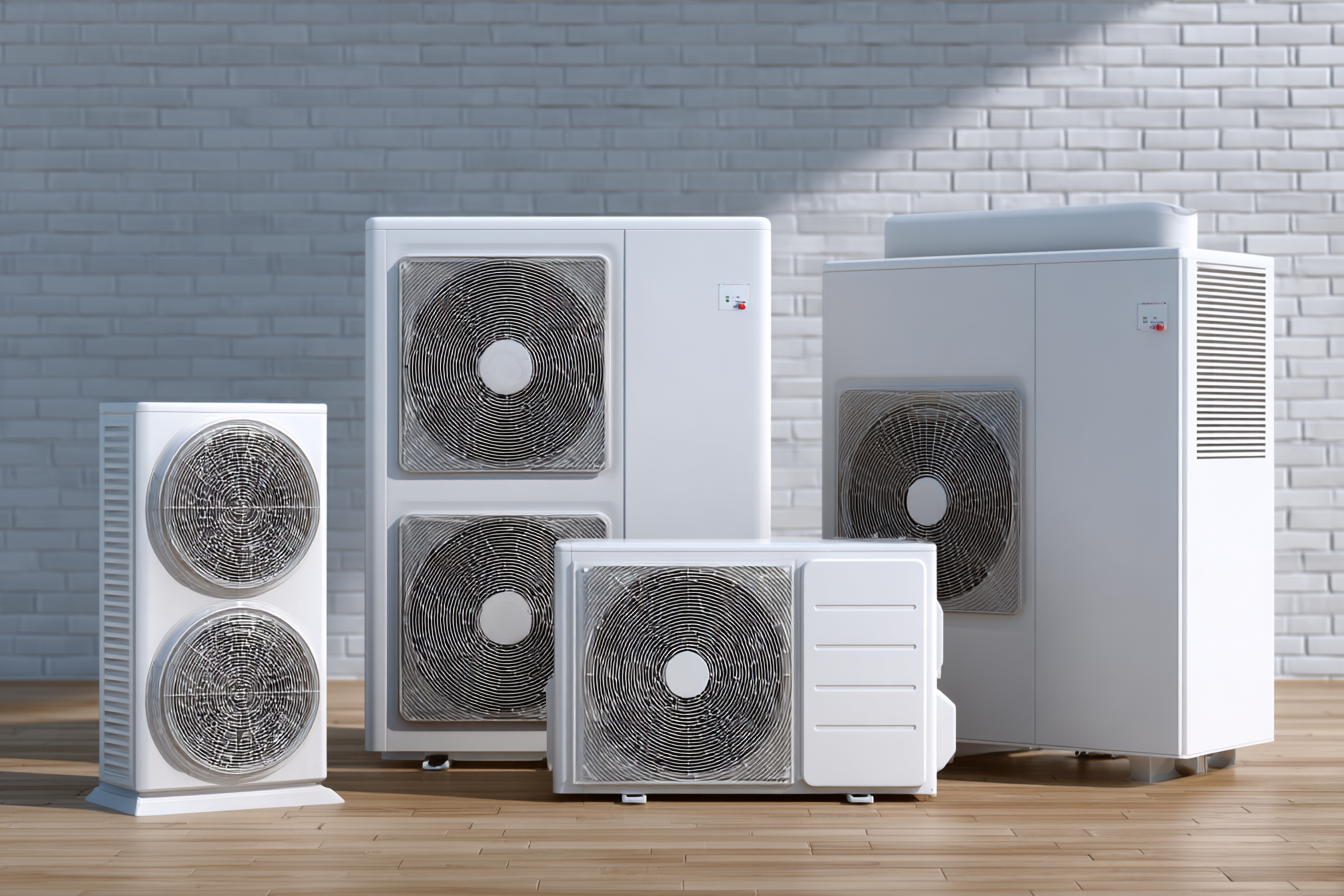
Heat Pump Systems | A single system that provides both heating and cooling | - Efficient year-round operation - Good choice for mild-to-cold climates - Works well in homes aiming for lower energy use |
Ductless Mini-Split Systems | Ideal for homes without ducts or for targeted comfort improvements | - Room-by-room control with individual indoor units - Quiet operation - Useful for additions, basements or older homes |
Dual-Fuel Setups | A combination of a heat pump and a gas furnace | - Heat pump handles milder weather - Furnace supports colder days - Balances comfort and operating costs |
When narrowing down which system fits best, consider your home’s size and insulation, the condition of any existing ducts, energy goals, long-term operating costs, noise preferences, local climate patterns, and available space for equipment.
Once you’ve picked the right system, accurate load calculations and sizing are essential for reliable comfort and efficiency.
Get Proper Load Calculations and System Sizing
A new HVAC system can only perform at its best when it’s sized accurately. This is why a Manual J load calculation is such an important step. Instead of guessing, it measures the specific needs of your home using clear factors such as:
Square footage
Insulation quality
Window size and placement
Home orientation
Local climate conditions
Sizing a system based on rough estimates often leads to uneven temperatures, frequent on-and-off cycling, and higher utility use. These issues shorten equipment life and reduce comfort. Heating and cooling needs should also be calculated separately, since each part of the system handles different conditions throughout the year.
Now, let’s determine the right features and efficiency levels, comfort, energy use, and overall value over time.
Compare Efficiency Ratings, Features, and Total Cost of Ownership
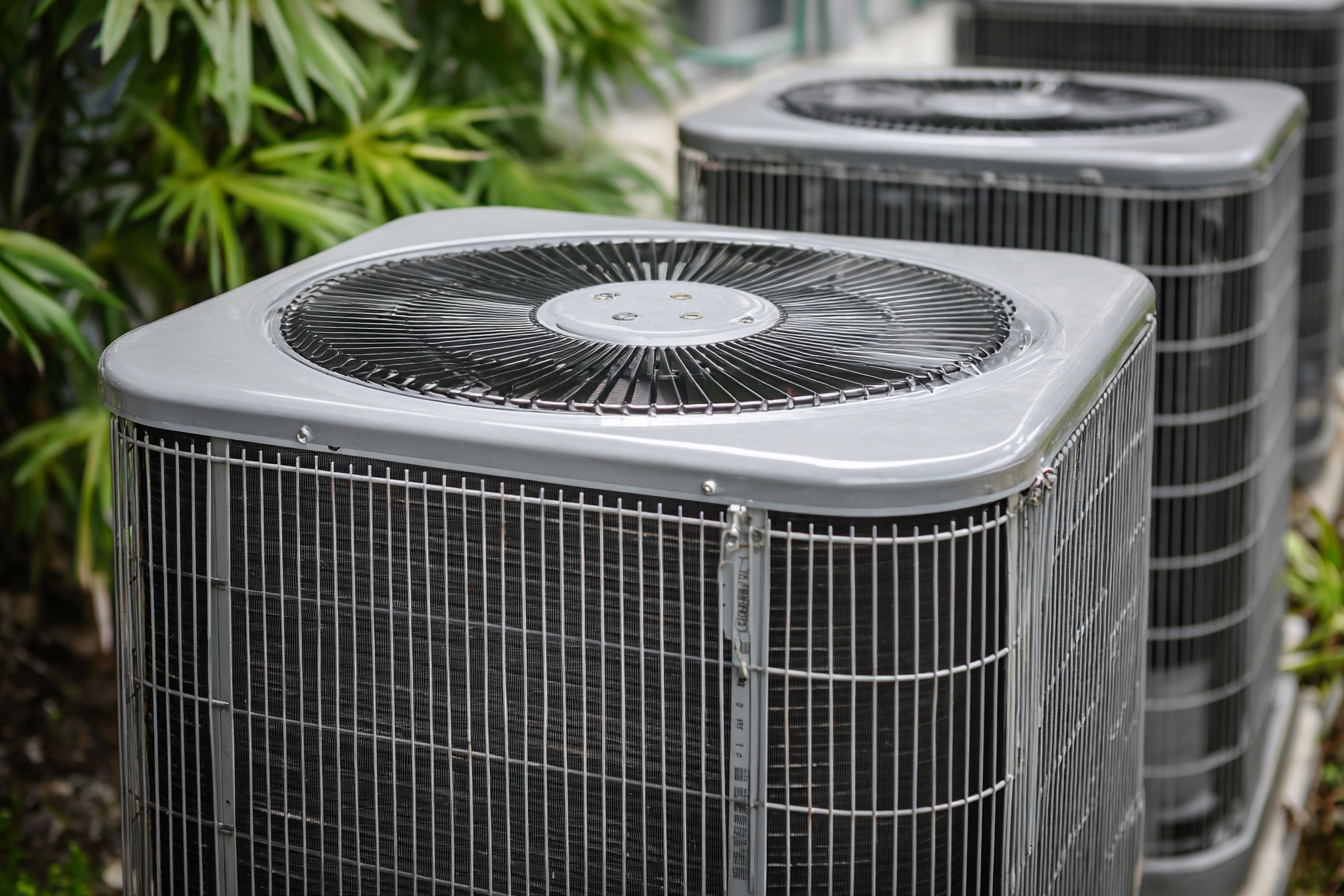
When choosing a new HVAC system, efficiency ratings and system features play a major role in long-term comfort and operating cost.
Key efficiency ratings include:
SEER2 (Cooling Efficiency): Shows how much cooling you get per unit of electricity. Higher numbers mean lower summer utility bills.
HSPF2 (Heat Pump Heating Efficiency): Measures how efficiently a heat pump heats your home. A higher rating means better performance in colder months.
AFUE (Furnace Heating Efficiency): Indicates how much fuel is converted into usable heat. For example, a 95% AFUE furnace converts 95% of its fuel into heat for your home.
Features That Improve Everyday Comfort
Variable-Speed Motors: Adjust airflow gradually for steadier temperatures and quieter operation.
Staged Heating or Cooling: Uses different output levels to avoid abrupt temperature swings.
Sound Ratings: Lower decibel levels mean less noise, which matters for bedrooms and living areas.
Smart Thermostat Compatibility: Supports better temperature control and helps track energy use.
Total Cost of Ownership
Upfront price is only one part of the decision. A system with a slightly higher purchase cost may use far less energy over time, run more quietly, and require fewer repairs. Lower-priced units can cost more in the long run if they cycle often, struggle to maintain temperature, or rely on outdated technology.
Choosing a system based solely on the lowest bid can lead to higher operating costs and reduced comfort, so it’s important to balance price, efficiency, and long-term performance.
Check Available Rebates, Incentives, and Financing
Before finalizing a new HVAC system, it’s smart to look at rebates, tax credits, and financing options that can significantly reduce your upfront cost. Many homeowners overlook these savings, but they can make higher-efficiency equipment more affordable.
Ways to Save on a New HVAC System
Utility Rebates: Local utility companies often offer rebates for installing high-efficiency heat pumps, furnaces, or air conditioners. These can lower the cost by hundreds of dollars, depending on system type and efficiency level.
Federal Tax Credits (If Active at the Time): When available, federal programs may provide tax credits for qualifying high-efficiency equipment. Always confirm the current eligibility requirements, system ratings, and annual limits.
Manufacturer Promotions: HVAC brands frequently run seasonal promotions, extended warranties, or bundled discounts that can reduce the cost of equipment and installation.
Financing Options
If the upfront investment feels overwhelming, many HVAC companies offer flexible financing with monthly payment plans. This can help you choose a higher-efficiency system without straining your budget.
Verify Current Offers
Incentives change throughout the year, so encourage homeowners to check the latest local rebates, tax credits, and financing programs before making a final decision. This ensures they take advantage of every available opportunity to save.
How to Choose the Right Installer and Protect Your HVAC System?
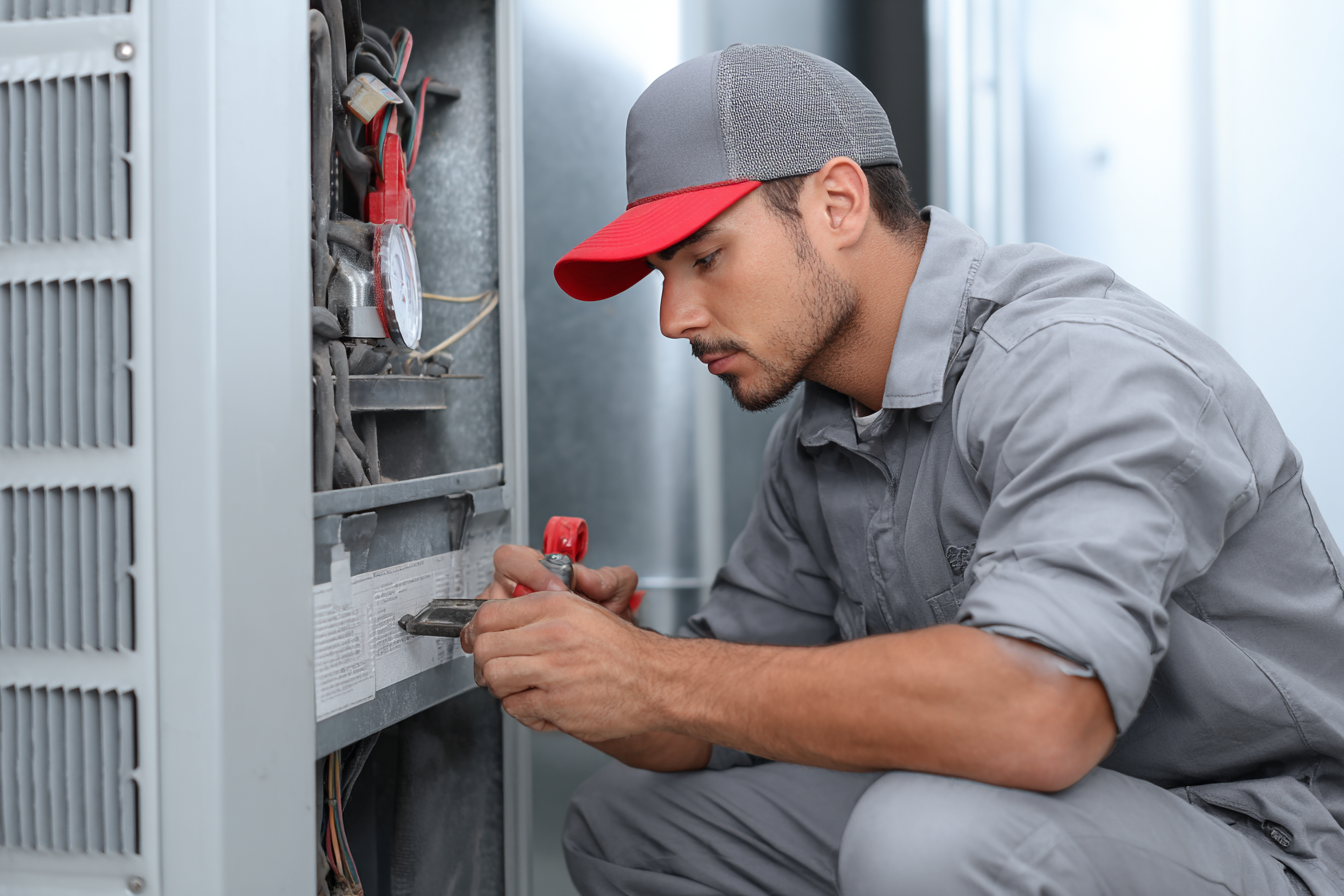
A solid installation sets the foundation for steady comfort, safe operation, and long-term reliability.
Here’s what homeowners should look for
Licenses and Insurance: Confirm the contractor is licensed and carries proper liability and workers’ compensation coverage.
Certifications: Industry certifications show that the installer follows established professional standards.
Clear, Itemized Estimates: A good estimate breaks down equipment, labor, materials, and additional services so you know exactly what you’re paying for.
Multiple Equipment Options: A reliable contractor offers more than one system type or brand rather than pushing a single choice.
References and Reviews: Recent customer feedback can help you understand real installation quality and service reliability.
Understand the Warranties
A complete HVAC protection plan usually includes:
Parts Warranty: Covers major components supplied by the manufacturer.
Labor Warranty: Covers the cost of professional service if repairs are needed.
Workmanship Warranty: Protects you from installation-related issues.
Equipment Registration: Some manufacturers extend coverage when the system is registered shortly after installation.
if you’d like professional guidance, Quality Comfort Solutions is fully licensed and insured in Westchester County and provides detailed estimates for new HVAC system installations.
Prepare Your Home for Installation Day
A little preparation helps the installation move quickly and safely. Homeowners can focus on a few key tasks before the crew arrives.
Clear the work area: Move furniture or stored items away from equipment paths.
Provide access: Ensure the team can reach electrical panels and any attic or basement spaces.
Secure pets: Keep them in a separate room to avoid stress or accidents.
Review the plan: Confirm timing, expected noise, and any temporary heating or cooling needs.
With your home ready, the next step is to understand how the installation unfolds so you know what to expect on the big day.
Step-by-Step Guide to HVAC Installation
Most projects follow a predictable sequence, even if every home has its own needs.
Removal of old equipment: The crew disconnects and takes out the existing system, making sure all wiring, gas lines, and refrigerant are handled properly.
Duct adjustments or new ductwork: Any leaks, sizing issues, or damaged sections are corrected before the new equipment goes in.
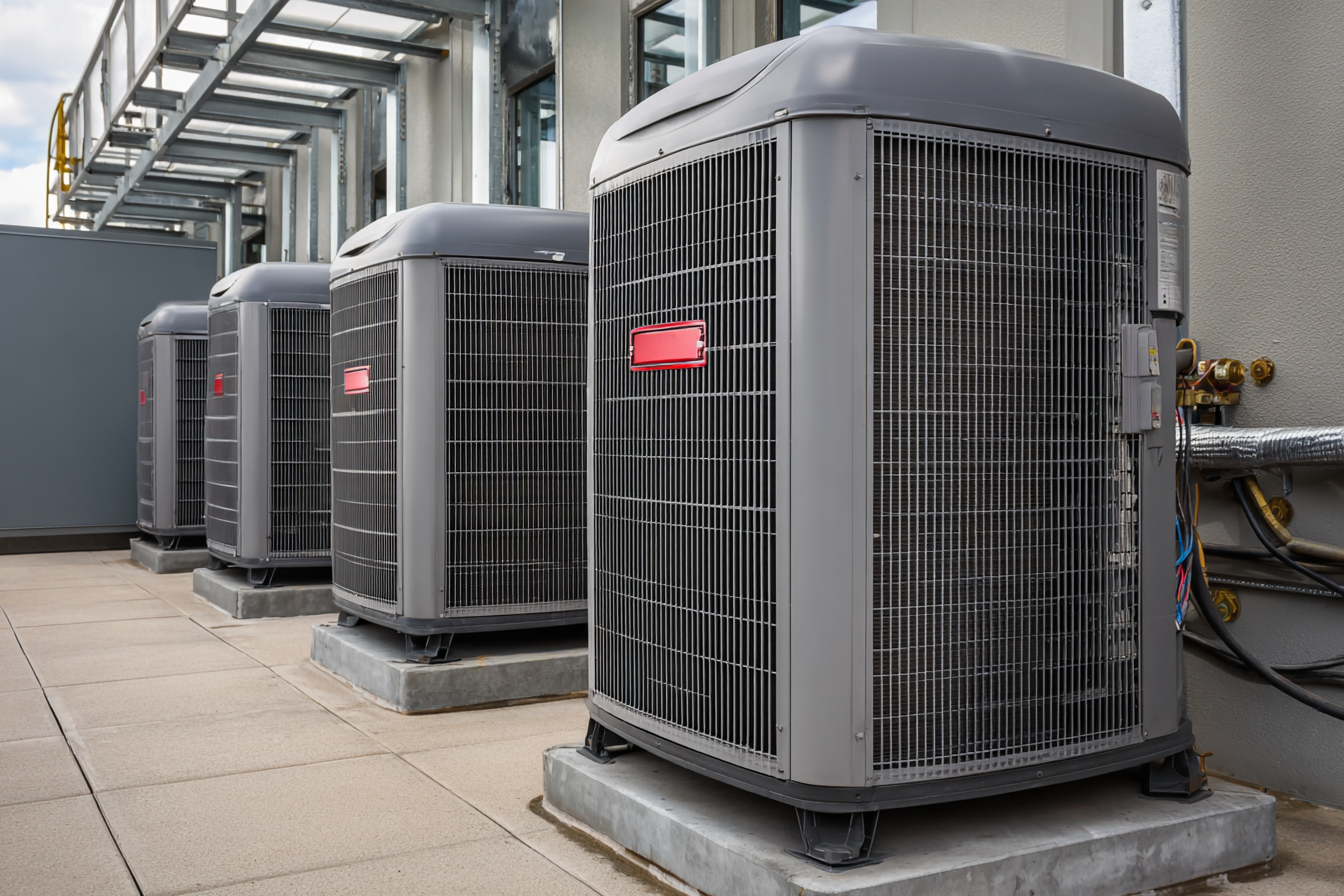
Equipment placement: The furnace, air handler, condenser, or heat pump is positioned and secured.
Refrigerant line installation: New lines are run, or existing ones are flushed and prepared for the new system.
Electrical and gas connections: All wiring, breakers, and gas lines are connected to meet current safety requirements.
Thermostat setup: A new thermostat is mounted and wired, including smart options if the homeowner chooses one.
System sealing and insulation: Connections are sealed, ducts are insulated where needed, and airflow paths are verified.
Safety checks: The crew confirms proper gas pressure, electrical load, refrigerant charge, and startup conditions before leaving the system running.
Once the system is installed, it undergoes start-up and testing to ensure everything operates safely and efficiently.
What a Quality Start-Up, Testing, and Commissioning Includes
This final phase confirms that every part is set up correctly and ready for everyday use. Homeowners should expect the crew to complete several checks before the job is considered finished.
Airflow testing: Verifies that ducts deliver the right amount of air to each room.
Refrigerant charge check: Ensures the system has the correct amount of refrigerant for steady cooling and heating.
Electrical testing: Confirms safe wiring, proper breaker sizing, and stable voltage.
Control checks: Thermostat settings, staging, and system responses are verified.
Safety checks: Gas pressure, flame quality (for furnaces), drain lines, and shut-off switches are reviewed.
Documentation and equipment registration: Model numbers, serial numbers, and performance readings are recorded, and the equipment is registered for warranty coverage.
Final walk-through with the homeowner: The technician explains how the system operates, how to use the thermostat, and what to expect in the first few days.
After a thorough start-up and testing process, it’s important to understand how to operate and maintain your new system for reliable performance and long-term comfort.
How to Operate and Care for Your HVAC System
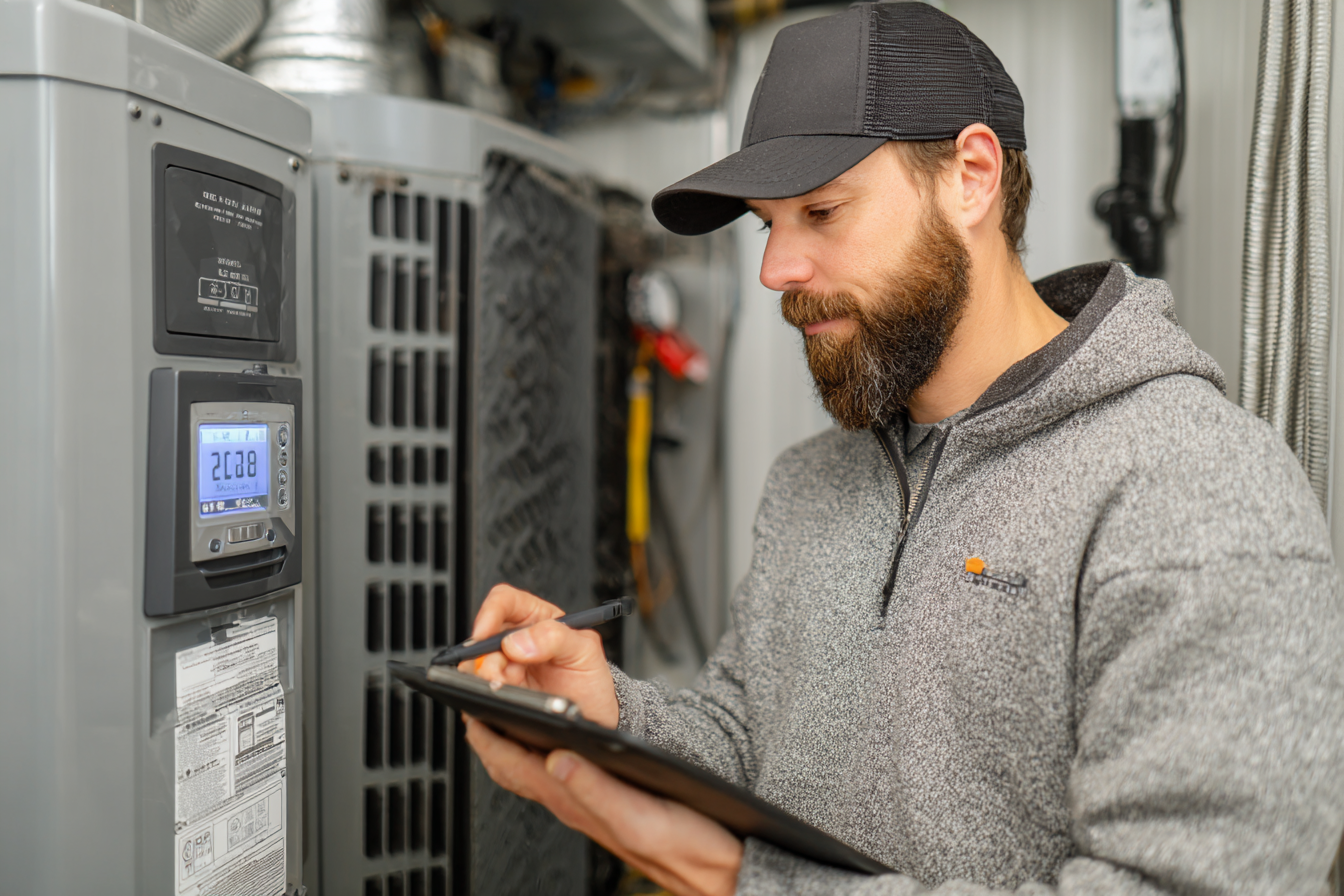
Once the system is running, a little familiarity goes a long way. Homeowners who understand basic controls, maintenance tasks, and early warning signs usually get better comfort and fewer surprises over the years.
Thermostat use: Review heating and cooling modes, scheduling options, and any smart features included with the setup.
Filter care: Know which filter your system uses and how often it should be replaced. Most homes need a new filter every 1–3 months, depending on dust levels and household activity.
Normal vs. unusual operation: Steady airflow and consistent temperatures are expected. Loud rattling, burning smells, or short run times signal that something needs attention.
Routine homeowner tasks: Keep vents open, maintain a clear space around indoor and outdoor units, and monitor the filter regularly.
Seasonal tune-ups: Schedule a checkup in spring for cooling and fall for heating to keep the system running steadily.
Proper use and routine maintenance help your system run smoothly, but long-term care and record-keeping are essential to protect your investment.
How to Protect Your HVAC Investment for the Long Term
Staying organized after installation helps the system run steadily and makes future service easier. A few simple habits can keep everything on track.
Keep documents: Save invoices, warranty details, manuals, and start-up test results.
Schedule seasonal inspections: Have the system checked in spring and fall.
Monitor performance: Note changes in comfort or utility bills to catch early issues.
Plan ahead: Consider improvements such as duct sealing, added insulation, or a smart thermostat when they make sense for the home.
Following these steps ensures your new HVAC system delivers reliable comfort and efficiency for years to come. You can schedule your fall or spring HVAC maintenance with Quality Comfort Solutions in Yonkers to keep your system running at its best.
Final Thoughts
A new HVAC system is a major investment, and the right choices during selection and installation make a clear difference in comfort and reliability. When homeowners understand sizing, features, and proper start-up steps, the system performs as it should from day one.
If you want help reviewing options or confirming what your home needs, Quality Comfort Solutions provides licensed installation and free estimates across Yonkers and Westchester County. Contact their team to schedule a system evaluation and plan your next steps with confidence.
FAQ’s
1. How long does a typical HVAC installation take?
Most standard residential installations take one full day, but homes that need duct modifications, electrical upgrades, or a new thermostat setup may require additional time.
2. Will a new HVAC system increase my home’s resale value?
Yes. A well-sized, recently installed system is a strong selling point because buyers look for lower utility use, reliable comfort, and fewer upcoming expenses.
3. Do I need to upgrade my electrical panel for a new HVAC system?
Not always. Some heat pumps or high-efficiency units require additional electrical capacity, but your installer can confirm this during the evaluation.
4. Can I reuse my existing thermostat with a new system?
Many thermostats can be reused, but older models may not support newer features. A technician can confirm compatibility or recommend an updated thermostat.
5. What should I do during the first week after installation?
Monitor temperatures in different rooms, listen for unusual noise, check your filter, and review thermostat settings. If anything feels off, your installer can make early adjustments.