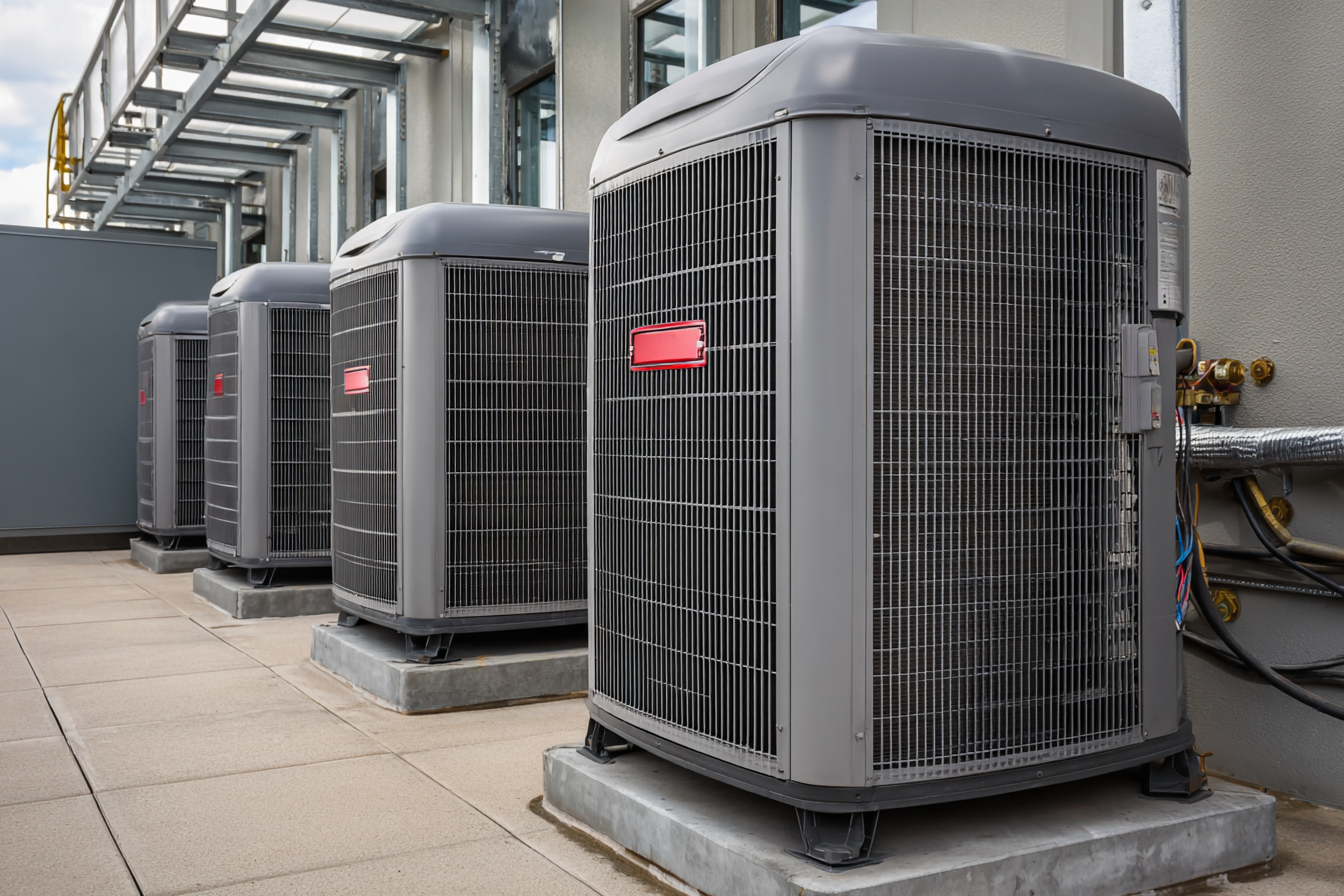
Ductwork is one of the most important, yet often overlooked, components of any Heating, Ventilation, and Air Conditioning (HVAC) system. It acts as the pathway that delivers heated or cooled air from your furnace, boiler, or air conditioner to every room in your home.
According to the latest market and energy research, the HVAC air duct segment is expected to reach $6.2 billion by 2035. It is growing as demand for energy‑efficient duct solutions rises, a trend driven by homeowners and builders prioritizing improved energy performance and lower emissions.
However, even the most advanced HVAC equipment cannot perform efficiently if the ductwork is poorly designed, damaged, or improperly installed.
This guide breaks down everything you need to know about ductwork, from how it works within your HVAC system to the different types of ducts, installation best practices, and signs your home may need duct repairs or replacement.
Whether you’re upgrading an existing system or planning a new installation, this Ductwork 101 guide will help you make informed decisions for long‑term comfort and efficiency.
In a Nutshell:
Ductwork distributes heated or cooled air throughout your home, directly impacting HVAC efficiency, airflow balance, indoor comfort, and air quality.
Proper duct materials, sizing, sealing, and layout are essential for preventing energy loss, uneven temperatures, excessive wear, and rising utility costs.
Leaky, damaged, or poorly designed ductwork causes hot and cold spots, weak airflow, noisy operation, and reduced HVAC system performance.
Professional ductwork installation, inspection, and maintenance improve energy efficiency, extend system lifespan, and ensure consistent comfort throughout the home.
Choosing experienced local ductwork specialists ensures solutions tailored to your home’s layout, climate conditions, and long-term heating and cooling needs.
What Is Ductwork in an HVAC System?
Ductwork is the network of channels that moves heated or cooled air from your HVAC system to every room in your home. It connects equipment such as furnaces, heat pumps, and air conditioners to vents and registers, allowing conditioned air to circulate efficiently.
At a functional level, ductwork supports the continuous airflow cycle that keeps your home comfortable year-round. Air is produced by the HVAC unit, distributed through ducts, and then pulled back through return pathways for reheating or cooling. This process helps regulate indoor temperatures, manage humidity, and maintain healthy indoor air quality.
In a residential HVAC system, ductwork typically serves three main roles:
Delivering heated or cooled air to individual rooms
Returning stale air back to the HVAC unit for reconditioning
Supporting balanced airflow throughout the home
Common duct configurations include:
Supply ducts: Carry conditioned air from the HVAC unit to rooms
Return ducts: Pull air back to the system for reheating or cooling
Trunk-and-branch systems: A main duct feeds smaller branch ducts throughout the home
Compact or modified layouts: Often found in older homes with limited duct space
Understanding how ductwork is designed and how it functions within your HVAC system makes it easier to identify airflow problems, improve energy efficiency, and ensure consistent comfort in every room.
Key Components of a Ductwork System
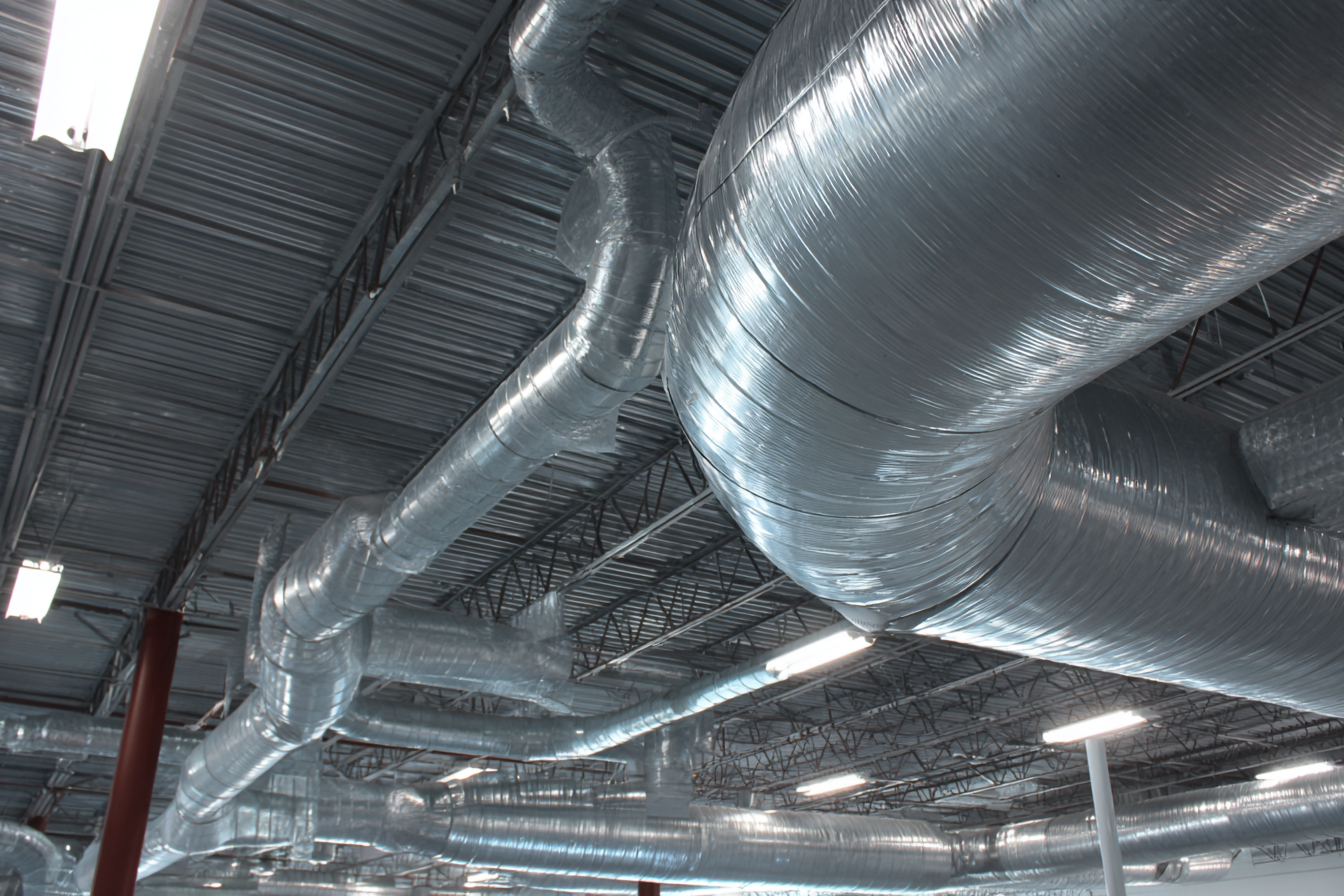
A ductwork system is made up of several interconnected components that work together to deliver consistent heating and cooling throughout your home. Each part plays a specific role in controlling airflow, maintaining comfort, and improving energy efficiency.
Supply Ducts vs. Return Ducts
Supply and return ducts form the core airflow loop of any HVAC system.
Supply ducts carry heated or cooled air from the HVAC unit into living spaces through vents or registers.
Return ducts pull air back from rooms and send it to the HVAC system for reheating or cooling.
A properly balanced system ensures that air is distributed evenly and returned efficiently. When return ducts are undersized or blocked, systems may struggle to maintain consistent temperatures, leading to hot or cold spots and higher energy use.
Registers, Grilles, and Vents
These visible components control how air enters and exits each room.
Registers typically include adjustable dampers that allow homeowners to control airflow direction and volume.
Grilles are fixed covers used mainly for return air openings.
A vent is a general term often used to describe both registers and grilles.
Proper placement and sizing of registers and grilles improve airflow distribution, reduce drafts, and help maintain even temperatures across the home.
Dampers and Plenums
Dampers and plenums play a critical role in directing and managing airflow within the duct system.
Dampers regulate airflow to specific areas, helping balance temperature between rooms or zones.
Plenums act as distribution boxes that connect the HVAC unit to the main supply and return ducts.
When dampers and plenums are properly installed and sealed, they help reduce air loss, improve system efficiency, and support better temperature control.
Together, these components help ensure reliable comfort, lower energy bills, and efficient HVAC operation, especially important in the seasonal climate.
Types of HVAC Ductwork
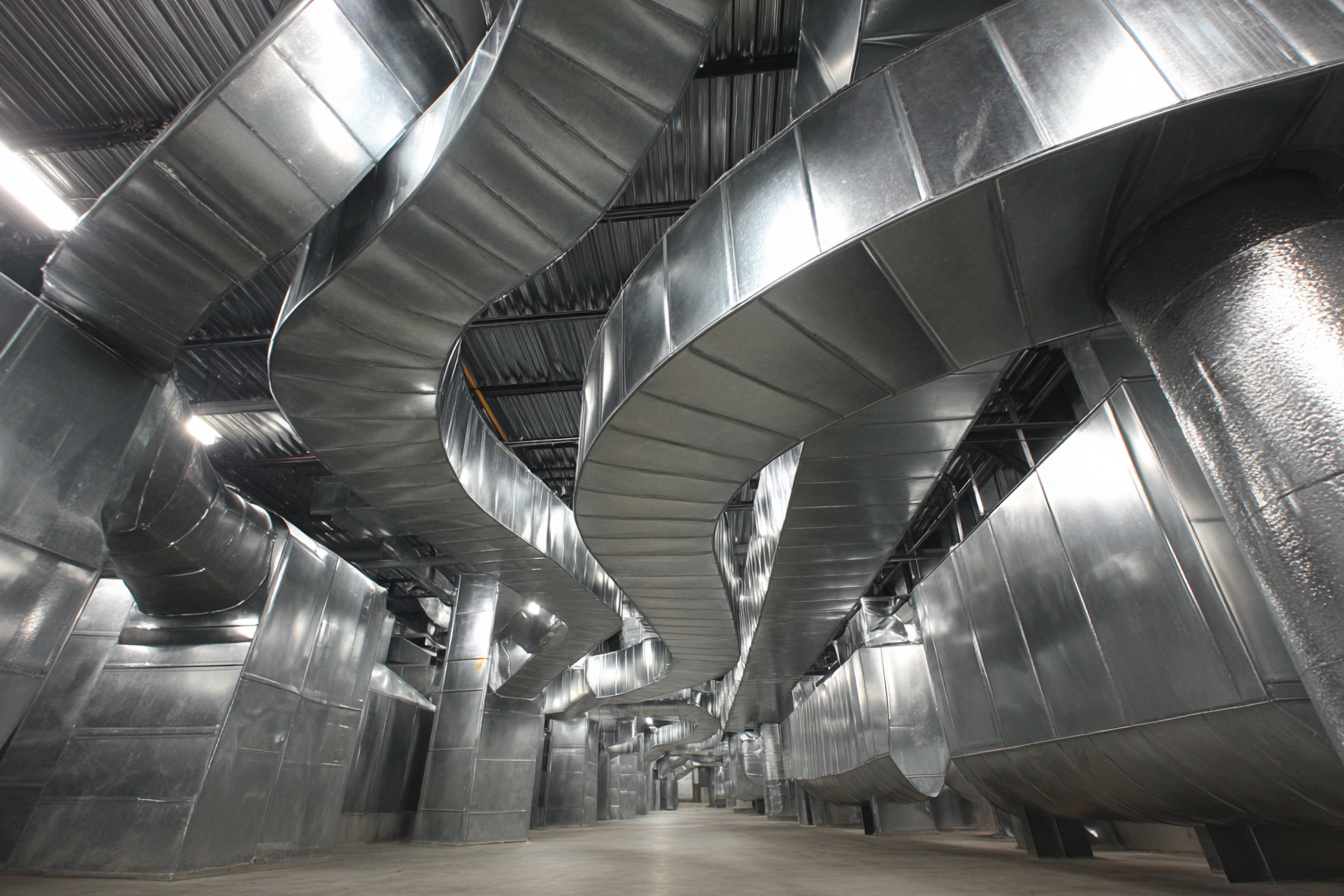
Not all ductwork is the same. The material used in your HVAC duct system affects airflow efficiency, durability, noise levels, and long-term performance. Homes in Yonkers and throughout Westchester County may use one or a combination of the following duct types, depending on the home’s age, layout, and heating and cooling needs.
Sheet Metal Ducts
Sheet metal ducts are one of the most common and durable ductwork options used in residential HVAC systems. Typically made from galvanized steel or aluminum, these ducts provide strong structural integrity and support efficient airflow.
Key benefits of sheet metal ducts include:
Excellent durability with a long service life
Smooth interior surfaces that reduce airflow resistance
Lower risk of mold growth compared to porous materials
Because of their strength and efficiency, sheet metal ducts are widely used, particularly in basements and utility areas where space allows for rigid duct installation. They are also ideal for homeowners looking for long-term reliability and consistent airflow.
Flexible Ducts
Flexible ducts are made from a wire coil covered with plastic and insulation, allowing them to bend and fit into tight or irregular spaces. They are often used in modern HVAC installations or as connectors between main duct lines and vents.
Why flexible ducts are popular:
More affordable than rigid duct materials
Faster and easier to install
Ideal for tight spaces and complex layouts
These are ideal for attics or crawl spaces with limited clearance. While flexible ducts offer convenience, proper installation is essential. Poorly supported or overly bent flexible ducts can restrict airflow and reduce efficiency.
Fiberglass Duct Board
Fiberglass duct board is constructed from compressed fiberglass panels and features built-in insulation. This type of ductwork is designed to improve thermal efficiency and reduce noise caused by moving air.
Advantages of fiberglass duct board include:
Built-in insulation that helps prevent heat loss
Improved energy efficiency
Reduced HVAC noise during operation
Fiberglass duct board is often chosen for areas where sound control is a priority or where additional insulation is needed. When properly installed and maintained, it can be an effective solution for improving comfort and quiet operation in residential HVAC systems.
How Ductwork Affects HVAC Efficiency?
Ductwork plays a major role in how efficiently your HVAC system heats and cools your home. Even small issues within the duct system can lead to significant energy loss, reduced performance, and uneven comfort.
Air Leaks and Energy Loss
Air leaks are one of the most common and costly ductwork problems. Cracks, loose connections, or poorly sealed joints allow conditioned air to escape before it reaches living spaces.
Common causes of duct air loss include:
Gaps at duct joints or seams
Poorly sealed connections near the HVAC unit
Aging duct materials in older homes
Leaky ducts force your HVAC system to run longer, increasing energy consumption and utility costs while reducing overall efficiency.
Impact on Heating and Cooling Performance
When ductwork is damaged or improperly designed, heating and cooling performance suffer. Restricted airflow, pressure imbalances, or uneven duct layouts can prevent air from reaching certain areas of the home.
This can result in:
Rooms that are too hot in summer or too cold in winter
Longer heating and cooling cycles
Increased wear and tear on HVAC equipment
Efficient ductwork ensures that conditioned air reaches every room at the right volume and temperature.
Comfort Issues Caused by Poor Duct Design
Poor duct design doesn’t just affect efficiency. It directly impacts comfort. Undersized ducts, excessive bends, or poorly placed vents can disrupt airflow and create uncomfortable living conditions.
Common comfort issues include:
Hot and cold spots throughout the home
Weak airflow from vents
Inconsistent temperatures between floors or rooms
These issues are especially noticeable in multi-story or older homes.
Not sure if your ductwork is hurting efficiency? A professional inspection can reveal hidden air leaks, airflow problems, and energy loss before they become expensive issues.
Schedule a ductwork evaluation today.
Signs You May Need New Ductwork or Repairs

Ductwork problems often develop gradually, making them easy to overlook until comfort or energy costs become noticeable. Recognizing the early warning signs can help address issues before they lead to bigger HVAC problems or costly repairs.
Uneven Temperatures Between Rooms
One of the most common signs of ductwork issues is inconsistent temperatures throughout the home. Some rooms may feel too warm while others remain noticeably cooler.
This often indicates:
Leaky or disconnected ducts
Poor duct design or improper sizing
Blocked or restricted airflow
Balanced ductwork is essential for delivering consistent heating and cooling to every room.
Rising Energy Bills
An unexplained increase in energy bills can point to hidden duct problems. When air escapes through leaks or poorly sealed joints, your HVAC system must work harder to maintain desired temperatures.
Common causes include:
Aging or deteriorated duct materials
Air leaks in attics, basements, or crawl spaces
Inefficient airflow due to damaged ducts
Repairing or replacing ductwork can significantly improve efficiency and reduce monthly energy costs.
Excessive Dust or Poor Indoor Air Quality
Damaged or poorly sealed ductwork can pull dust, insulation particles, and outdoor contaminants into your HVAC system. This can lead to noticeable dust buildup and reduced indoor air quality.
You may notice:
Dust accumulating quickly on surfaces
Allergy symptoms worsening indoors
Musty or stale odors from vents
Proper duct sealing helps maintain cleaner air and a healthier indoor environment.
Noisy HVAC Operation
Unusual noises during system operation can be another sign of ductwork issues. Rattling, whistling, or banging sounds often indicate loose connections, pressure problems, or damaged duct sections.
These noises may result from:
Loose or unsupported duct runs
Airflow restrictions
Poorly fitted duct components
Quiet operation usually means air is flowing smoothly through the system.
If these warning signs sound familiar, your ductwork may need professional attention. Early repairs can restore comfort and prevent costly HVAC breakdowns.
Get your duct system checked by a local expert.
Ductwork Installation: What Homeowners Should Know
Ductwork installation is a critical part of any HVAC system, and getting it right from the start can make a long-term difference in comfort, efficiency, and system reliability. Whether you’re building a new home or upgrading an existing one, understanding when ductwork installation is necessary and what factors matter most can help you avoid costly issues down the road.
When Ductwork Installation Is Necessary
Not every HVAC issue requires new ductwork, but there are situations where installation or full replacement becomes the best option.
Ductwork installation is often necessary when:
Installing a new HVAC system in a home without existing ducts
Existing ductwork is severely damaged, leaking, or deteriorated
Ducts are undersized or incompatible with modern HVAC equipment
Major renovations or home additions change airflow requirements
In these cases, new ductwork ensures the HVAC system can operate efficiently and deliver consistent comfort.
New Construction vs. Retrofit Installations
The ductwork installation process differs depending on whether it’s part of new construction or a retrofit project.
New construction installations allow ducts to be designed and installed before walls and ceilings are finished, providing optimal layout, airflow, and efficiency.
Retrofit installations involve adding or replacing ducts in existing homes, often requiring creative routing through attics, basements, or crawl spaces.
Many homes require retrofit solutions due to older layouts, making professional design and installation especially important.
Importance of Proper Sizing and Layout
Proper duct sizing and layout are essential for balanced airflow and system efficiency. Ducts that are too small can restrict airflow, while oversized ducts may reduce air pressure and efficiency.
Correct sizing and layout help:
Maintain consistent temperatures in every room
Reduce energy waste and system strain
Improve overall HVAC performance and comfort
A professional load calculation ensures ducts are designed to meet your home’s specific heating and cooling needs.
Ductwork Installation Process Explained

Professional ductwork installation follows a structured process designed to ensure proper airflow, energy efficiency, and long-term system performance. For homeowners, understanding each step helps set clear expectations and highlights why expert installation matters.
In-Home Evaluation and System Assessment
The process begins with a thorough in-home evaluation. An HVAC professional assesses the existing system, home layout, and comfort concerns to determine the best ductwork solution.
This assessment typically includes:
Inspecting existing ducts for leaks, damage, or poor design
Measuring room sizes and airflow requirements
Evaluating insulation levels and available installation space
This step ensures the new ductwork is tailored to the home’s specific heating and cooling needs.
Duct Design and Material Selection
Once the evaluation is complete, the duct system is carefully designed to support efficient airflow and balanced comfort.
During this stage, professionals determine:
Proper duct sizing and layout
Best materials based on durability, insulation, and space constraints
Optimal placement of supply and return ducts
Thoughtful design helps prevent common issues such as uneven temperatures, pressure imbalances, and excessive energy loss.
Installation and Sealing Process
With the design finalized, the installation begins. Duct sections are securely installed, connected, and sealed to prevent air leaks.
Key steps include:
Installing ducts in attics, basements, or crawl spaces
Sealing joints and connections to minimize air loss
Adding insulation where needed to improve efficiency
Proper sealing is critical, as even small leaks can significantly impact HVAC performance.
Testing Airflow and System Performance
After installation, the system is tested to ensure everything operates as intended.
Final testing may include:
Measuring airflow at each vent
Checking for pressure imbalances or leaks
Verifying consistent temperatures throughout the home
This final step ensures the ductwork supports efficient heating and cooling, delivers consistent comfort, and meets performance standards, especially important in a demanding seasonal climate.
Proper duct design and installation make all the difference. Professional installation ensures balanced airflow, lower energy bills, and long-term HVAC reliability.
Talk to an HVAC professional about your ductwork needs.
Ductwork Maintenance and Longevity
Ductwork is designed to last for many years, but its lifespan and performance depend heavily on proper maintenance. Regular inspections and timely repairs help ensure your HVAC system continues to operate efficiently and delivers consistent comfort throughout your home in Yonkers or Westchester County.
How Long Ductwork Typically Lasts
Most residential ductwork can last 15 to 25 years, depending on the materials used, installation quality, and environmental conditions.
Factors that affect ductwork lifespan include:
Type of duct material (sheet metal, flexible, or fiberglass)
Exposure to moisture, temperature extremes, or pests
Quality of sealing and insulation
Older homes often have duct systems that no longer meet modern efficiency standards, making upgrades or replacements more beneficial than ongoing repairs.
Importance of Inspections and Maintenance
Routine duct inspections help catch small issues before they turn into costly problems. Over time, ducts can develop leaks, loose connections, or insulation damage that reduce efficiency.
Regular maintenance helps:
Identify air leaks and airflow restrictions
Improve heating and cooling performance
Extend the life of your HVAC system
Maintain healthy indoor air quality
Professional inspections are especially important in older Yonkers homes, where ductwork may have deteriorated over decades of use.
Why Cleaning Alone May Not Solve Structural Duct Problems
While duct cleaning can remove dust and debris, it does not address structural issues within the duct system. Cracks, collapsed sections, or poorly designed layouts cannot be fixed through cleaning alone.
Common issues that require repair or replacement include:
Leaky or disconnected ducts
Corroded or damaged materials
Poorly sized or outdated duct layouts
In these cases, repairing or replacing sections of ductwork is often the only way to restore efficiency, comfort, and reliable HVAC performance.
Ductwork vs. Ductless Systems: What’s the Difference?
When upgrading or installing an HVAC system, homeowners often choose between traditional ducted systems and ductless alternatives. Each option has its own advantages, and the right choice depends on your home’s layout, comfort needs, and existing infrastructure.
Feature | Ductwork HVAC Systems | Ductless HVAC Systems |
|---|---|---|
Air Distribution | Uses a network of ducts to deliver heated or cooled air to multiple rooms | Delivers air directly through individual wall-mounted or ceiling units |
Installation | Requires extensive duct installation; best for new construction or major renovations | Minimal installation; ideal for retrofits or homes without existing ducts |
Energy Efficiency | Can lose 20–30% of energy through leaks or poor design | Generally more energy-efficient since there’s no duct loss |
Cost | Higher upfront cost due to ductwork installation; lower per-unit cost for whole-home heating/cooling | Lower upfront cost per unit, but multiple units may increase the total cost |
Maintenance | Duct cleaning and sealing required regularly to maintain efficiency | Simple maintenance; individual units are easier to service |
Zoning | Can provide whole-home comfort, but zoning requires additional dampers or systems | Easy to create zones; each unit can be controlled independently |
Aesthetics | Ducts hidden in walls/ceilings; vents visible in rooms | Units are visible on walls or ceilings, but compact and sleek |
Ideal Use | Whole-home HVAC for houses with existing or new duct systems | Supplemental heating/cooling, room additions, or homes without ducts |
When to Call a Professional Ductwork Specialist?
While homeowners can handle basic HVAC maintenance, ductwork issues often require professional expertise. Calling a licensed ductwork specialist ensures problems are accurately diagnosed and fixed before they affect your entire HVAC system.
You should contact a professional if you notice:
Persistent hot or cold spots despite thermostat adjustments
Weak airflow from vents or rooms that never feel comfortable
Unexplained spikes in energy bills
Visible duct damage, disconnections, or aging materials
Excessive dust, musty odors, or worsening indoor air quality
Noisy HVAC operation caused by airflow restrictions or loose ducts
Professional HVAC technicians use specialized tools to detect air leaks, evaluate duct sizing, and test airflow performance. This ensures repairs or replacements improve efficiency, comfort, and system lifespan.
Trusted Ductwork Services from Quality Comfort Solutions
When it comes to reliable ductwork services in Yonkers and Westchester County, Quality Comfort Solutions delivers expert HVAC solutions designed for long-term comfort and efficiency. With extensive experience working on both older and modern homes, their team understands the unique challenges posed by local building styles and seasonal climate demands.
Quality Comfort Solutions provides:
Professional ductwork installation for new construction and retrofits
Duct repair and replacement to address leaks, damage, or outdated systems
Duct sealing and insulation to reduce energy loss and improve airflow
Comprehensive inspections to identify hidden efficiency issues
By combining technical expertise with a customer-focused approach, Quality Comfort Solutions helps homeowners maintain efficient HVAC performance, lower energy costs, and enjoy consistent indoor comfort year-round.
Conclusion
Proper ductwork is essential for your HVAC system to perform efficiently, maintain consistent airflow, and ensure optimal comfort throughout your home. Neglecting your ducts can lead to higher energy bills, uneven temperatures, and reduced system lifespan. Homeowners should regularly assess their duct system for leaks, blockages, or signs of wear to keep their HVAC running smoothly.
Don’t wait until small issues become costly problems. Schedule a professional ductwork evaluation with Quality Comfort Solutions today and ensure your home stays comfortable year-round.
FAQs
1. What is the purpose of ductwork?
Ductwork distributes heated or cooled air from your HVAC system to every room, ensuring consistent temperatures, balanced airflow, improved comfort, and efficient system performance throughout the home.
2. Which is better, duct or AC?
Ductwork and AC serve different purposes. Air conditioners cool air, while ductwork delivers it. An efficient HVAC system requires both to provide consistent comfort and energy efficiency.
3. What is another name for ductwork?
Ductwork is also commonly called air ducts or HVAC ducts, referring to the network of channels that carry conditioned air throughout residential and commercial buildings.
4. What is the 2 foot rule for ductwork?
The 2 foot rule recommends keeping duct bends at least two feet from vents or equipment to reduce airflow restriction, improve efficiency, and maintain consistent air distribution.
5. What materials are used for ductwork?
Common ductwork materials include galvanized steel, aluminum, flexible plastic with insulation, and fiberglass duct board, each offering different benefits for durability, efficiency, noise control, and installation flexibility.