Drive link : https://drive.google.com/drive/folders/1-Zh7N9kFqoKyaDIiybr8s9DnruSwOMGV?usp=sharing
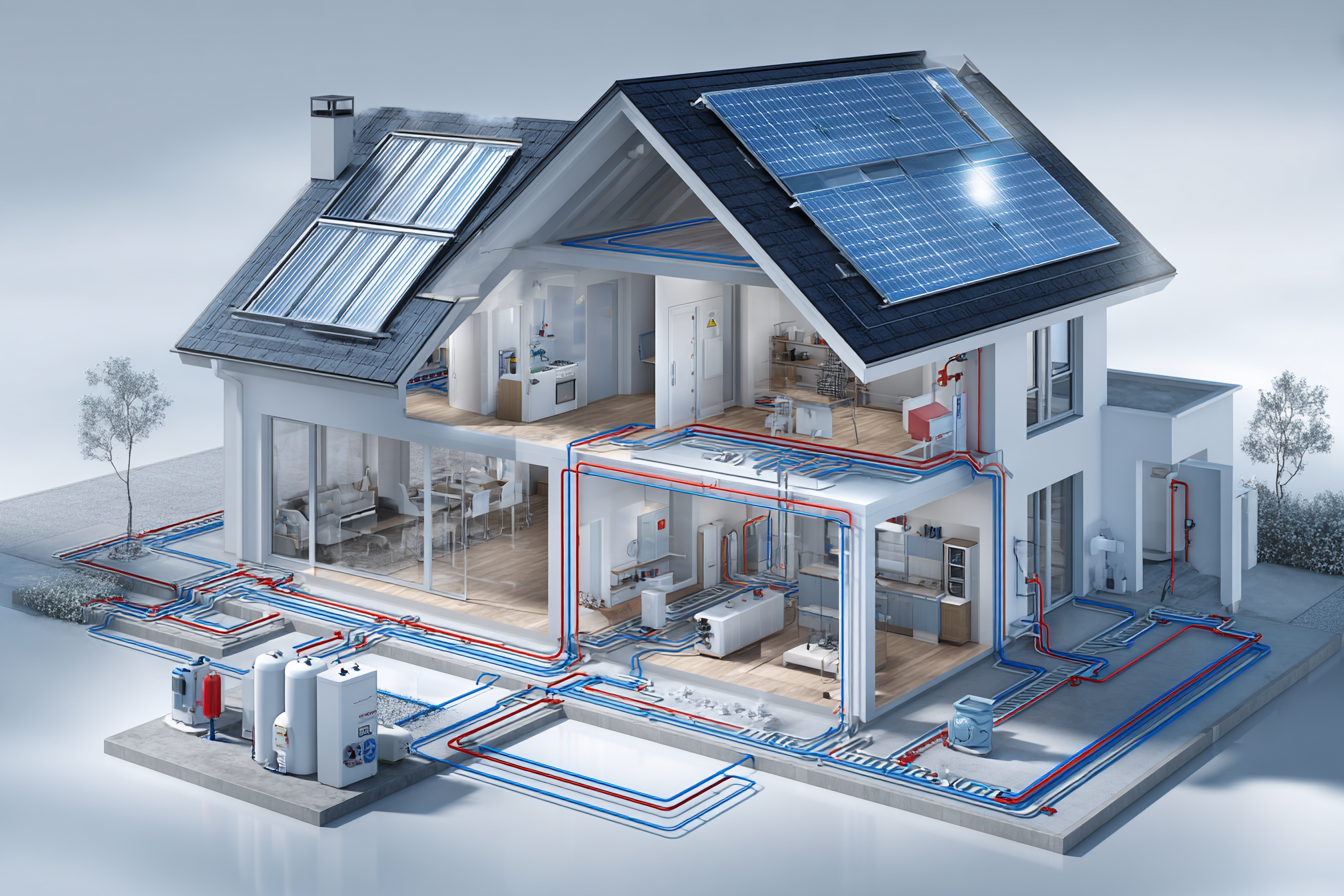
New construction offers the chance to design an HVAC setup that fits the home from day one. Many owners reach the planning stage and realize they’re unsure which direction to take. Heat pump or gas? Single system or zoned? What changes in 2026 actually matter?
The goal is simple: choose a system that meets the load needs, fits the layout, and stays within budget while meeting current rules. This guide explains how to identify the best HVAC system for new construction and helps you understand which setups make sense for different home designs.
Quick Overview
Choose the HVAC system based on the home’s load needs, layout, insulation, electrical capacity, and 2026 code requirements.
Cold-climate heat pumps fit most new builds, while gas, hybrid, ductless, and VRF systems serve specific layouts and heating demands.
2026 rules bring updated SEER2/HSPF2 labels and wider use of lower-GWP refrigerants, which affect equipment selection and service practices.
Proper ventilation, zoning, and controls are essential for comfort, airflow, and consistent temperatures across the home.
Working with qualified local technicians, such as Quality Comfort Solutions in Westchester County, helps ensure correct sizing, installation, and long-term reliability.
Key Factors That Influence HVAC Selection
Choosing an HVAC setup for a new build requires a quick review of the home’s structure, load needs, and 2026 equipment rules. These points guide the system type, capacity, and installation approach.
Building size and layout: Room count, ceiling height, and floor plan affect airflow, zoning, and duct design.
Insulation levels: Better insulation reduces heating and cooling loads and changes the required equipment capacity.
Local climate: Winter lows and summer highs determine performance requirements for both heating and cooling.
Electrical panel capacity: All-electric homes may need additional panel space or upgrades to support heat pumps and accessories.
Ventilation needs (ERV/HRV): Tight homes require balanced ventilation to maintain indoor air quality.
2026 efficiency and refrigerant rules: Updated labels and lower-GWP refrigerants influence which models qualify and how systems are designed.
With the basics established, it’s time to look at the system types that meet those needs: heat pumps, gas furnaces, and hybrid setups.
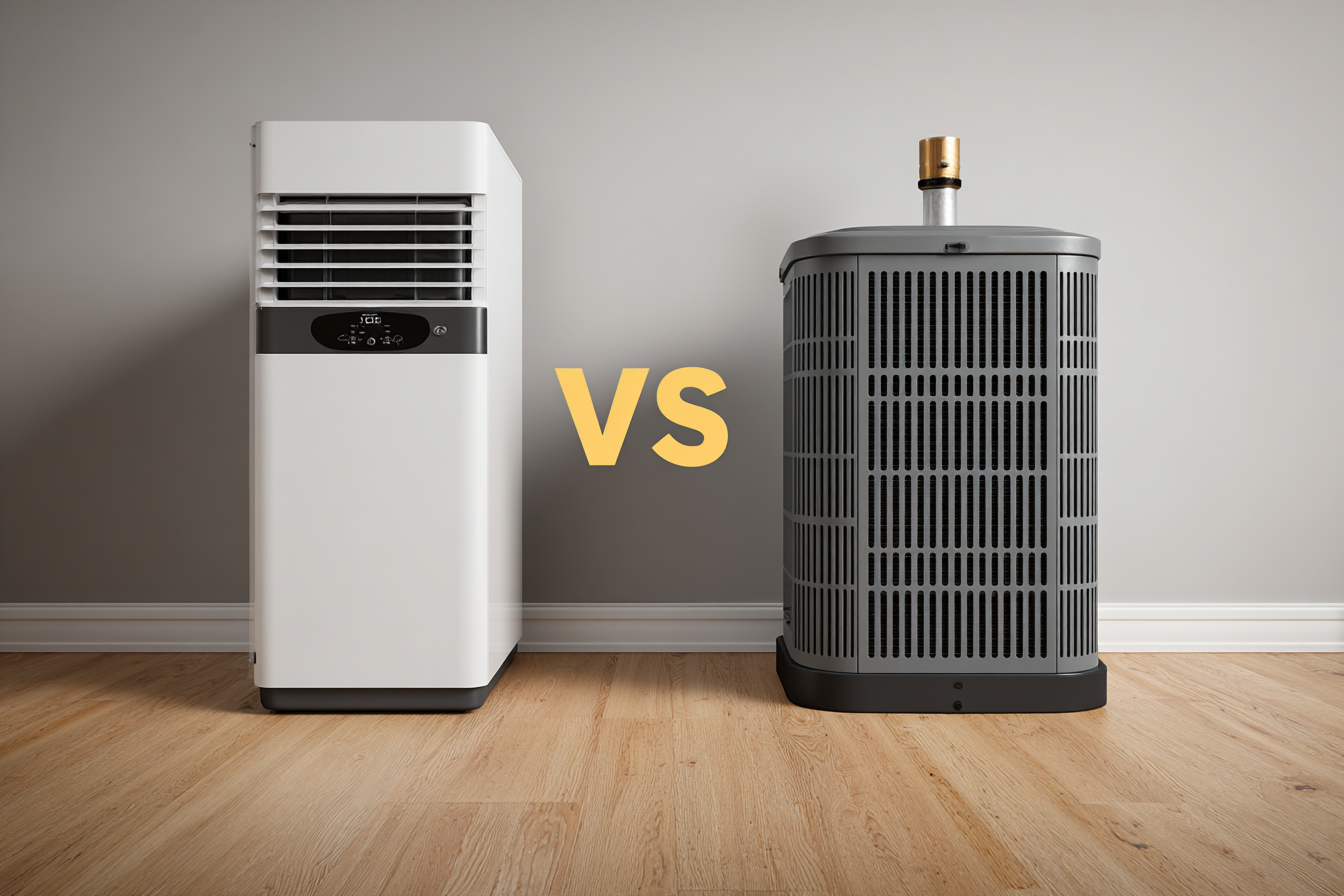
Comparing Heat Pumps, Gas Furnaces, and Hybrid Systems
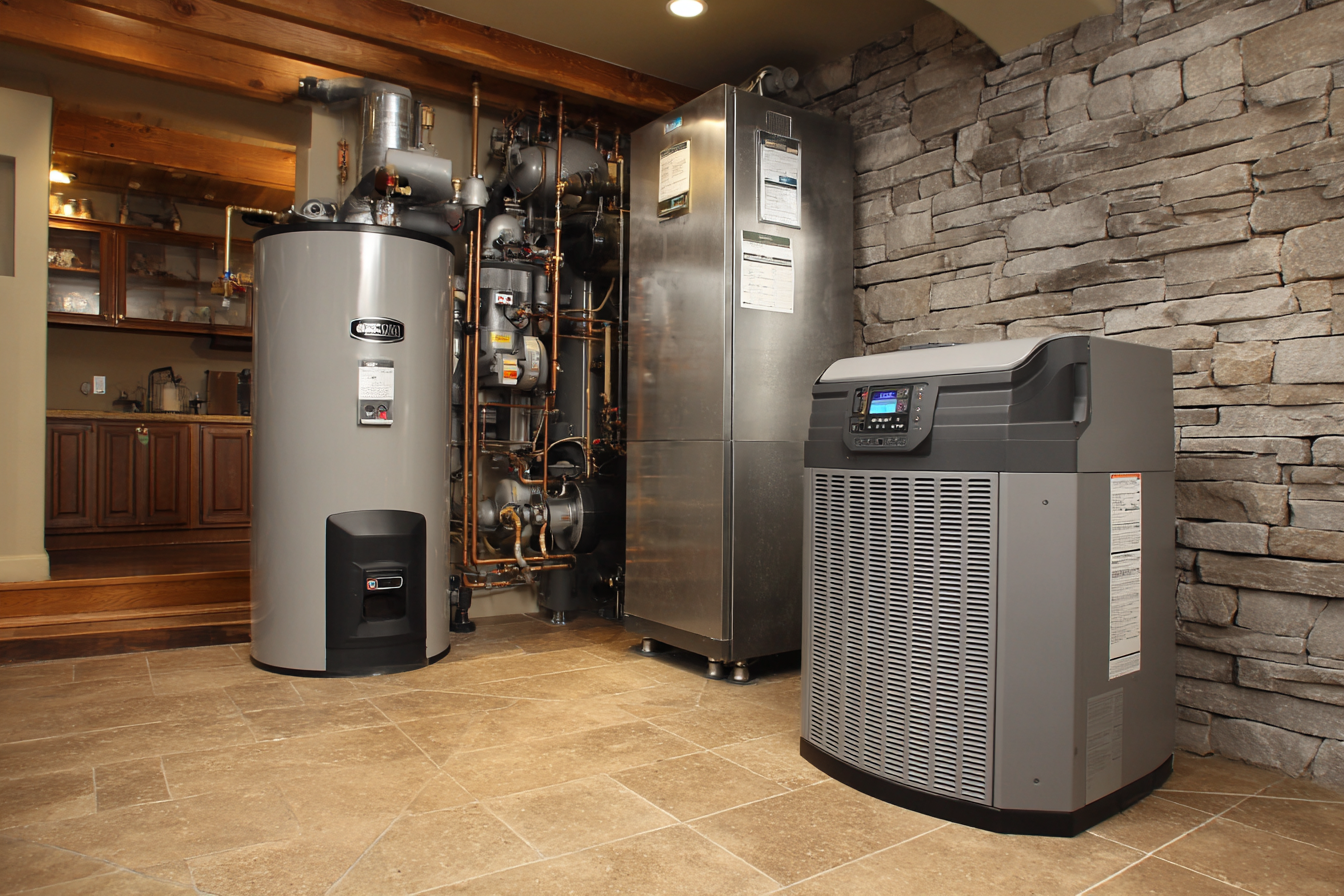
New construction projects often reach a point where the heating approach needs to be finalized early. The choice depends on load needs, fuel availability, long-term costs, and the homeowner’s plans for an electric or mixed-fuel home.
When a Heat Pump Is a Strong Choice
A heat pump suits many new builds in 2026, especially with improved cold-weather performance and updated efficiency ratings.
Cold-climate models: Designed to maintain output during low outdoor temperatures and reduce reliance on resistance heat.
All-electric new builds: Ideal for owners avoiding gas lines or planning for future electrification.
Quiet operation and zoning flexibility: Inverter-driven units adjust output smoothly and support multi-zone layouts.
Efficiency expectations in 2026: SEER2 and HSPF2 ratings help owners compare output and operating costs using the updated test procedures.
When a Gas Furnace Still Makes Sense
Gas systems continue to be a practical choice in some projects.
Mixed-fuel homes: Works well for owners who prefer gas heat but want electric cooling.
Large homes needing rapid recovery heat: High output from gas systems handles quick temperature changes.
Compatibility with NY winter demands: Reliable performance on very cold days without reliance on supplemental heat.
Hybrid Systems (Dual Fuel)
A hybrid setup pairs a heat pump with a gas furnace and fits homes that benefit from both fuel sources.
Situations where a hybrid is practical: Useful in areas with varied winter conditions or for owners wanting flexibility in energy use.
Operating cost balance and backup heat considerations: The system selects the most cost-effective heat source based on outdoor temperature, while the furnace provides a dependable backup for colder periods.
The system type sets the foundation, but how air moves through the home makes all the difference. Ducted, ductless, and VRF setups each deliver comfort in their own way.
Distribution Options: Ducted, Ductless, and VRF
A quick comparison to help match each option to the home’s layout and comfort goals.
System Type | Best Use Cases | Key Points to Consider |
Ducted | New builds where ducts can be planned from the start | Manual D for airflow sizing; sealed and insulated ducts; supports whole-home conditioning through one network |
Ductless | Compact homes, additions, accessory units, rooms without duct space | Indoor unit placement affects comfort; refrigerant line routing during framing; and room-specific temperature control |
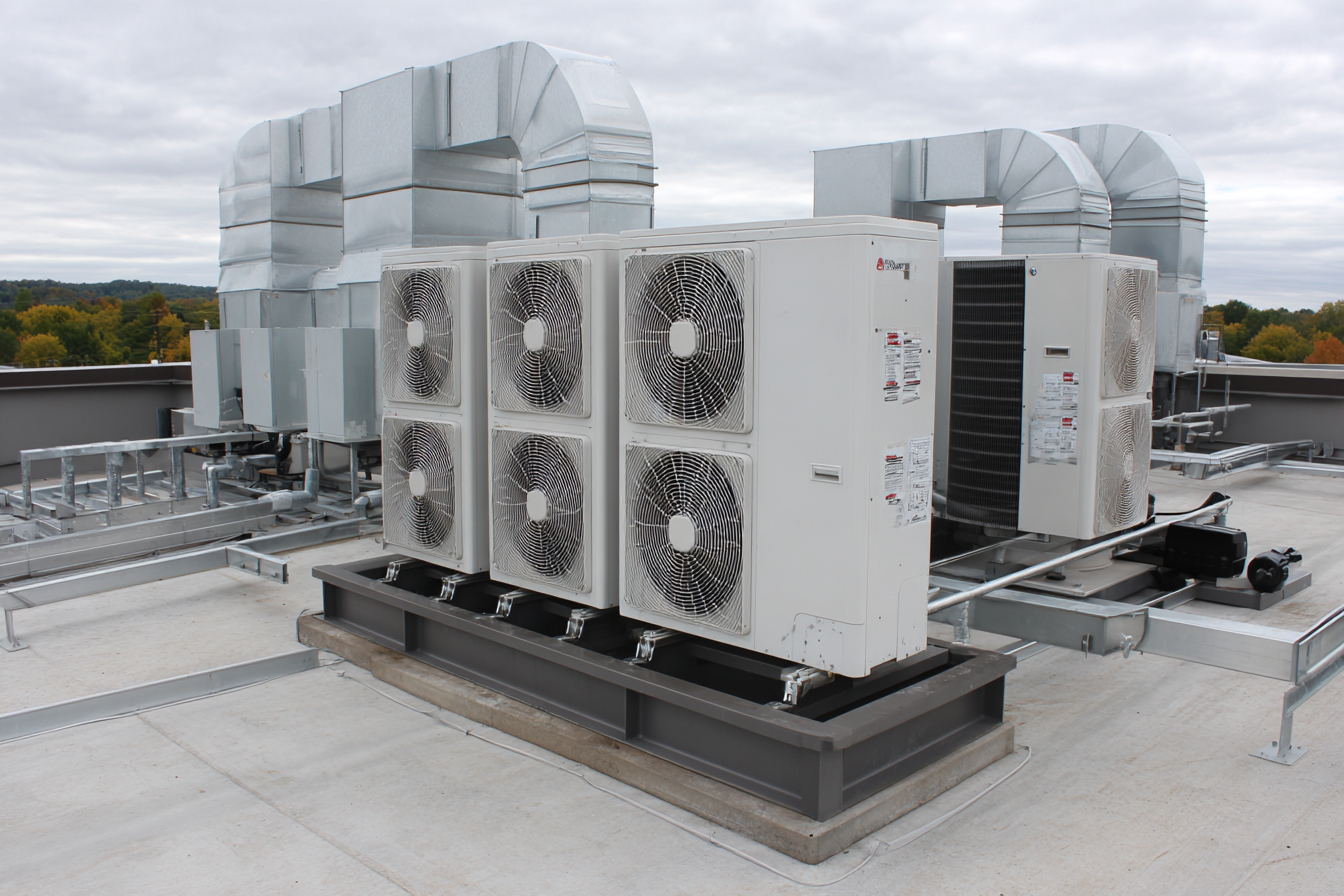
VRF / Multi-Zone | Large homes, multi-story layouts, and homes with varied usage patterns | One outdoor unit with multiple indoor units; careful refrigerant circuit planning; higher upfront cost with strong zoning flexibility |
With the distribution approach set, the next decision is choosing the equipment type that fits the home’s heating and cooling needs.
Best System Types for 2026 New Construction
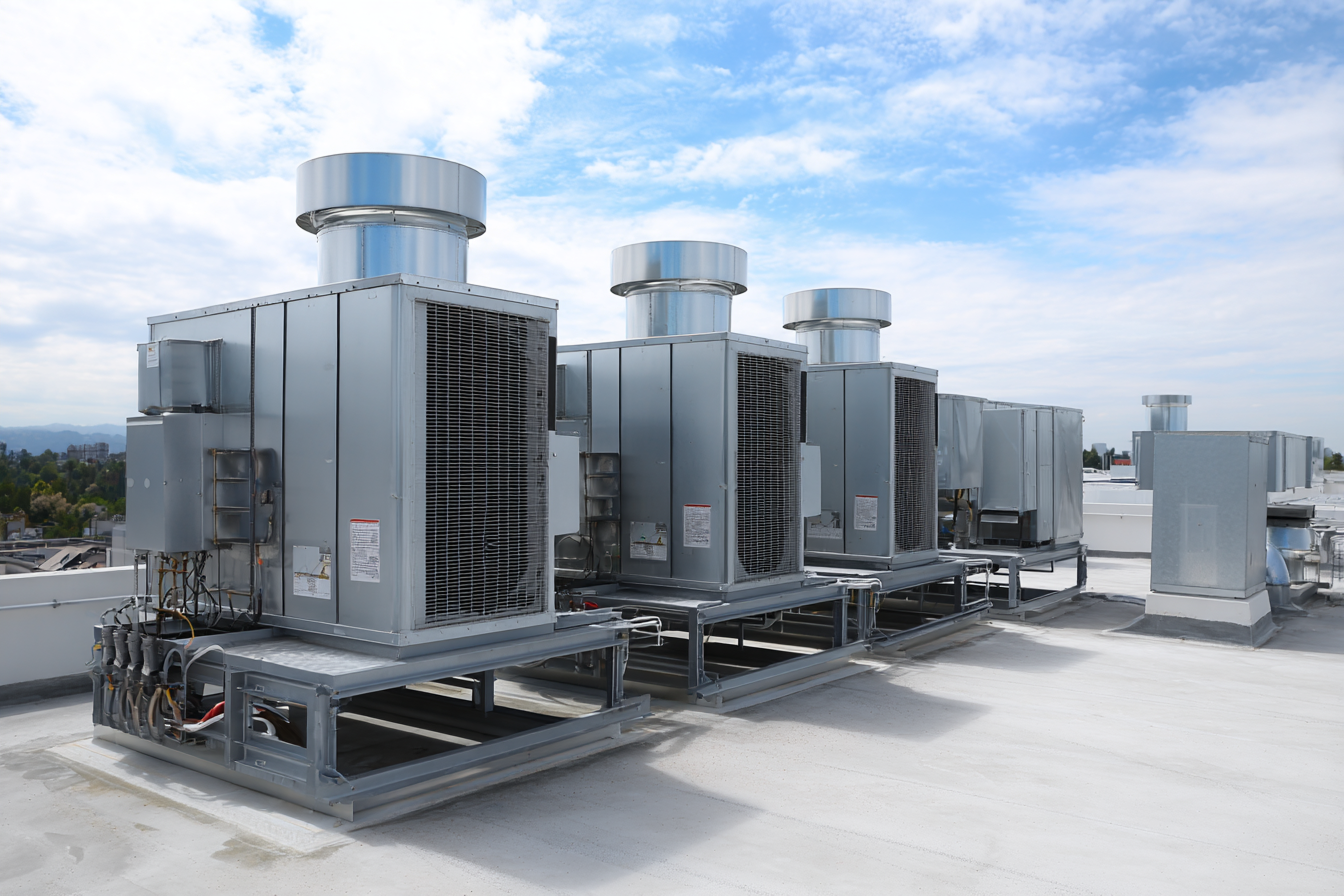
These options match the needs of new homes built in 2026, with clear guidance on where each system fits.
Cold-Climate Heat Pump (Inverter)
A solid match for most new builds aiming for consistent year-round comfort.
Meets NY winter demands with improved low-temperature output
Fits all-electric building plans
Inverter compressors help maintain steady indoor temperatures
Strong efficiency ratings for both heating and cooling
High-Efficiency Gas Furnace + AC
A familiar option for homes that will continue using gas heat.
Quick warm-up during colder periods
Straightforward service and replacement parts
Can pair with high-SEER2 air conditioners for the cooling season
Hybrid Heat Pump + Gas Furnace
Useful for homes with varying winter loads or mixed energy priorities.
A heat pump manages mild to moderate outdoor conditions
Gas furnace serves as a reliable backup during colder stretches
Helps balance comfort and seasonal utility costs
Ductless Multi-Zone Heat Pump
A practical option for homes with smaller square footage or limited duct pathways.
Room-specific temperature control
Cleaner installation during framing
Works well for additions, upper floors, or accessory units
VRF for Larger Homes
Chosen when detailed zoning control is important across multiple levels.
Smooth comfort across rooms with different heat gains
Flexible indoor unit styles
Requires careful design for refrigerant circuits, but provides strong long-term comfort control
Every new build has its own requirements, and the right system depends on many details. Quality Comfort can help you select and size the equipment for dependable, long-term comfort.
Efficiency Ratings and Refrigerant Changes in 2026
Below are a few updates that affect system selection, long-term operating costs, and compliance with 2026 regulations.
Efficiency Labels in 2026
Efficiency ratings have shifted with new testing procedures, and understanding them is key for builders and homeowners.
SEER2 and HSPF2: Updated test procedures provide more accurate seasonal performance comparisons.
Practical impact: Systems that appear similar on older labels may differ in real-world energy use.
Builder guidance: Always reference the new ratings when specifying units to ensure proper sizing and expected operating costs.
Refrigerant Shifts Affecting New Construction
Refrigerant rules are changing rapidly, and these changes affect equipment choices and service practices.
R-410A phase-down: The commonly used refrigerant is being replaced due to its high global warming potential (GWP).
Lower-GWP refrigerants (A2L): New systems increasingly use mildly flammable alternatives, which require trained technicians for installation and service.
What it means for construction: Builders must confirm refrigerant compatibility, ensure proper handling, and consider long-term serviceability when specifying HVAC systems.
While efficiency and refrigerants determine how a system performs, indoor comfort depends on airflow, ventilation, and overall air quality. These factors ensure the system delivers consistent results in every room.
How to Ensure Comfort and Healthy Indoor Air

Ensuring consistent comfort and healthy indoor air is a key part of new construction HVAC planning. Tight, well-insulated homes especially need balanced ventilation.
ERV/HRV systems: Provide continuous fresh air while recovering heat or cooling energy, maintaining indoor air quality without excessive energy loss.
Filters and static pressure: Proper filtration keeps air clean and protects equipment; correct duct sizing ensures optimal airflow and system efficiency.
Noise considerations: Outdoor units and duct layouts should be planned to minimize sound transmission, preserving quiet living spaces throughout the home.
The next step is controlling how that air moves and ensuring each room stays at the right temperature with smart controls and zoning strategies.
Optimizing Comfort with Zoning and Smart Controls
Modern HVAC systems offer more precise control and energy management when integrated properly.
Smart thermostats: Compatible with heat pumps, hybrid, and ductless systems, allowing easy scheduling and remote adjustments.
Zoning strategies: Two-story or multi-zone homes benefit from separate temperature controls to maintain comfort and efficiency.
Integration with inverter systems: Communicating controls optimize compressor operation and airflow, improving performance while reducing energy use.
Ensure your system is set up correctly from the start. Quality Comfort Solutions can design and install zoning and smart controls that keep every room comfortable while maximizing efficiency. Schedule a call with us today.
Planning Your 2026 HVAC Budget: Costs and Rebates

Planning a new construction HVAC system requires balancing upfront costs, long-term savings, and available incentives.
Typical Cost Ranges
Below is the general range for standard HVAC systems:
Cold-Climate Heat Pump: $8,000–$15,000, depending on capacity and zoning
High-Efficiency Gas Furnace + AC: $6,000–$12,000, including installation
Hybrid Heat Pump + Gas Furnace: $10,000–$18,000
Ductless Multi-Zone Heat Pump: $4,500–$12,000 per unit, depending on the number of zones
VRF System: $20,000+, suitable for larger or multi-story homes
These figures vary by home size, layout, and contractor pricing.
Federal and NY-Specific Incentives
Federal and state programs help lower the upfront cost of high-efficiency HVAC systems. In New York, NYSERDA offers rebates for qualifying heat pumps, and federal tax credits may apply for energy-efficient upgrades. Builders and homeowners should verify current incentives before finalizing equipment.
NYSERDA programs: Offer rebates for high-efficiency heat pumps and certain energy-saving installations.
Federal credits: Tax credits and energy incentives may apply for electrification and efficient systems.
Builder guidance: Incentive programs change frequently, so confirm current eligibility before specifying equipment.
Electrical Panel and Add-Ons
Some new systems, especially all-electric or multi-zone setups, may require electrical panel upgrades to handle increased load. Planning for solar or battery integration during construction ensures the home is ready for future energy needs.
Panel upgrades: Required when an all-electric system or multiple heat pumps exceed existing electrical capacity.
Solar or battery readiness: Plan panel and wiring for future renewable integration to maximize efficiency and reduce long-term costs.
A well-planned budget and incentives are valuable only if the system is installed correctly, making skilled HVAC professionals essential for new construction.
Choosing the Right HVAC Professionals
Selecting the right contractor ensures the system performs reliably and meets all requirements.
Manual J/S/D calculations: Accurate load, duct, and system sizing is essential for new construction to avoid oversizing or undersizing equipment.
Refrigerant handling: Modern systems, including those using lower-GWP refrigerants, require trained technicians for safe installation and service.
Licensed professionals: Working with certified and experienced contractors helps ensure code compliance, correct installation, and long-term reliability.
For homeowners in Westchester County, Quality Comfort Solutions offers experienced HVAC professionals who can handle everything from load calculations to installation and system setup. They ensure each new build meets efficiency, comfort, and safety expectations.
Conclusion
A new construction project benefits when HVAC choices are made with clear goals, accurate sizing, and an understanding of current efficiency and refrigerant rules. When the equipment matches the home’s layout and ventilation plan, the system performs reliably and avoids common issues that show up after occupancy.
This level of planning is easier with a contractor who works with new builds regularly and understands the conditions homes face. Quality Comfort Solutions, serving Westchester County, provides expert installation, custom system setup, and reliable service for new construction projects, helping each home start with a strong foundation.
Contact our team today to install your HVAC system tailored to your home.
FAQ’s
1. How early should HVAC planning start in a new construction project?
HVAC planning should begin during the architectural stage so ducts, equipment placement, and electrical needs can be aligned with the layout. Early coordination prevents framing changes and keeps the installation smooth.
2. Can I combine different system types in the same home?
Yes. Some homes use a primary whole-home system and add a ductless unit for a separate area, such as a basement, office, or bonus room. This works well when certain spaces have different heating or cooling demands.
3. How long do heat pumps and furnaces typically last in new construction?
Most heat pumps last 12–15 years, while gas furnaces often reach 15–20 years with regular maintenance. Longevity depends on correct sizing, installation quality, and routine service.
4. Do larger homes always need zoning?
Not always, but zoning prevents temperature swings between floors and reduces strain on the equipment. Multi-level homes or layouts with large glass areas benefit the most from zone control.
5. What affects the installation timeline for a new construction HVAC system?
Timeline depends on ductwork complexity, electrical preparation, equipment availability, and coordination with other trades. Homes with VRF or multi-zone setups may need additional design time for line routing and controls.