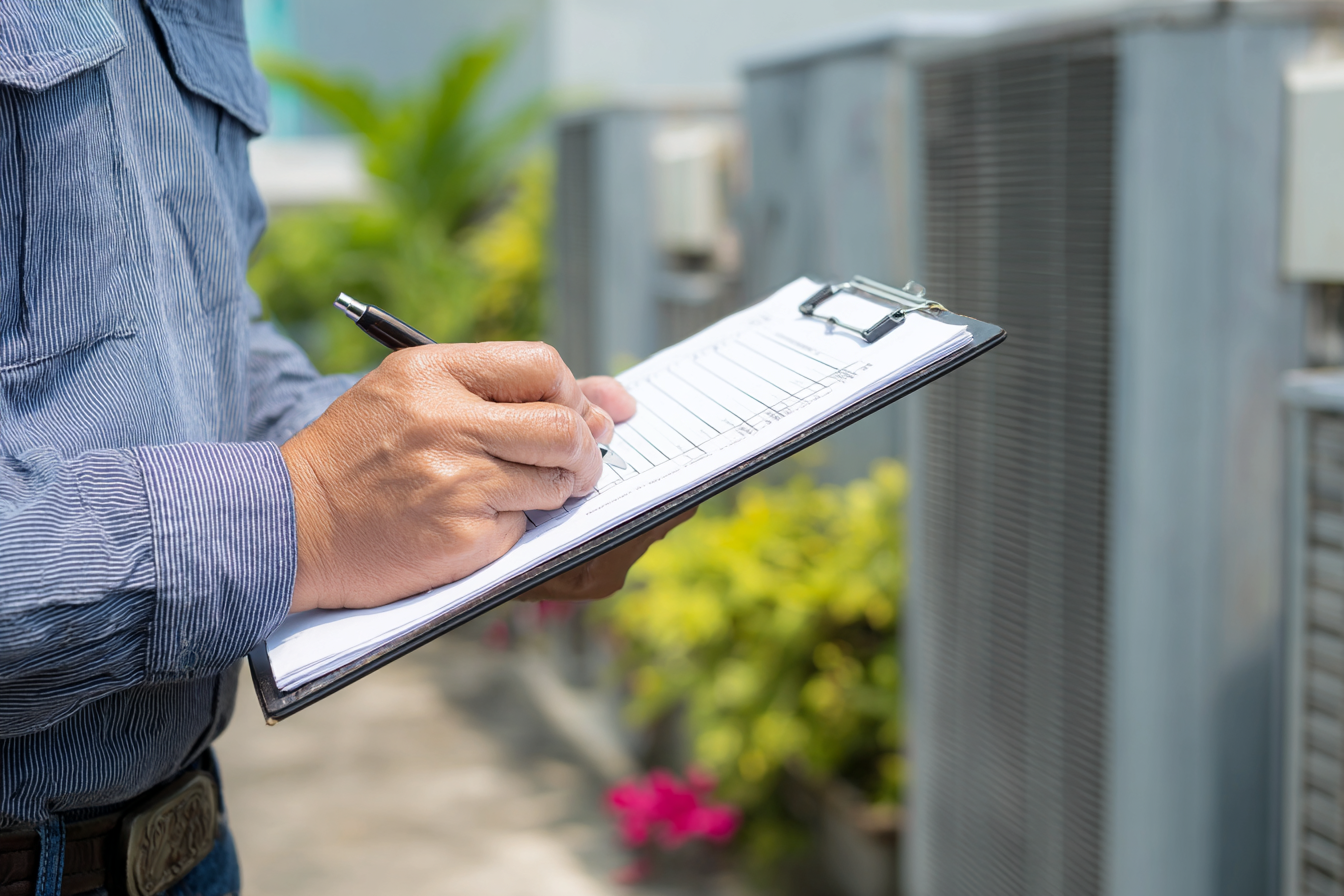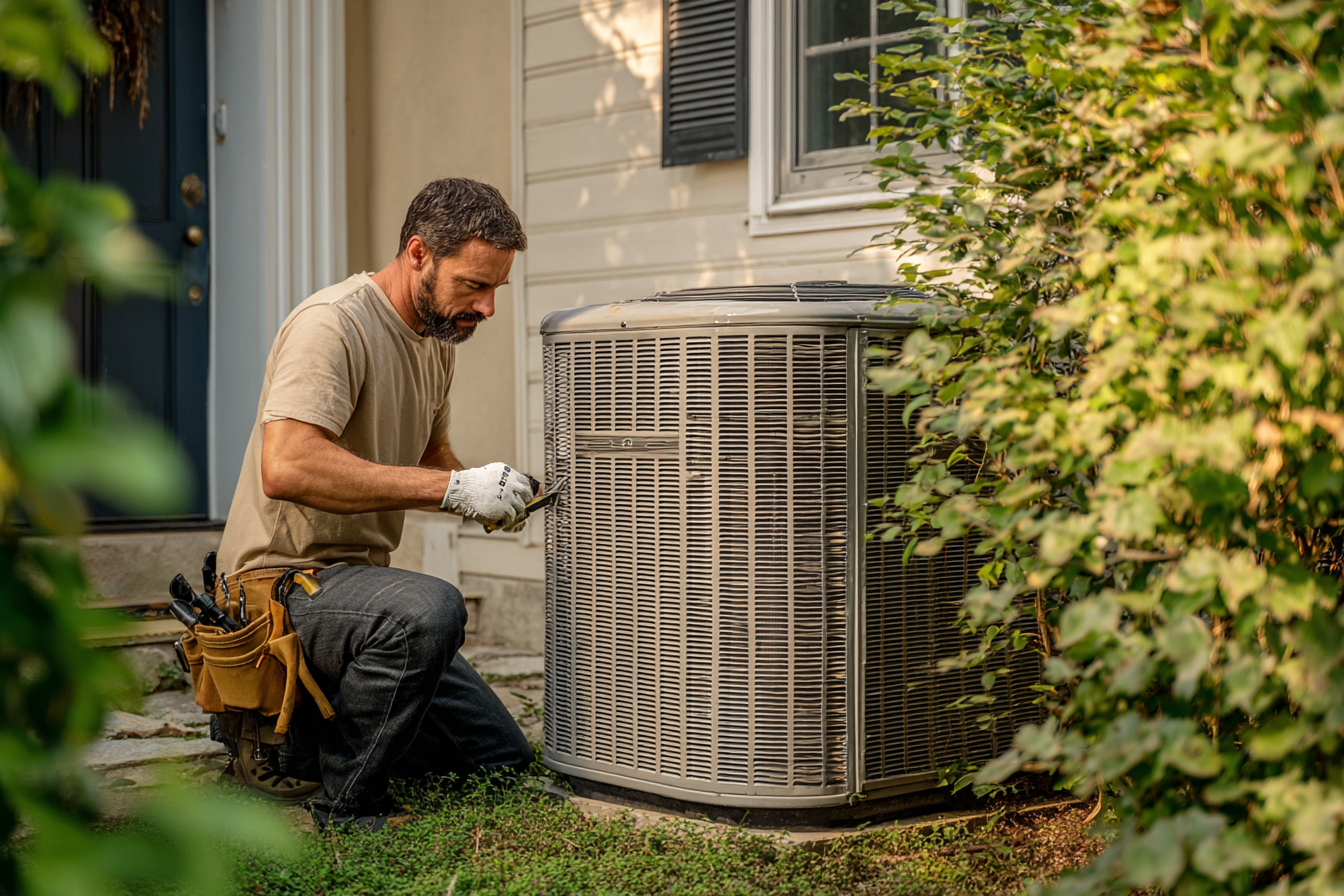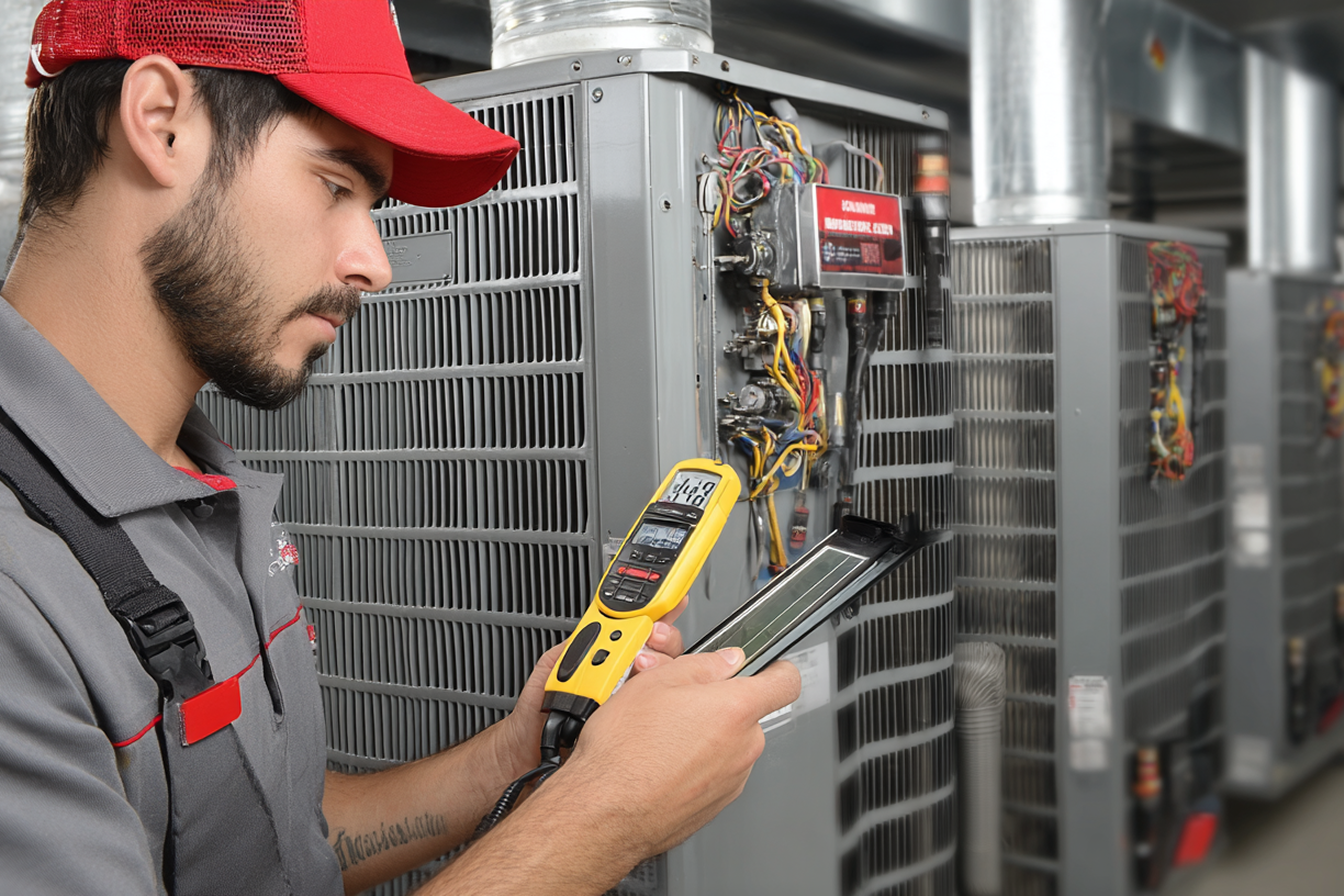
Tired of HVAC breakdowns during extreme weather? The last thing you want is for your heating or cooling system to fail when you need it most. Unfortunately, this often happens because HVAC systems aren't properly inspected.
Understanding HVAC inspection costs up front can help you avoid expensive repairs and keep your system running efficiently throughout the year. Many overlook regular inspections, but they actually save you money in the long run by identifying small issues before they escalate.
This guide breaks down the factors influencing HVAC inspection costs, provides average pricing for 2026, and explains why scheduling a professional inspection is essential for your home or business. Read on to get all the insights you need!
Quick look
HVAC inspection costs in 2026 range from $100 to $500, depending on system type, location, and the depth of the inspection.
Regular inspections help detect small issues like clogged filters or refrigerant leaks, preventing major repairs and system breakdowns.
Inspections optimize system efficiency, lowering your energy bills by ensuring your HVAC operates at peak performance.
DIY checks like filter replacements can help with basic maintenance, but a professional inspection is necessary to identify complex issues such as refrigerant leaks, airflow problems, or electrical safety risks.
Scheduling annual HVAC inspections can extend your system's lifespan and improve indoor air quality, preventing mold or dust buildup in ducts.
What is an HVAC Inspection?
An HVAC inspection is a thorough assessment of your heating, ventilation, and air conditioning system. It ensures your system is working efficiently and safely by checking key components for wear and tear, potential issues, and overall performance.
Here's what you can expect:
Heating System Check: A technician will inspect your furnace or boiler for issues, including filter changes, burner operation, and heat exchanger performance.
Cooling System Check: The air conditioning unit will be inspected for refrigerant levels, coil cleanliness, and proper airflow.
Ductwork & Airflow: Inspections also include checking your ductwork for leaks or blockages, which could be affecting your system's efficiency.
Air Quality Assessment: Your HVAC technician may also assess your system's ability to improve air quality by checking filters and ventilation systems.
By scheduling an HVAC inspection, you get peace of mind knowing your system is performing optimally, reducing the risk of costly repairs or system failure.
Now that you understand what an HVAC inspection involves, let's explore the factors that influence the cost of these inspections.
Factors Affecting HVAC Inspection Costs
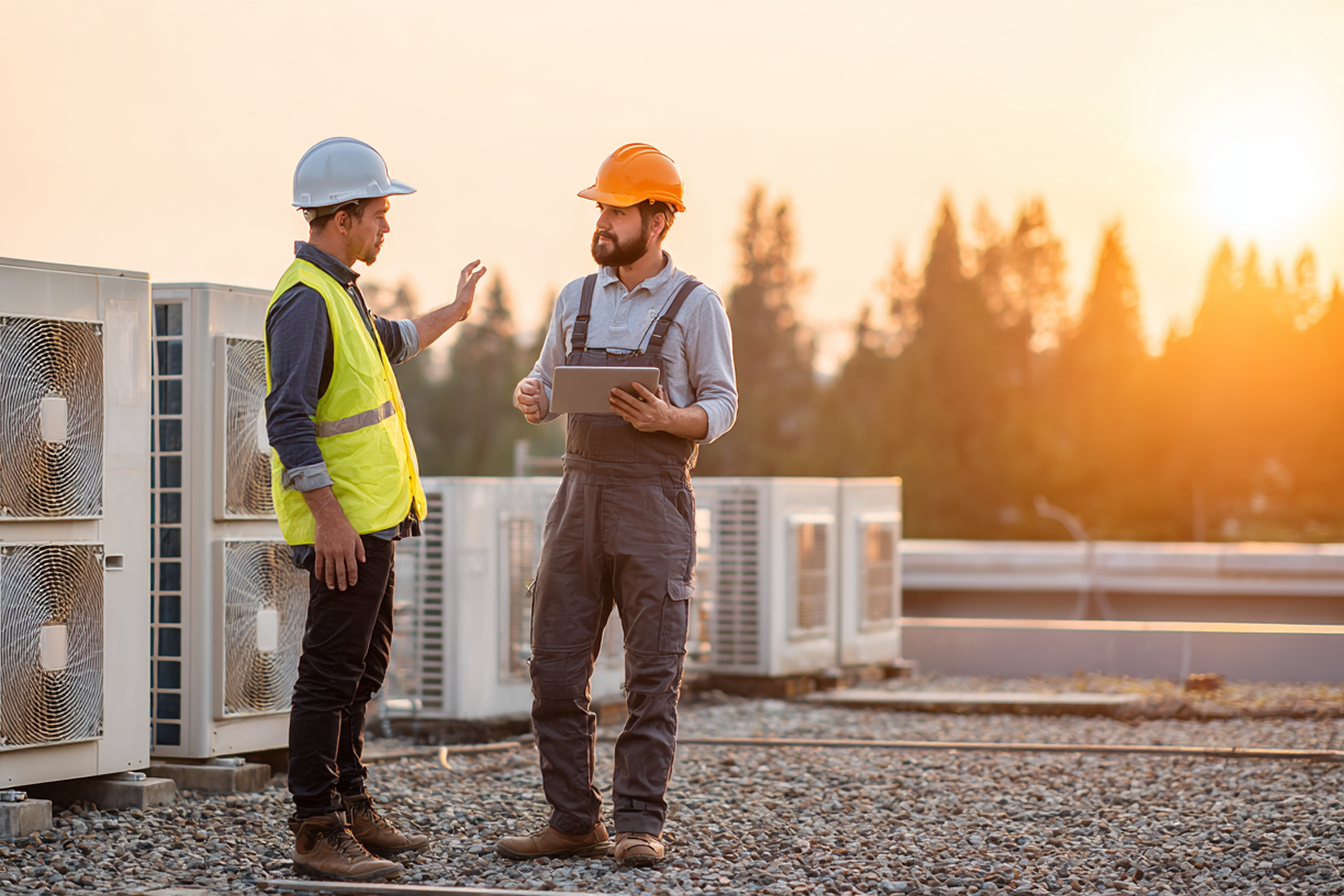
The cost of an HVAC inspection can vary based on several factors. Understanding these can help you better estimate what to expect when booking your next inspection.
Here are the main factors that influence the price:
Location
Regional Pricing Variations: HVAC inspection costs can differ depending on where you live. For instance, inspections in urban areas with higher demand tend to cost more than in rural locations.
Cost of Living: In areas with a higher cost of living, service providers often charge more for inspections to cover overhead and labor costs.
Type of HVAC System
Central Heating & Cooling: Standard systems like central air conditioners and furnaces tend to be less expensive to inspect due to their simpler designs.
Ductless Systems & Heat Pumps: These systems may require more specialized knowledge to inspect, which can increase the cost.
Older Systems: Older HVAC systems may require more time to inspect, especially if they have complex components, leading to higher inspection fees.
Scope of the Inspection
Basic Inspection: A simple check-up that includes inspecting the furnace or air conditioning unit, changing filters, and testing system performance is less expensive.
Comprehensive Inspection: If you opt for a more detailed inspection that includes airflow tests, ductwork evaluation, or air quality assessments, the cost will be higher.
System Age & Condition
Older Systems: The older your system, the more attention it requires during the inspection. Issues such as outdated parts or inefficient performance can lead to higher inspection costs.
Well-Maintained Systems: If your system is newer or regularly maintained, the inspection will likely be quicker and less costly.
Additional Services or Repairs
Finding Issues: If the inspection uncovers problems requiring immediate repairs (e.g., refrigerant leaks, faulty motors), the technician might charge extra for the diagnostic work or repair estimates.
Seasonal Services: Some providers offer seasonal tune-ups or cleaning as part of the inspection. These services, while beneficial, can add to the overall cost.
Each of these factors plays a role in determining what you'll pay for an HVAC inspection. However, understanding these variables will allow you to better manage your budget and make an informed decision when choosing a service provider.
Average HVAC Inspection Costs in 2026
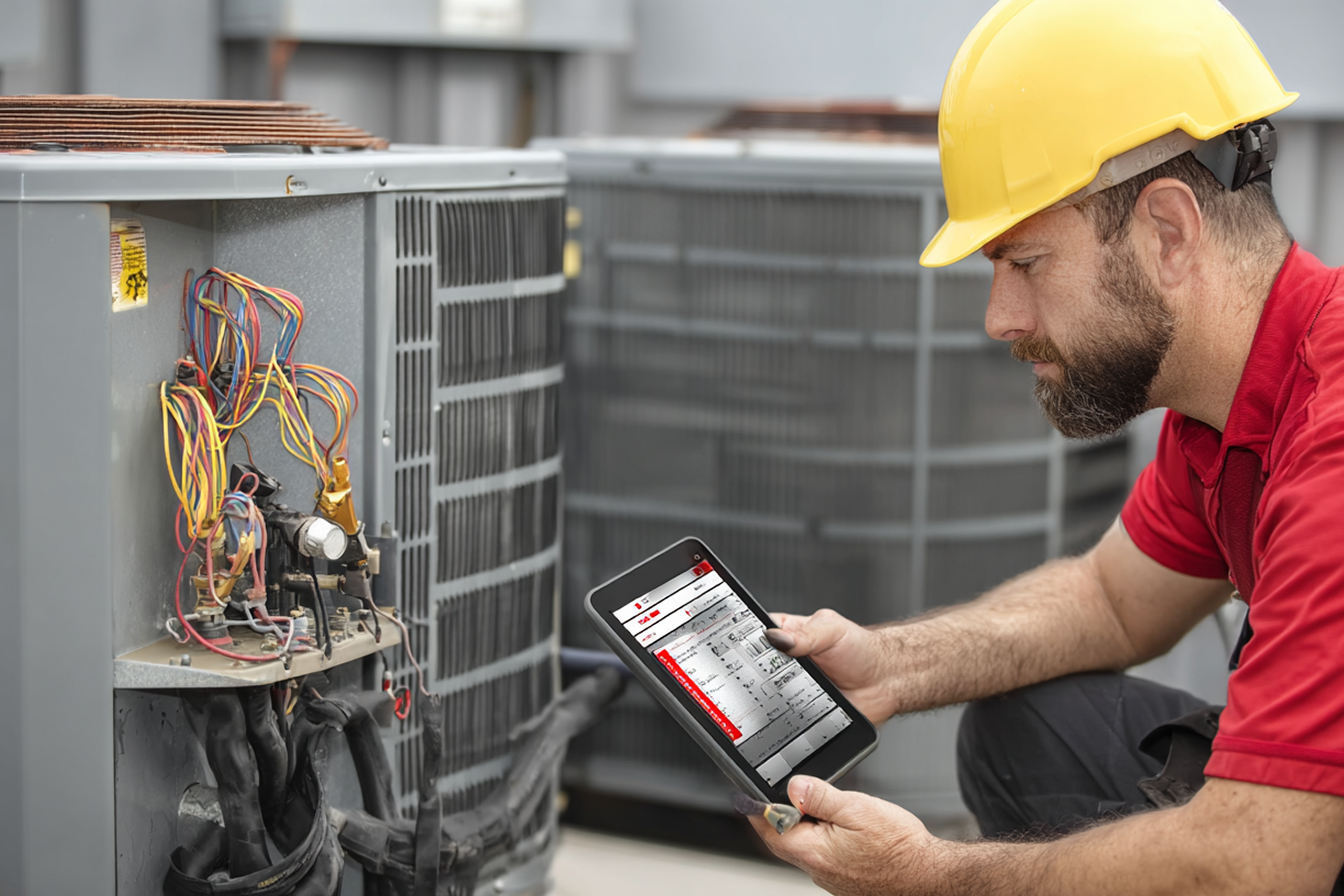
In 2026, the cost of an HVAC inspection can vary based on factors such as the type of system, location, and inspection scope. On average, homeowners can expect to pay anywhere between $100 and $500 for a professional HVAC inspection, depending on these variables.
Here’s a breakdown of the average HVAC inspection costs for different types of systems:
System Type | Average Cost | Scope of Services |
Standard Heating & Cooling (Central AC, Furnace) | $100 - $250 | Basic inspection, filter replacement, performance testing |
Ductless Mini-Split System | $150 - $350 | Inspection of air handler, refrigerant levels, and airflow |
Heat Pumps | $150 - $350 | Includes heating and cooling checks, refrigerant inspection |
Commercial HVAC Systems | $300 - $500 | Comprehensive inspection, including ductwork, air quality check, and system diagnostics |
Older Systems (10+ years) | $200 - $400 | Longer inspection time due to complex or outdated components |
Note: Prices may vary based on location, the complexity of the system, and additional services required during the inspection. Always request a detailed quote before booking an appointment.
Now that you know what to expect in terms of costs, let’s look into whether a DIY inspection is a viable option compared to hiring a professional.
DIY vs. Professional HVAC Inspections
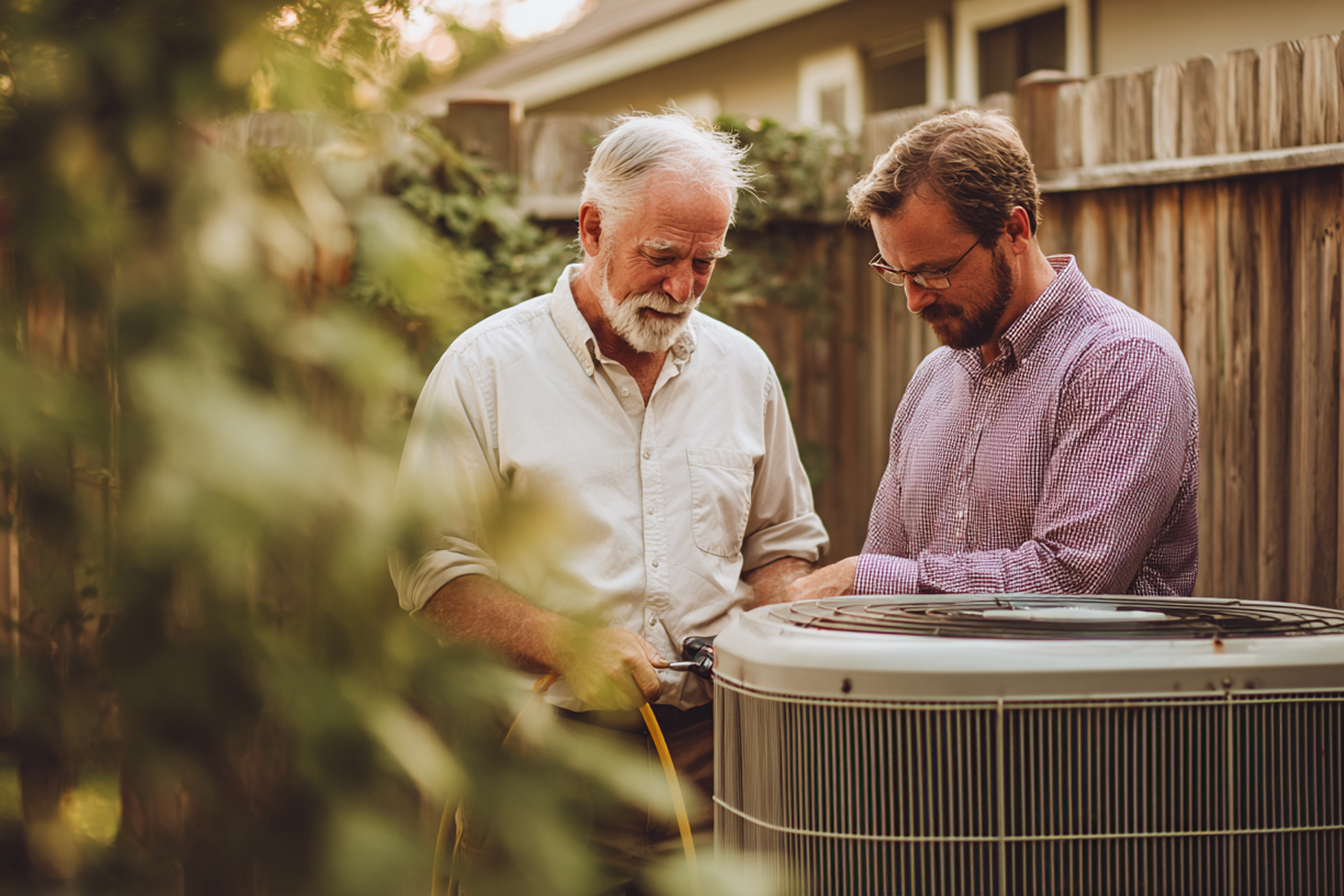
When considering whether to perform an HVAC inspection yourself or hire a professional, it's essential to understand the key differences.
Here’s how each option stacks up:
DIY HVAC Inspections
What You Can Check Yourself:
Air Filters: Replacing a dirty air filter (typically costing $10-$30) is one of the easiest tasks and can improve system efficiency and air quality. A clogged filter forces the system to work harder, reducing lifespan and increasing energy consumption.
Thermostat Settings: Ensuring your thermostat is correctly set and calibrated can prevent unnecessary system cycles.
Basic System Cleaning: Cleaning condenser coils and vacuuming around the furnace helps with airflow and efficiency. This maintenance is especially important if you have pets or live in dusty areas.
Limitations:
Can't Detect Complex Issues: DIY checks are limited to visible, accessible components. Issues like low refrigerant levels, electrical faults, or airflow problems inside ducts remain undetected.
Missed Safety Risks: If you have a gas furnace, an improperly checked heat exchanger could be leaking carbon monoxide, posing a serious health risk, something you won't identify through a DIY inspection.
Lack of Specialized Tools: For in-depth diagnostics like refrigerant pressure testing or airflow measurement, you need tools that the average homeowner doesn't own.
Professional HVAC Inspections
Comprehensive System Check: A technician checks all critical components, including the heat exchanger, evaporator coil, and condenser coil. They also measure refrigerant pressure, airflow, and test for any signs of wear or failure that could impact performance.
Specialized Equipment: Professionals use tools like digital thermometers, refrigerant gauges, and airflow meters to assess system health. These tools are essential for identifying issues that aren't visible or accessible through a DIY inspection.
Air Quality and Efficiency: An expert can test your system's air quality, ensuring the filters and ducts are not only clean but also functioning efficiently. Poor airflow or duct leaks can reduce comfort and increase energy bills.
When to Call a Professional?
While DIY maintenance helps with minor upkeep, a professional inspection is recommended if:
Your HVAC system is older than 10 years.
You’ve noticed inconsistent heating or cooling, poor airflow, or unusual noises.
It’s been more than a year since your last inspection or maintenance.
Looking for reliable HVAC inspection services? Quality Comfort Solutions provides expert inspections, maintenance, and repairs in Yonkers and Westchester County, NY. We ensure your system runs smoothly and efficiently year-round.
Let's look into why scheduling these inspections regularly is essential for your system's health and efficiency.
Why Regular HVAC Inspections Are Essential
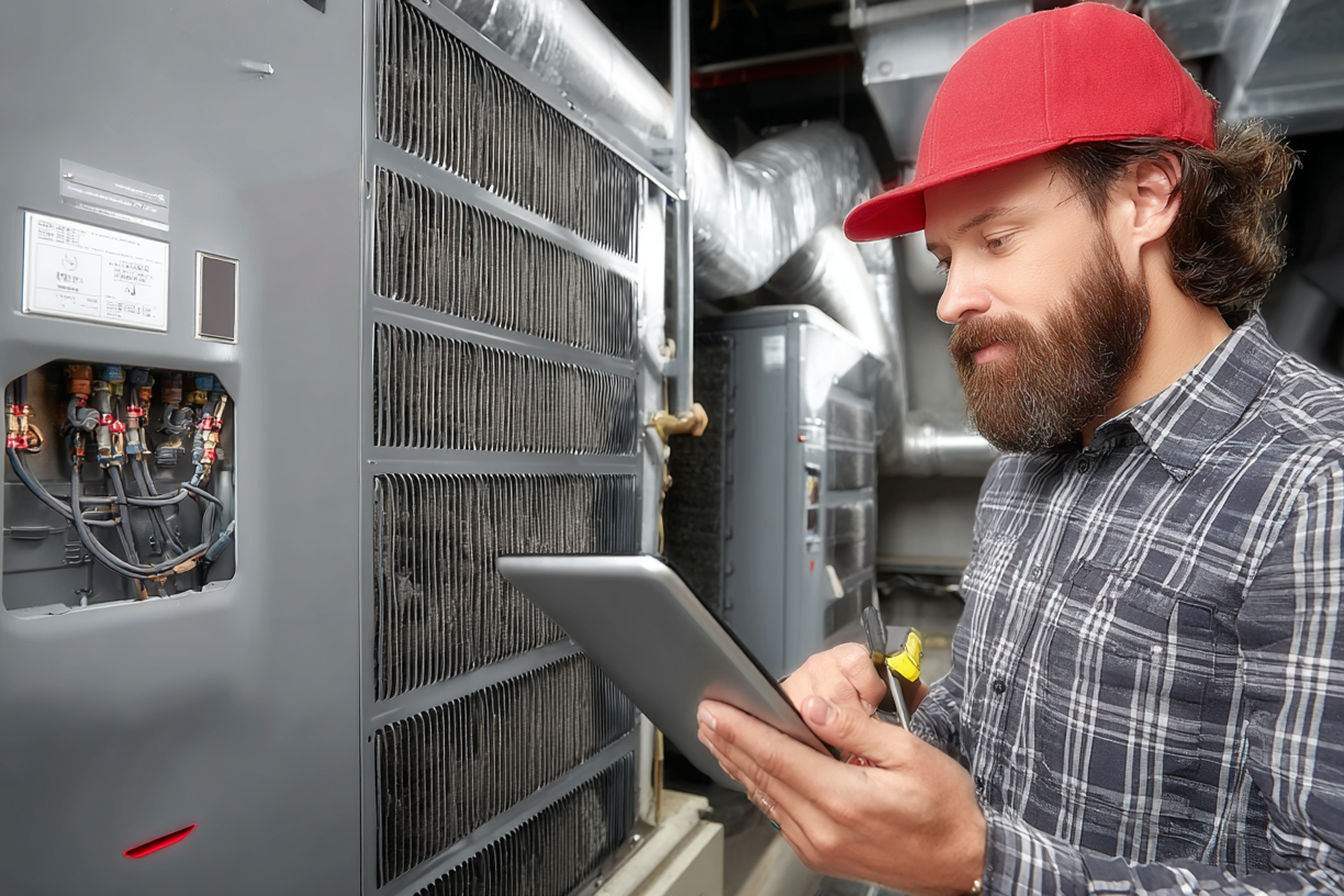
Regular HVAC inspections are vital for ensuring the longevity and efficiency of your system. Here’s why scheduling inspections consistently is a smart move for homeowners and businesses alike:
Prevent Costly Repairs
Early detection of small issues can save you from major repairs.
Regular inspections reduce the likelihood of unexpected breakdowns.
Improve System Efficiency
Optimizes system performance, ensuring it doesn’t use unnecessary energy.
Reduces utility bills by improving overall efficiency.
Extend System Lifespan
Catching minor problems early helps avoid major failures.
Routine maintenance ensures your system lasts longer.
Improve Air Quality
Ensures clean filters and better air circulation.
Prevents mold and mildew buildup in ducts.
Ensure Safety
Detects gas leaks or carbon monoxide risks.
Checks electrical components to prevent fire hazards.
Maintain Warranty Compliance
Many warranties require regular inspections to remain valid.
Skipping inspections may void your warranty, leading to higher costs.
Now that you understand why regular HVAC inspections are crucial, let’s explore how to choose the right service provider to ensure your system gets the care it needs.
How to Choose the Right HVAC Inspection Service Provider
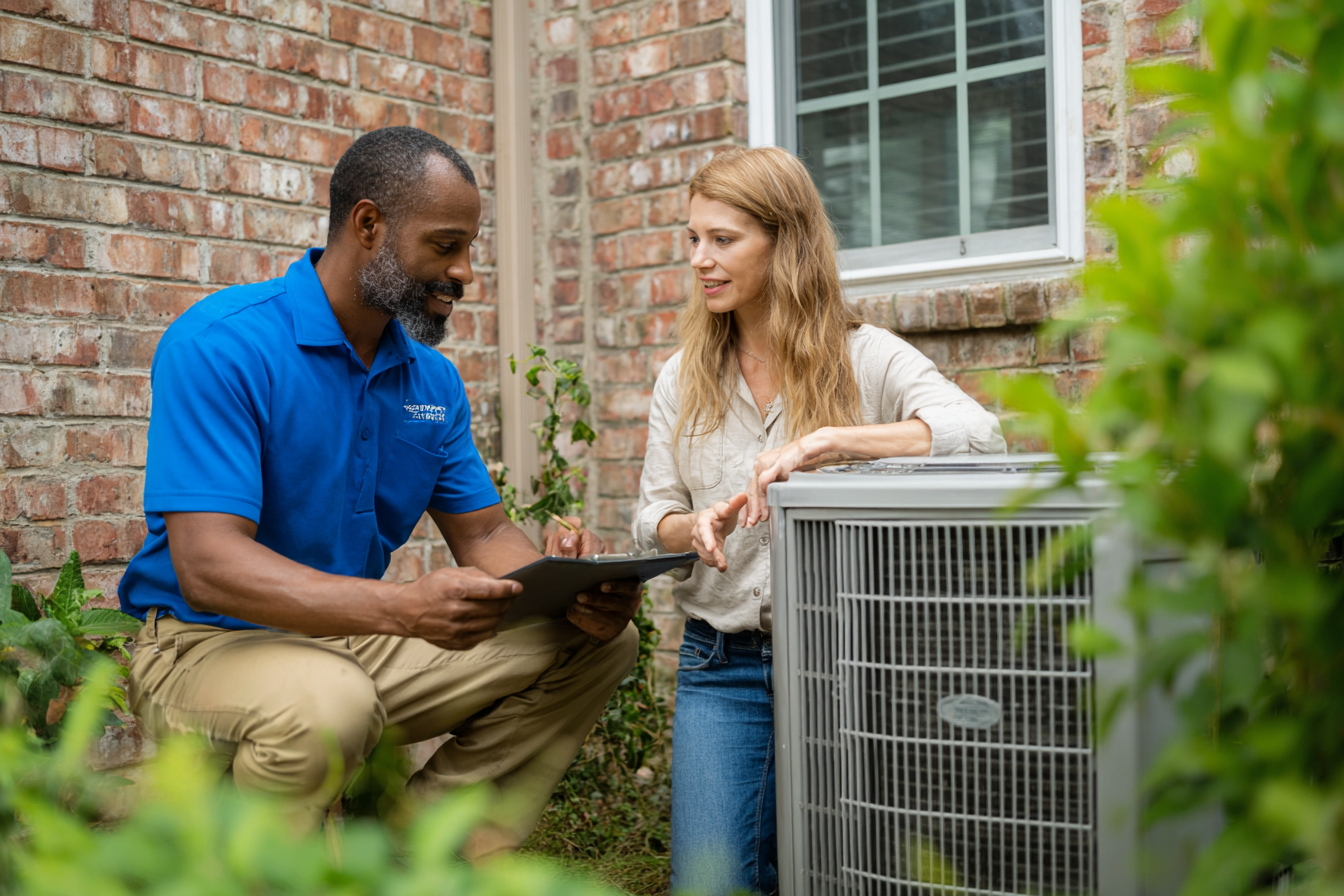
Choosing the right HVAC inspection service provider is crucial for ensuring your system is in good hands. Here’s a checklist to help you select a reliable and qualified provider:
Check for Proper Licensing and Insurance
Ensure the company is licensed to operate in your state or region.
Verify that the provider has insurance to cover any potential damages during the inspection.
Look for Certified Technicians
Choose a provider that employs NATE-certified technicians (North American Technician Excellence), which indicates advanced knowledge and training.
Verify if they are EPA-certified for handling refrigerants.
Evaluate Experience and Reputation
Look for providers with years of experience in HVAC inspections and maintenance.
Check customer reviews and ratings on platforms like Google or Yelp to ensure a good track record.
Ask for referrals from neighbors or local community groups.
Compare Pricing and Get a Detailed Quote
Ask for a detailed quote that breaks down the cost of the inspection, including any additional fees for extra services.
Be wary of unusually low prices; they may indicate poor service or hidden costs.
Verify Availability and Response Time
Choose a provider that offers flexible scheduling to fit your needs, especially for emergency inspections.
Check the company's response time; a reliable provider should offer timely services.
Confirm Services Offered
Ensure the provider offers a comprehensive inspection that covers all critical HVAC components, including ducts, refrigerants, and air quality.
Some providers also offer seasonal maintenance packages. This can be a cost-effective way to keep your system in top shape year-round.
Look for Warranties or Guarantees
A reputable provider should offer warranties on their inspection services and any repairs they recommend.
Ask about their service guarantee to ensure satisfaction with the inspection.
Check for Customer Support
Ensure the provider offers strong customer support, including after-hours assistance if needed.
A good provider should be transparent in explaining any issues they find and how they'll address them.
With the right provider, you can ensure your HVAC system runs efficiently, safely, and without unexpected issues.
Quality Comfort Solutions: Your Trusted HVAC Provider
At Quality Comfort Solutions, we proudly serve Yonkers and Westchester County, NY, providing reliable and efficient HVAC services. Our team is dedicated to ensuring your home or business stays comfortable year-round, offering professional HVAC inspections, maintenance, and repairs.
We offer the following HVAC services:
Heating: Gas furnaces (gas and electric), heat pumps, and boilers (excluding oil and steam boilers).
Air Conditioning: Central air conditioning, ductless systems, whole-home cooling, and central AC repairs.
Ductwork: Ductwork installation and maintenance (excluding cleaning).
Maintenance: Fall and spring HVAC tune-ups, thermostat installation, and calibration.
With Quality Comfort Solutions, you can trust that your HVAC system will be in expert hands, ensuring long-lasting comfort and efficiency for your home or business.
Wrapping Up
Understanding HVAC inspection costs and the importance of regular inspections helps ensure your system runs efficiently and avoids costly repairs.
From DIY checks to professional services, knowing the benefits and what to expect can make a significant difference in your home or business comfort.
At Quality Comfort Solutions, we proudly serve Yonkers and Westchester County, NY, offering comprehensive HVAC inspections, maintenance, and repairs. Our expert team is dedicated to providing reliable and affordable solutions to keep your system in top shape year-round.
Contact us today for a professional HVAC inspection and ensure your system stays efficient and safe.
FAQs
How often should I get my HVAC system inspected?
It's recommended to have your HVAC system inspected at least once a year, ideally before the start of each heating and cooling season. Regular inspections ensure optimal performance and prevent unexpected breakdowns.
Can HVAC inspections help improve indoor air quality?
Yes, HVAC inspections include checking and replacing filters, which directly impact indoor air quality. A well-maintained system reduces dust, allergens, and pollutants circulating in your home or office.
Is it worth paying for an HVAC inspection if my system is new?
Even with a new system, annual inspections are valuable. They help identify minor issues early, ensure the system is operating efficiently, and maintain your warranty coverage.
Are HVAC inspections included in my maintenance plan?
It depends on your service provider. Some maintenance plans include inspections, while others offer them as an additional service. Be sure to ask your provider for specifics when signing up.
Can I inspect my HVAC system myself to save money?
While you can perform basic checks like changing filters and cleaning vents, a professional inspection is essential for diagnosing deeper issues and ensuring system efficiency and safety.