Maintaining consistent indoor temperatures is crucial for comfort and operational performance, especially in spaces where downtime or uneven cooling can impact productivity. Traditional central air systems rely on ductwork, which can cause energy losses, uneven temperatures, and higher maintenance in older buildings or areas without existing ducts.
Ductless air conditioning systems address these challenges by offering zone-specific cooling without the need for extensive duct installation. This approach helps reduce energy consumption, improve system reliability, and maintain stable temperature. In fact, the global ductless heating and cooling market is projected to reach USD 228.94 billion by 2032, reflecting how widely these systems are being adopted.
In this blog, we’ll walk you through what ductless AC systems are, how they work, the types available, their benefits and limitations, and why businesses and homeowners across Westchester County are choosing them more often than before.
At a Glance:
Ductless air conditioning delivers cool air directly to specific rooms without ducts, using indoor and outdoor units connected by refrigerant lines.
The system works by pulling warm air indoors, transferring heat to the outdoor unit, and allowing independent temperature control for each zone.
Multiple system types, single-zone, multi-zone, and floor-mounted, offer options to suit different room layouts, home sizes, and cooling needs.
Ductless AC offers energy efficiency, zone control, quiet operation, easy installation, and year-round heating and cooling, though considerations like cost, placement, and maintenance are important.
What is Ductless Air Conditioning?
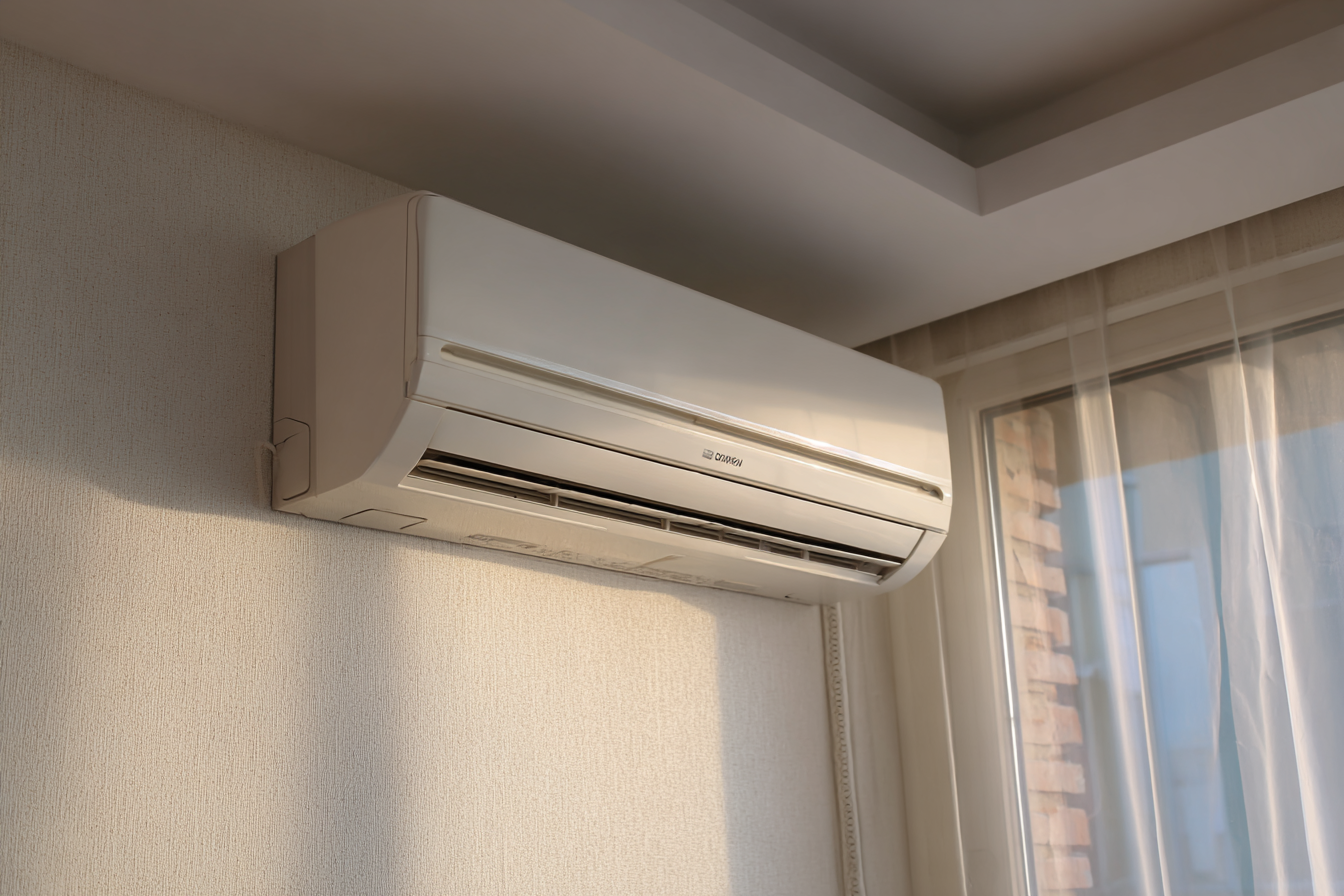
A ductless air conditioning system provides indoor cooling without using traditional ducts. Instead of pushing air through long, hidden duct networks, a ductless system delivers conditioned air directly where you need it, through compact indoor units.
These systems are often called mini‑split systems because they “split” between indoor and outdoor components while avoiding ductwork. They are ideal for buildings without central air, new additions, attics, basements, garages, or rooms with unique temperature needs.
Key Components of a Ductless AC System
A ductless system relies on several essential components that work together to regulate indoor temperature.
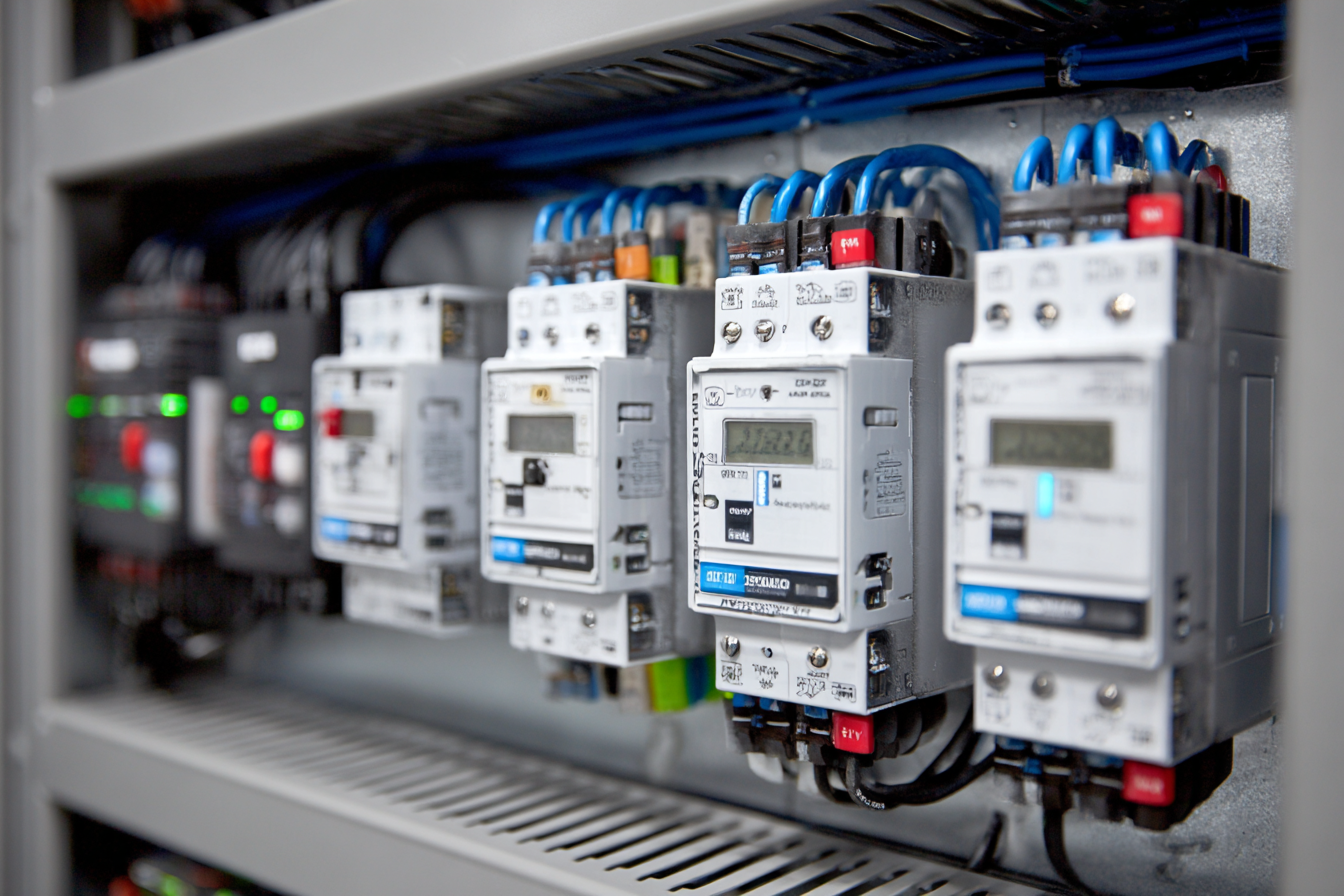
Outdoor Unit (Compressor/Condenser): This unit is installed outside your building and is responsible for releasing heat from the refrigerant, enabling the cooling process.
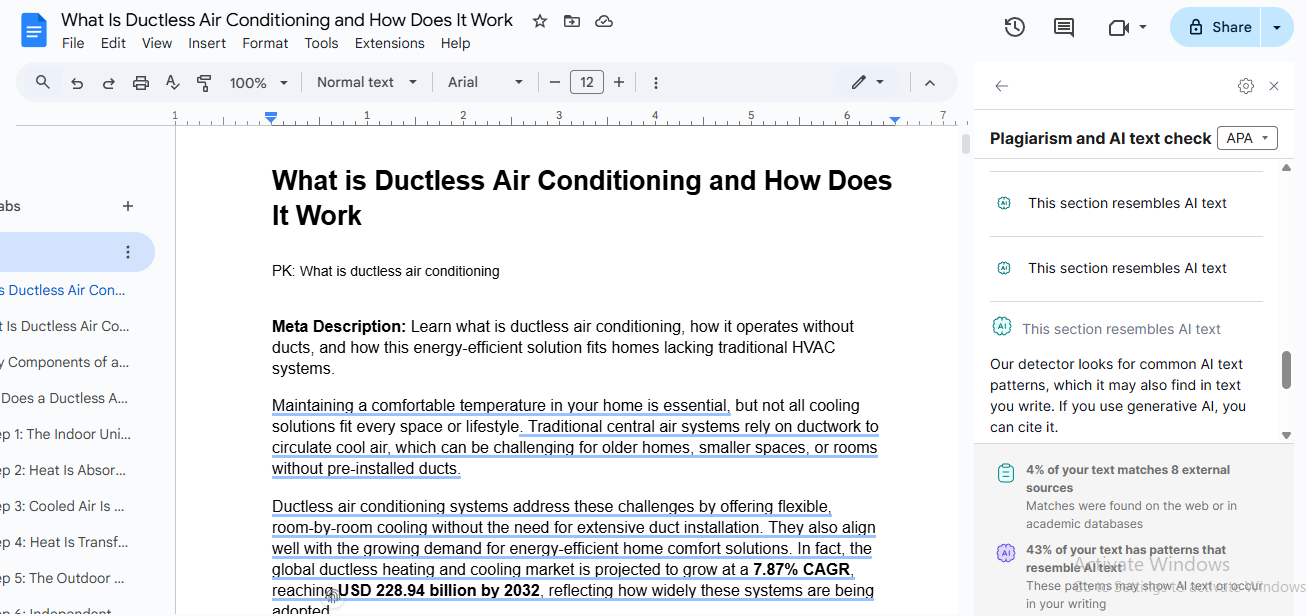
Indoor Unit (Evaporator): Mounted on a wall or ceiling, the indoor unit blows cool air directly into the room and often includes a fan to distribute air evenly.
Refrigerant Lines: Copper tubing connects the indoor and outdoor units, carrying refrigerant back and forth to support heat exchange.
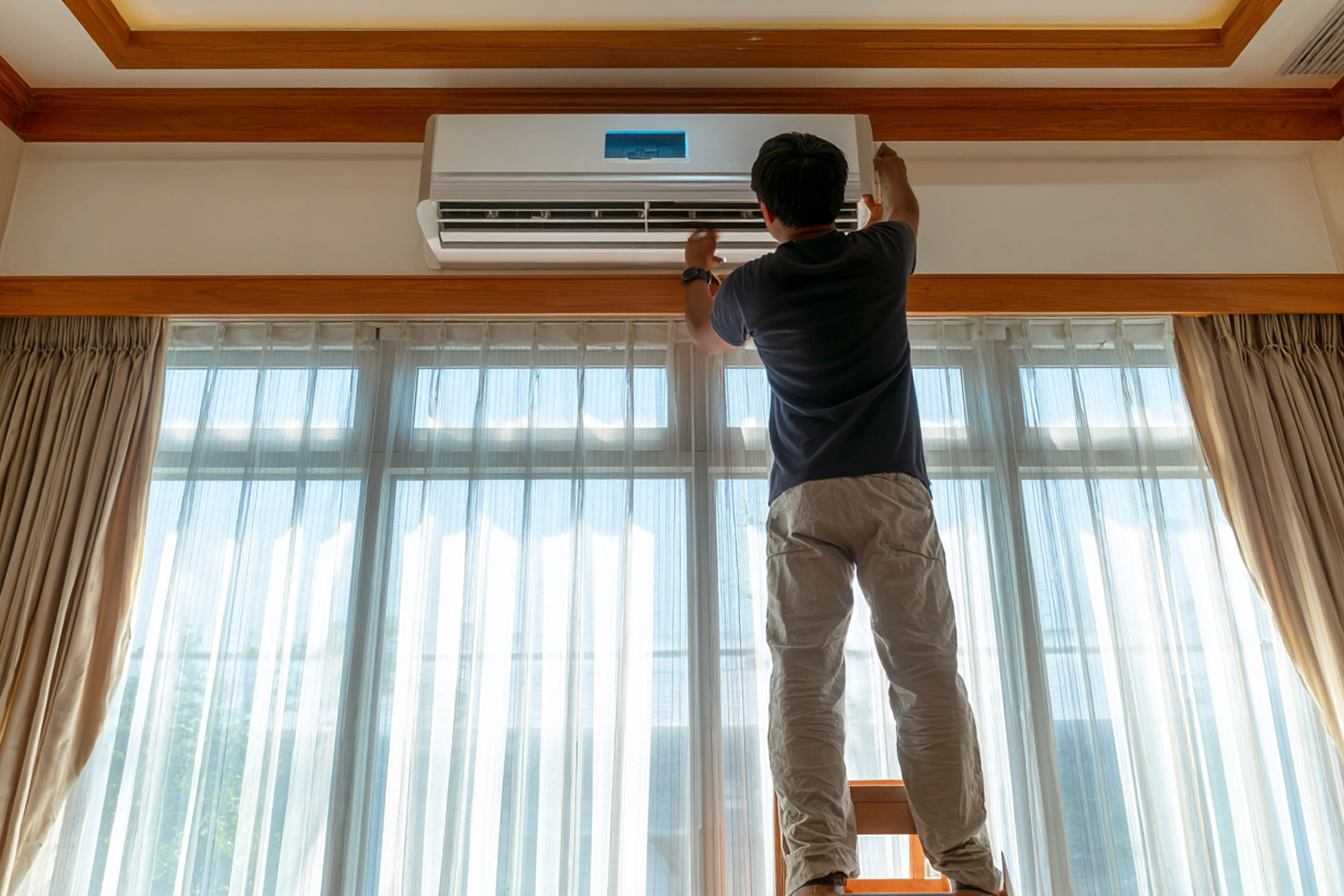
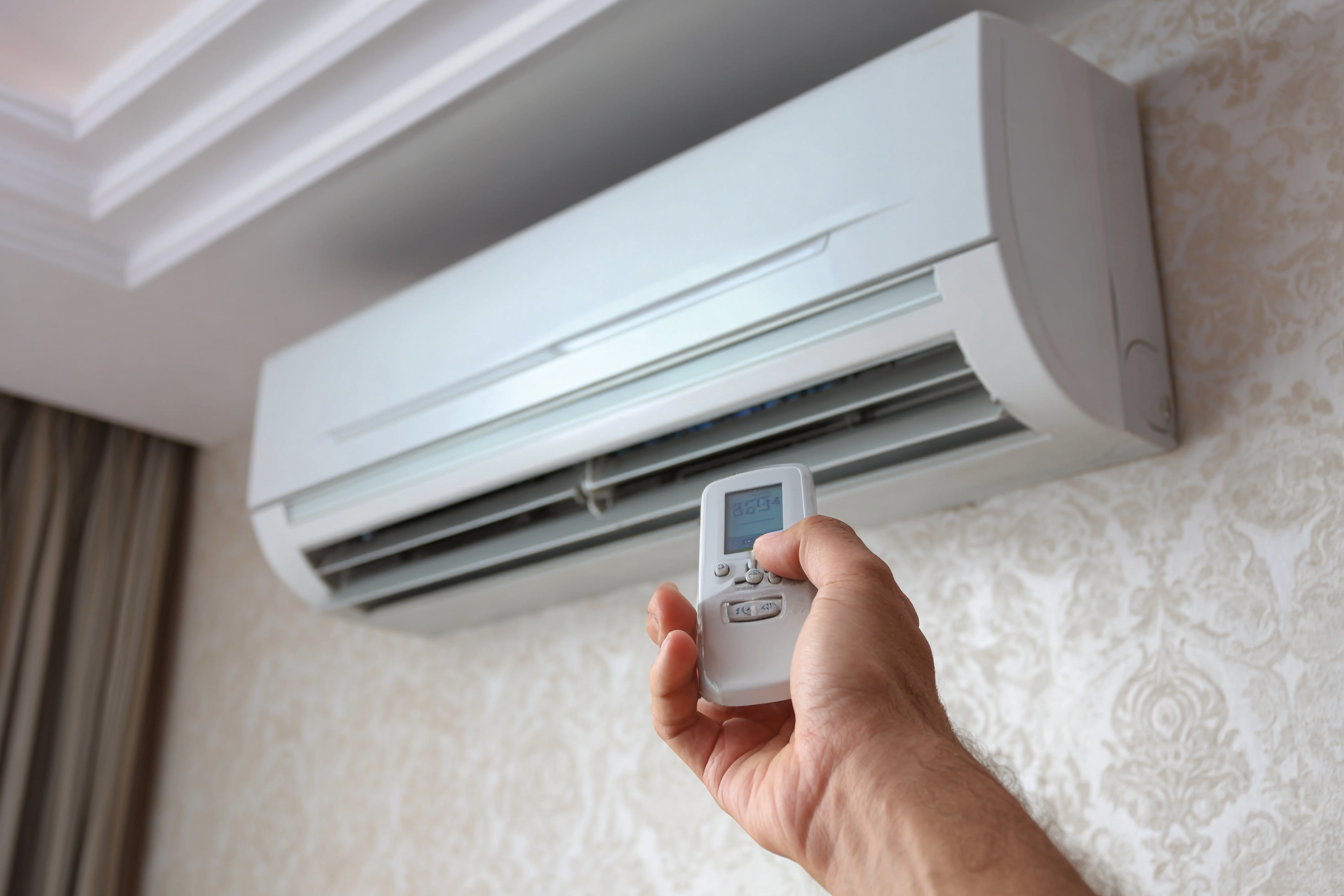
Remote Control / Thermostat: Most ductless systems come with a remote or wall-mounted thermostat, allowing homeowners to adjust temperatures and fan speeds easily.
Together, these components create a highly efficient and flexible cooling system that adapts to the needs of each room.
How Does a Ductless Air Conditioning System Work?
Ductless systems operate on the same basic principles as traditional air conditioners, but without ducts. Understanding the cooling process helps you see why ductless systems are efficient.
Step 1: The Indoor Unit Pulls in Warm Air
The process begins when the indoor unit draws in warm air from the room. This air passes through a built-in filter that captures dust and particles, helping maintain cleaner indoor air while preparing it for cooling.
Step 2: Heat Is Absorbed by the Refrigerant
Once the air enters the system, it flows over the evaporator coil. The refrigerant inside the coil absorbs heat from the air, lowering the air temperature before it is sent back into the room.
Step 3: Cooled Air Is Released Back into the Room
After the heat is removed, the indoor unit uses a quiet fan to distribute cooled air evenly throughout the space. Because the unit is installed directly in the room, cooling feels faster and more consistent.
Step 4: Heat Is Transferred to the Outdoor Unit
The refrigerant, now carrying heat, moves through insulated lines to the outdoor unit. This transfer happens quickly and does not require any ductwork, which helps reduce energy loss.
Step 5: The Outdoor Unit Releases Heat Outside
At the outdoor unit, the heat absorbed from inside the home is released into the outside air. The refrigerant then cools down and cycles back indoors to repeat the process.
Step 6: Independent Temperature Control for Each Zone
Each indoor unit operates independently, allowing homeowners to adjust temperatures by room. This zone-based control helps avoid cooling unused areas and allows better control over energy usage.
Each step in the system plays a role in maintaining steady, reliable comfort while reducing energy loss common in traditional ducted systems.
Types of Ductless Air Conditioning Systems
Ductless systems come in several configurations to suit various home layouts and cooling needs. Understanding the types can help you decide which solution is best for your home.
Single-Zone Ductless Systems
Single-zone ductless systems are designed to cool or heat one specific area of your home/building. These systems connect one indoor unit to one outdoor condenser, making them a simple and dependable solution for targeted comfort.
Key Features:
One-to-One Setup: One indoor unit is paired with one outdoor unit for direct temperature control.
Straightforward Installation: Requires minimal structural changes and fewer components.
Independent Operation: Operates separately from the rest of the home’s HVAC system.
Best For: Home additions, garages, basements, home offices, or any single room that needs consistent cooling or heating.
Multi-Zone Ductless Systems
Multi-zone ductless systems allow multiple indoor units to connect to a single outdoor unit. Each indoor unit works independently, letting you control temperatures in different rooms without affecting the rest of the house.
Key Features:
Multiple Indoor Units: Supports two or more zones from one outdoor system.
Individual Room Control: Each zone has its own thermostat or remote control.
Flexible Placement: Indoor units can be installed in various rooms or levels of the home.
Best For: Homes with multiple rooms requiring different comfort levels or households with varying temperature preferences.
Floor-Mounted Ductless Systems
Floor-mounted ductless systems are installed near the floor and are often used when wall or ceiling installation is not possible. They provide steady airflow at lower levels of the room.
Key Features:
Low-Level Installation: Works well under windows or along lower walls.
Consistent Airflow: Distributes air evenly without blowing directly at occupants.
Easy Access: Convenient for maintenance and filter cleaning.
Best For: Rooms with limited wall or ceiling space, such as older homes or rooms with sloped ceilings.
Choosing the right type depends on how many rooms you want to cool, how your home is structured, and how much control you want over individual spaces.
Benefits of Ductless Air Conditioning for Homeowners

Ductless AC offers several advantages over traditional systems, making it a popular choice for many modern homes.
Energy Savings: By cooling only the spaces you use, ductless systems reduce electricity usage and lower utility bills.
Zone Control: Each unit can be controlled independently, allowing for personalized comfort settings in every room.
Cleaner Air: Traditional ducts can collect dust, allergens, and mold, which then circulate through your home. Ductless units avoid this by eliminating ductwork and often include advanced filters that can improve indoor air quality.
Easy Installation: Without ductwork, installation is faster, less invasive, and often more affordable than updating a traditional system.
Quiet Operation: Indoor units are designed to run quietly, making ductless systems suitable for bedrooms, offices, or living spaces where noise matters.
Space‑Saving Design: Indoor units are compact and discreet. They can mount high on walls or ceilings to save floor space and fit naturally with your room’s design.
Year-Round Use: Many ductless units act as heat pumps, providing both cooling and heating. You get a single system for two major home comfort needs.
These benefits make ductless systems particularly attractive for homeowners seeking efficient, customized cooling solutions.
Limitations and Considerations Before Installing Ductless AC
While ductless systems offer many benefits, there are some factors you should consider before installation.
Key factors include:
Upfront Cost: The initial purchase and installation may be higher than a single-zone central AC system, though energy savings often balance out this cost over time.
Aesthetic Impact: Indoor units are visible on walls or ceilings. Some homeowners prefer hidden ductwork designs for a cleaner visual appearance.
Regular Maintenance: Filters in indoor units should be cleaned regularly to maintain good airflow and air quality. Professional maintenance once a year helps keep the system working properly.
Sizing and Placement: Proper sizing and placement are essential for optimal performance. Undersized units may struggle to cool a room properly, while oversized units can cycle too frequently.
Performance in Extreme Cold: In regions with extended sub‑freezing temperatures, some ductless models may need supplemental heat to maintain comfort. Discuss this with a professional when sizing your system.
Evaluating these factors helps homeowners select a system that fits both their budget and cooling needs with greater confidence.
How Quality Comfort Solutions Can Help You Choose & Install the Right Ductless System?
Choosing the right ductless system involves understanding your home layout, cooling needs, and budget. At Quality Comfort Solutions, our licensed experts guide homeowners through every step of the process.
Personalized System Assessment: Licensed HVAC experts visit your home to evaluate space, cooling needs, and any unique layout challenges before recommending a ductless solution.
Clear, No-Cost Estimates: You receive a free, no-obligation estimate before any work begins, so you can plan your budget with confidence.
Professional Equipment Selection: The team helps you choose the right ductless AC model and configuration, single-zone or multi-zone, based on your comfort goals and home size.
Custom System Design: Quality Comfort Solutions designs an installation plan that fits your home, considering ideal unit placement, airflow, and aesthetics.
Skilled Installation by Licensed Technicians: Certified and insured technicians handle the installation with precision, respecting your home and leaving the work area clean.
Detailed Operation Guidance: After installation, the team explains how to use and maintain your ductless system so you get reliable comfort and long-term performance.
Ongoing Support: Quality Comfort Solutions offers responsive service and 24/7 support if you ever have questions or need future maintenance.
With years of experience serving Yonkers and Westchester County, our team brings reliability, expertise, and attention to detail to every project.
Conclusion
Ductless air conditioning offers a modern, flexible, and energy-conscious solution for homeowners who want targeted cooling without the limitations of ductwork. Understanding how ductless systems work, the types available, and their advantages can help you choose the best solution to enhance comfort in your home.
When considering installation, it’s important to weigh factors like upfront cost, coverage needs, and maintenance requirements. Consulting a trusted HVAC provider like Quality Comfort Solutions ensures that your system is properly sized, installed, and maintained for optimal performance.
Contact us for a free estimate to find out how a ductless air conditioning system can work for your home today.
FAQs
What is the typical lifespan of a ductless unit?
A ductless air conditioning unit typically lasts 12–20 years with proper maintenance. Lifespan depends on usage, climate, and regular servicing. Routine filter cleaning and annual professional check-ups help ensure efficiency and longevity, keeping the system running smoothly for many years.
Can ductless systems handle humid climates?
Yes, ductless systems can effectively manage humidity. Many models include dehumidifying modes that remove excess moisture from the air while cooling, making them suitable for humid climates. Proper sizing and installation ensure optimal performance and comfort even in areas with high humidity.
What is the average cost of installing a ductless AC?
Installing a ductless AC system generally ranges from $3,000 to $8,000, depending on unit size, number of zones, brand, and installation complexity. While upfront costs are higher than those of window units, energy efficiency and reduced ductwork can lead to long-term savings.
Who should consider ductless air conditioning?
Ductless AC is ideal for homes without ductwork, room additions, older houses, or multi-zone cooling needs. It suits anyone seeking efficient, customizable temperature control and energy savings while avoiding the hassle and cost of installing traditional ducted systems.
Is ductless AC ideal for additions or renovations?
Yes, ductless AC works perfectly for home additions or renovations. It requires no ductwork, minimizing construction disruption. Its flexible installation options allow cooling or heating specific areas efficiently, making it a cost-effective and convenient solution for expanding or upgrading living spaces.