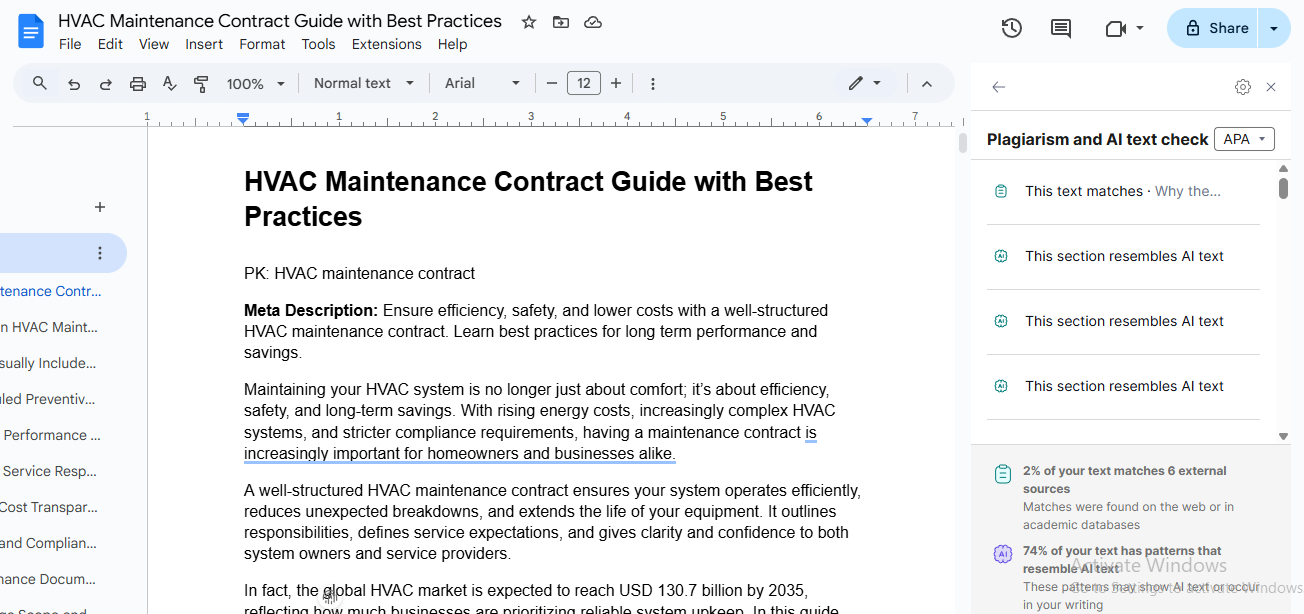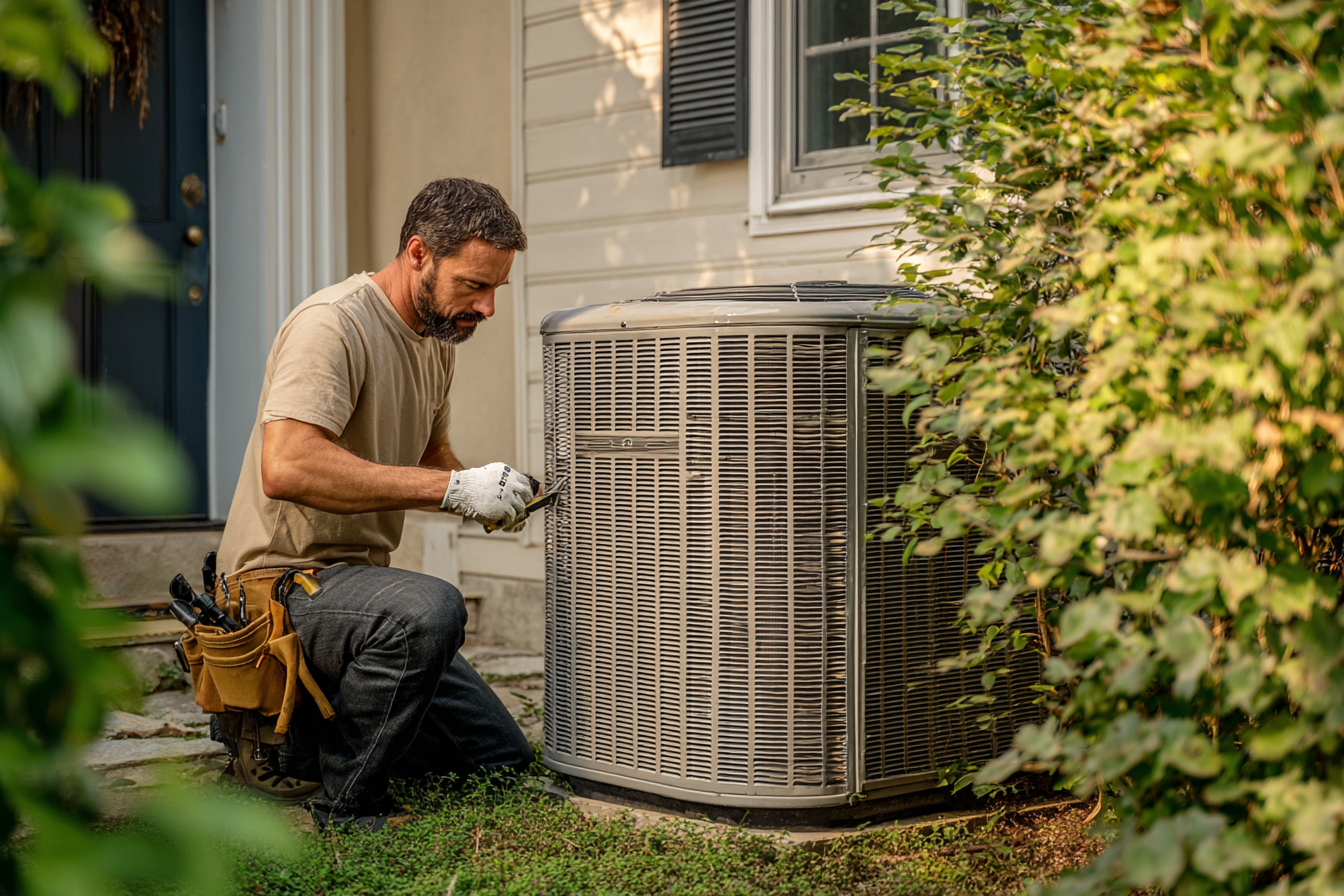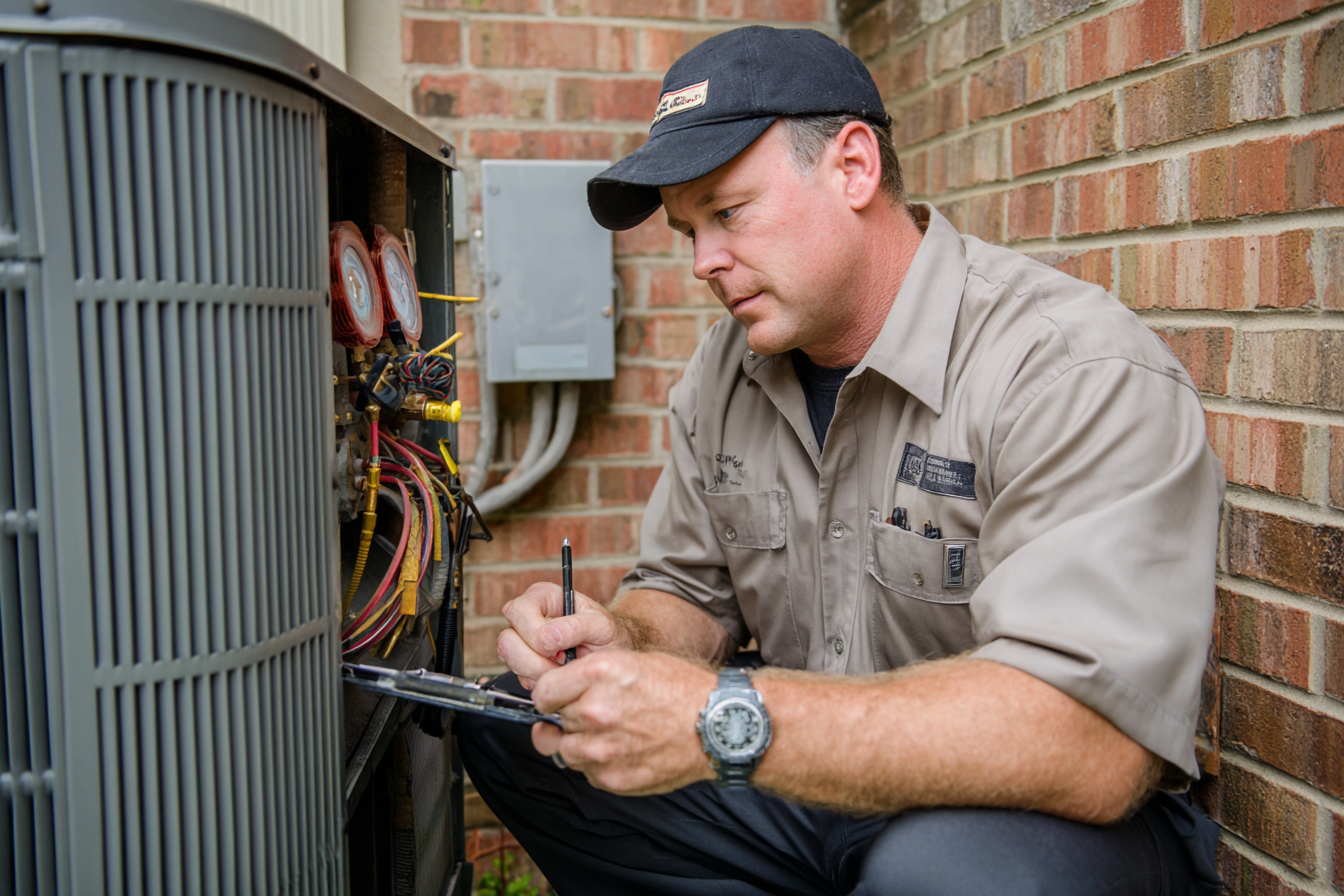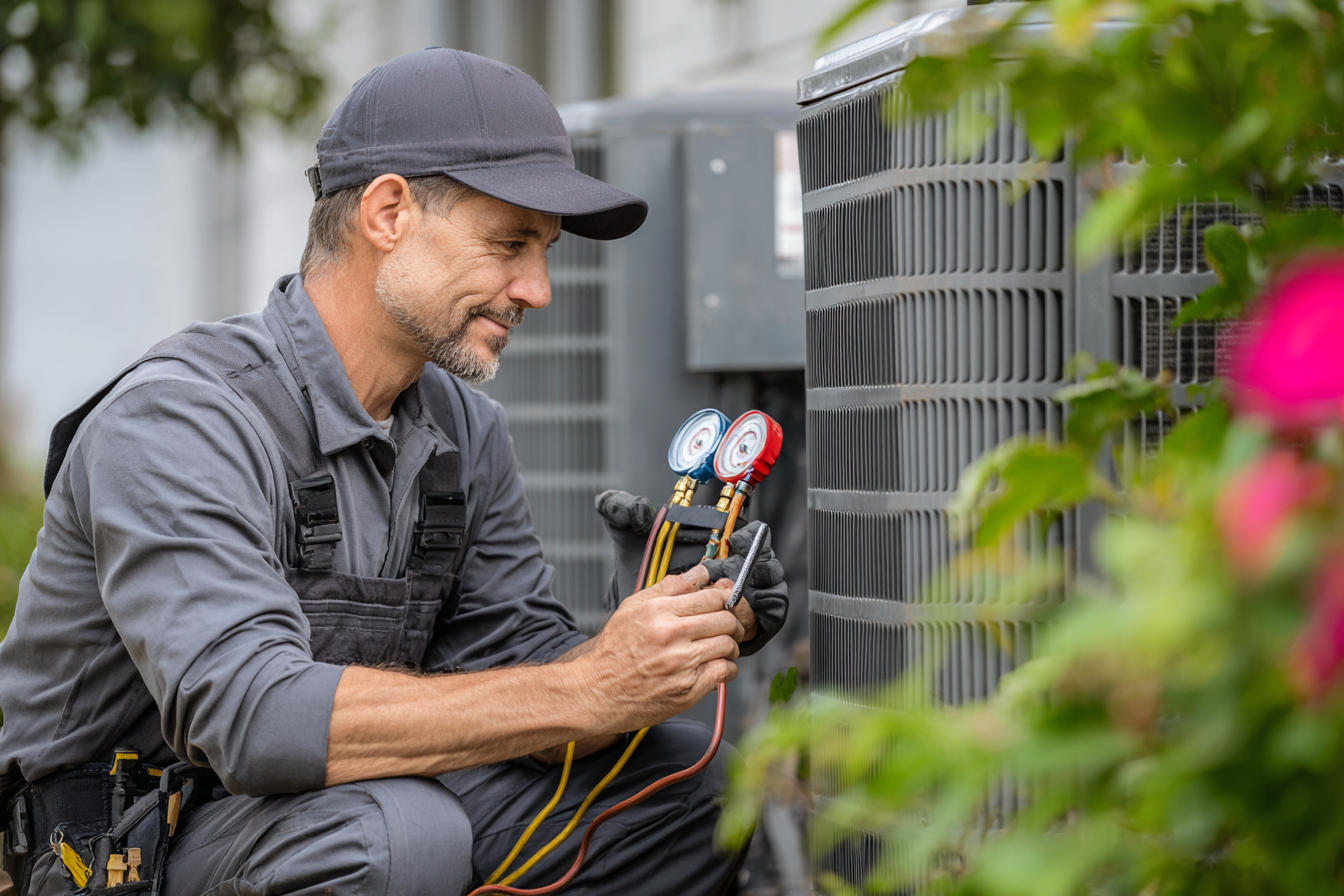
Maintaining your HVAC system is no longer just about comfort; it’s about efficiency, safety, and long-term savings. With rising energy costs, increasingly complex HVAC systems, and stricter compliance requirements, having a maintenance contract is increasingly important for homeowners and businesses alike.
A well-structured HVAC maintenance contract ensures your system operates efficiently, reduces unexpected breakdowns, and extends the life of your equipment. It outlines responsibilities, defines service expectations, and gives clarity and confidence to both system owners and service providers.
In fact, the global HVAC market is expected to reach $130.7 billion by 2035, reflecting how much businesses are prioritizing reliable system upkeep. In this guide, we’ll explore what an HVAC maintenance contract is, what it typically includes, the different types available, and how you can apply best practices effectively.
In a nutshell:
HVAC maintenance contracts include defined responsibilities, service expectations, and scheduled care to keep systems running reliably and efficiently.
Contract coverage typically includes preventive maintenance visits, performance checks, safety inspections, documentation, and a clearly defined system inclusions.
Common contract types include full-service, preventive-only, and labor-only agreements, each structured around different uptime, cost, and oversight needs.
The contract creation process includes identifying covered systems, setting usage-based maintenance frequency, defining service scope, and clarifying repair and response terms.
Ongoing success depends on following best practices, monitoring contract compliance, maintaining records, and avoiding vague terms, hidden fees, or limited emergency support.
What is an HVAC Maintenance Contract and Why Does It Matter?
An HVAC maintenance contract is a written agreement between you and a licensed HVAC provider that outlines routine service, system checks, and ongoing support. It ensures your system receives regular professional attention rather than being serviced only when something fails.
To make it easier to understand, here’s why these contracts matter for both homeowners and businesses:
Planned system care: Covers routine inspections, cleaning, and adjustments to keep systems working as intended throughout the year.
Lower risk of breakdowns: Regular checkups help identify minor issues early, reducing the chance of costly repairs or complete system failures.
Better energy performance: Well-maintained systems consume less energy, helping keep monthly utility bills under control.
Longer equipment life: Consistent service reduces wear and tear on key components, helping systems last longer.
Predictable costs: Contracts often spread maintenance costs over time, making HVAC expenses easier to manage.
Peace of mind: Knowing a licensed professional monitors your system reduces stress during extreme weather seasons.
By having a maintenance contract in place, you gain better control over system health, costs, and comfort.
What’s Usually Included in an HVAC Maintenance Contract?
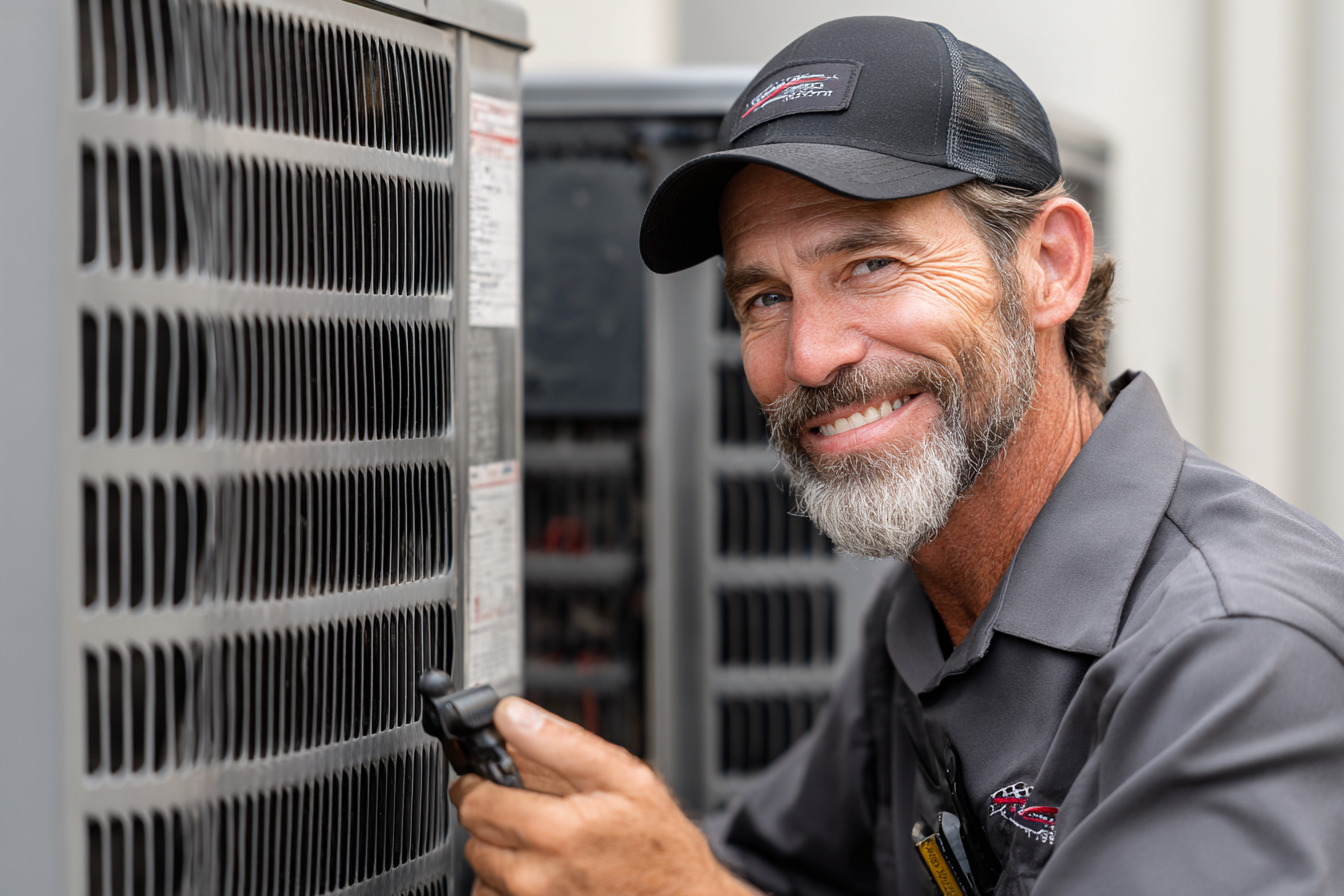
An HVAC maintenance contract is not just a checklist of tasks. For operations leaders and property owners, it directly affects equipment uptime, repair response time, and long-term operating costs. Knowing what’s included helps you assess whether a contract actually supports reliability and planning, or simply looks good on paper.
Below are the core components you should expect in a well-structured HVAC maintenance contract:
Scheduled Preventive Maintenance Visits
Scheduled maintenance forms the base of any HVAC contract. These visits are planned in advance and usually occur during spring and fall, when systems transition between heating and cooling demand.
From an operations standpoint, planned maintenance protects equipment uptime and reduces unexpected service calls during peak seasons. It also helps teams avoid reactive repairs that interrupt schedules or occupant comfort.
Typically includes:
System inspections for heating and cooling units
Filter checks and replacements
Electrical and safety inspections
Performance checks under normal operating conditions
System Performance Checks and Adjustments
Beyond basic inspections, most contracts include performance reviews that assess how well the system operates under real-world conditions.
These checks flag early signs of imbalance, wear, or airflow problems before they turn into service interruptions.
Common focus areas:
Airflow balance and temperature consistency
Thermostat calibration
System cycling and response time
Priority Service Response
Many contracts offer priority scheduling for contract holders. This becomes especially important during extreme weather, when service demand rises and response times stretch.
For business owners and facility managers, faster response times limit operational disruption and prevent small issues from turning into extended downtime.
What priority service usually means:
Faster scheduling for service calls
Earlier response during peak seasons
Reduced waiting time compared to non-contract customers
Repair Cost Transparency and Discounts
Maintenance contracts often include predefined pricing structures for repairs, such as reduced labor rates or standard pricing for common replacement parts.
This clarity helps procurement and finance teams plan maintenance budgets and avoid unexpected expenses.
May include:
Discounted labor rates
Pre-approved pricing for common repairs
Clear separation between included services and billable repairs
Safety and Compliance Checks
HVAC systems involve gas lines, electrical components, and pressurized equipment. Routine safety checks remain a critical part of most maintenance contracts.
These checks identify potential risks early and support compliance with local safety expectations, especially in occupied residential or light commercial buildings.
Common checks include:
Gas line and combustion safety inspections
Electrical connection reviews
System shutdown and emergency control checks
Maintenance Documentation and Service Records
A well-structured contract should include documentation of all completed work. Many teams overlook this detail, but it becomes valuable over time.
Service records help track recurring issues, plan future upgrades, and support maintenance decisions internally.
Documentation typically covers:
Date and scope of each visit
Findings and corrective actions
Notes on system condition and wear
Coverage Scope and System Inclusions
Not all HVAC systems are covered automatically. Contracts should clearly list which equipment is included, such as furnaces, boilers, heat pumps, ductless units, or central air systems.
Clear coverage details prevent confusion and reduce delays when service is required.
Clear contracts define:
Covered systems and locations
Exclusions or optional add-ons
Service limits, if any
Types of HVAC Maintenance Contracts

HVAC maintenance agreements come in different forms, each offering unique service levels and terms. Understanding the differences helps procurement, operations, and facility leaders select coverage that supports reliability without adding unnecessary overhead.
Comprehensive (Full-Service) HVAC Maintenance Contracts
This contract type works best for properties where HVAC downtime directly disrupts operations or occupant comfort. It shifts most maintenance responsibility to the service provider and supports predictable annual costs.
What it includes
Scheduled seasonal inspections and tune-ups
Diagnostic testing and system adjustments
Covered labor for most repairs
Replacement of select wear-and-tear components
Priority response during peak heating or cooling seasons
Operational impact:
Supports higher equipment uptime
Helps reduce unplanned downtime
Improves the predictability of maintenance spend
Reduces internal workload for facilities teams
Business owners and plant heads often prefer this structure because it minimizes service decisions throughout the year.
Preventive Maintenance - Only Contracts
Preventive maintenance contracts focus on system condition rather than repair coverage. They allow teams to detect issues early, rather than paying for repairs under the agreement.
What it includes
Scheduled spring and fall inspections
Cleaning of key system components
Performance checks and safety reviews
Maintenance reports with flagged risks
Operational impact:
Helps identify issues before failure
Supports consistent system performance
Improves maintenance planning visibility
Can reduce emergency service calls
This contract works well for operations leaders who want data-driven decisions without committing to full repair coverage.
Labor-Only HVAC Maintenance Contracts
Labor-only contracts cover technician time but exclude parts and materials. They provide access to skilled service without bundling component costs.
What it includes
Scheduled maintenance visits
Covered labor for diagnostics and repairs
Priority scheduling compared to non-contract customers.
Operational impact:
Improves response time during breakdowns
Controls labor cost exposure
Allows procurement teams to source parts independently
Supports flexible repair decision-making
This model fits teams that prefer control over parts sourcing while maintaining reliable service access.
Choosing the right contract type depends on how crucial HVAC uptime is, how predictable maintenance costs should be, and how much internal oversight your team can manage.
How to Create an HVAC Maintenance Contract?

Creating an HVAC maintenance contract is not about paperwork. For operations leaders, plant heads, and business owners, it is a way to control downtime, manage service costs, and avoid last-minute repair decisions that disrupt daily operations.
Here’s the step-by-step process you can follow:
Step 1: Identify the HVAC Systems That Need Coverage
Before defining services, list HVAC assets that directly affect operations, comfort, or compliance. Coverage decisions should reflect system importance, not assumptions.
Focus on systems that influence:
Heating or cooling availability during operating hours
Temperature-sensitive areas
Occupant comfort and safety
Risk of disruption if a unit fails
For many facilities, this includes gas furnaces, boilers, central air systems, heat pumps, and ductless units. Clear identification prevents coverage gaps and future disputes.
Step 2: Define Maintenance Frequency Based on Usage, Not Just the Calendar
Maintenance schedules should match actual system use. A fixed schedule may not suit equipment that runs longer hours or supports critical spaces.
When setting frequency, consider:
Seasonal load changes
Continuous vs. intermittent system use
Age and condition of equipment
Past service or breakdown history
Well-defined schedules support stable system performance and help reduce unexpected downtime during peak heating or cooling periods.
Step 3: Specify Exactly What Services Are Included
Ambiguity is one of the most common issues in HVAC maintenance contracts. Every included service should be clearly listed so expectations are aligned from day one.
Typical inclusions may cover:
Seasonal inspections and tune-ups
Filter replacement and airflow checks
Electrical and safety inspections
Thermostat calibration
Priority scheduling for service calls
Clear definitions help operations teams plan around maintenance windows and reduce time resolving scope questions.
Step 4: Clarify Repair Handling and Cost Responsibility
A maintenance contract should explain how repairs are handled during inspections. This clarity improves budgeting and speeds decisions.
Key points to define include:
What qualifies as a billable repair
Whether parts and labor discounts apply
Approval processes for non-routine work
Response expectations for urgent issues
Clear repair terms help reduce delays, limit operational disruption, and control maintenance-related spending.
Step 5: Establish Response Time and Service Priority Terms
Response time affects productivity and comfort. Contracts should clearly state how quickly service requests are handled, especially during peak periods.
Look for clarity around:
Emergency vs. non-emergency response
Priority access during high-demand periods
After-hours or weekend service availability
Defined response terms support lead time stability and reduce uncertainty during unexpected system issues.
Step 6: Document Roles, Access, and Compliance Requirements
A strong contract outlines responsibilities on both sides. This reduces miscommunication and helps maintenance activities run without delays.
Contracts should clearly note:
Property access requirements
On-site contact responsibilities
Safety or compliance expectations
Documentation and reporting standards
Clear role definition supports smoother service coordination and reduces administrative follow-up.
Step 7: Review Contract Duration, Renewal, and Exit Terms
Contract terms should support long-term planning while allowing flexibility. This is important for growing businesses or facilities planning upgrades.
Review clauses related to:
Contract length and renewal options
Pricing review periods
Termination notice requirements
Scope updates for new equipment
Well-structured terms help manage supplier risk and support continuity without locking teams into unsuitable agreements.
A well-drafted contract sets expectations, protects investments, and supports reliable HVAC performance over time.
Best Practices to Maximize Your HVAC Maintenance Contract

A well-structured HVAC maintenance contract can directly impact operational performance, system reliability, and cost control. The best practices below help you get real value and avoid common pitfalls.
Schedule Maintenance Strategically: Plan inspections and tune-ups during low-activity periods to minimize operational disruption and prevent unexpected downtime.
Prioritize Licensed Technicians: Use certified, insured professionals to reduce the risk of errors that could cause system failures or safety issues.
Document All Maintenance Activities: Keep detailed logs of inspections, repairs, and part replacements. This helps track equipment performance trends and informs future capital planning.
Include Performance Checks: Verify airflow, temperature consistency, and system response after each visit to ensure operational standards are met.
Review and Update Contracts Regularly: Adjust contract terms when systems are upgraded or new equipment is installed. This keeps maintenance aligned with current operational requirements.
Integrate Maintenance with Asset Management: Link HVAC service schedules with broader facility management systems to support uptime, reduce emergency repairs, and optimize resource allocation.
Utilize Data for Predictive Planning: Use maintenance records to anticipate potential failures, optimize replacement cycles, and support budgeting for spare parts and labor.
Ensure Clear Responsibility and Accountability: Define which party is responsible for parts, labor, and emergency response to avoid disputes and delays.
Monitor Contract Compliance: Periodically check that agreed maintenance services are delivered as promised. This protects equipment reliability and keeps operations running smoothly.
Following these best practices reduces unplanned downtime, extends equipment life, and supports predictable maintenance budgeting.
Red Flags to Avoid in HVAC Maintenance Contracts
Not all contracts provide the same level of protection or service quality. Being aware of red flags can save you from costly mistakes.
Look out for these warning signs before you commit:
Vague Terms: Contracts that don’t clearly define service coverage, pricing, or response times can lead to disputes.
No Documentation or Records: Lack of proper service documentation may complicate warranty claims or insurance coverage.
Unlicensed Technicians: Always confirm that service providers are certified, licensed, and insured.
Limited Emergency Support: Contracts without priority or emergency service provisions may leave you stranded during a breakdown.Hidden Fees: Review contracts carefully to avoid unexpected charges for parts, labor, or travel.
Unrealistic Guarantees: Be cautious of promises that sound too good to be true, such as “lifetime coverage” without clear terms.
Short-Term Contracts Only: Contracts that automatically expire without renewal options may leave your system unprotected.
Avoiding these red flags ensures you select a contract that is trustworthy, reliable, and protective of your HVAC investment.
How Quality Comfort Solutions Supports Smarter HVAC Maintenance?
Choosing the right provider matters just as much as picking the right contract. At Quality Comfort Solutions, we focus on delivering trustworthy service, prompt responses, and clear communication.
Here’s how we can assist you:
Licensed, Certified Technicians: Every project is handled by professionals trained to maintain and repair heating and cooling systems safely and effectively.
Comprehensive Contract Options: From standard seasonal maintenance to fully customized contracts covering multiple systems, we offer flexible solutions.
Priority Service and Emergency Support: We are available 24/7 to ensure your home or business remains comfortable in any situation.
Transparent, Reliable Service: Our contracts are clear, detailed, and tailored to meet your property’s needs, reducing stress and unexpected costs.
Whether you have a heat pump, central air system, ductless setup, or gas furnace, we help you choose the maintenance contract that aligns with your comfort goals and budget.
Conclusion
HVAC maintenance contracts are a smart long-term investment for businesses and facilities that rely on consistent indoor climate control. They provide predictable service, reduce the risk of breakdowns, and can save you money on costly repairs over the life of your system.
By understanding the types of contracts available, what should be included, best practices for maintenance, and warning signs to avoid, you can confidently select a provider and contract that matches your needs.
Partnering with a trusted, licensed provider like Quality Comfort Solutions ensures you receive reliable, professional service, giving you peace of mind and year-round comfort.
Contact us for a free estimate to explore a tailored HVAC maintenance solution that safeguards your operations, reduces downtime, and optimizes long-term HVAC performance.
FAQs
1. How do I choose the right HVAC maintenance contract type (e.g., preventive, comprehensive, or performance-based)?
Select a contract based on your system’s age, complexity, and risk tolerance. Preventive contracts focus on routine upkeep, comprehensive plans cover repairs, and performance-based contracts tie costs to energy efficiency or output. Align the contract with your operational needs and budget priorities.
2. How often should HVAC systems be serviced under a maintenance contract?
HVAC systems typically require service at least twice a year—once before the cooling season and once before the heating season. High-use or complex systems may need quarterly inspections. Regular service ensures optimal performance, prevents unexpected failures, and extends the system’s lifespan.
3. What are the best practices for negotiating HVAC maintenance contract pricing and terms?
Compare multiple providers, clarify included services, and request detailed breakdowns of labor, parts, and emergency visits. Negotiate flexible terms, service frequency, and performance guarantees. Ensure the contract protects against unexpected costs while matching your operational priorities and budget.
4. What should I do if my HVAC system fails outside of contract coverage?
Contact a licensed HVAC technician promptly to diagnose the issue. Document the failure and any prior maintenance. Consider emergency service options or upgrading to a more comprehensive contract to reduce future out-of-pocket costs. Prioritize safety and prevent further system damage.
5. What role does technology (e.g., IoT sensors) play in modern HVAC maintenance contracts?
IoT sensors enable real-time monitoring of temperature, airflow, and equipment performance. Data-driven insights allow predictive maintenance, reduce downtime, and improve energy efficiency. Contracts increasingly incorporate sensor-based monitoring to trigger proactive service and optimize system reliability.