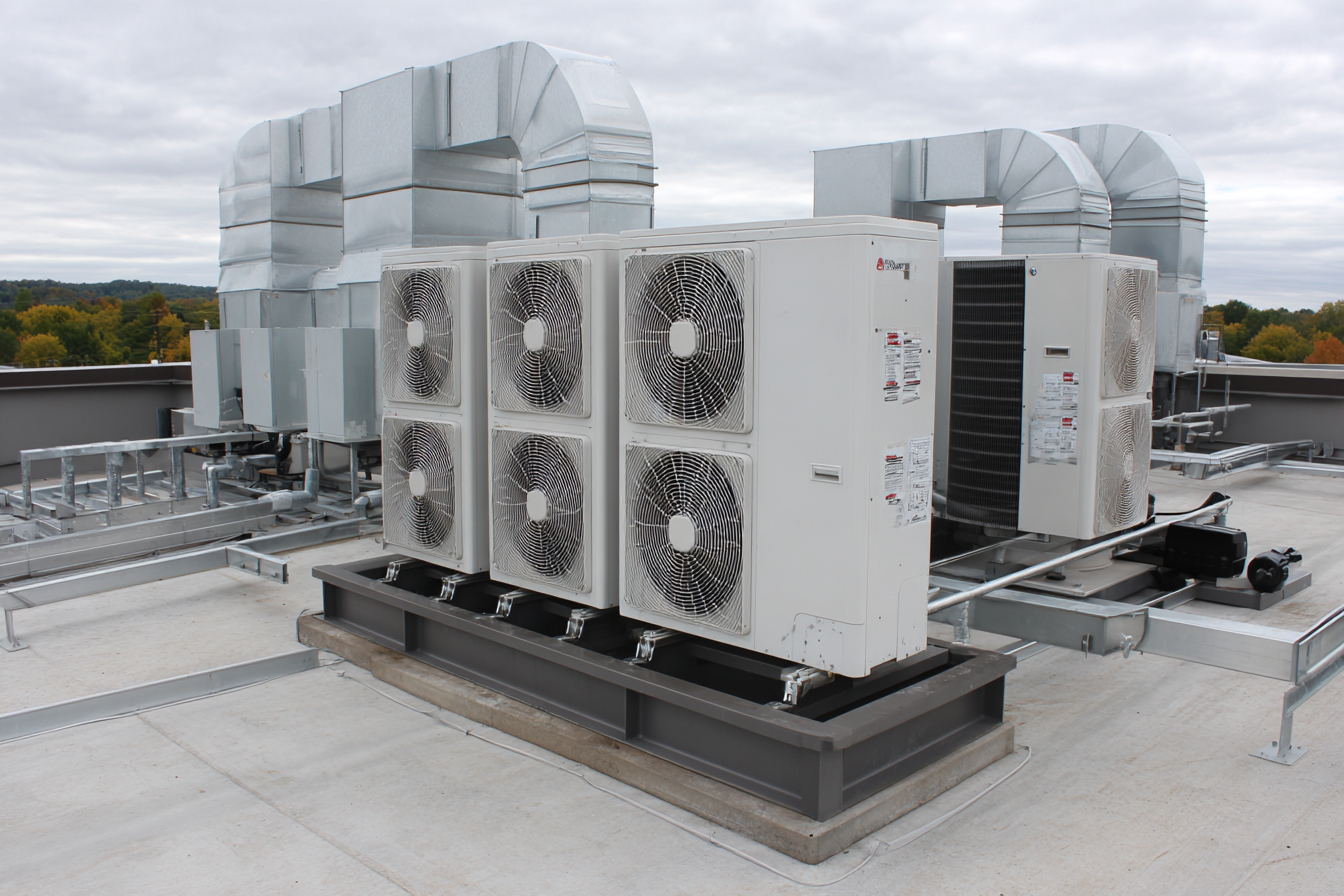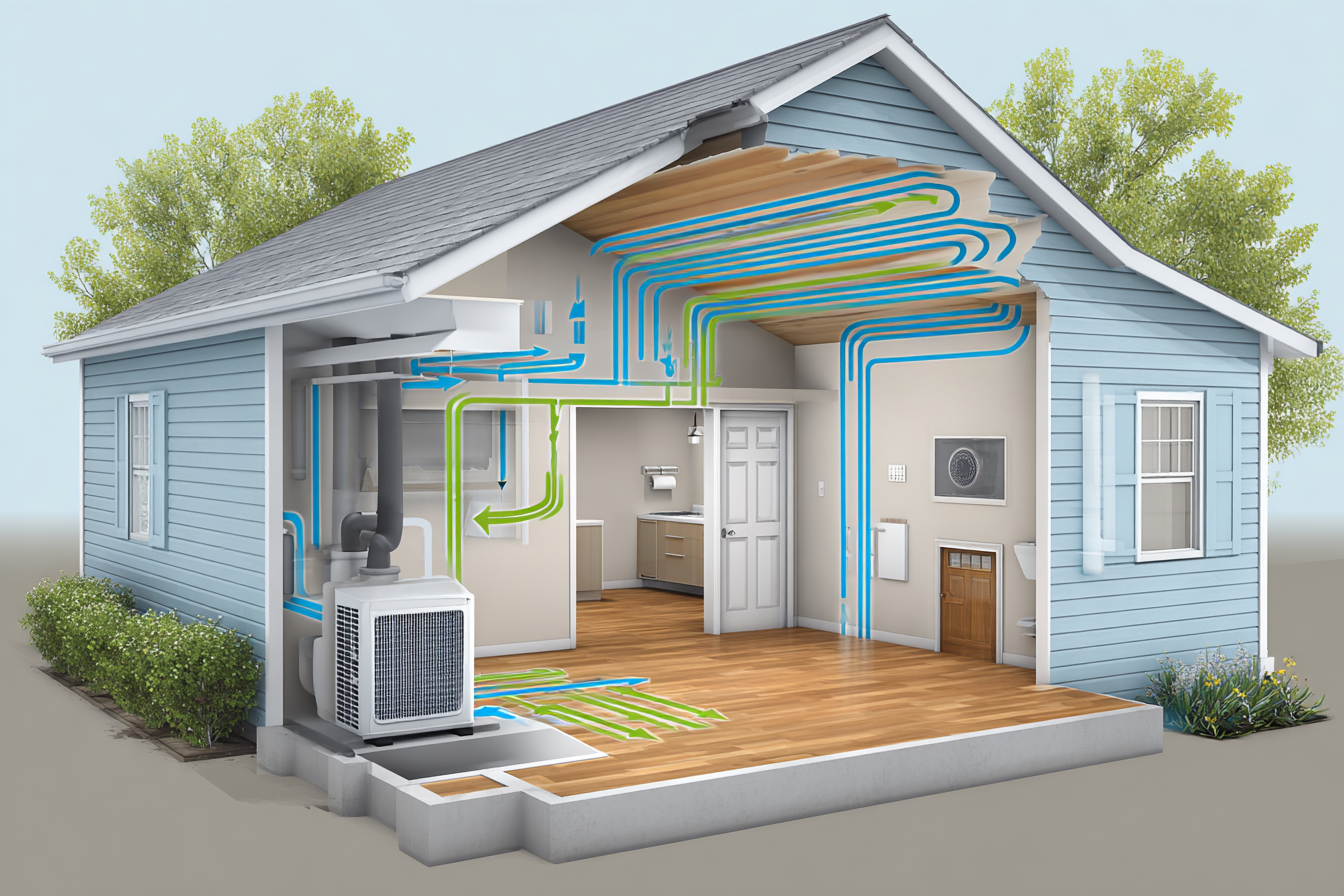
If your Heating, Ventilation, and Air Conditioning (HVAC) system is over 10 years old, struggling with rising energy bills, or failing to maintain consistent comfort, 2026 may be the right time to upgrade.
Aging systems often operate inefficiently, cycle unevenly, and cost far more to run than modern high-efficiency alternatives, especially during peak heating and cooling seasons.
The global HVAC market is expanding rapidly, with total industry value expected to reach $248.05 billion in 2026 and continue climbing through the decade as homeowners and builders prioritize efficiency, smart controls, and sustainability.
In the heating segment, electric heat pumps are increasingly outpacing traditional gas furnaces, reflecting a major shift toward energy-efficient systems. In the first half of 2025, heat pumps in the U.S. outsold gas furnaces by about 25%, marking a significant market transition.
This complete buying guide breaks down the best HVAC systems for 2026, helping you understand system types, efficiency ratings, features, and performance considerations, so you can confidently choose the right system for your home and budget.
Key Takeaways:
Choosing the best HVAC system in 2026 requires evaluating home size, climate, efficiency ratings, system type, and professional installation quality.
Heat pumps, hybrid systems, ductless solutions, and variable-capacity central systems lead 2026 trends due to efficiency, flexibility, and comfort control.
Proper HVAC sizing using Manual J calculations prevents short cycling, improves humidity control, lowers energy costs, and extends system lifespan.
Installed HVAC costs in 2026 vary widely by system type, efficiency level, home layout, and installation complexity, affecting upfront and long-term value.
Expert installation and reputable contractors matter more than brand names, ensuring performance, warranty protection, energy savings, and reliable comfort.
What to Consider Before Buying an HVAC System
Before choosing the best HVAC system for your home in 2026, evaluate how your space, climate, and usage patterns affect performance. Skipping these factors often leads to higher energy bills and uneven comfort.
Home’s Size, Layout, and Insulation: A well-insulated home with sealed ductwork requires far less capacity than an older home with air leaks and minimal insulation.
HVAC System Sizing: An oversized system cycles on and off frequently, causing temperature swings, excess humidity, and unnecessary wear. An undersized unit struggles to meet demand, running constantly and driving up energy costs.
Core HVAC System Components: Most systems include a heating source (furnace or heat pump), a cooling unit (air conditioner or heat pump), air distribution through ductwork or indoor heads, and a control system such as a thermostat.
Evaluating these fundamentals ensures you select the right system, not just the most powerful one.
5 Types of HVAC Systems
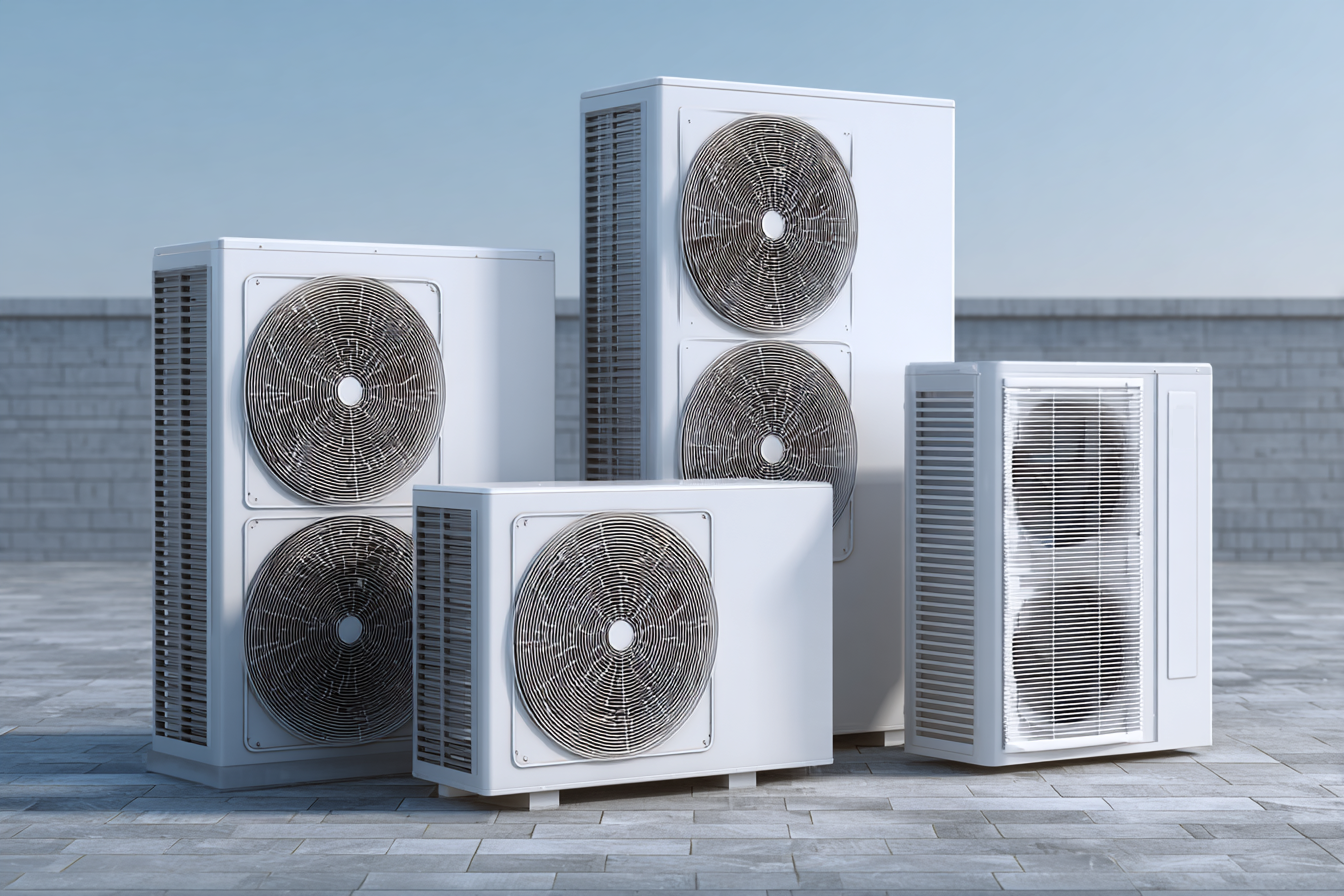
Understanding the different types of HVAC systems available in 2026 is essential to choosing the best HVAC system for your home. Each system type offers unique advantages depending on your climate, home design, efficiency goals, and budget.
1. Central Split Systems
Central split systems remain the most common whole-home heating and cooling solution in the U.S. They consist of an outdoor unit (air conditioner or heat pump) paired with an indoor furnace or air handler, distributing conditioned air through ductwork.
Pros
Reliable and widely available
Compatible with most existing ducted homes
Lower upfront cost than advanced systems
Cons
Less efficient than newer variable-capacity systems
Duct losses can reduce overall efficiency
Ideal for: Traditional single-family homes with existing ductwork seeking dependable, familiar performance.
2. Heat Pump Systems
Heat pumps are rapidly becoming one of the most popular HVAC options due to their energy efficiency and ability to provide both heating and cooling from a single system. Instead of generating heat, they transfer it, using far less energy than traditional furnaces.
Pros
Extremely energy-efficient
Eligible for federal and utility incentives
Lower operating costs year-round
Cons
Higher upfront cost than basic systems
Performance can vary in extreme cold without backup heat
Ideal for: Homeowners prioritizing efficiency, sustainability, and long-term savings when choosing the best HVAC system.
3. Ductless Mini-Split Systems
Ductless mini-split systems use individual indoor air handlers connected to an outdoor unit, allowing for zoned heating and cooling without ductwork. These systems are especially effective in retrofits and home additions.
Pros
No ductwork required
Zoned comfort and reduced energy waste
Quiet, efficient operation
Cons
Higher per-room installation cost
Indoor units are visible
Ideal for: Older homes, room additions, basements, and homeowners seeking targeted comfort control.
4. Hybrid and Dual-Fuel Systems
Hybrid systems combine an electric heat pump with a gas or oil furnace. The system automatically switches between energy sources based on outdoor temperature and efficiency.
Pros
Optimized performance in varying climates
Lower heating costs during extreme cold
Improved efficiency compared to furnace-only systems
Cons
More complex installation
Higher upfront investment
Ideal for: Homes in mixed climates where winters can be harsh but efficiency remains a priority.
5. Variable Refrigerant Flow (VRF) and Advanced Systems
VRF systems deliver precise heating and cooling by adjusting refrigerant flow to multiple zones. While traditionally used in commercial buildings, they’re gaining popularity in large, custom residential homes.
Pros
Exceptional zoning and temperature control
Ultra-high efficiency
Minimal energy waste
Cons
High installation cost
Requires specialized contractors
Ideal for: Large homes, luxury builds, or homeowners seeking maximum control and premium performance.
Top HVAC Features to Look For in 2026
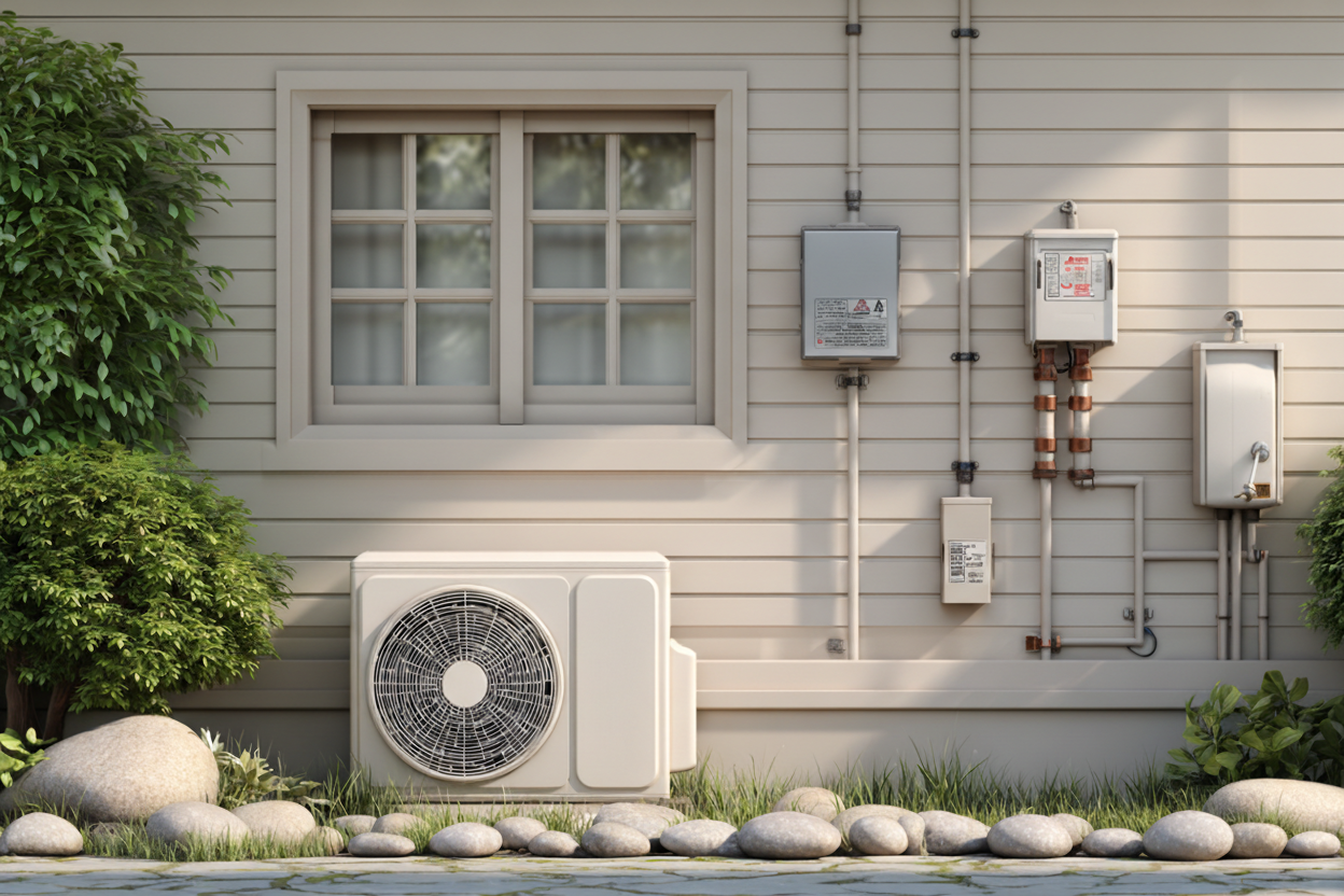
Modern HVAC systems are defined by efficiency, adaptability, and intelligent control, not just heating and cooling capacity.
1. Energy Efficiency Ratings
Energy efficiency ratings help you estimate how much energy an HVAC system will use over time and how much it will cost to operate.
Seasonal Energy Efficiency Ratio 2 (SEER 2): Measures cooling efficiency; higher numbers mean lower electricity use.
Heating Seasonal Performance Factor 2 (HSPF 2): Indicates heat pump heating efficiency.
Annual Fuel Utilization Efficiency (AFUE): Applies to furnaces and shows how efficiently fuel is converted into heat.
In 2026, the best HVAC systems typically exceed minimum federal standards, offering SEER2 ratings well above baseline requirements to deliver noticeable energy savings.
2. Variable-Speed & Inverter Technology
Unlike older single-stage systems that operate at full power or not at all, variable-speed and inverter-driven systems adjust output continuously based on real-time demand.
Key benefits include:
More consistent indoor temperatures
Improved humidity control
Reduced energy consumption
Quieter operation
These systems may cost more upfront, but their efficiency and comfort gains often make them the preferred choice for homeowners seeking long-term value.
3. Smart Controls and Connected HVAC
Smart HVAC technology is becoming a standard feature rather than a luxury. Connected systems integrate with smart thermostats and mobile apps to provide remote access, automation, and system insights.
Smart features to look for:
Remote temperature adjustments
Learning schedules based on usage patterns
Maintenance alerts and diagnostics
Integration with home automation platforms
For many homeowners, smart controls play a major role in identifying the best HVAC system for modern living.
4. Eco-Friendly Refrigerants
Environmental regulations are driving a major shift away from high–global warming potential (GWP) refrigerants. Newer systems increasingly use low-GWP alternatives such as R-32 and R-454B.
Why this matters:
Reduced environmental impact
Improved energy efficiency
Future regulatory compliance
Choosing a system with next-generation refrigerants helps protect your investment while supporting sustainability goals.
Best HVAC Systems & Technologies for 2026

With efficiency standards rising and technology advancing rapidly, the best HVAC systems in 2026 focus on adaptability, energy savings, and whole-home comfort. Rather than a single “one-size-fits-all” option, today’s top systems are designed around how, and where, you live.
Ultra-High-Efficiency Heat Pump Systems
Ultra-high-efficiency heat pumps are leading the HVAC market in 2026. These systems use advanced inverter technology to deliver consistent heating and cooling while consuming significantly less energy than traditional systems.
Why they stand out:
Excellent performance in both heating and cooling modes
Lower utility bills compared to conventional furnaces and AC units
Compatible with smart thermostats and zoning controls
These systems are often considered the best HVAC system option for homeowners focused on energy efficiency, sustainability, and year-round comfort.
Central Split Systems with Variable Capacity
Modern central split systems have evolved well beyond single-stage operation. Variable-capacity compressors and blowers allow these systems to modulate output instead of cycling on and off.
Key advantages:
Improved temperature consistency
Better humidity control
Increased efficiency over standard split systems
For homes with existing ductwork, these upgraded split systems remain one of the most practical and cost-effective choices.
Ductless Mini-Split & Multi-Zone HVAC Systems
Ductless systems continue to gain popularity in 2026 due to their flexibility and energy efficiency. Multi-zone configurations allow homeowners to heat or cool specific areas independently.
Ideal applications include:
Home additions and renovations
Older homes without ductwork
Basements, garages, and converted spaces
Their zoning capabilities make ductless systems a strong contender for the best HVAC system in homes with varied comfort needs.
Hybrid Heat Pump/Furnace Combos
Hybrid systems intelligently switch between an electric heat pump and a gas furnace based on outdoor temperatures and efficiency thresholds.
Benefits include:
Reduced energy costs during mild weather
Reliable heating performance in extreme cold
Extended equipment lifespan through balanced operation
These systems are especially effective in regions with fluctuating seasonal temperatures.
Systems with Enhanced Indoor Air Quality (IAQ)
In 2026, HVAC systems increasingly integrate indoor air quality features directly into their design. Advanced filtration, air purification, and ventilation upgrades can be paired with high-efficiency systems.
IAQ-enhancing features may include:
HEPA or high-MERV filtration
UV air purification
Whole-home ventilation systems
For homeowners prioritizing health and comfort, IAQ-focused systems add another layer of value when selecting the best HVAC system.
How to Evaluate HVAC System Performance
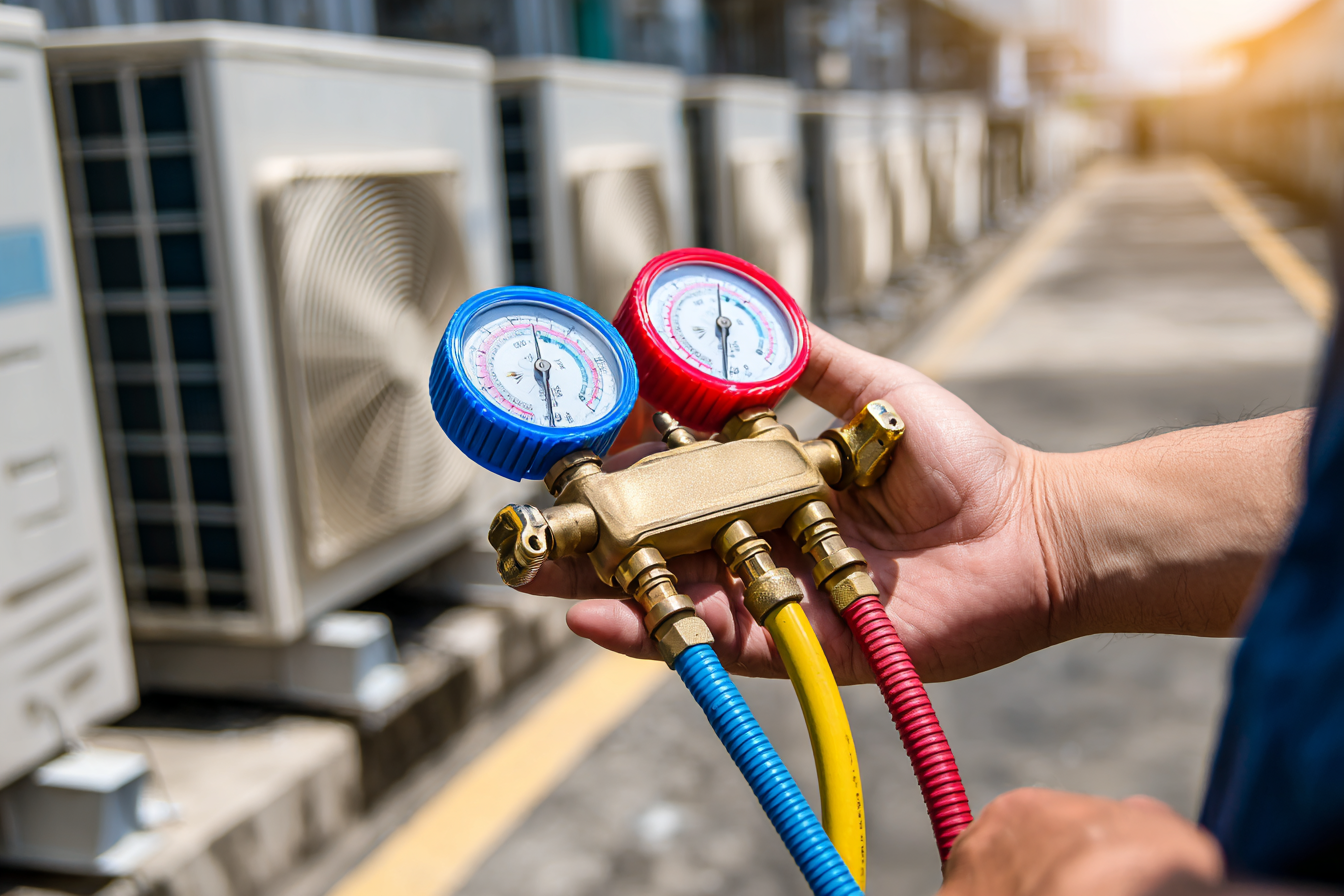
Efficiency labels alone don’t guarantee real-world comfort or savings. Actual performance depends on installation quality and home conditions.
Looking Beyond SEER, HSPF, and AFUE: In real homes, factors like duct design, insulation quality, thermostat placement, and installation quality play a major role in system performance. A slightly lower-rated system that’s properly installed can outperform a higher-rated unit installed incorrectly.
Airflow and Humidity Control: Advanced systems with variable-speed blowers excel at maintaining steady airflow, which also improves humidity control.
Seasonal Performance and Reliability: Look for systems with strong cold-weather heat pump performance, reliable backup heating options, and proven durability in extreme conditions.
Manufacturer Testing and Third-Party Certifications: Programs such as ENERGY STAR® and Air-Conditioning, Heating, and Refrigeration Institute (AHRI) certification help verify efficiency claims and performance standards.
Lab Ratings vs. Real-World Results: Professional load calculations, proper sizing, and expert installation are often more influential than headline efficiency numbers alone.
Sizing and Load Calculations
Choosing the correct size is critical to long-term comfort and system reliability.
Why proper sizing matters:
Oversized systems short-cycle and waste energy.
Undersized systems run constantly and fail to maintain comfort.
Correct sizing improves humidity control and component lifespan.
Manual J Load Calculations Explained
Professional HVAC contractors use a Manual J load calculation to determine the exact heating and cooling requirements of your home. This detailed assessment accounts for:
Square footage
Insulation levels
Window efficiency
Orientation to the sun
Air leakage
Local climate conditions
Unlike simple rules of thumb, Manual J provides precise data to guide equipment selection.
How Much Do the Best HVAC Systems Cost in 2026?
For homeowners comparing options, cost is often the deciding factor when choosing the best HVAC system. While prices vary based on home size, system efficiency, and installation complexity, understanding it helps set accurate expectations and avoid under- or over-buying.
What Drives HVAC System Price Differences?
Not all HVAC systems with similar capacities cost the same. Several factors influence total investment:
System efficiency ratings: Higher SEER2, HSPF2, and inverter technology increase upfront cost but reduce energy use.
Home size and layout: Larger or multi-story homes require higher capacity and more complex installations.
Ductwork condition: Repairs, resizing, or full replacement can add significant cost.
Zoning and controls: Multi-zone systems and smart thermostats raise installation complexity.
Labor and local market rates: Regional labor costs and permitting requirements vary widely.
Upfront Cost vs. Long-Term Savings
The lowest-priced system is rarely the most cost-effective over time. High-efficiency HVAC systems often cost more initially but deliver substantial long-term savings.
Long-term value considerations:
Reduced monthly energy bills
Lower repair frequency due to variable-speed operation
Longer system lifespan
Potential eligibility for rebates, tax credits, and utility incentives
In many cases, homeowners recover the added upfront cost through energy savings within several years, especially when upgrading from older, inefficient equipment.
Cost Planning Tips
Before committing to any system, request multiple written estimates that include:
Equipment model numbers and efficiency ratings
Installation scope and warranty coverage
Load calculations and ductwork assessment
This ensures you’re comparing systems accurately and investing in the best HVAC system for your home, not just the cheapest option.
Why Work With Quality Comfort Solutions for Your HVAC Upgrade?
Choosing the best HVAC system is only half the decision. Proper sizing, expert installation, and long-term support are what ultimately determine how well your system performs and how much value it delivers over time.
Quality Comfort Solutions specializes in helping homeowners make confident, informed HVAC decisions. Their team focuses on matching the right system to your home’s unique layout, comfort needs, and efficiency goals rather than pushing one-size-fits-all solutions.
What Sets Quality Comfort Solutions Apart:
Expert system recommendations: Guidance based on home size, insulation, climate, and usage not guesswork.
Professional load calculations: Accurate Manual J assessments to ensure proper system sizing.
High-efficiency HVAC installations: Experience with modern heat pumps, hybrid systems, ductless solutions, and variable-capacity equipment.
Clear pricing and honest guidance: Transparent estimates with no unnecessary upsells.
Long-term comfort focus: Installations designed for efficiency, reliability, and durability not just short-term performance.
Whether you’re replacing an aging HVAC system or upgrading to a high-efficiency solution, working with experienced professionals ensures your investment performs as intended.
To learn more about the services, schedule a consultation.
Conclusion
Choosing the best HVAC system in 2026 means looking beyond brand names and efficiency labels. The right system balances energy efficiency, performance, comfort, and long-term value while accounting for your home’s unique needs and local conditions.
By understanding system types, key features, proper sizing, installation quality, and available incentives, homeowners can make informed decisions that deliver reliable comfort and lower energy costs for years to come. Prioritizing professional evaluation and expert installation ensures your HVAC investment performs as intended.
Ready to Choose the Right HVAC System for Your Home?
Selecting the best HVAC system is only part of the equation. Proper sizing, expert installation, and ongoing support are what ensure long-term comfort and efficiency.
Quality Comfort Solutions provides professional HVAC consultations, system replacements, and high-efficiency upgrades tailored to your home’s layout, climate, and budget. Their experienced technicians perform detailed load calculations, explain your options clearly, and install systems to manufacturer standards so you get the comfort and savings you expect.
Schedule a consultation with Quality Comfort Solutions today to receive expert guidance, transparent pricing, and a customized HVAC solution designed for your home.