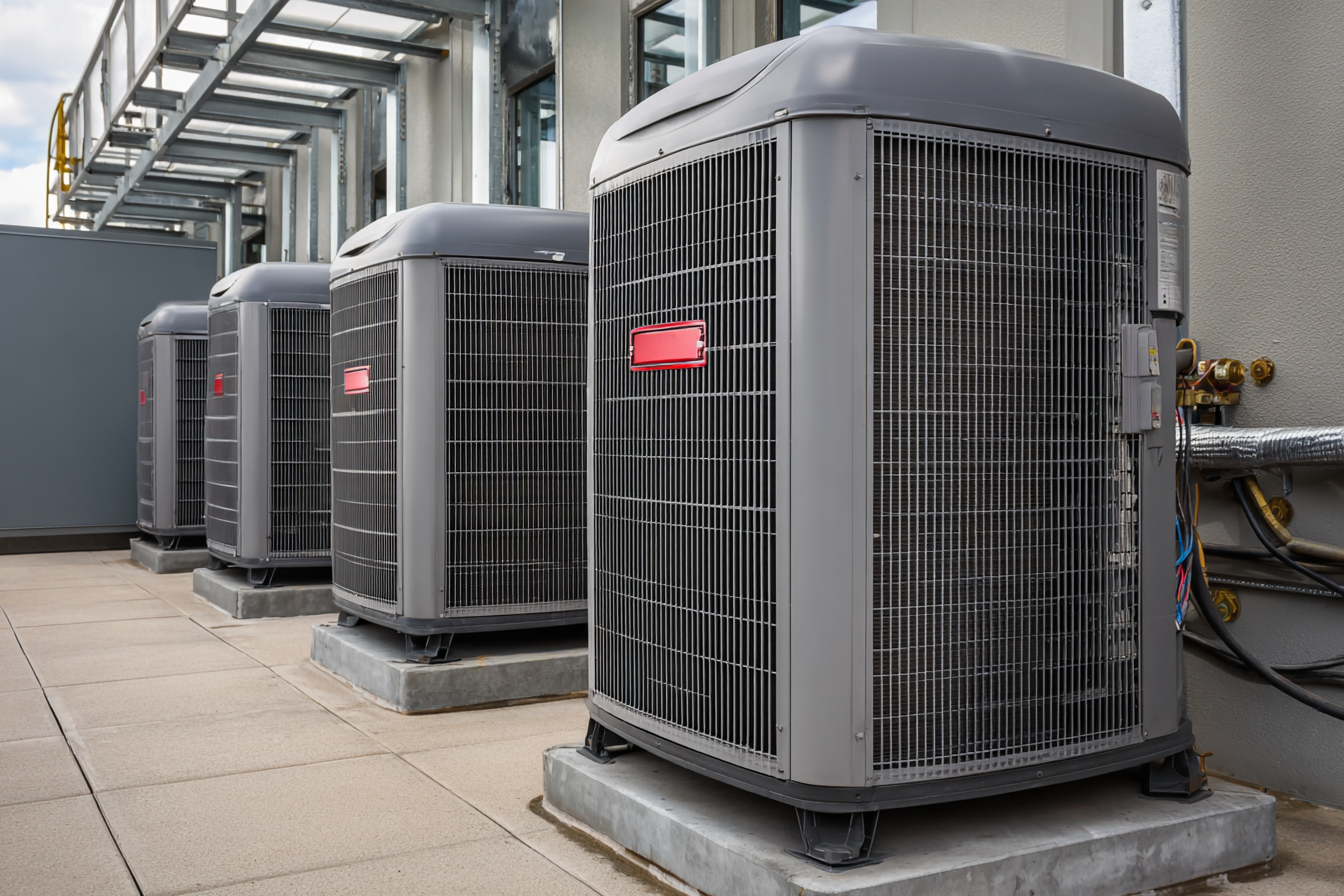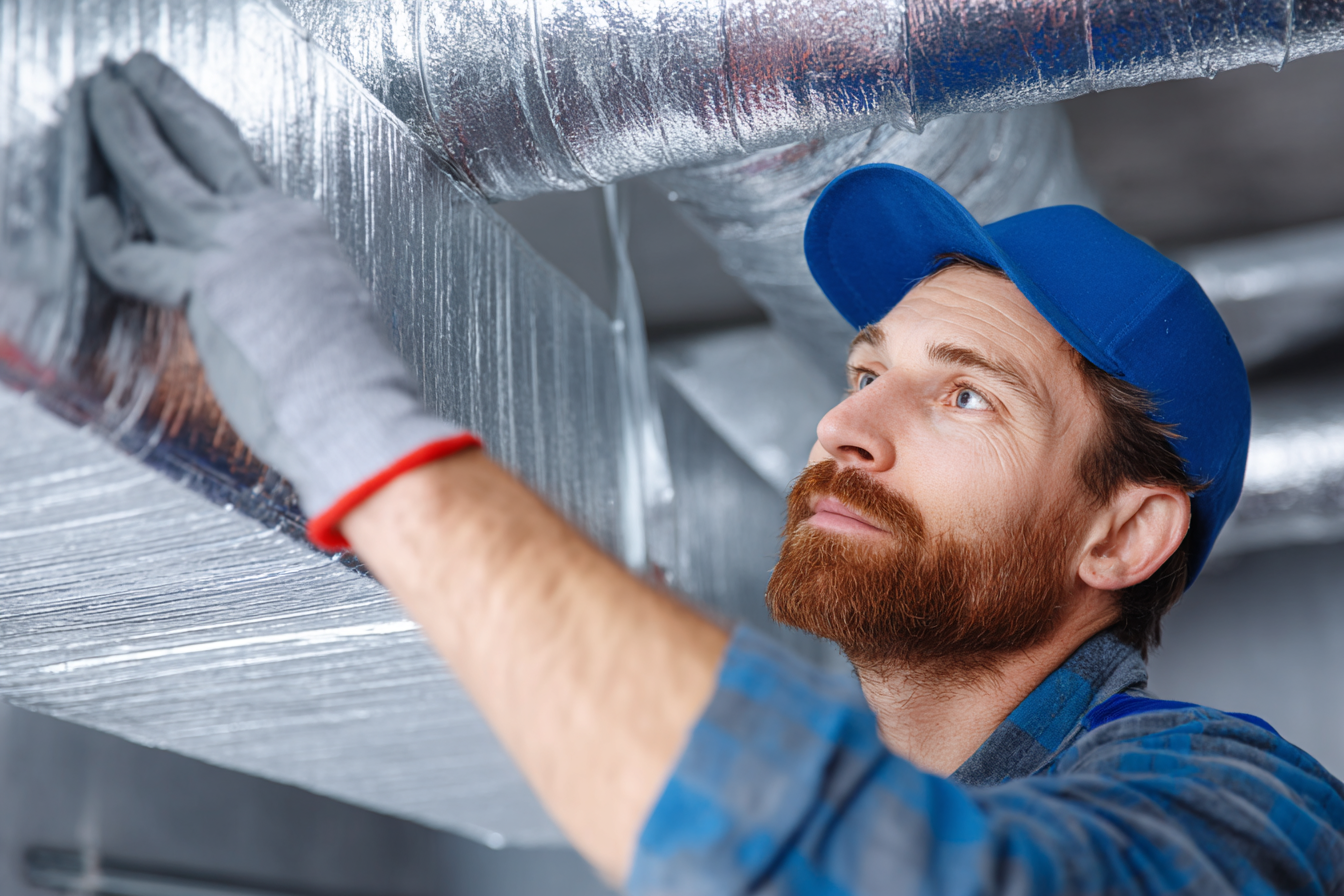
Ductwork sealing is one of the most overlooked yet impactful ways to improve your home’s comfort, energy efficiency, and Heating, Ventilation, and Air Conditioning (HVAC) performance.
In typical homes, 20 %–30 % of conditioned air is lost through leaks, gaps, and poorly sealed ducts, meaning a significant portion of heated or cooled air never reaches your living spaces, driving up energy bills and creating uneven temperatures.
Cold winters and hot, humid summers make efficient HVAC performance essential, but also highlight the impact of leaky ducts on comfort and costs.
In this guide, you’ll learn what ductwork sealing is, why it matters, and how it benefits homes in the Yonkers and Westchester County area.
Quick Read:
Proper duct sealing prevents air leaks, improves HVAC efficiency, reduces energy bills, and ensures consistent comfort in Yonkers and Westchester homes.
Common signs of duct leaks include uneven room temperatures, high energy bills, weak airflow, excessive dust, and allergy issues.
Sealing methods include mastic sealant, foil HVAC tape, and aerosol-based technology, each suited for specific duct sizes and leak locations.
DIY duct sealing handles minor leaks, but professional sealing ensures comprehensive inspection, durable materials, and long-lasting airflow improvements.
Following best practices like pre-inspection, proper materials, airflow testing, and periodic maintenance maximizes duct sealing benefits year-round.
What Is Ductwork Sealing?
Ductwork sealing is the process of identifying and sealing leaks, gaps, and weak connection points within your HVAC duct system. These leaks often occur at joints, seams, and connection points where duct sections meet.
When left unsealed, they allow heated or cooled air to escape into unused areas such as attics, basements, crawl spaces, or wall cavities rather than reaching your living areas.
A properly sealed duct system ensures that the air produced by your HVAC unit is delivered efficiently and evenly throughout your home. This improves airflow, reduces system strain, and helps maintain consistent indoor temperatures across all rooms.
Why Ductwork Sealing Is Important?
Leaky ductwork is one of the leading causes of energy loss in residential HVAC systems. Proper duct sealing delivers multiple performance and comfort benefits, including:
Reduced energy loss: Sealed ducts prevent conditioned air from escaping into attics, basements, and crawl spaces
Improved heating and cooling performance: Your HVAC system delivers air more efficiently and evenly
More consistent indoor comfort: Fewer hot and cold spots between rooms
Better indoor air quality: Sealed ducts limit the entry of dust, insulation particles, and outdoor pollutants
Lower utility bills: Reduced energy waste leads to measurable cost savings over time
In many New York homes, especially those built decades ago, duct leaks can account for a significant percentage of energy loss. Sealing these leaks helps homeowners reduce monthly heating and cooling costs while extending the life of their HVAC equipment. Over time, duct sealing often pays for itself through improved efficiency and fewer system repairs.
Common Signs Your Ductwork Needs Sealing
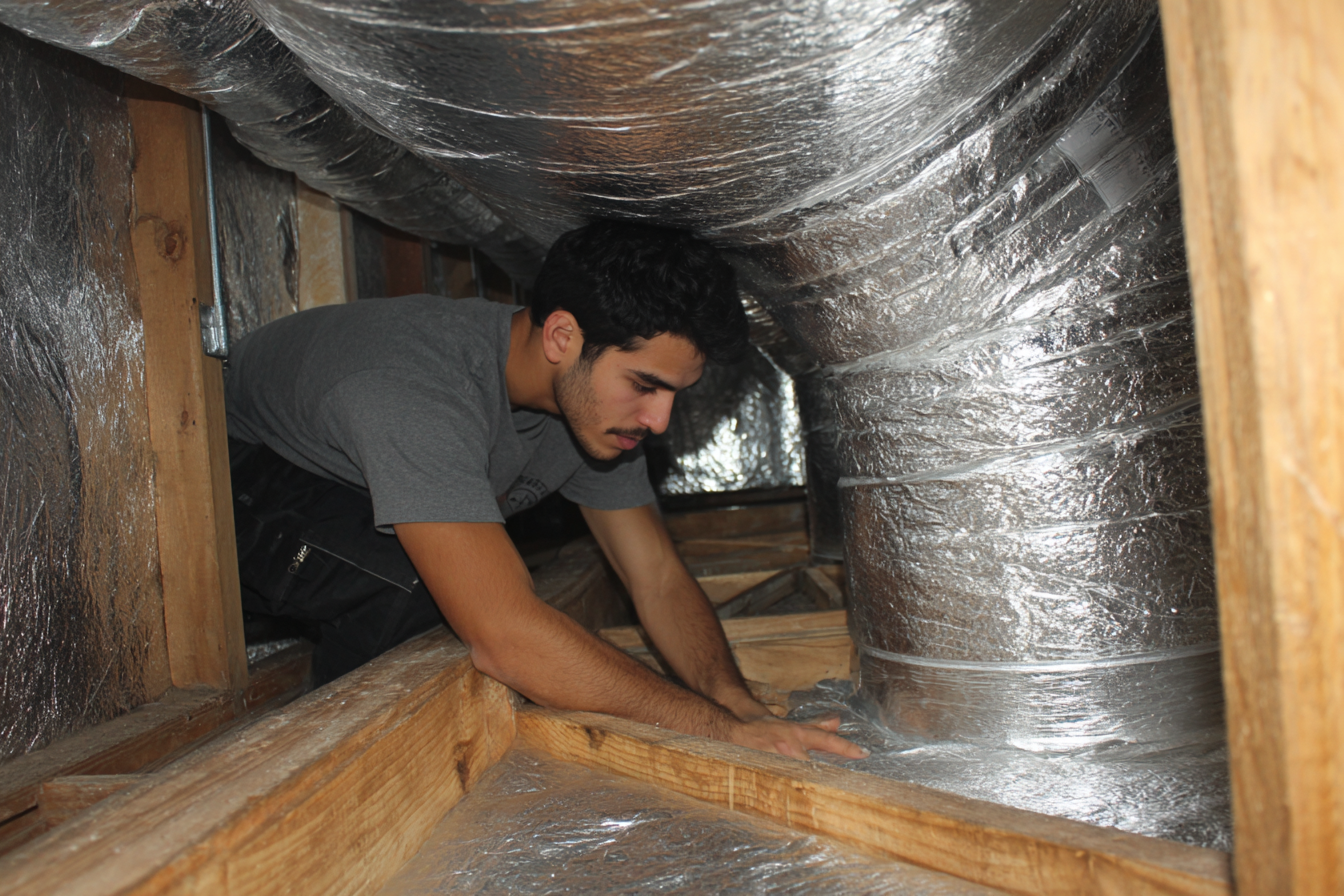
Leaky ductwork doesn’t always come with obvious warning signs, but many homeowners experience comfort and efficiency issues without realizing the duct system is the root cause. If you notice one or more of the following issues, your ductwork may need professional sealing:
Uneven temperatures between rooms, with some areas too hot or too cold
Higher energy bills without a clear explanation or change in usage
Weak airflow from vents, even when the system is running at full capacity
Excessive dust buildup on surfaces or visible debris near vents
Increased allergy or respiratory symptoms caused by pollutants entering through duct leaks
Common Issues in Older Yonkers Homes
Many older homes in Yonkers and surrounding Westchester communities were built before modern duct sealing standards were in place. As a result, homeowners often face:
Loose or separated duct joints
Cracked or deteriorated sealing materials
Leaks caused by renovations or added duct extensions
Ducts running through unconditioned spaces without proper sealing
Addressing these issues through professional ductwork sealing can restore comfort, improve airflow, and help your HVAC system operate as it should.
Common Areas Where Duct Leaks Occur
Duct leaks tend to form in predictable locations, especially in older systems or those that were not professionally sealed during installation. Identifying these problem areas is a critical first step in improving airflow, comfort, and energy efficiency throughout your home.
Leaky ductwork is most often found in the following areas:
Duct joints and seams: Where two duct sections connect, gaps can form over time due to vibration or poor installation
Connections near the HVAC unit: High air pressure around the air handler or furnace makes these areas especially prone to leaks
Attics, basements, and crawl spaces: Ducts in unconditioned spaces are more likely to leak and waste energy
Registers and vent connections: Poorly sealed vent boots allow air to escape behind walls or ceilings
Even small leaks in these locations can add up to significant energy loss. When conditioned air escapes into unused spaces, your HVAC system must work harder to compensate, leading to uneven temperatures, reduced comfort, and higher utility bills.
Ductwork Sealing Methods Explained
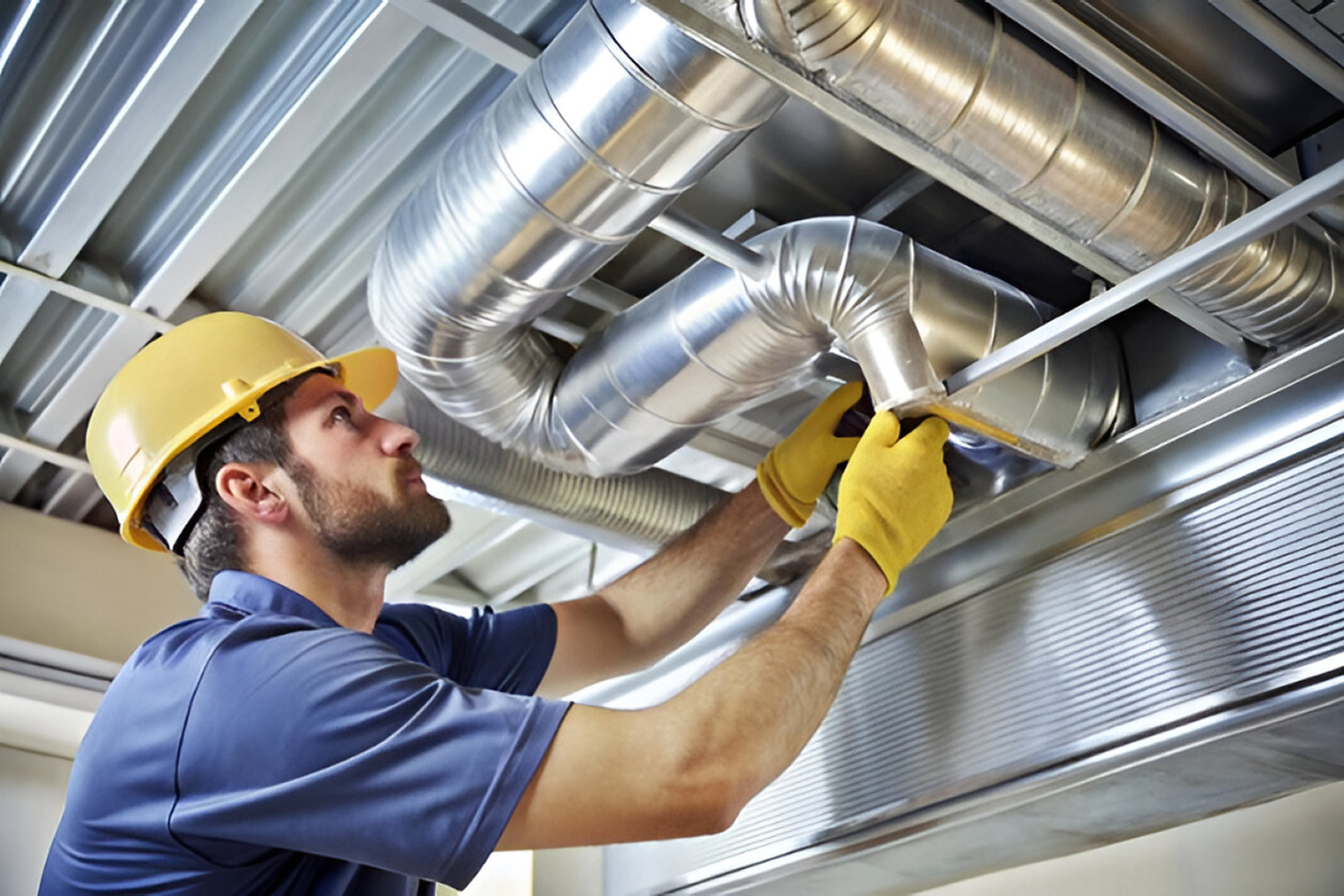
Sealing your ductwork can be done using several proven methods, each suited for specific applications and types of leaks. Choosing the right approach ensures long-lasting results, improved airflow, and maximum energy efficiency for your home.
Mastic Sealant
Mastic is a thick, paste-like material applied directly to duct joints and seams. Once it cures, it forms a flexible, airtight seal that can last for years.
Benefits of mastication:
Extremely durable and long-lasting
Resistant to temperature changes and vibration
Ideal for large gaps or irregular duct shapes
Provides a professional-grade seal often used in new and existing duct systems
Foil HVAC Tape
Foil HVAC tape is a strong adhesive tape designed to seal ductwork. Unlike standard duct tape, foil tape withstands high temperatures and maintains its adhesion over time.
When to use foil tape:
Sealing more minor leaks and duct seams
Quick repairs on accessible duct sections
Supplementing mastication for added reinforcement
Necessary: Never use standard cloth-backed duct tape. It deteriorates quickly and can create more problems than it solves.
Aerosol-Based Duct Sealing
Aerosol-based sealing uses pressurized sealant particles that are blown into the duct system while the HVAC fan is running. The particles travel throughout the ducts and seal leaks from the inside out.
Best applications for aerosol sealing:
Whole-home duct sealing, especially in complex or hard-to-reach systems
Homes with ducts in unconditioned spaces like attics or crawl spaces
When a fast, effective, and minimally invasive solution is needed
A professional HVAC technician typically handles aerosol duct sealing, ensuring all leaks are effectively addressed without damaging the duct system.
DIY Duct Sealing vs Professional Sealing
Sealing ductwork can seem like a simple Do-It-Yourself (DIY) project, but there are essential factors to consider before attempting it on your own.
Aspect | DIY Duct Sealing | Professional Duct Sealing |
|---|---|---|
Scope of Work | Small, accessible duct leaks | Entire duct system, including hidden or hard-to-reach areas |
Materials Used | Foil HVAC tape, mastic sealant, temporary wraps | High-quality mastic, approved foil tapes, or aerosol-based sealants |
Complexity | Simple, basic fixes | Comprehensive, expert-level sealing |
Effectiveness | Short-term improvement; may miss hidden leaks | Long-lasting, addresses all leaks for optimal airflow |
Risks | Missed leaks, degraded materials, airflow restrictions, and reduced HVAC efficiency | Minimal; professionally handled for safety and efficiency |
Cost | Lower upfront cost | Higher upfront cost, but pays off with energy savings and HVAC longevity |
Benefits | Temporary relief from minor leaks | Improved airflow, energy efficiency, consistent comfort, and extended HVAC system lifespan |
Don’t risk hidden leaks or inefficient airflow. Let our licensed HVAC experts seal your ducts the right way. Book your service now!
Benefits of Professional Ductwork Sealing
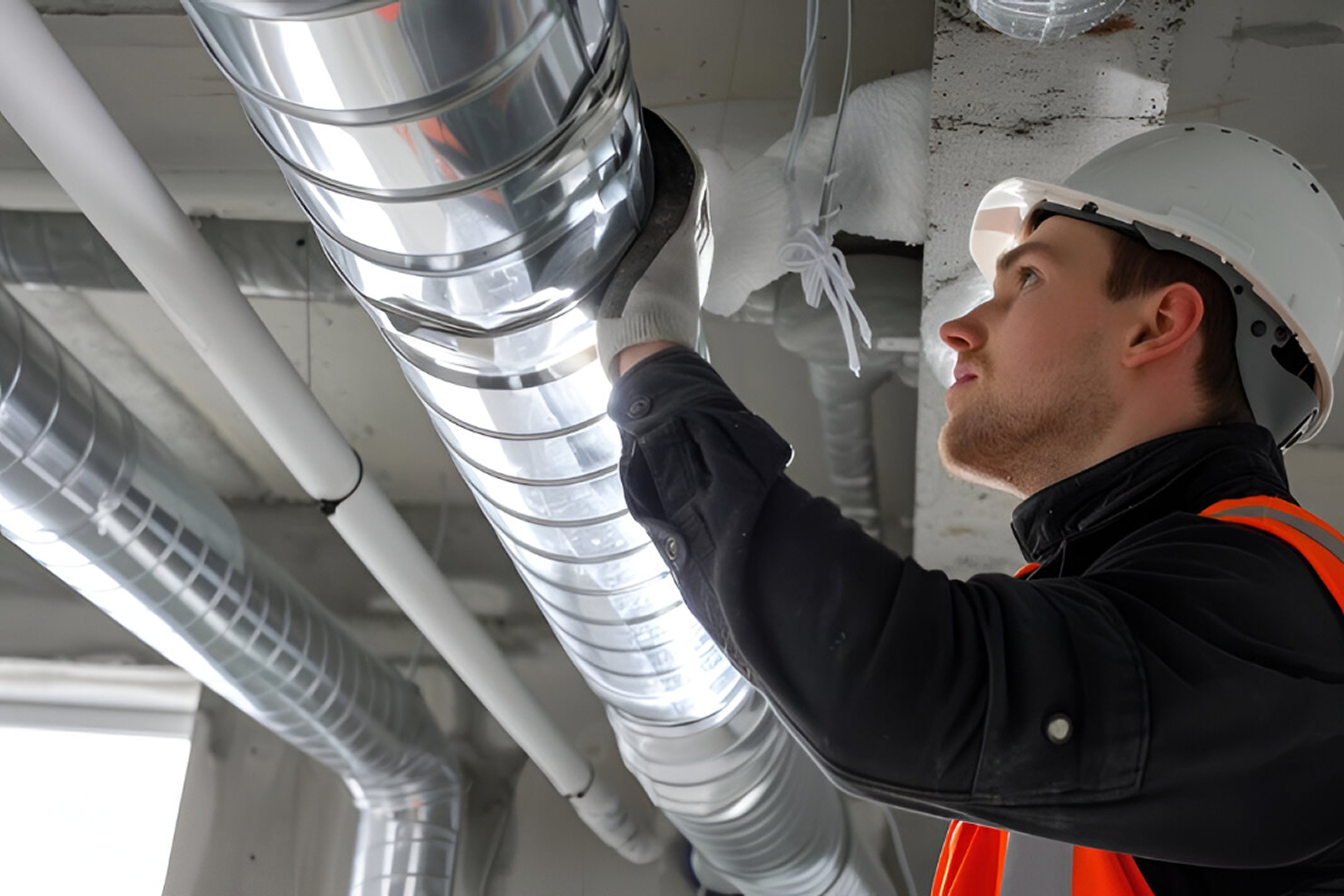
Investing in professional ductwork sealing offers homeowners in Yonkers and Westchester County a range of benefits that go far beyond basic comfort. Properly sealed ducts improve system efficiency, reduce energy costs, and enhance indoor air quality, making your home healthier and more enjoyable year-round.
Improved HVAC efficiency: Sealing leaks ensures that heated or cooled air reaches every room, reducing system workload.
Enhanced indoor comfort: Consistent temperatures and stronger airflow eliminate hot or cold spots in your home.
Reduced energy bills: By preventing conditioned air from escaping, your HVAC system consumes less energy, saving money on monthly utility costs.
Extended HVAC system lifespan: Less strain on your heating and cooling system decreases wear and tear, helping your equipment last longer.
Better indoor air quality: Sealed ducts prevent dust, allergens, and pollutants from entering the airflow, creating a healthier living environment.
Professional duct sealing is critical in older homes, where decades of use, renovations, and seasonal wear can create significant air leaks. With expert sealing, homeowners enjoy a more reliable and cost-effective HVAC system.
Best Practices for Long-Lasting Duct Sealing
Proper ductwork sealing requires planning, inspection, and the right materials to ensure lasting results. Following best practices helps homeowners maximize comfort, energy efficiency, and the lifespan of their HVAC system.
Conduct a thorough inspection first: Identify all leaks, gaps, and weak connections before starting any sealing work.
Use the right materials: Choose professional-grade mastic, foil HVAC tape, or approved aerosol sealants rather than standard duct tape.
Seal before adding insulation: Ensure ducts are properly sealed before insulating them to prevent air leaks.
Test airflow after sealing: Measure airflow and check for any remaining leaks to verify that the sealing work is practical.
Address all duct areas: Don’t overlook hidden ducts in attics, basements, or crawl spaces—these are common sources of air loss.
Schedule periodic inspections: Over time, joints and seals can degrade; routine inspections help maintain long-term efficiency.
By adhering to these best practices, homeowners can enjoy a more efficient HVAC system, lower energy bills, and improved comfort throughout their home—no matter the season.
Quality Comfort Solutions’ Duct Sealing Services
Quality Comfort Solutions offers comprehensive duct sealing services tailored for Yonkers and Westchester County homes:
Complete system inspections to locate all leaks
Professional sealing using mastic, foil tape, or aerosol-based methods
Airflow testing to ensure optimal performance
Recommendations for ongoing maintenance to preserve efficiency
By choosing a local, experienced team, homeowners can be confident that their ducts will be sealed effectively, resulting in improved comfort, reduced energy costs, and a healthier indoor environment. Schedule a call today.
Conclusion
Ductwork sealing is a simple yet highly effective way to improve comfort, efficiency, and indoor air quality in your home. For homeowners in Yonkers and Westchester County, properly sealed ducts mean more consistent temperatures, lower energy bills, and a longer-lasting HVAC system.
If you’ve noticed uneven room temperatures, high energy costs, or weak airflow from vents, it may be time to assess your duct system. Professional duct sealing ensures that every leak is addressed using durable, long-lasting materials, giving you peace of mind and a home that feels comfortable year-round.
Take action today: Schedule a professional duct sealing inspection with Quality Comfort Solutions and enjoy the benefits of an efficient, well-performing HVAC system.
FAQs:
1. Is sealing your ducts worth it?
Yes. Duct sealing improves HVAC efficiency, reduces energy bills, enhances indoor comfort, prevents air leaks, and extends system lifespan, making it a cost-effective investment for homes in Yonkers and Westchester County.
2. Where is the duct seal used?
Duct seal is applied at joints, seams, connections near HVAC units, vent boots, and ducts running through attics, basements, or crawl spaces to prevent air leaks and improve system efficiency.
3. How long does duct sealing last?
Professional duct sealing using mastic, foil tape, or aerosol-based methods can last 10–20 years, depending on material quality, system usage, and proper installation and maintenance practices.
4. Will duct seal stop water?
Duct seal is designed for air leaks, not standing water. While it may resist minor condensation, it is not waterproof and cannot replace proper waterproofing measures.
5. Is the duct seal rodent-proof?
Duct seal helps close gaps to reduce rodent entry, but it is not completely rodent-proof. Additional measures like mesh or professional pest-proofing are recommended for full protection.