Tired of high heating bills and an inefficient system that struggles to keep your home comfortable? If you're like many homeowners in 2026, finding the right home heating system isn't just a choice; it's a necessity.
With rising energy costs and the constant need for reliability, choosing the best home heating system has never been more important. Whether you're upgrading an old unit or investing in a new home, you want something that fits your budget and keeps your space cozy year-round.
This guide breaks down the top heating systems, their efficiency, and the factors you need to consider to make the best decision. Let's explore how you can find the perfect fit for your home and start saving today.
At a glance
Heat pumps are most efficient for moderate climates, providing both heating and cooling with 300%-400% efficiency.
Gas furnaces are ideal for cold climates, with modern models reaching up to 98% AFUE for better efficiency.
Ductless mini-splits offer flexibility for homes without ductwork, providing both heating and cooling in smaller spaces.
Radiant floor heating delivers even heat in open-plan homes, but installation can be costly and disruptive.
Efficiency ratings like AFUE and HSPF are key when comparing heating systems to ensure low operating costs.
Proper system sizing is essential to avoid overspending on energy bills and ensure comfort across your home.
Why Selecting the Right Heating System is Crucial for Your Home?
Choosing the right heating system goes beyond just keeping your home warm. It’s about balancing comfort, efficiency, and long-term savings.
An inefficient system can drive up your energy costs, while the wrong system for your home’s size and layout can lead to inconsistent temperatures and higher maintenance costs.
Key Reasons Why the Right Heating System Matters:
Energy Savings: The right system maximizes efficiency, reducing energy consumption. For example, ENERGY STAR-rated heat pumps can cut heating costs by up to 50% compared to traditional furnaces.
Consistent Comfort: Systems personalized to your home's size ensure even heating, eliminating hot and cold spots.
Long-Term Cost Reduction: A system that fits your home's needs requires fewer repairs and lasts longer, reducing overall maintenance costs.
Environmental Impact: Choosing a high-efficiency system, like a geothermal heat pump, minimizes your carbon footprint by using renewable energy sources.
What Happens with the Wrong System?
Higher Energy Bills: An undersized or inefficient system struggles, causing spikes in monthly costs.
Frequent Repairs: Mismatched systems often require costly maintenance.
Uneven Heating: Systems not suited for your space may leave rooms uncomfortable.
The right system delivers consistent comfort, lowers operating costs, and helps future-proof your home.
Now that you know why the right choice is essential, let’s look into the types of home heating systems you need to know.
Types of Home Heating Systems You Need to Know
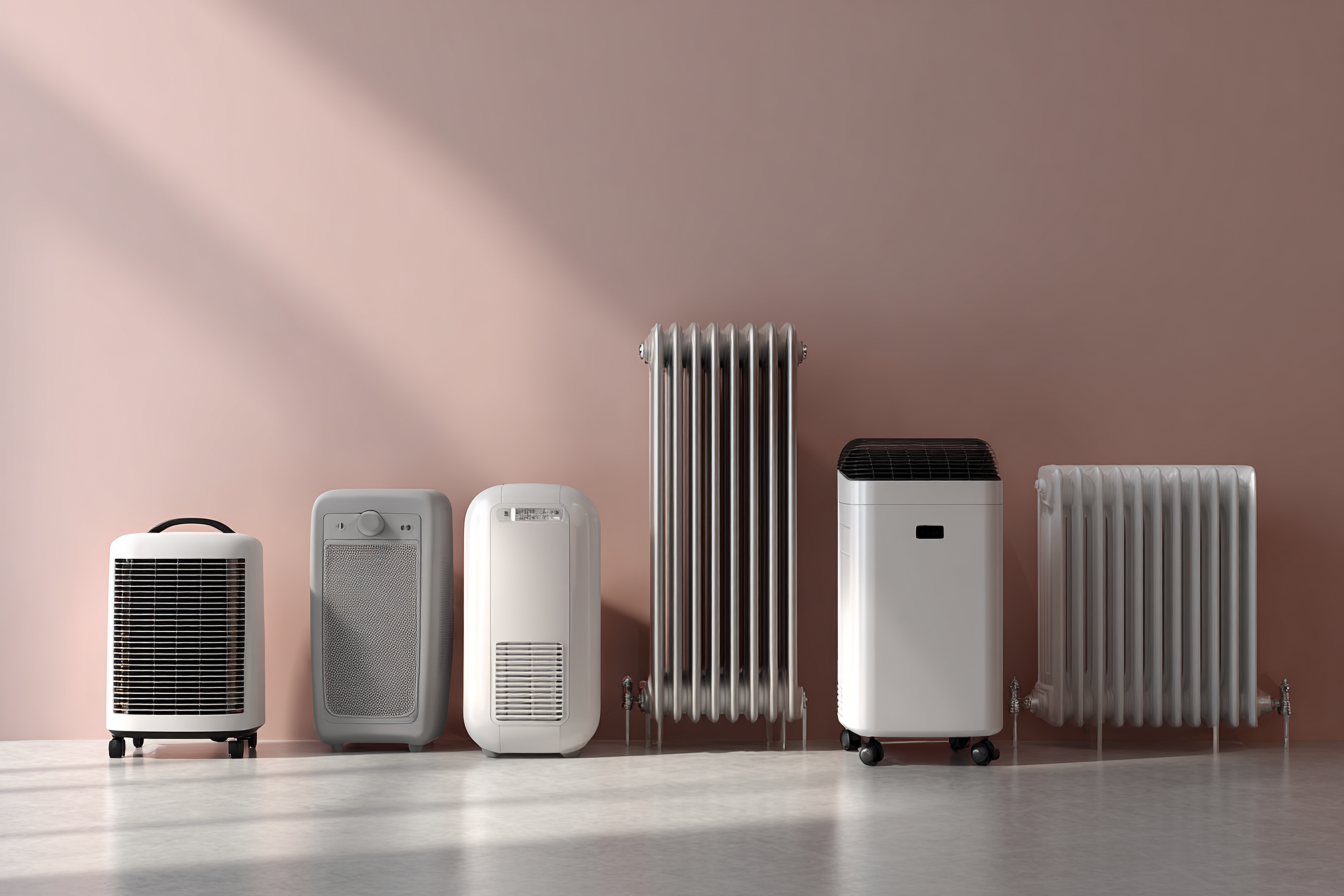
There are various heating systems, each with unique benefits and considerations. The right choice depends on your home’s size, climate, and efficiency needs.
Here’s a breakdown of the most common types:
Furnaces (Forced Air Systems)
How It Works: Burns fuel (gas, oil, or electricity) to heat air, then uses ductwork to distribute warm air throughout the home.
Efficiency: Modern gas furnaces can achieve up to 98% AFUE (Annual Fuel Utilization Efficiency), minimizing energy loss.
Best For: Larger homes with ductwork; homes in colder climates.
Considerations: Requires regular maintenance, especially with filters and ducts. Can lead to dry air in winter months.
Heat Pumps
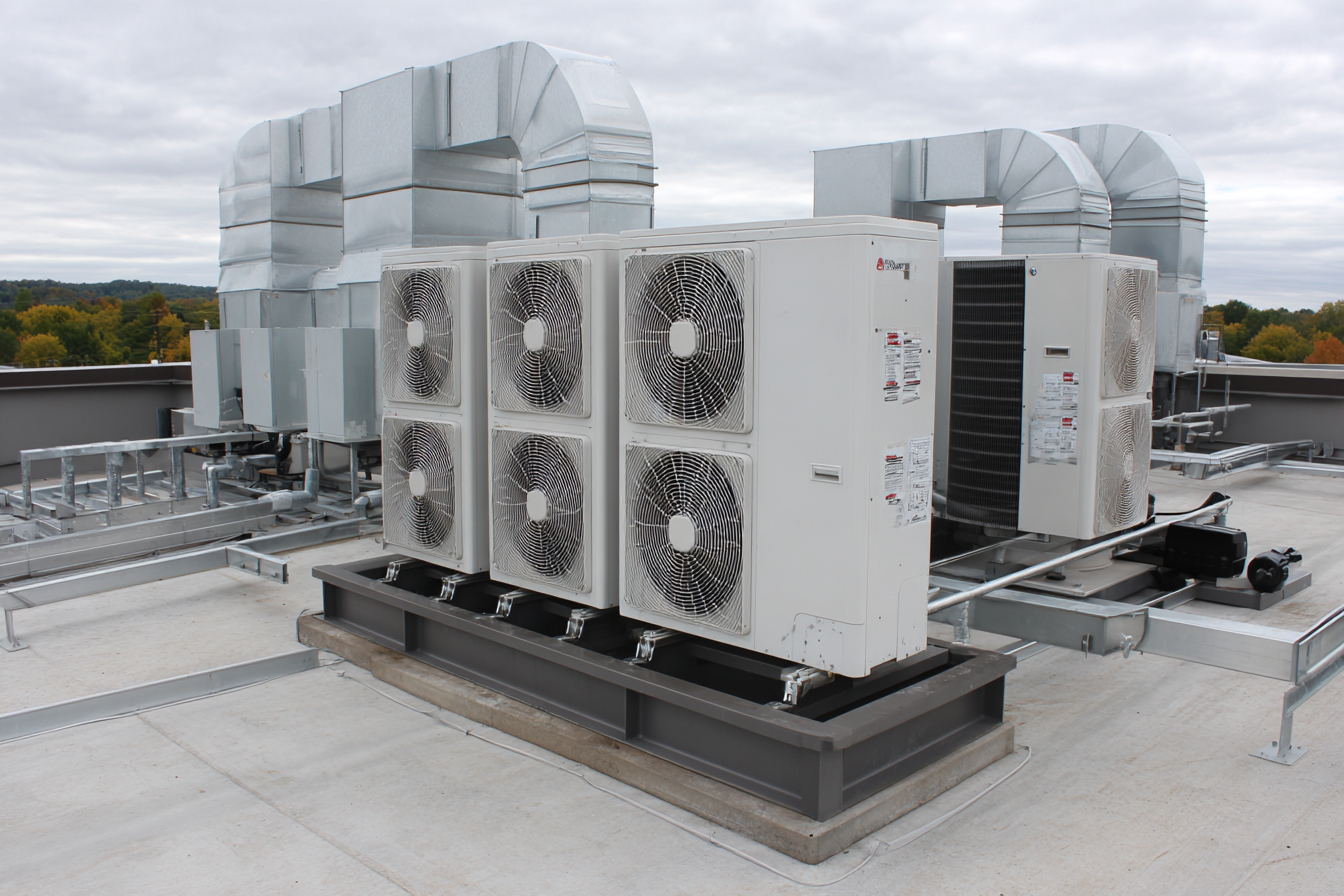
How It Works: Transfers heat from the air (air-source) or ground (ground-source) to heat your home. It works in reverse during summer to cool your home.
Efficiency: Highly efficient, offering 300% to 400% efficiency. Uses less than half the energy of a traditional furnace or boiler.
Best For: Moderate climates, smaller to medium homes.
Considerations: Less effective in extremely cold temperatures. Higher initial cost but long-term savings.
Boilers (Hydronic Heating Systems)
How It Works: Heats water, sending steam or hot water through pipes to radiators or underfloor heating systems.
Efficiency: High-efficiency models can achieve 90% AFUE or more.
Best For: Older homes, those seeking radiant heat (floor or radiators).
Considerations: Takes longer to heat up; can be expensive to install and maintain.
Radiant Heating (Floor, Wall, or Ceiling Heating)
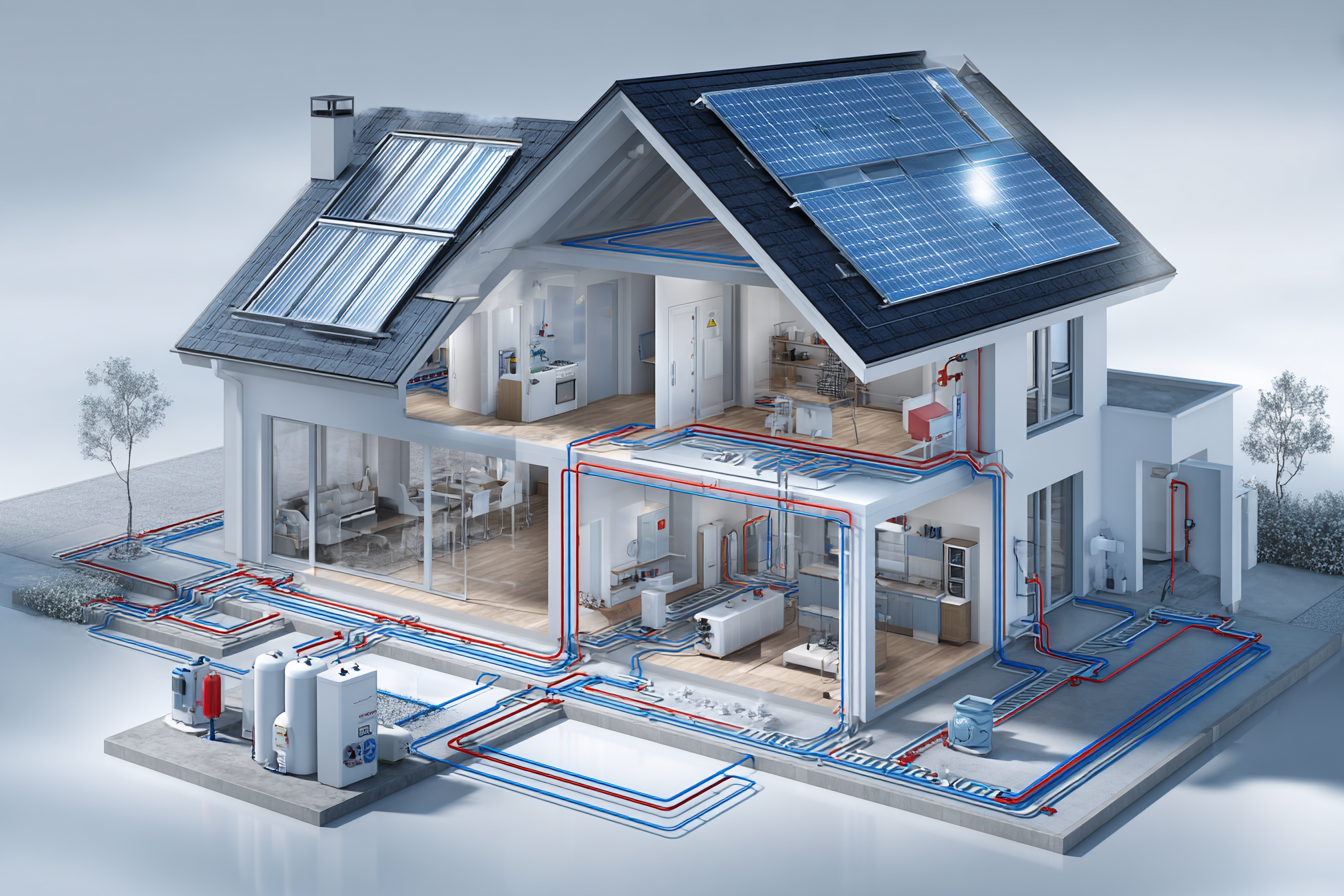
How It Works: Uses electric cables or heated water pipes beneath the floor or within the walls and ceilings to warm up a room.
Efficiency: Highly efficient, with minimal heat loss. Ideal for homes with open floor plans.
Best For: New construction or homes undergoing renovation.
Considerations: High installation costs and disruption during setup.
Electric Heating Systems
How It Works: Directly converts electricity into heat through baseboard heaters, wall-mounted units, or space heaters.
Efficiency: 100% efficient at the point of use, but electricity is more expensive than gas in many areas.
Best For: Small homes, apartments, or supplemental heating in rooms.
Considerations: Higher running costs. Best used for occasional or targeted heating.
Ductless Mini-Split Systems
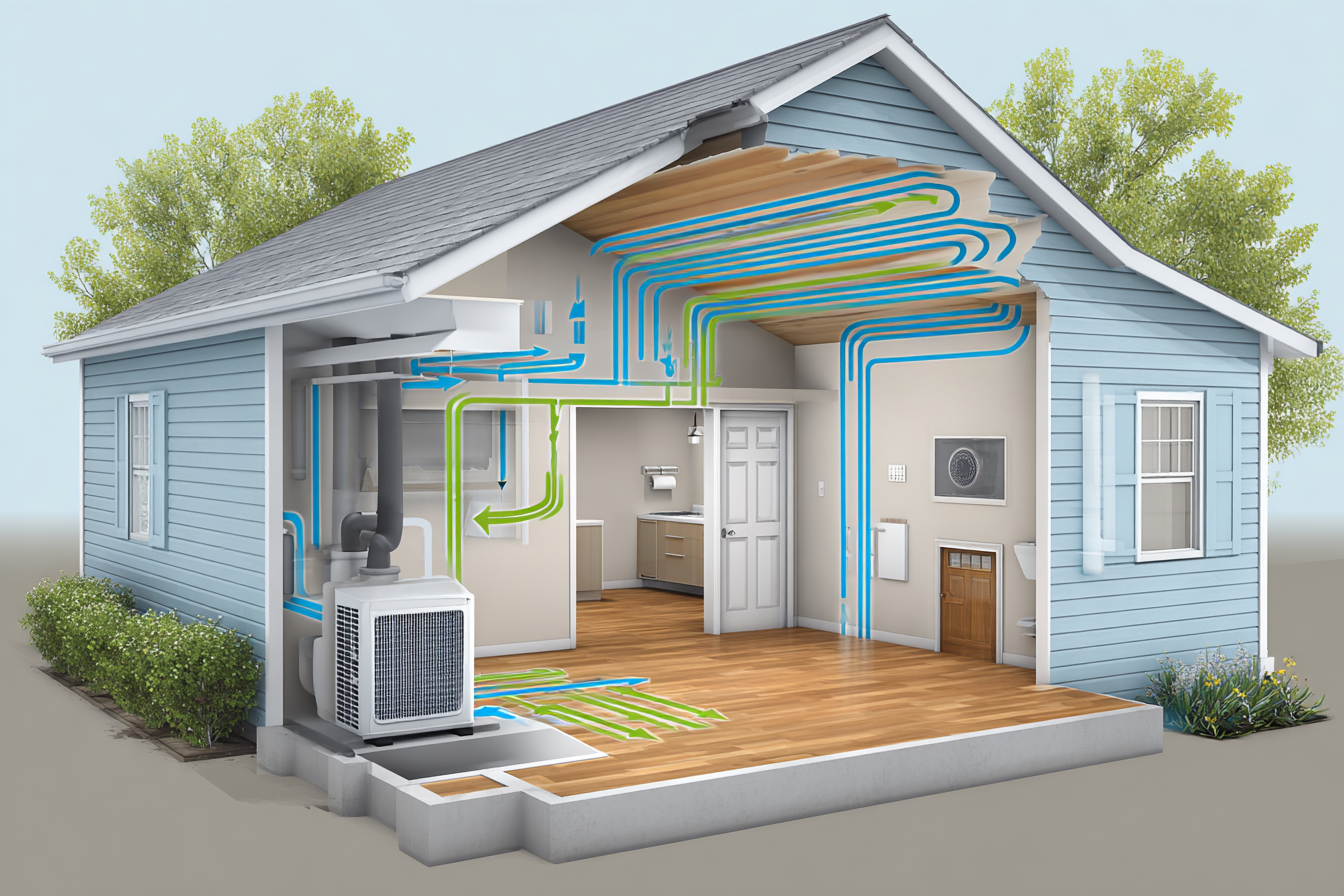
How It Works: A heat pump system without the need for ductwork, offering both heating and cooling capabilities.
Efficiency: Up to 25% more efficient than traditional central air systems.
Best For: Homes without existing ducts, room additions, or smaller homes.
Considerations: Higher upfront costs, but no ductwork is required, making installation easier.
Now that you know the different types, let’s take a closer look at how to compare their efficiency and decide which one fits your home best.
Comparing Heating System Efficiency: What You Should Know
Efficiency is the most crucial factor when comparing heating systems. An energy-efficient system not only reduces your carbon footprint but also helps cut your heating bills.
Here’s a detailed breakdown of heating system efficiencies, so you can make an informed decision:
Heating System | Efficiency Rating | Energy Consumption | Operating Costs | Best for |
Furnaces (Gas) | Up to 98% AFUE | High for older models | Moderate to High | Larger homes in colder climates |
Heat Pumps | 300%-400% efficiency | Low (1 kW = 3-4 kW heat) | Low | Moderate climates, small to medium homes |
Boilers | 85%-95% AFUE | Moderate | Moderate to High | Radiant heating systems, older homes |
Radiant Heating | 100% (Direct Heating) | Low (if well insulated) | Low to Moderate | New builds, open-plan homes |
Electric Heating | 100% (direct conversion) | High | High | Small homes or supplemental heat |
Ductless Mini-Split | Up to 25% more efficient | Low | Low | Homes without ducts, room additions |
Efficiency Considerations:
AFUE (Annual Fuel Utilization Efficiency): Measures how much heat is generated from the fuel consumed. The higher the AFUE, the more efficient the system.
HSPF (Heating Seasonal Performance Factor): Used for heat pumps. A higher rating indicates better efficiency in heating mode.
Operating Costs: While the system's efficiency is crucial, local energy prices (gas, electricity) also play a role in overall costs.
As you compare these systems based on their efficiency, it’s important to balance upfront costs with long-term savings.
Now that you have a clear understanding of heating system efficiencies, let’s explore the best options based on different home types.
The Best Heating System for Different Home Types
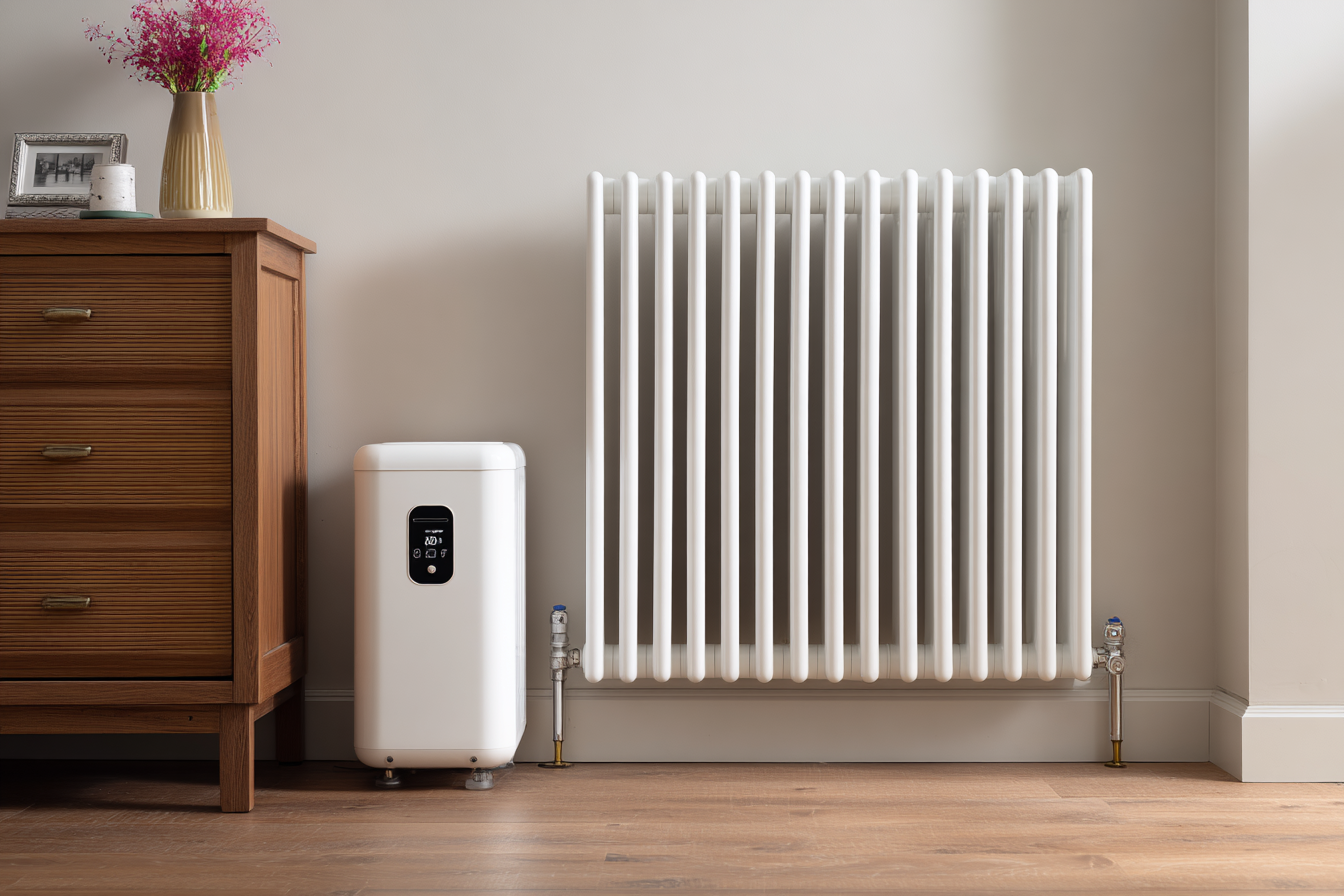
The right heating system depends on the size of your home, the layout, and specific comfort needs.
Here’s a breakdown of which heating systems work best for different home types:
Small Homes or Apartments
Best System: Ductless Mini-Split Heat Pumps
Why: These compact systems don’t require ductwork, making them perfect for small homes or apartments. They also offer both heating and cooling, reducing the need for separate systems.
Key Advantage: Zoning capabilities allow you to heat only the areas in use, saving energy.
Medium-Sized Homes
Best System: Gas Furnace or Heat Pump
Why: Gas furnaces provide reliable heat, while heat pumps offer versatility with heating and cooling. Both are ideal for homes with 3-5 rooms.
Key Advantage: Heat pumps perform well year-round, while gas furnaces offer robust heating during cold months.
Large Homes
Best System: Multi-Zone Heat Pumps or Variable-Speed Furnaces
Why: Larger homes with multiple rooms and floors benefit from multi-zone systems. These allow independent temperature control in different areas, providing consistent comfort across the entire home.
Key Advantage: Zone control minimizes energy waste by only heating the rooms in use.
Open-Plan Homes
Best System: Radiant Floor Heating or Ductless Mini-Splits
Why: Open-plan homes lack walls to trap heat, making radiant floor heating a great solution. It delivers even heat across large areas. Ductless systems are also a flexible option, especially in open areas with few walls.
Key Advantage: Even heat distribution ensures that no part of your open space feels too warm or too cold.
Multi-Story Homes
Best System: High-Efficiency Boilers or Multi-Stage Furnaces
Why: Heat rises, so it can be challenging to heat multiple floors with a single system. Boilers or multi-stage furnaces allow better heat distribution across floors without wasting energy.
Key Advantage: Better air circulation for even heating on each floor, avoiding cold spots.
Homes in Mild Climates
Best System: Heat Pumps or Ductless Mini-Splits
Why: In mild climates, heat pumps and mini-splits offer the perfect balance of energy efficiency and cost savings. They heat and cool homes, making them great all-year solutions.
Key Advantage: Reduced energy consumption compared to traditional systems, especially in areas with moderate temperatures.
With the right heating system identified based on your home type, the next step is determining how to choose the best one for your specific needs.
If you're looking for expert guidance, Quality Comfort Solutions specializes in HVAC installation, maintenance, and personalized consultations to ensure the best fit for your home.
Let’s explore the key factors to consider when selecting the ideal heating system for your home.
How to Choose the Right Heating System for Your Home?
Choosing the right heating system is a decision that requires careful consideration of several factors.
Here’s a checklist to guide you through the process:
Consider Your Home’s Size and Layout
Small Homes (Under 1,500 sq. ft.): Opt for ductless mini-splits or small furnaces. These systems are compact and cost-effective.
Medium Homes (1,500 – 2,500 sq. ft.): Gas furnaces or heat pumps are ideal for consistent heating and cooling across multiple rooms.
Large Homes (2,500 sq. ft. and above): Consider multi-zone heat pumps or high-efficiency furnaces with zoning capabilities to ensure every room is heated evenly.
Evaluate Your Climate
Cold Climates: A gas furnace or boiler is more effective at providing high heat output during the winter months.
Mild Climates: Heat pumps or ductless mini-splits work efficiently year-round in moderate weather, offering both heating and cooling.
Hot Summers: If cooling is important, a heat pump or ductless mini-split is great for both heating in winter and cooling in summer.
Look at Efficiency Ratings
AFUE (Annual Fuel Utilization Efficiency): For furnaces and boilers, look for 90% AFUE or higher. This ensures minimal energy waste.
HSPF (Heating Seasonal Performance Factor): Choose heat pumps with a rating of 8 or higher for better energy savings.
SEER (Seasonal Energy Efficiency Ratio): For systems that also cool, look for a SEER rating of 14+ for better efficiency.
Think About Installation Costs and Space Requirements
Ductless Mini-Splits: Have low installation costs and require no ducts, making them perfect for homes without existing ductwork.
Furnaces and Boilers: Typically require more space for installation and higher upfront costs, especially in homes without existing ductwork or pipes.
Radiant Heating: Installation can be costly and disruptive, but it provides consistent warmth and can be integrated during home construction or major renovations.
Consider Long-Term Maintenance and Repair Needs
Furnaces and Boilers: Require annual inspections and occasional repairs, especially older systems.
Heat Pumps: Low maintenance, but may need to be serviced every few years, particularly in regions with extreme temperatures.
Radiant Heating: Very low maintenance, with few parts that require repair.
Assess Your Budget and Running Costs
Upfront Costs: Compare the installation price of gas furnaces (typically higher) to ductless mini-splits (lower initial cost).
Energy Costs: Heat pumps and high-efficiency furnaces may have a higher upfront cost but provide lower monthly operating costs through better energy efficiency.
Incentives and Rebates: Look for available tax credits or rebates for energy-efficient systems like geothermal heat pumps or solar-powered systems.
Check for Environmental Impact
Low Carbon Footprint: Heat pumps and geothermal systems are more environmentally friendly, using renewable energy sources.
Energy Efficiency: Choose systems with high efficiency to reduce overall energy consumption and decrease your home’s environmental impact.
By following this checklist, you can ensure you’re selecting a heating system that meets your home’s specific needs and budget.
Now that you have a clear understanding of the selection process, let’s take a look at how local experts can assist you in choosing and installing the right heating system for your home.
How Local Experts Can Help You Choose the Right Heating System?
Choosing the right heating system for your home can be a complex process, and while you can gather a lot of information, the expertise of a local professional can make all the difference. Local experts not only provide personalized advice but also ensure that the system you choose is well-suited to your specific home and needs.
Quality Comfort Solutions, based in Yonkers and Westchester County, NY, is a trusted provider with years of experience helping homeowners select and install the best heating systems.
Our team of licensed professionals offers personalized consultations to guide you through your heating system options and ensure a seamless installation process.
Here’s what we offer:
Personalized System Recommendations: We provide expert advice on which system best suits your home's size, layout, and climate.
Free Estimates: We offer transparent, no-obligation quotes for system installation and upgrades.
Professional Installation: Our certified technicians handle all aspects of the installation to ensure optimal performance and efficiency.
24/7 Emergency Support: We offer immediate assistance in case of heating system failures or urgent repairs.
Ongoing Maintenance Services: We provide regular tune-ups to keep your system running efficiently and extend its lifespan.
Energy Efficiency Solutions: We guide you in selecting energy-efficient systems to reduce your heating costs and environmental impact.
With our local expertise, you can feel confident that your new heating system will meet all your needs for comfort, efficiency, and savings.
Wrapping Up
Selecting the right heating system ensures your home stays comfortable, energy-efficient, and cost-effective. Whether you opt for a furnace, heat pump, or radiant system, it's crucial to choose a solution that fits your home's size, climate, and long-term needs.
At Quality Comfort Solutions, we specialize in helping homeowners in Yonkers and Westchester County, NY, find the perfect heating system for their needs. With our expert advice, professional installation, and ongoing support, we ensure that your home stays warm and efficient throughout the year.
Contact us today to schedule a consultation and get a free estimate on your next heating system installation.
FAQs
What is the most energy-efficient heating system for homes?
Heat pumps are generally the most energy-efficient heating systems, especially in moderate climates. They provide up to 400% efficiency, making them a cost-effective choice for both heating and cooling.
Are radiant floor heating systems worth the investment?
Yes, radiant floor heating systems are worth it for those who value consistent warmth and energy efficiency. Though installation can be expensive, they offer long-term savings through lower energy usage and minimal maintenance.
Can a heat pump work in extremely cold temperatures?
While heat pumps are highly efficient in mild climates, their performance can decrease in extremely cold temperatures. In such cases, a supplemental heating system may be required for optimal comfort.
How long does a furnace typically last?
A well-maintained furnace can last between 15 and 20 years. Regular servicing and proper care can help extend its lifespan and ensure it operates efficiently throughout its life.
Is it possible to install a new heating system without ductwork?
Yes, systems like ductless mini-split heat pumps or radiant heating can be installed without the need for existing ducts, making them ideal for homes without a central air system or for room additions.