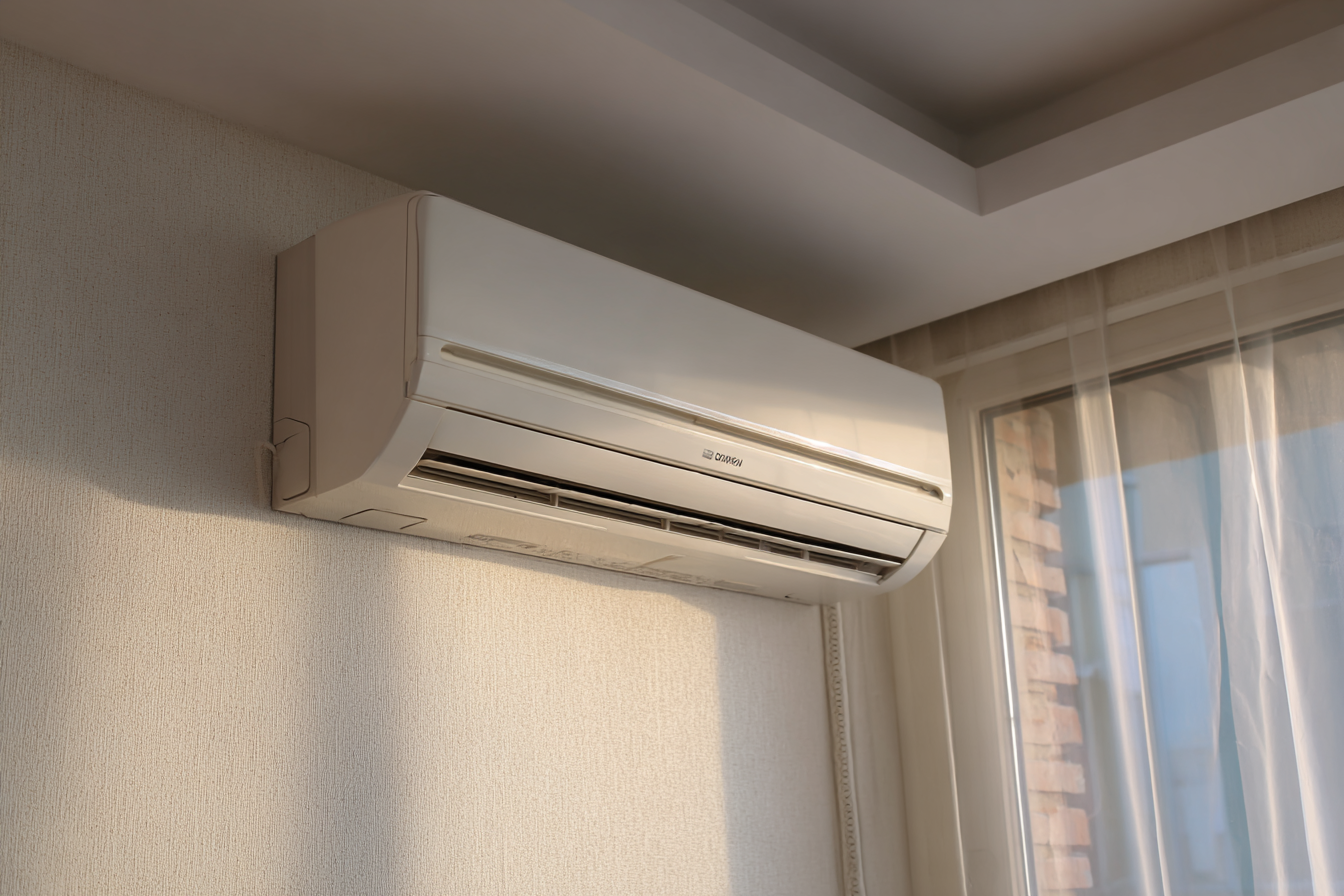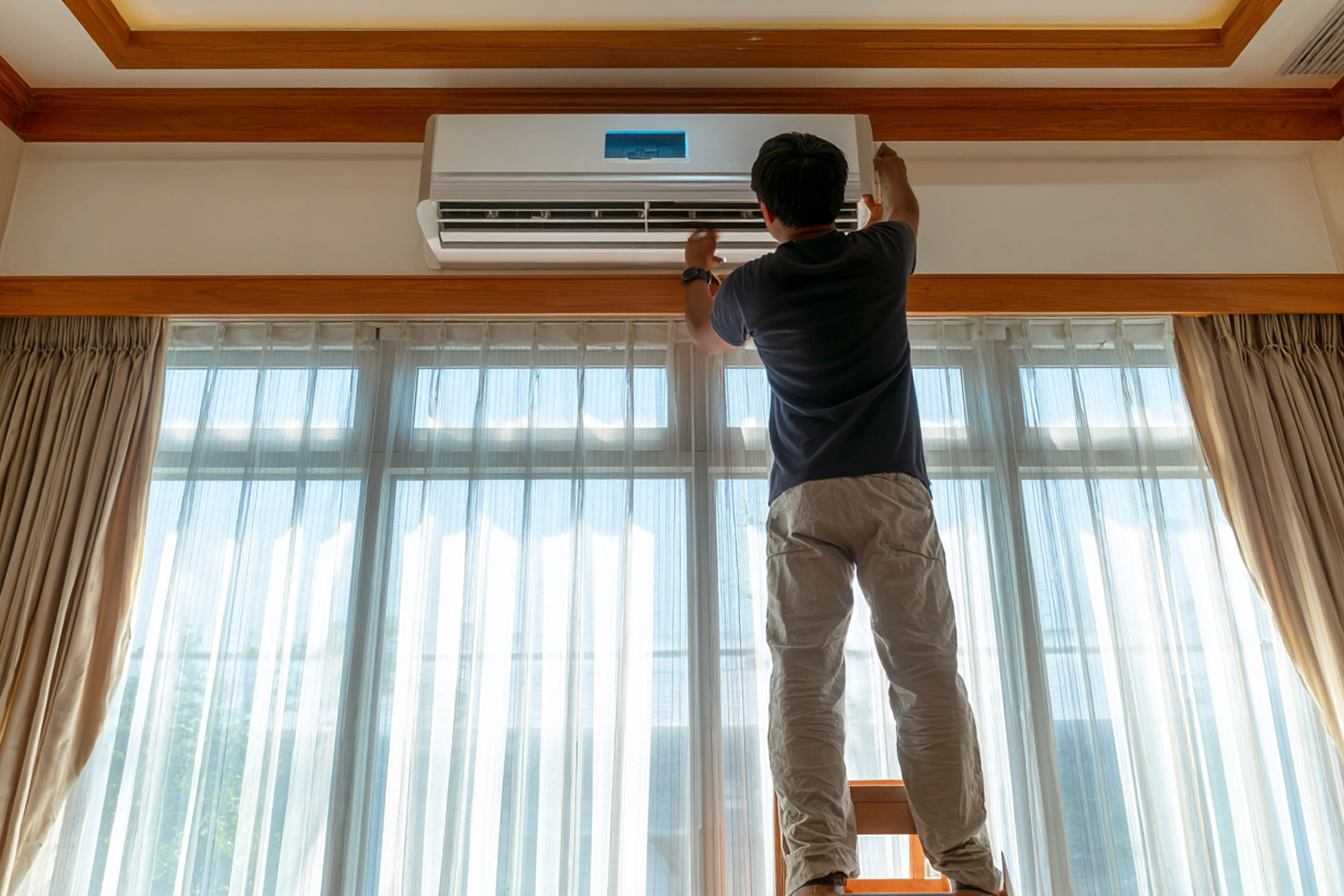
Struggling with high cooling costs and unreliable AC systems? Ductless air conditioning installation could be the solution you need. These systems are designed to keep your space comfortable without the inefficiencies of traditional systems.
Are you ready for better energy efficiency and temperature control? Ductless systems offer flexibility, cost savings, and improved comfort. But how do you navigate the installation process and costs?
This guide breaks down everything you need to know about ductless air conditioning installation, helping you make an informed decision. From understanding the installation process to exploring the cost benefits, let's get started!
Quick look
Ductless air conditioning offers energy-efficient cooling and heating with no ductwork, reducing energy waste.
Multi-zone systems allow you to control temperatures in individual rooms for optimal comfort.
Installation is quick, typically completed in 1–2 days, and less disruptive than traditional systems.
Average costs range from $2,000 to $5,000, depending on system size, zones, and additional components.
Ductless systems improve air quality with built-in filters and require minimal maintenance.
What is Ductless Air Conditioning?
Ductless air conditioning systems, also known as mini-splits, are a modern solution for cooling and heating your space. Unlike traditional systems, they don’t require ducts to distribute air, making installation easier and less invasive.
Key Components of a Ductless System:
Indoor Unit: Mounted on the wall or ceiling, this unit blows cool (or warm) air directly into the room. It often includes a filter to help purify the air.
Outdoor Unit: This compressor unit is placed outside the building and is responsible for cooling or heating the refrigerant. It's connected to the indoor unit via the conduit.
Conduit: A small, flexible pipe that connects the indoor and outdoor units. It houses the refrigerant lines, condensate drain, and electrical wiring.
Refrigerant Lines: These lines transport refrigerant between the outdoor and indoor units, facilitating cooling or heating.
Drain Line: This line carries away the moisture removed from the air by the system. It prevents any water buildup that could cause damage.
Remote Control or Smart Controller: Many ductless systems come with a remote control or smart app to allow easy control of the system's settings, such as temperature and mode.
Filter: Located in the indoor unit, the filter helps trap dust, dirt, and other particles, ensuring the air circulating in the room is clean and healthy.
Now that you understand what ductless air conditioning is, let’s explore why it’s a great choice for your space.
Why Choose Ductless Air Conditioning for Your Home or Business?
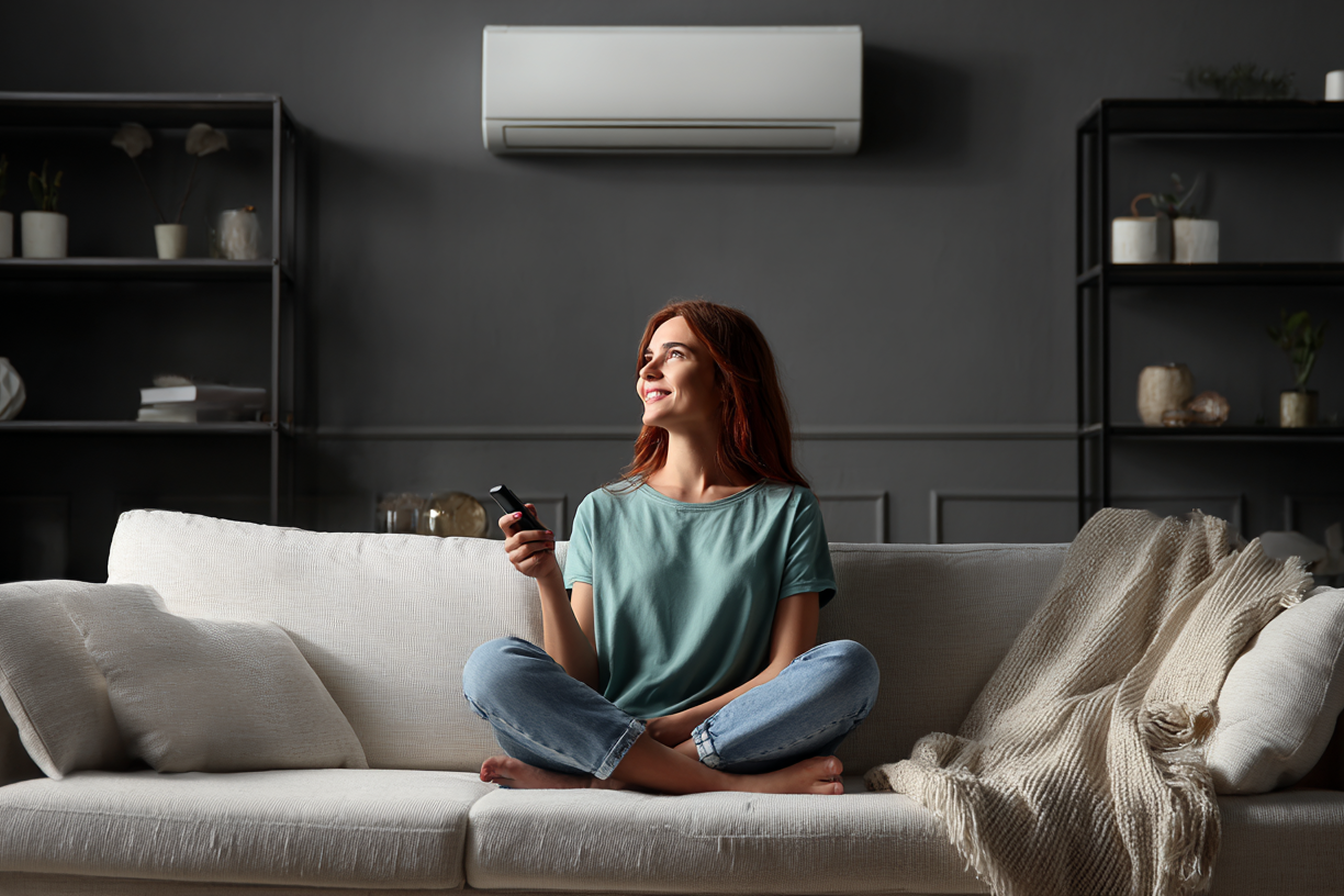
Ductless air conditioning systems offer a variety of benefits that make them ideal for both homes and small businesses. With the ability to provide customized temperature control, they are an efficient solution for spaces of all sizes.
Here are the top reasons why ductless air conditioning is the right choice:
Energy Efficiency: Ductless systems use inverter-driven technology that adjusts compressor speed based on the room's cooling needs, reducing energy consumption and lowering utility bills.
Zoned Cooling: With multi-zone capabilities, you can set different temperatures for each room, cooling only the areas in use and saving energy.
Quick Installation: Unlike traditional systems, ductless units do not require extensive ductwork, leading to faster installation and minimal disruption to your space.
Aesthetic Appeal: Ductless units are sleek and compact, mounted high on walls or ceilings, ensuring they blend seamlessly with your decor without occupying floor space.
Flexible and Versatile: These systems can provide both cooling and heating, making them a year-round solution that keeps your space comfortable year-round.
Low Maintenance: With no ducts to clean, ductless systems require less maintenance, reducing the time and cost spent on upkeep.
With these advantages, let's take a closer look at the installation process for ductless systems and what to expect during setup.
The Installation Process of Ductless Air Conditioning Systems
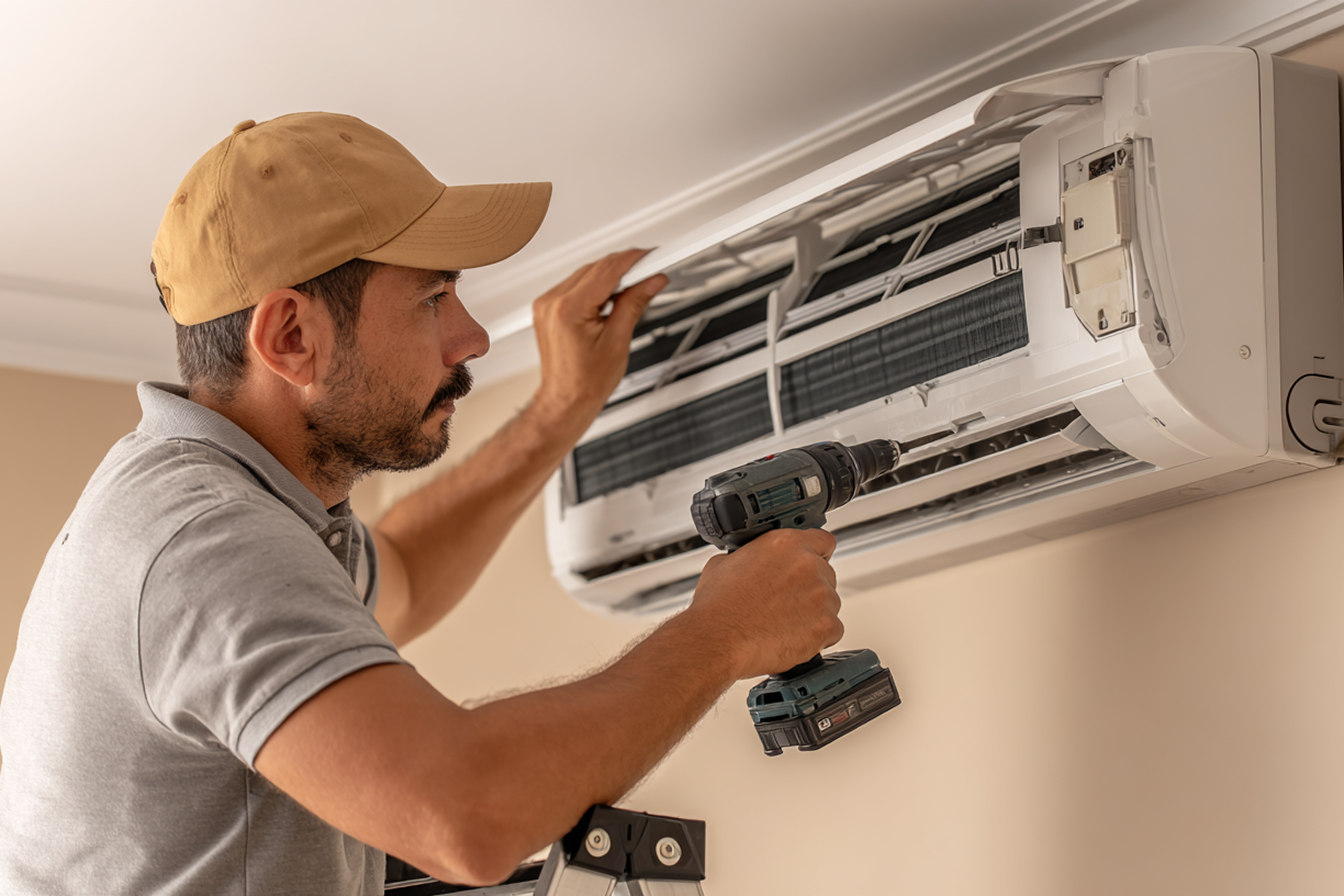
Installing a ductless air conditioning system is a straightforward process compared to traditional HVAC systems, but it requires precision to ensure optimal performance.
Here's a detailed breakdown of each installation step:
Site Survey and System Design
Assessment of Space: A professional technician will assess the layout of your home or business to determine the ideal placement for the indoor and outdoor units. This ensures optimal airflow and energy efficiency.
System Sizing: The technician will calculate the cooling capacity required for each room or zone, accounting for factors such as room size, insulation, and sunlight exposure. This is crucial to avoid overworking the system.
Positioning Units:
The indoor unit should be mounted in a location with proper airflow, often on a wall, and in a place that won't obstruct airflow.
The outdoor unit should be placed in an area with enough clearance for ventilation and minimal exposure to the elements.
Mounting the Indoor and Outdoor Units
Indoor Unit Installation:
The indoor unit is securely mounted on the wall or ceiling, using a mounting bracket that ensures stability.
Refrigerant lines, drainage pipes, and wiring will be threaded through a small hole in the wall to the outdoor unit. The hole is typically no larger than 3 inches in diameter.
Outdoor Unit Installation:
The outdoor unit is mounted on a level surface, such as a concrete pad or mounting bracket, to reduce vibration and prevent damage.
Adequate clearance around the unit (at least 12-18 inches on all sides) is necessary for proper airflow and maintenance access.
Connecting the Refrigerant Lines and Electrical Wiring
Refrigerant Line Connection:
The refrigerant lines connect the indoor and outdoor units. These lines carry the cooling refrigerant to the evaporator coil in the indoor unit.
Proper insulation is applied to the refrigerant lines to prevent energy loss and condensation.
Electrical Wiring:
A dedicated electrical circuit is installed to power the system.
The electrical connections must meet local code requirements, and a disconnect switch is installed near the outdoor unit for safety and easy maintenance.
Draining Condensate Water
Condensate Drainage Setup:
The ductless system removes humidity from the air, leading to condensation. A drain line is installed to carry the excess water away from the indoor unit.
This drain line typically runs into a floor drain, or in some cases, an external wall drain. The drain must be properly sloped to avoid water backups.
Testing and System Calibration
Leak Detection: After the refrigerant lines are connected, a pressure test is performed to detect any leaks. Any leaks are immediately fixed to avoid system inefficiency.
System Startup:
The system is powered on, and the technician checks the refrigerant flow and the operation of the indoor and outdoor units.
They verify that the air is being properly circulated and that cooling/heating functions are working as expected.
Temperature Check: The technician checks for temperature fluctuations, ensuring the system delivers consistent, even cooling or heating throughout the space.
Final Inspections and Clean-Up
System Inspection: A final inspection is performed to ensure all components are securely in place and operating correctly. The technician checks the remote control or smart thermostat for connectivity and functionality.
Clean-Up: Any installation debris is cleaned up, and the technician will walk you through the system's functions, including remote control use, and provide maintenance instructions.
Now that you know the installation process, let’s explore the costs associated with ductless air conditioning installation and how they compare in 2026.
Ductless Air Conditioning Installation Costs in 2026
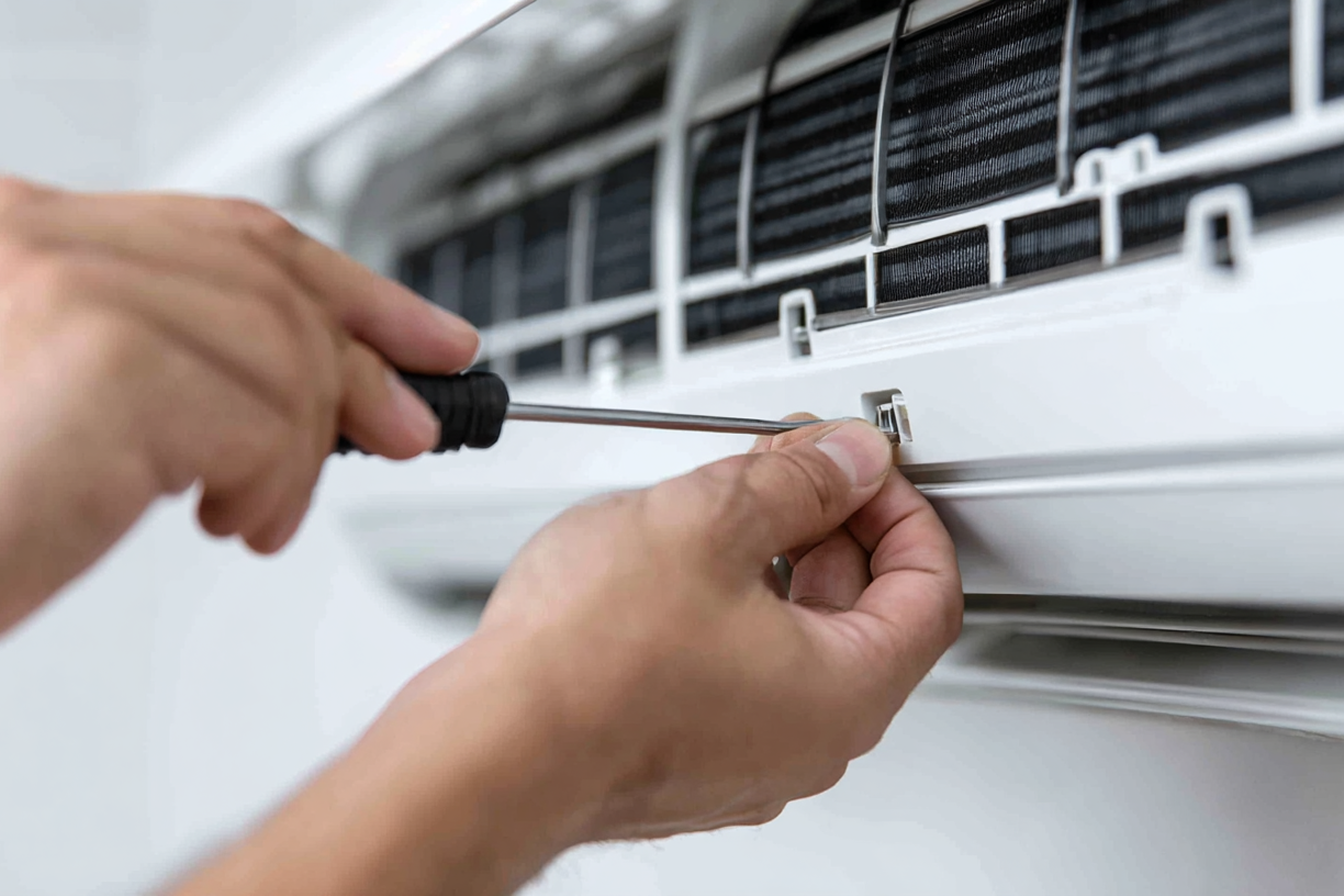
The cost of installing a ductless air conditioning system can vary based on several factors, including the size of your space, the number of zones, and the complexity of the installation.
Below is a breakdown of the estimated costs for ductless air conditioning installation in 2026:
Factors Affecting Cost | Estimated Cost Range | Details |
System Size (Cooling Capacity) | $2,000 - $5,000 | Larger systems for bigger homes or commercial spaces typically cost more. |
Number of Zones | $500 - $1,500 per zone | More zones (e.g., multiple rooms) increase the complexity and cost of installation. |
Indoor Unit Type | $1,000 - $3,000 per unit | Premium units with additional features like smart controls or air purification will be more expensive. |
Labor and Installation Costs | $1,000 - $2,500 | Professional labor costs vary depending on the complexity of installation and location. |
Electrical Work | $200 - $800 | Any necessary electrical upgrades, like adding a new circuit, will incur extra costs. |
Additional Components | $150 - $500 | Includes items like condensate drain lines or additional insulation for refrigerant lines. |
Maintenance Plan (Optional) | $150 - $300/year | Regular servicing to keep the system running efficiently. |
Note: Prices may vary based on factors such as the location of installation, the specific equipment chosen, and the complexity of the job.
As you consider these costs, let’s look deeper into the key benefits of choosing a ductless air conditioning system.
Key Benefits of Ductless Air Conditioning Systems
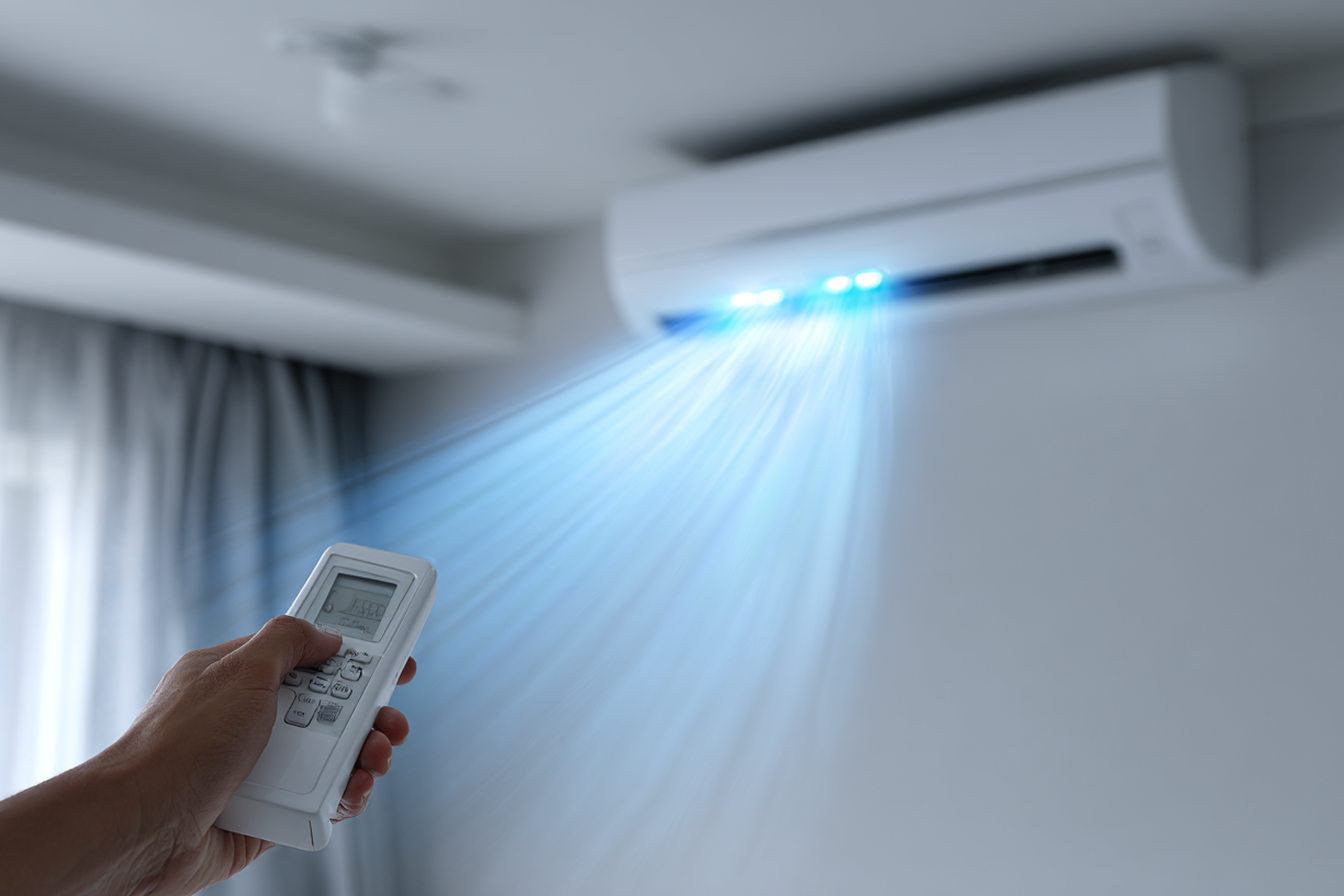
Ductless systems offer multiple advantages that make them a smart choice for homeowners and businesses alike.
Here are the key benefits:
Energy Efficiency
Inverter Technology: Ductless systems adjust compressor speed to meet demand, saving energy compared to traditional AC units.
No Duct Loss: Without ducts, there's no energy wasted from leaks or inefficient airflow.
Zoned Cooling and Heating
Custom Climate Control: With multi-zone setups, you can set different temperatures for individual rooms, saving energy where it's not needed.
Improved Comfort: Adjust the temperature in high-traffic areas or rooms that need more cooling or heating.
Space-Saving Design
Compact Units: The indoor units are sleek and mount high on the wall or ceiling, saving valuable floor space.
Minimal Installation Disruption: No ducts mean faster, non-invasive installations.
Flexible Installation Options
Variety of Mounting Choices: Wall, ceiling, or floor-mounted units offer flexibility to suit different room layouts.
Quick Installation: Typically completed in 1-2 days, causing minimal disruption.
Quiet Operation
Low Noise: Ductless systems operate at very low noise levels, often as quiet as 19-22 decibels, making them perfect for bedrooms and offices.
Minimal Vibration: Unlike window units or central systems, ductless units cause little to no vibration.
Improved Air Quality
Air Filtration: Most systems come with built-in filters to remove dust and allergens.
Prevents Mold Growth: Without ducts, there's less chance for mold and mildew to form in the system.
Year-Round Comfort
Cooling and Heating: Many ductless systems function as heat pumps, providing both cooling in summer and heating in winter.
These benefits make ductless systems an efficient, cost-effective, and flexible solution for year-round comfort.
Let's now explore how to choose the right ductless air conditioning system for your needs.
How to Choose the Right Ductless Air Conditioning System for Your Needs
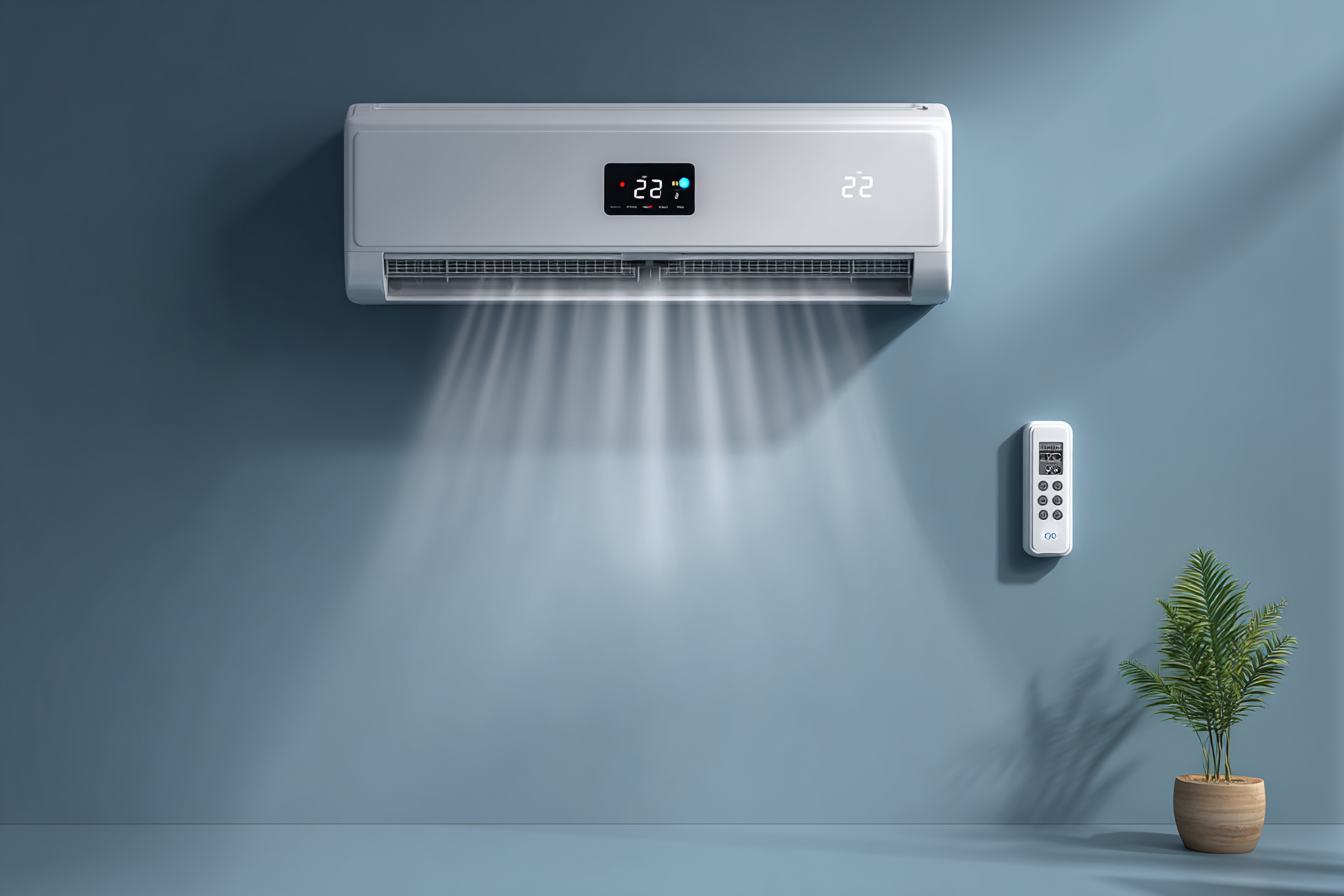
Choosing the right ductless air conditioning system involves considering various factors to ensure optimal performance and efficiency.
Use this checklist to guide you through the process:
Cooling Capacity (BTU Rating):
Match the system’s cooling capacity to the space's size. For example, 6,000-9,000 BTUs for rooms between 150-250 sq. ft.
Consider insulation and sun exposure; rooms with better insulation may need fewer BTUs.
Larger spaces or multi-room setups will require multiple units or a higher BTU rating.
Number of Zones:
Single Zone: Best for smaller rooms or spaces where one temperature is sufficient.
Multi-Zone: Ideal for larger areas or multiple rooms that require individual temperature control, with systems supporting up to 5 zones.
Type of Indoor Unit:
Wall-Mounted: Compact and the most common choice for residential spaces.
Ceiling-Mounted: Suitable for spaces with limited wall space or when a discreet look is needed.
Floor-Mounted: Ideal for rooms with limited ceiling or wall space, or high walls.
Cassette Units: Installed in the ceiling, best for commercial spaces or large areas.
Energy Efficiency (SEER Rating):
Look for a SEER rating of 18+ for better energy savings.
Consider Energy Star certification to ensure high efficiency and cost savings.
Additional Features:
Smart Controls: Choose a unit with Wi-Fi or Bluetooth capabilities for remote control via app or smart home systems.
Air Filtration: Opt for units with HEPA or built-in air purifiers if air quality is a priority.
Heating Mode: Select heat pump models for both cooling and heating in one system.
Installation Complexity:
Ensure easy access for both indoor and outdoor units; the outdoor unit should have 12-18 inches of clearance for optimal airflow.
Be aware of any electrical upgrades that may be needed for larger or more powerful units.
Noise Levels:
Choose an indoor unit with noise below 22 dB for quieter operation.
Look for outdoor units with noise levels under 50 dB to avoid disturbing neighbors.
Warranty and Maintenance Plans:
Ensure the system comes with a 5-10 year warranty on the compressor and 1-3 year warranty on parts.
Consider available maintenance plans for ongoing servicing to maintain efficiency.
This checklist ensures you cover all essential aspects without repetition, providing a clear path to selecting the right ductless air conditioning system personalized to your specific needs.
Looking for expert advice on ductless air conditioning? At Quality Comfort Solutions, we provide professional guidance and seamless installations to help you choose and set up the perfect system for your home or business.
Now that you know how to choose the right system, let’s move on to common installation mistakes to avoid.
Common Installation Mistakes and How to Avoid Them
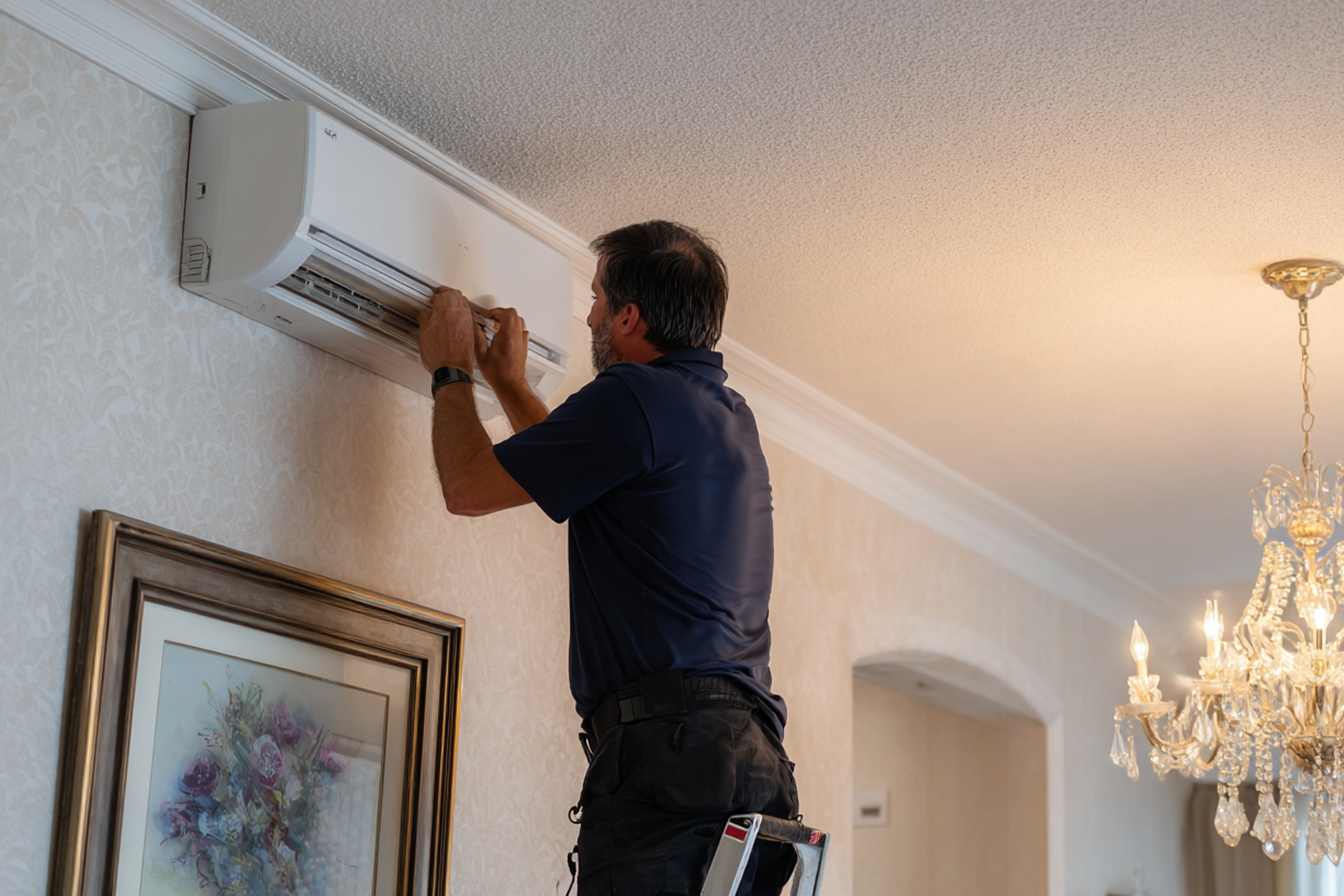
Installing a ductless air conditioning system requires precision. Here are some common mistakes made during installation and how to avoid them:
Incorrect Sizing of the System
Mistake: Choosing an oversized or undersized unit can lead to inefficiency.
Solution: Calculate the required BTU rating based on room size and insulation. Get a professional load calculation.
Poor Placement of the Indoor Unit
Mistake: Installing the indoor unit in areas with blocked airflow or direct sunlight.
Solution: Mount the unit in an area with unobstructed airflow, preferably near the ceiling for even air distribution.
Leaky or Incorrectly Sized Refrigerant Lines
Mistake: Improper refrigerant lines can cause energy loss or system damage.
Solution: Ensure refrigerant lines are properly sized, insulated, and checked for leaks.
Inadequate Drainage
Mistake: Incorrect slope of the condensate drain leads to water buildup.
Solution: Ensure the drain line has a downward slope for efficient water flow.
Electrical Issues
Mistake: Failing to connect to the proper electrical circuit.
Solution: Use a dedicated circuit and ensure the unit is properly powered.
Improper Outdoor Unit Placement
Mistake: Placing the outdoor unit on an uneven surface causes vibrations.
Solution: Mount the unit on a level, stable surface with sufficient clearance around it.
Skipping System Testing
Mistake: Not performing a pressure test or system calibration.
Solution: After installation, perform a leak test and check system functionality.
By avoiding these common mistakes, you ensure efficient, long-lasting performance of your ductless air conditioning system.
Now, let’s explore why Quality Comfort Solutions is your best choice for professional installation.
Why Choose Quality Comfort Solutions for Your Ductless Installation?
At Quality Comfort Solutions, we specialize in expert ductless air conditioning installations, focusing on reliability, efficiency, and customer satisfaction.
Our team ensures that each system is perfectly suited to your needs, offering seamless installation and long-lasting performance.
Here's what we offer:
Expert Installation: Our licensed technicians handle every step of the ductless installation process, ensuring your system is set up efficiently and professionally.
Customized Solutions: We provide personalized ductless systems tailored to your home or business's specific cooling and heating needs.
Transparent Pricing: We offer clear, upfront pricing with no hidden fees, so you know exactly what to expect.
Maintenance Services: We offer routine maintenance plans to keep your system running smoothly year-round.
Energy-Efficient Systems: We install high-performance, energy-efficient systems to help you save on energy bills.
24/7 Emergency Support: Our team is available around the clock to address any urgent service needs.
Choose Quality Comfort Solutions for your ductless air conditioning installation and enjoy dependable service and expert guidance from start to finish.
Wrapping Up
Ductless air conditioning systems provide an efficient, flexible, and cost-effective solution for cooling and heating your home or business. With easy installation, energy savings, and customizable temperature control, they offer numerous benefits.
At Quality Comfort Solutions, we specialize in expert ductless installations personalized to your specific needs. Our licensed technicians deliver reliable, efficient service with transparent pricing and exceptional customer care.
Contact us today to schedule your consultation and experience the difference in professional ductless installation.
FAQs
Can ductless systems be used for both cooling and heating?
Yes, many ductless systems function as heat pumps, providing both cooling in summer and heating in winter, making them ideal for year-round comfort.
How long does ductless air conditioning installation take?
Installation typically takes 1 to 2 days, depending on the system's complexity and the number of zones being installed.
Do ductless systems require a lot of maintenance?
No, ductless systems are relatively low-maintenance. Regular filter cleaning and annual check-ups are usually enough to keep the system running efficiently.
Are ductless systems more expensive than traditional AC systems?
While the initial installation cost may be higher, ductless systems are more energy-efficient, leading to long-term savings on utility bills.
Can ductless air conditioners be installed in existing homes without major renovations?
Yes, ductless systems are ideal for existing homes as they don't require ducts, making installation quicker and less invasive than traditional HVAC systems.